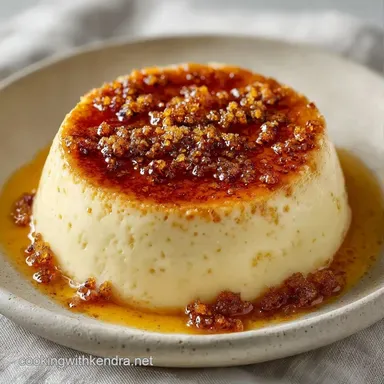
Horchata Crème Brûlée: Creamy and Rich
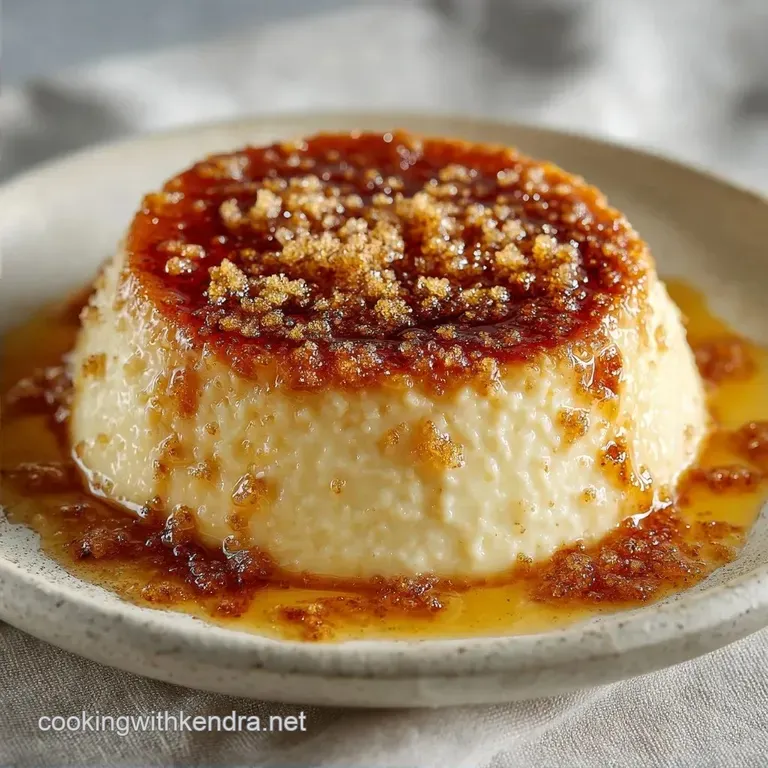
- Time: 20 min active + 4 hrs chilling
- Flavor/Texture Hook: Shattering sugar crust and silky rice infused cream
- Perfect for: Impressive dinner party finales or a cozy weekend treat
- Horchata Crème Brûlée Secrets
- Why the Flavors Click
- Component Deep Dive
- Pantry and Shopping List
- Essential Kitchen Gear
- Step-by-Step Cooking Guide
- Fixing Common Custard Issues
- Troubleshooting Common Issues
- Creative Twists and Swaps
- Preservation Secrets
- Best Serving Suggestions
- Recipe FAQs
- 📝 Recipe Card
The sound of a kitchen torch hitting sugar is my favorite thing. That quick hiss and the smell of caramelizing sugar always make me feel like I've actually achieved something in the kitchen.
For a long time, I thought you had to spend 24 hours soaking rice and almonds to get that authentic Mexican flavor, but honestly, that's a myth. You don't need a day of waiting to get a deep, aromatic profile.
I remember the first time I tried to skip the soak and just throw everything in a pot. It tasted like warm milk. Flat. Boring. But then I tried toasting the dry rice in the pan first. The smell changed instantly from "plain grain" to "toasted popcorn and cinnamon." That's when it clicked.
This Horchata Crème Brûlée is all about that contrast. You get the warmth of the cinnamon and the earthy rice, but it's balanced by the cold, heavy cream and that sharp, burnt sugar crack.
It's a bit more soulful than a standard vanilla custard, and it's way easier to pull off than you'd think if you follow a few specific rules.
Horchata Crème Brûlée Secrets
The goal here isn't just to make a custard that tastes like horchata, but to build the flavor in stages. Most people just add cinnamon and call it a day. We're not doing that. By toasting the rice, we're creating a base layer of nuttiness.
Then, the cinnamon sticks infuse the cream during a slow steep, which adds a woody, warm note that ground cinnamon alone can't provide.
When you finally mix this infused cream into the egg yolks, you're essentially trapping those flavors in a fatty, silky matrix. Because the cream is heavy, it carries the cinnamon and rice notes across your palate longer.
The final act, the brûlée, adds a bitter, charred element that cuts through the richness. It's a balance of earthy, sweet, and bitter.
I've found that using superfine sugar for the topping is the real trick. Regular granulated sugar can sometimes leave a few gritty crystals that don't melt evenly. Superfine sugar melts into a glass like sheet almost instantly. If you don't have it, you can just pulse regular sugar in a blender for ten seconds.
Why the Flavors Click
Rice Toasting: Heating dry rice triggers a chemical change that releases nutty aromas. This gives the Horchata Crème Brûlée its signature "baked" taste without needing a long soak.
Fat Infusion: Cinnamon is fat soluble, meaning the flavor bonds better with heavy cream than water. Steeping the sticks in hot cream pulls out the essential oils for a smoother taste.
Water Bath Protection: The boiling water in the pan regulates the heat around the ramekins. This prevents the eggs from curdling, ensuring the texture stays velvety instead of turning into scrambled eggs.
Sugar Crystallization: Torching the sugar creates a thin layer of hard caramel. This creates a temperature and texture contrast against the chilled custard beneath.
| Method | Time | Texture | Best For |
|---|---|---|---|
| Oven (Water Bath) | 40 mins | Silky & Consistent | Large batches, smooth finish |
| Stovetop (Double Boiler) | 20 mins | Denser & Richer | Small portions, quick prep |
Component Deep Dive
| Ingredient | Science Role | Pro Secret |
|---|---|---|
| Long grain Rice | Flavor Base | Toast until light brown for a popcorn like aroma |
| Heavy Cream | Texture/Carrier | Use full fat to prevent the custard from weeping |
| Egg Yolks | Thickening Agent | Bring to room temperature for a smoother emulsion |
| Cinnamon Sticks | Infusion | Don't boil them; a gentle simmer preserves the oils |
Pantry and Shopping List
For the best results, don't skimp on the cream. low-fat versions will leave you with a watery custard that won't set properly.
The Ingredients:
- 2 cups heavy creamWhy this? Provides the fat needed for a velvety set
- 1/4 cup long grain white rice, uncookedWhy this? Classic neutral base for toasting
- 2 cinnamon sticksWhy this? Adds a woody depth ground cinnamon lacks
- 1 tsp vanilla extractWhy this? Bridges the gap between rice and cinnamon
- 1/4 tsp ground cinnamonWhy this? Distributes flavor evenly throughout the cream
- 5 large egg yolksWhy this? The primary thickening agent for the custard
- 1/2 cup granulated sugarWhy this? Sweetens the base without overpowering
- 1/4 tsp saltWhy this? Sharpens the cinnamon and vanilla notes
- 4 tbsp superfine sugarWhy this? Melts faster for a glass like crust
Smart Swaps:
- Heavy Cream: Substitute with half and half. Note: The result will be thinner and less rich.
- Long grain Rice: Use Arborio rice. Note: Higher starch content makes the infusion slightly creamier.
- Superfine Sugar: Use regular granulated sugar pulsed in a blender. Note: Works exactly the same.
Essential Kitchen Gear
You don't need a professional kitchen, but a few tools make this a lot easier. A heavy bottomed saucepan is key for the rice toasting phase so you don't burn the grains. You'll also need four 6 ounce ceramic ramekins; glass works, but ceramic holds the heat more evenly.
A fine mesh strainer is non negotiable. You want the flavor of the rice and cinnamon sticks, not the actual grains in your custard. If you don't have a kitchen torch, you can use your oven's broiler, but you have to watch it like a hawk or you'll burn the whole thing.
Finally, get a roasting pan that can hold the ramekins and some water. If the water leaks into your custards, the texture will be ruined. I usually double check the seal of my pan before I start.
Step-by-step Cooking Guide
- Toast the rice. Place the dry rice in a saucepan over medium heat. Stir constantly for 3-5 minutes until the rice smells nutty and turns a light golden brown. Note: Don't walk away; rice burns fast.
- Infuse the cream. Pour in the heavy cream, cinnamon sticks, and ground cinnamon. Bring to a gentle simmer without boiling, then remove from heat.
- Steep the mixture. Cover the saucepan and let it sit for 20 minutes. Note: This allows the rice flavor to fully migrate into the fat.
- Strain and flavor. Pass the cream through a fine mesh strainer into a clean bowl, discarding the rice and cinnamon sticks. Stir in the vanilla extract.
- Whisk the base. In a separate bowl, whisk together the egg yolks, 1/2 cup granulated sugar, and salt until the mixture is pale and slightly thickened.
- Temper the eggs. Slowly drizzle the warm horchata cream into the egg mixture, whisking constantly. Note: This is a critical step; according to King Arthur Baking, tempering prevents the eggs from cooking instantly and curdling.
- Set up the bath. Pour the custard into four 6 ounce ceramic ramekins. Place them in a roasting pan and fill the pan with boiling water until it reaches halfway up the sides.
- Bake the custard. Bake at 325°F (160°C) for 35-40 minutes until the edges are set but the center still has a slight wobble.
- Chill. Refrigerate the custards for at least 4 hours or overnight. Note: They must be cold to support the hot sugar crust.
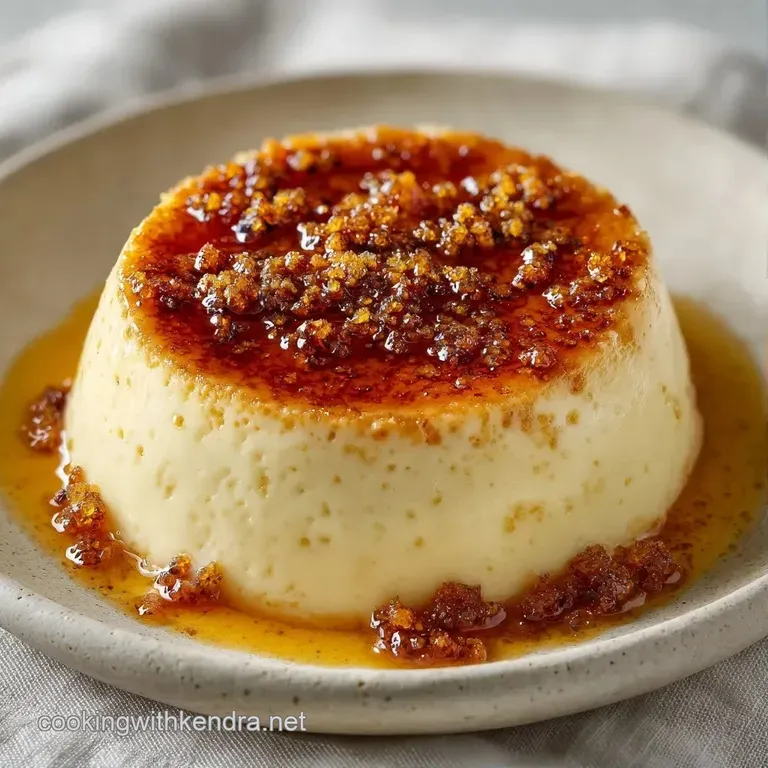
- Torch the top. Sprinkle 1 tablespoon of superfine sugar evenly over each chilled custard. Caramelize with a torch until a hard, golden brown shell forms.
Fixing Common Custard Issues
Custards can be finicky. The most common issue is "over baking," where the eggs cook too much and the texture becomes rubbery. If you see bubbles forming on the surface of the custard during baking, take them out immediately. They are already overdone.
Another common headache is the "weeping" custard, where a layer of water forms on top. This usually happens if the oven is too hot or the water bath wasn't used. For a more stable dessert, you might enjoy the structure of an Italian Creme Cake, which handles moisture differently.
Troubleshooting Common Issues
| Issue | Solution |
|---|---|
| Why Your Custard is Grainy | This usually happens if the eggs weren't tempered properly or the heat was too high, causing the eggs to scramble. Use a strainer to fix it before baking. |
| Why the Sugar Crust is Soggy | If you torch the sugar and then let it sit in the fridge for too long, the moisture from the custard will dissolve the sugar. Torch them right before serving. |
| Why the Center is Liquid | You likely pulled them out too early. While a "wobble" is good, a "slosh" means it needs another 5 minutes in the oven. |
Common Mistakes Checklist:
- ✓ Did you toast the rice until it actually smelled nutty?
- ✓ Is the oven exactly 325°F (160°C)?
- ✓ Did the water reach halfway up the sides of the ramekins?
- ✓ Did you chill the custards for at least 4 hours?
- ✓ Is the sugar layer thin and even (not a thick pile)?
Creative Twists and Swaps
If you want to push this Horchata Crème Brûlée further, try adding a pinch of nutmeg to the egg yolks. It adds a subtle warmth that complements the cinnamon without stealing the show.
For a more "tropical" vibe, you can replace a tablespoon of the sugar with a bit of condensed milk, which is common in some regional horchata versions.
If you're making this for a party, you can scale the recipe. When doubling the batch, I recommend lowering the oven temp by 25°F and adding about 10 minutes to the bake time. This ensures the larger volume of custards cooks evenly without the edges getting tough.
For those who love a little extra texture, you can add a tiny pinch of salt to the superfine sugar on top. A "salted caramel" horchata crust is a total winner. If you find yourself craving more creamy, sweet treats, you might also love a Homemade Marshmallow Creme to serve on the side.
Decision Shortcut:
- If you want more "punch": Add an extra cinnamon stick during the steep.
- If you want a richer mouthfeel: Use 6 egg yolks instead of 5.
- If you have no torch: Put the sugar topped ramekins under the broiler for 1-2 minutes (watch closely!).
Preservation Secrets
These custards stay fresh in the fridge for about 3 days. Keep them tightly covered with plastic wrap, but wait until you're ready to eat them before adding the sugar and torching. Once you burn the sugar, the clock starts ticking; the crust will start to soften within a few hours.
You can't really freeze a Crème Brûlée. The water in the custard will form ice crystals, and once thawed, the texture becomes grainy and separated. It's just not worth the risk. Stick to the fridge.
For zero waste, don't throw away the cinnamon sticks or the toasted rice residue from the strainer. I usually toss the cinnamon sticks into a pot of simmering cider or use the leftover rice "sludge" as a thickener for a cinnamon spiced rice pudding. It's a waste of flavor to just bin it.
Best Serving Suggestions
Because the Horchata Crème Brûlée is so rich, you need something to cut through the fat. A few fresh raspberries or a slice of tart green apple on the side provide a brightness that resets your palate between bites.
I also love serving this with a small glass of cold, unsweetened coffee. The bitterness of the coffee and the burnt sugar of the dessert create a perfect harmony. If you're feeling fancy, a sprig of mint adds a pop of color and a fresh aroma.
Right then, you've got everything you need. Just remember: toast that rice, don't rush the chill, and be brave with the torch. This dessert is all about the contrast, so make sure that sugar crust is hard enough to shatter when you hit it with a spoon. Enjoy!
Recipe FAQs
Is it true I need to soak the rice before starting this recipe?
No, this is a common misconception. This specific recipe toasts the rice over medium heat to create a nuttier, more complex flavor than soaking provides.
How do I prevent the custard from becoming grainy?
Slowly drizzle the warm horchata cream into the egg mixture while whisking constantly. This tempering process prevents the eggs from scrambling. If you enjoyed mastering this temperature control here, see how the same precision applies to our horchata mousse.
How long should I bake the custards?
Bake at 325°F (160°C) for 35-40 minutes. Remove them from the oven once the edges are set but the center still maintains a slight wobble.
Can I make these desserts ahead of time?
Yes, they are best made in advance. You must refrigerate the custards for at least 4 hours or overnight to ensure they set fully before adding the sugar crust.
How do I get a hard sugar crust?
Sprinkle superfine sugar evenly over the chilled custard and caramelize with a kitchen torch. Torch the sugar immediately before serving so the moisture from the custard doesn't dissolve the shell.
What does horchata crème brûlée taste like?
It tastes like a creamy cinnamon-rice custard with a crisp, burnt sugar topping. The process of toasting the rice adds a distinct nutty depth that balances the sweetness of the cream.
Why is the center of my crème brûlée still liquid?
The custards were likely removed from the oven too early. While a wobble is correct, a liquid slosh indicates they need another 5 minutes of bake time.
Creamy Horchata Crème Brûlée for 4