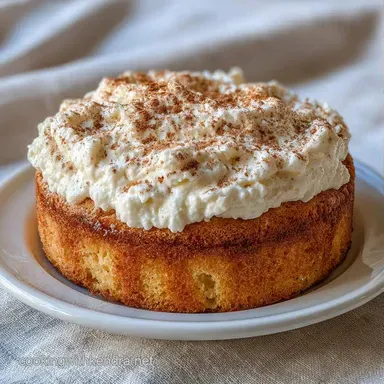
Horchata Tres Leches Cake: Velvety and Spiced
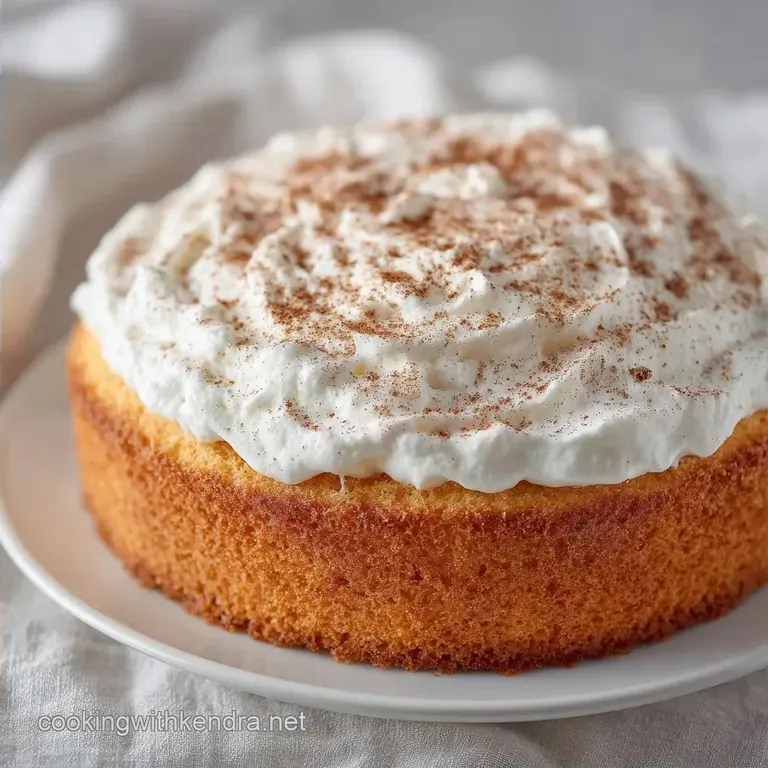
- Time: 20 min active + 4 hours chilling
- Flavor/Texture Hook: Velvety, cloud like sponge with a cinnamon spiced saturation
- Perfect for: Family celebrations, potlucks, or a high effort weekend treat
- Horchata Tres Leches Cake
- The Logic Behind the Soak
- Component Analysis
- Pantry Needs and Swaps
- Kitchen Tools Required
- Step-by-Step Baking Process
- Fixing Cake Mishaps
- Troubleshooting Common Issues
- Adjusting the Batch Size
- Dessert Common Misconceptions
- Freshness and Waste Tips
- Plate and Pair Ideas
- Recipe FAQs
- 📝 Recipe Card
The smell of cinnamon hitting a hot oven always takes me back to my aunt's kitchen. I remember watching her whisk eggs for what felt like an hour, just to get that specific, pale thickness that makes the cake rise without needing a ton of leavening.
It's that contrast that gets me - the way a light, airy sponge can hold a massive amount of liquid without turning into a puddle.
I used to think any cake would work for this, but that's a mistake. If you use a dense butter cake, the milk just sits on top. You need that specific structural tension. This Horchata Tres Leches Cake uses a modified sponge that creates tiny air pockets, allowing the cinnamon infused milk to seep into every single millimeter of the crumb.
You can expect a dessert that feels incredibly rich but doesn't weigh you down. It's cool, creamy, and has that distinct, woody warmth from the cinnamon. We're aiming for a texture that's halfway between a cake and a custard, topped with a whipped cream that feels like a soft pillow.
Horchata Tres Leches Cake
Flavor Map
- Creamy: Condensed milk and heavy cream.
- Warm: Cinnamon and vanilla.
- Bright: Rice based horchata notes.
- Sweet: Powdered sugar and granulated sugar.
The Logic Behind the Soak
Making this dish is all about managing moisture and air. If you get the balance wrong, you end up with a soup; get it right, and you have a velvety masterpiece.
- The Ribbon Stage: Beating eggs and sugar until thick creates a structural web of air. These bubbles act as the "rooms" that will later hold the milk soak.
- Osmosis Balance: The high sugar content in the condensed milk draws the liquid into the center of the cake, ensuring the middle isn't dry while the edges aren't mushy.
- Fat Saturation: Using three different types of milk (condensed, evaporated, and cream) creates a variety of fat molecules that coat the flour proteins, keeping the cake tender even after it's saturated.
- Temperature Control: Chilling the cake for 4 hours allows the starches to set around the liquid, locking in the moisture.
| Method | Prep Time | Texture | Best For |
|---|---|---|---|
| Fast (store-bought sponge) | 10 mins | Denser, more uniform | Quick cravings |
| Classic (Homemade sponge) | 20 mins | Airy, highly absorbent | Special occasions |
Component Analysis
The success of this recipe depends on how these specific ingredients interact. It's not just about flavor, but about the physical structure of the bake.
| Ingredient | Science Role | Pro Secret |
|---|---|---|
| Large Eggs | Structural lift | Room temperature eggs whip 20% more volume |
| All Purpose Flour | Protein frame | Sift twice to avoid clumps in the airy batter |
| Condensed Milk | Sweetness & Viscosity | Cold milk blends more evenly into the soak |
| Horchata | Flavor & Thinning | Use a homemade version for a bolder rice taste |
Pantry Needs and Swaps
For the best results, get your ingredients to room temperature before you start. This helps the emulsion stay stable.
For the Sponge Cake
- 1.5 cups all purpose flour Why this? Balanced protein for structure and soak (Substitute: Cake flour for a finer crumb)
- 1 cup granulated sugar Why this? Stabilizes egg whites during whipping (Substitute: Caster sugar for faster dissolving)
- 1 tbsp baking powder Why this? Provides the initial vertical lift (Substitute: 1 tsp baking soda + 1 tsp cream of tartar)
- 0.5 tsp salt Why this? Cuts through the heavy sweetness (Substitute: Fine sea salt)
- 5 large eggs Why this? The primary leavening agent (Substitute: 4 eggs + 2 egg whites for extra lift)
- 1 tsp vanilla extract Why this? Adds a base floral note (Substitute: Almond extract for a nuttier vibe)
- 0.33 cup whole milk Why this? Hydrates the flour (Substitute: Buttermilk for a slight tang)
For the Horchata Milk Soak
- 14 oz sweetened condensed milk Why this? Creates the signature creamy thickness (Substitute: Evaporated milk + extra sugar)
- 12 oz evaporated milk Why this? Concentrated creaminess without the sugar (Substitute: Whole milk, but the cake will be thinner)
- 1 cup heavy cream Why this? Adds a luxurious mouthfeel (Substitute: Full fat coconut milk for a tropical twist)
- 0.75 cup prepared horchata Why this? The core cinnamon rice flavor (Substitute: Almond milk + pinch of cinnamon)
- 1 tsp ground cinnamon Why this? Warm, aromatic spice (Substitute: Mexican cinnamon (canela) for a more authentic, vibrant flavor)
- 1 tsp vanilla extract Why this? Ties the milk flavors together (Substitute: Vanilla bean paste)
For the Whipped Topping
- 2 cups heavy whipping cream Why this? Creates a stable, fluffy peak (Substitute: Mascarpone mixed with cream for more stability)
- 0.33 cup powdered sugar Why this? Dissolves instantly into the cream (Substitute: Granulated sugar, but it may be grainy)
- 1 tsp vanilla extract Why this? Echoes the cake's flavor (Substitute: Maple syrup)
Kitchen Tools Required
You don't need a professional kitchen, but a few specific tools make this much easier.
- Electric Hand Mixer or Stand Mixer: Essential for hitting the ribbon stage. A whisk by hand will take your whole afternoon.
- 9x13-inch Baking Pan: The standard size for this recipe.
- Sifter: To keep the flour light.
- Rubber Spatula: For folding. Do not use a whisk for the flour stage or you'll knock out all that air.
- Fork: To poke the holes for the soak.
Step-by-step Baking Process
Right then, let's get into it. Pay close attention to the visual cues, as oven times can vary.
Phase 1: Baking the Foundation
- Preheat your oven to 350°F (175°C). Grease a 9x13-inch pan with nonstick spray.
- Beat the 5 eggs and 1 cup granulated sugar on high speed. Keep going until the mixture is pale, thick, and reaches the ribbon stage (where the batter falling from the whisk stays on the surface for a few seconds).
- Sift 1.5 cups flour, 1 tbsp baking powder, and 0.5 tsp salt together. Gently fold this into the egg mixture using a spatula. Note: Do not stir vigorously or the cake will be flat.
- Stir in 0.33 cup milk and 1 tsp vanilla extract until just combined.
- Pour the batter into the pan. Bake for 25-30 minutes until a toothpick comes out clean and the top springs back when touched. Cool the cake completely in the pan.
Phase 2: Infusing the Horchata Soak
- Whisk 14 oz sweetened condensed milk, 12 oz evaporated milk, 1 cup heavy cream, and 0.75 cup prepared horchata in a bowl.
- Stir in 1 tsp ground cinnamon and 1 tsp vanilla extract until the mixture is uniform and silky.
Phase 3: The Saturation Process
- Use a fork to poke holes across the entire surface of the cooled cake. Poke deep, but don't shred the cake.
- Slowly pour the horchata mixture over the cake. Make sure to cover the corners and edges, as these tend to stay dry.
- Cover with plastic wrap and refrigerate for at least 4 hours. This is non negotiable; the cake needs time to absorb the liquid.
Phase 4: The Final Flourish
- Beat 2 cups cold heavy cream, 0.33 cup powdered sugar, and 1 tsp vanilla until stiff peaks form.
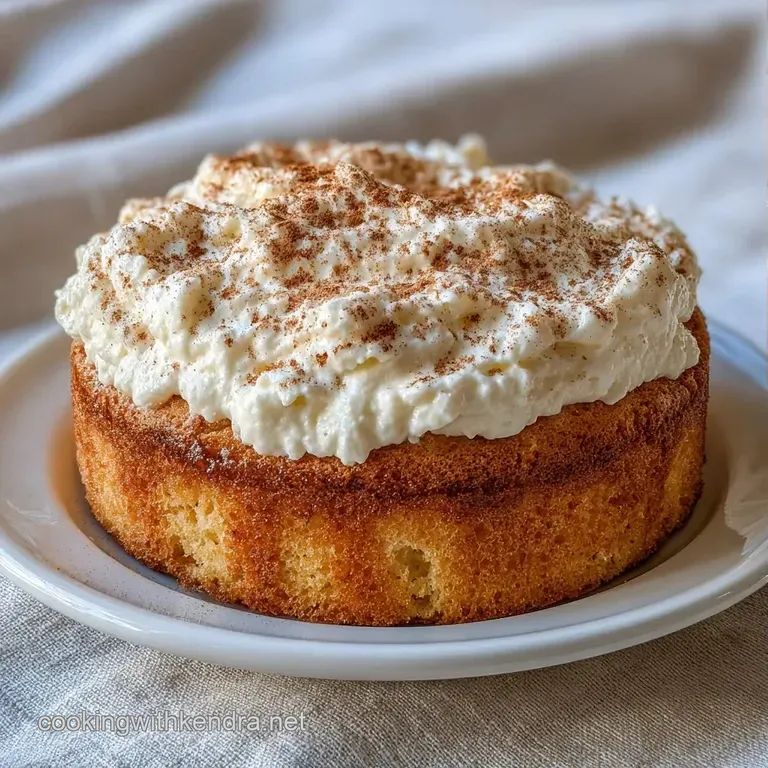
- Spread the whipped cream evenly over the chilled cake and dust the top with a final pinch of ground cinnamon.
Fixing Cake Mishaps
Most issues with this recipe happen during the soaking or whipping stages. If things look off, don't panic.
Troubleshooting Common Issues
| Issue | Solution |
|---|---|
| Cake too soggy or "mushy" | This usually happens if the cake was poked too aggressively or the soak was poured on while the cake was still warm. |
| Why didn't my cake rise | The most common cause is over mixing the flour or using expired baking powder. If you stir the batter too much, you pop the air bubbles created by the eggs. |
| Why did my whipped cream deflate | This is almost always a temperature issue. If the heavy cream isn't ice cold, the fat globules won't trap air effectively. |
Common Mistakes Checklist
- ✓ Eggs are at room temperature before whipping.
- ✓ Flour was folded in, not beaten.
- ✓ Cake was completely cool before soaking.
- ✓ Heavy cream for the topping was kept in the fridge until the last second.
- ✓ Cake chilled for at least 4 hours.
Adjusting the Batch Size
If you're feeding a smaller crowd or a massive party, you can tweak the numbers. Just remember that baking times change.
Scaling Down (Half Batch) Use an 8x8-inch pan. You can't easily halve 5 eggs, so beat 3 eggs in a bowl and use half of the weight. Reduce the baking time by about 20%.
Scaling Up (Double Batch) If you're making two cakes, don't just double the spices; go to 1.5x the cinnamon and salt to avoid an overpowering taste. For the baking, I recommend lowering the oven temp to 325°F and extending the time by 5-10 minutes to ensure the centers bake through without burning the edges.
| Scaling Factor | Pan Size | Temp Adjustment | Time Adjustment |
|---|---|---|---|
| 0.5x | 8x8-inch | No change | -20% time |
| 2x | Two 9x13s | -25°F | +10 mins |
Dessert Common Misconceptions
There are a few myths about this style of cake that I've seen floating around. Let's clear them up.
"You can use any sponge cake." Not true. A standard butter cake or oil cake is too dense. The fats in those cakes coat the flour in a way that repels the milk soak. You need a foam based cake (like this one) to act as a sponge.
"The more milk you add, the better it is." Actually, there's a limit. If you exceed the recommended amount of soak, the cake loses its structure and becomes a pudding. The goal is a moist cake, not a bowl of dessert soup.
"store-bought whipped cream is a fine substitute." Honestly, don't even bother. Canned cream lacks the stability to sit on a moist cake. It will melt into a puddle within minutes. Freshly whipped cream is a must for that velvety finish.
Freshness and Waste Tips
This cake actually tastes better on day two once the flavors have fully melded.
Storage Guidelines Keep the cake in an airtight container in the fridge for up to 5 days. Because of the high dairy content, never leave it on the counter for more than 2 hours. It does not freeze well once soaked, but you can freeze the un soaked sponge for up to 2 months.
To reheat a slice, let it come to room temperature in the fridge; don't microwave it, or the cream will melt.
Zero Waste Tips If you have leftover horchata soak, don't toss it. It makes a great base for a creamy coffee or a chilled drink. If you have extra whipped cream, use it to top some fresh berries.
For the egg whites (if you're adjusting the recipe), you can whip them into a meringue or save them for a healthy omelet the next morning.
Plate and Pair Ideas
Because the Horchata Tres Leches Cake is so rich, you need something to cut through that sweetness.
I love serving this with a side of fresh raspberries or sliced mango. The acidity of the fruit balances the heavy cream perfectly. If you want to go all out, serve it with a small glass of strong, unsweetened Mexican coffee. The bitterness of the coffee makes the cinnamon in the cake pop.
For those who love this kind of vibe but want something different, you might enjoy a White Chocolate Homemade Cake if you're in the mood for something more traditional. If you want a truly professional look, you can use some of my Mascarpone cream techniques to create a more stable, sculpted topping.
As a final touch, don't forget the drink pairing. According to the traditions shared by Aaron Sanchez, horchata is beloved across Mexico and Spain for its refreshing quality, which is exactly why it works so well in this cake. Just a sprinkle of cinnamon on top, a cold slice, and you've got a dessert that feels like a hug in a pan.
Recipe FAQs
How long do tres leches need to soak before serving?
Refrigerate for at least 4 hours. This allows the cake to fully absorb the horchata milk mixture without becoming overly saturated or pooling at the bottom.
Why didn't my cake rise?
You likely over-mixed the batter. Stirring the flour too much pops the air bubbles created by the eggs, though expired baking powder can also cause this issue.
Why did my whipped cream deflate?
The heavy cream wasn't cold enough. Fat globules fail to trap air effectively if the cream is not ice cold before beating.
Why is my cake too soggy or mushy?
The cake was poked too aggressively or soaked while still warm. Both errors break the structural integrity of the sponge. If you prefer a denser, fudgier consistency, you might enjoy the texture of our Chocolate Marble Gooey Butter Cake.
How to prepare the cake for the milk soak?
Use a fork to poke holes across the surface of the cooled cake. This creates necessary channels for the horchata mixture to penetrate deep into the sponge.
Is it true I can pour the soak on a warm cake to speed up absorption?
No, this is a common misconception. Pouring the mixture over a warm cake often results in a mushy texture rather than a moist, stable sponge.
How to get the eggs to the ribbon stage?
Beat the eggs and granulated sugar on high speed. Continue until the mixture is pale, thick, and leaves a visible trail when the whisk is lifted.
Horchata Tres Leches Cake for 18 Servings