Irish Nachos: Crispy Potatoes
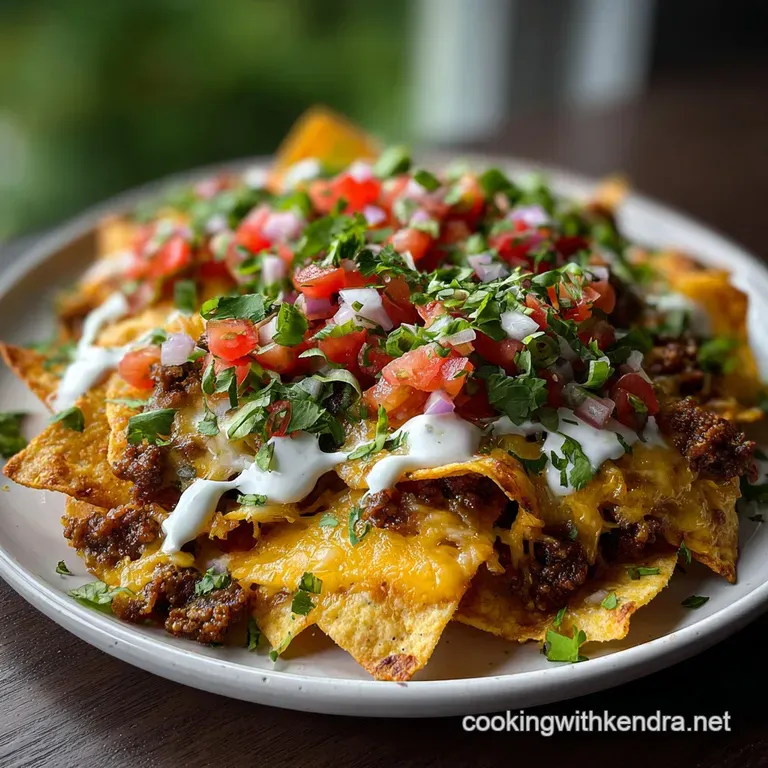
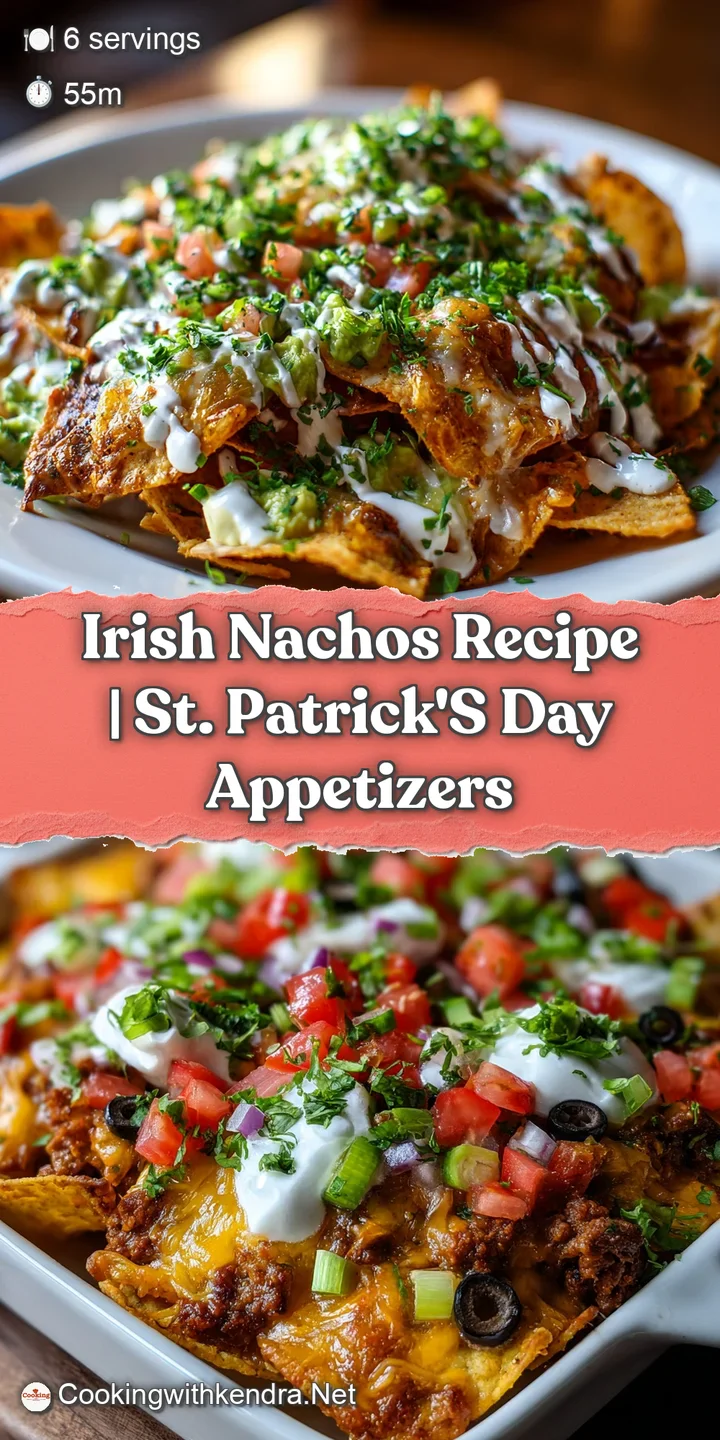
- Time: Active 20 minutes, Passive 35 minutes, Total 55 minutes
- Flavor/Texture Hook: Shatter crisp potato edges paired with silky, malted cheddar sauce
- Perfect for: St. Patrick’s Day gatherings or a cozy, indulgent family movie night
- How to Make the Most Irresistible Irish Nachos
- The Magic Behind Crunch and Melt
- Component Analysis for Better Flavor
- Essential Tools for This Recipe
- Step by Step Assembly Guide
- Solving Common Pub Food Pitfalls
- Flavor Variations and Dietary Adjustments
- Debunking Kitchen Myths
- Keeping Leftovers Fresh and Tasty
- Completing the Meal with Great Sides
- High in Sodium
- Recipe FAQs
- 📝 Recipe Card
How to Make the Most Irresistible Irish Nachos
Picture this: you pull a baking sheet out of the oven and the scent of garlic rubbed potatoes hitting a hot pan fills the kitchen. Those spuds aren't just limp slices; they've spent half an hour getting golden and "shatter"-crisp around the edges.
When you pour that thick, glossy Guinness cheese sauce over them, it doesn't just sit there it clings to every nook and cranny.
I first made these for a neighborhood get together because I had a mountain of leftover corned beef. Honestly, I didn't think they'd disappear faster than the actual dinner, but here we are.
It's the kind of dish that makes everyone hover around the kitchen island with napkins in hand, waiting for the first fry to be grabbed. We’re moving away from the thin, greasy chips of the past and embracing something much more substantial.
You're going to love how the sharp Irish cheddar plays against the deep, slightly bitter notes of the stout. This isn't just a snack; it's a full on comfort experience that feels a bit like a hug from a Dublin pub. We've got the crunch, the salt, and that creamy tang from the sour cream to finish it off.
Let’s get into the details so you can nail this on the first try.
The Magic Behind Crunch and Melt
Understanding how these flavors interact makes a huge difference when you're standing at the stove. It isn't just about throwing cheese on potatoes; it’s about the chemistry of a great snack.
- Starch Gelatinization: Soaking the sliced potatoes in cold water first removes surface starch, allowing the outsides to crisp up rather than gummy up.
- Maillard Reaction: over High heat roasting at 220°C breaks down the proteins and sugars in the potato skins, creating that deep brown color and savory aroma.
- Emulsification Stability: Using a flour and butter roux ensures the Guinness and milk stay bound to the cheese, preventing a greasy, broken sauce.
- Protein Denaturation: The sharp Irish cheddar contains aged proteins that melt smoothly into the sauce without becoming stringy or tough.
| Method | Time | Texture | Best For |
|---|---|---|---|
| oven-roasted | 35 minutes | Crisp edges, fluffy centers | Large crowds and easy cleanup |
| air-fried | 20 minutes | Super crunchy, slightly drier | Small batches and maximum speed |
| pan-fried | 15 minutes | Richer flavor, softer middle | Achieving a traditional "pub" feel |
Before we start slicing, keep in mind that the thickness of your potato rounds is the most important factor for success. If they are too thin, they burn; too thick, and they won't support the weight of the toppings.
Aiming for about 1/4 inch ensures they have the structural integrity to hold a generous scoop of corned beef.
Component Analysis for Better Flavor
Getting the right ingredients makes these Day Irish Nachos go from "okay" to "where has this been all my life?" I always suggest using the best quality cheddar you can find for this specific recipe.
| Ingredient | Science Role | Pro Secret |
|---|---|---|
| Russet Potatoes | High starch content | Russets have the lowest moisture, which is vital for getting that crispy outer shell. |
| Guinness Stout | Flavor depth | The carbonation helps aerate the cheese sauce while the malt adds a coffee like bitterness. |
| Irish Cheddar | Fat and flavor | Aged cheddar has less moisture and a sharper bite that cuts through the richness of the beef. |
For the Foundation
- 3 large Russet potatoes (approx. 900g): Sliced into 1/4 inch rounds. Why this? Russets are starch heavy, meaning they crisp up better than waxy red potatoes.
- Substitute: Yukon Gold potatoes. They are creamier but won't be quite as crunchy.
- 3 tbsp olive oil: To coat the potatoes for roasting.
- Substitute: Melted duck fat or beef tallow for a much more intense, savory flavor.
- 1 tsp garlic powder: For an even savory coating.
- 1 tsp kosher salt: Essential for drawing out moisture.
- 0.5 tsp black pepper: Adds a subtle heat.
For the Guinness Cheese Sauce
- 2 tbsp unsalted butter: The base of our roux.
- 2 tbsp all purpose flour: Thickens the sauce to coat the potatoes.
- Substitute: Cornstarch (use 1 tbsp) if you need a gluten-free thickener.
- 0.5 cup Guinness stout: Provides that iconic Irish flavor profile.
- Substitute: Beef broth if you want to skip the alcohol, though you'll miss the maltiness.
- 0.5 cup whole milk: Softens the intensity of the stout.
- 2 cups sharp Irish cheddar: Freshly shredded is non negotiable here. Why this? Pre shredded cheese has cellulose that prevents a smooth melt.
- 1 tsp Dijon mustard: Adds a necessary acidic tang to balance the fat.
For the Toppings
- 1.5 cups cooked corned beef: Shredded or diced. Why this? It provides a salty, cured punch that defines this as an Irish inspired dish.
- Substitute: Crispy bacon bits or even ground lamb for a shepherd's pie twist.
- 0.25 cup pickled jalapeños: For a bit of vinegar and heat.
- 3 stalks scallions: Thinly sliced for a fresh, oniony crunch.
- 0.5 cup sour cream: To cool everything down.
Essential Tools for This Recipe
You don't need a professional kitchen, but a few specific items will make your life much easier. I usually grab my heaviest baking sheets to prevent warping in the high heat of the oven.
- Mandoline Slicer: This is the best way to get perfectly even 1/4 inch slices. If you don't have one, just take your time with a very sharp chef's knife.
- Large Baking Sheet: You want enough room so the potatoes aren't overlapping too much, otherwise they'll steam instead of roast.
- Medium Saucepan: For whisking together that velvety cheese sauce.
- Whisk: Essential for getting the lumps out of your flour and butter mixture.
- Large Mixing Bowl: To toss the potatoes with oil and spices thoroughly.
Chef Tip: Place your cheese in the freezer for 10 minutes before grating. It makes even the softest cheddar much easier to shred without it clumping together in the grater.
step-by-step Assembly Guide
Now we’re ready to build our St Patrick Day Irish Nachos. Follow these steps closely to ensure your cheese sauce is silky and your potatoes are perfectly roasted.
- Prep the potatoes. Scrub your 900g of Russet potatoes and slice them into 1/4 inch rounds. Soak them in a bowl of cold water for 10 minutes to remove excess starch.
- Dry and season. Drain the potatoes and pat them completely dry with a clean kitchen towel. This is vital; wet potatoes will not crisp. Toss them in a bowl with 3 tbsp olive oil, 1 tsp garlic powder, 1 tsp salt, and 0.5 tsp pepper.
- Roast the base. Arrange the slices in a single layer on a baking sheet. Roast at 220°C for 20 minutes, then flip and roast for another 15 minutes until the edges are golden brown and crackling.
- Start the roux. While the potatoes roast, melt 2 tbsp butter in a saucepan over medium heat. Whisk in 2 tbsp flour and cook for 1-2 minutes until it smells slightly nutty but hasn't turned dark brown.
- Build the sauce liquid. Slowly pour in 0.5 cup Guinness stout while whisking constantly. Once thickened, whisk in 0.5 cup milk and 1 tsp Dijon mustard.
- Melt the cheese. Remove the pan from the heat and stir in the 2 cups of shredded Irish cheddar in small handfuls until the sauce is velvety and smooth.
- Heat the beef. If your corned beef isn't warm, quickly toss it in a skillet or microwave for 30 seconds so it's ready to go.
- First layer. Once the potatoes are done, pull the tray out. Pile them slightly closer together so the toppings don't just fall onto the pan.
- Sauce and load. Drizzle the warm cheese sauce over the potatoes. Top with 1.5 cups corned beef and 0.25 cup pickled jalapeños.
- Final garnish. Finish with 3 sliced scallions and dollops of 0.5 cup sour cream. Serve immediately while the potatoes are still at their peak crunch.
Solving Common Pub Food Pitfalls

Even simple recipes can have little hiccups. The most common issue with Patrick Day Irish Nachos is the potato texture, but we can fix that easily. If you're looking for more ways to use that leftover beef, you might enjoy my Irish Stew Recipe.
Why Your Potatoes Are Sogy
If your potato rounds come out limp, it's usually because they were crowded on the pan or weren't dried properly. Moisture is the enemy of the crunch.
| Problem | Root Cause | Solution |
|---|---|---|
| Gritty Cheese Sauce | High heat during melting | Add cheese only after removing the liquid from the heat source. |
| Burned Potato Edges | Slices are too thin | Ensure a consistent 1/4 inch thickness; check oven 5 mins early. |
| Bland Flavor | Not enough salt | Season the potatoes twice: once before roasting and a tiny pinch after. |
The key to a successful party platter is timing. If you pour the sauce on too early, the potatoes will lose their "shatter" quality. I always suggest having the sauce ready in the pan, then pouring it over just as people are sitting down to eat.
Common Mistakes Checklist
- ✓ Pat potatoes bone dry after soaking to ensure they roast instead of steam.
- ✓ Shred your own cheese from a block; avoid the pre shredded bags with additives.
- ✓ Don't boil the cheese sauce once the cheddar is added, or it will become grainy.
- ✓ Use a high smoke point oil like olive oil or avocado oil for the high temp roasting.
- ✓ Let the potatoes roast until they look darker than you think that's where the flavor is.
Flavor Variations and Dietary Adjustments
Sometimes you want to switch things up based on what's in the pantry or who's coming over for dinner. This Patrick Day Irish Nachos recipe is surprisingly flexible. If you want a full morning version of this flavor profile, try my Irish Breakfast Shot recipe to start the day.
- Scaling Down (1-2 people)
- Use 1 large potato and halve all sauce ingredients. Use a small toaster oven for the potatoes to save energy.
- Scaling Up (10-12 people)
- Double the recipe, but use two separate baking sheets. Do not try to pile all the potatoes on one tray, or they will stay soft. For the spices, only increase them by 1.5x to avoid over salting.
- Baking for a Crowd
- If you double the batch, rotate the pans halfway through the cooking time to ensure even browning.
- Vegetarian
- Swap corned beef for sautéed mushrooms with a dash of soy sauce for umami.
- Spicy
- Add 0.5 tsp cayenne pepper to the flour when making the cheese sauce.
- Extra Hearty
- Add a layer of black beans or caramelized onions under the cheese.
Debunking Kitchen Myths
There are a few misconceptions floating around about how to handle potatoes and cheese. Let's clear those up so your Day Irish Nachos come out perfectly every single time.
First, many people think you must peel potatoes for them to be "gourmet." In this recipe, the skin actually provides structural integrity and extra crispiness. Leaving the skin on also adds a rustic, pub style look that makes the dish feel authentic.
Second, there's a myth that adding more flour will make a "better" cheese sauce. In reality, too much flour creates a pasty, bland sauce that masks the flavor of the Guinness. Stick to the 1:1 ratio of butter to flour for a light but effective thickening.
Finally, some say you can't reheat nachos. While tortilla nachos do get soggy, these potato based St Patrick Day Irish Nachos actually hold up quite well if you use an oven or air fryer for the second round.
Keeping Leftovers Fresh and Tasty
If you somehow end up with leftovers (a rare occurrence in my house!), you can definitely save them. Just keep the cold toppings like sour cream separate if possible.
- Storage: Keep in an airtight container in the fridge for up to 3 days. I don't recommend freezing these, as the potatoes will become mealy and the cheese sauce will separate.
- Reheating: The best way to revive the crunch is in the air fryer at 180°C for 5 minutes. If using an oven, 200°C for 8-10 minutes works well. Avoid the microwave, as it will turn your potatoes into sad, soggy discs.
- Zero Waste: If you have leftover cheese sauce, it makes an incredible dip for pretzels or a topping for steamed broccoli the next day. Any leftover corned beef can be tossed into a pan with eggs for a quick hash.
Completing the Meal with Great Sides
While this dish is a powerhouse on its own, it plays very well with others. If you're hosting a full themed dinner, these Easy St Patrick Day Irish Nachos are the perfect "opener" before a main course.
I love serving these alongside a crisp green salad with a vinegary dressing to cut through the richness of the cheese and beef. A side of pickled cabbage or extra jalapeños on the table allows guests to customize their heat levels. If you are going for the full experience, consider making My Family's Favourite recipe for the morning after your celebration.
The contrast of the cold sour cream and scallions against the hot, salty potatoes is what makes this dish a winner. Whether you're celebrating the holiday or just need a solid "Day Irish Nachos" fix on a Tuesday, this method won't let you down.
Just remember to keep those potato slices even, and don't skimp on the Guinness in the sauce!
High in Sodium
1020 mg mg of sodium per serving (44% % of daily value)
The American Heart Association recommends limiting sodium intake to about 2,300mg per day for optimal health.
Tips to Reduce Sodium in Your Corned Beef and Potato Gratin
-
Lower Sodium Corned Beef-25%
Corned beef is a major sodium contributor. Reduce the amount used by 25-50% or substitute with a lower sodium roast beef or shredded chicken. This will significantly decrease the sodium content.
-
Low-Sodium Cheese-15%
Replace the sharp Irish cheddar with a lower sodium cheese option, like Swiss or Monterey Jack. Use less cheese overall or combine with low-fat mozzarella for a richer texture.
-
Reduce Added Salt-10%
The recipe calls for 1 tsp of kosher salt. Reduce this amount by half or eliminate it entirely, tasting as you go. The other ingredients contribute sodium, so you might not miss it.
-
Fresh Jalapeños-10%
Pickled jalapeños are high in sodium. Substitute fresh jalapeños or other fresh peppers for a similar flavor without the added sodium. Adjust the quantity to your spice preference.
-
Unsalted Butter-5%
Be sure to use unsalted butter in the cheese sauce. This will help control the overall sodium level of the dish.
-
Herb Power!
Enhance the flavor of the gratin with fresh or dried herbs like thyme, rosemary, or parsley. These herbs add depth and complexity without any sodium.
Recipe FAQs
What do you put on Irish nachos?
A rich Guinness cheese sauce and seasoned corned beef. Typically, Irish nachos feature crispy potato slices topped with a velvety cheese sauce, often made with Guinness stout, and a generous portion of shredded corned beef.
What is a traditional Irish St. Patrick's Day meal?
Corned beef and cabbage is the most common. While other dishes like shepherd's pie or Irish stew are also popular, the iconic pairing of tender corned beef with boiled cabbage is a staple for many St. Patrick's Day celebrations.
What is the most popular St. Patrick's Day food?
Corned beef and cabbage is the definitive answer. This hearty dish has become synonymous with the holiday, especially in North America, representing Irish immigrant traditions.
How do I spice up my Irish nachos?
Add a kick with spicy toppings and a flavorful cheese sauce. Incorporate pickled jalapeños, a pinch of cayenne pepper in your Guinness cheese sauce, or a dash of hot sauce for extra heat. You can also try adding a layer of spicy bacon bits.
Can I use sweet potatoes for Irish nachos?
Yes, but they'll have a different flavor and texture. Sweet potatoes offer a natural sweetness that contrasts nicely with savory toppings, though they tend to be softer and less crispy than Russets.
If you enjoy mastering different potato textures, applying the same roasting principles used here will help achieve great results.
What's the secret to crispy potato slices for Irish nachos?
Thorough drying and high heat are crucial. After soaking and rinsing the potatoes to remove excess starch, pat them completely dry with paper towels. Roasting them in a single layer on a hot baking sheet at a high temperature ensures they crisp up rather than steam.
Can I make the cheese sauce ahead of time?
Yes, but reheat gently to maintain smoothness. You can prepare the Guinness cheese sauce up to a day in advance and store it in the refrigerator. Reheat it slowly over low heat, whisking constantly, or in short bursts in the microwave, adding a splash of milk if it's too thick.
Irish Nachos

Ingredients:
Instructions:
Nutrition Facts:
| Calories | 515 calories |
|---|---|
| Protein | 19g |
| Fat | 33g |
| Carbs | 30g |
| Fiber | 3g |
| Sugar | 4g |
| Sodium | 1020mg |
