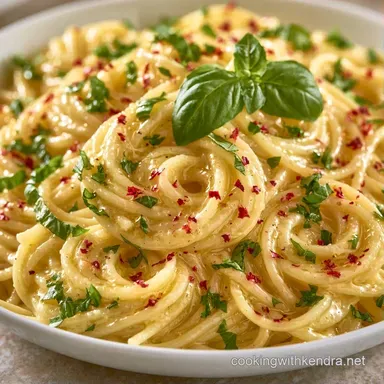
Lemon Garlic Basil Pasta: Silky and Zesty
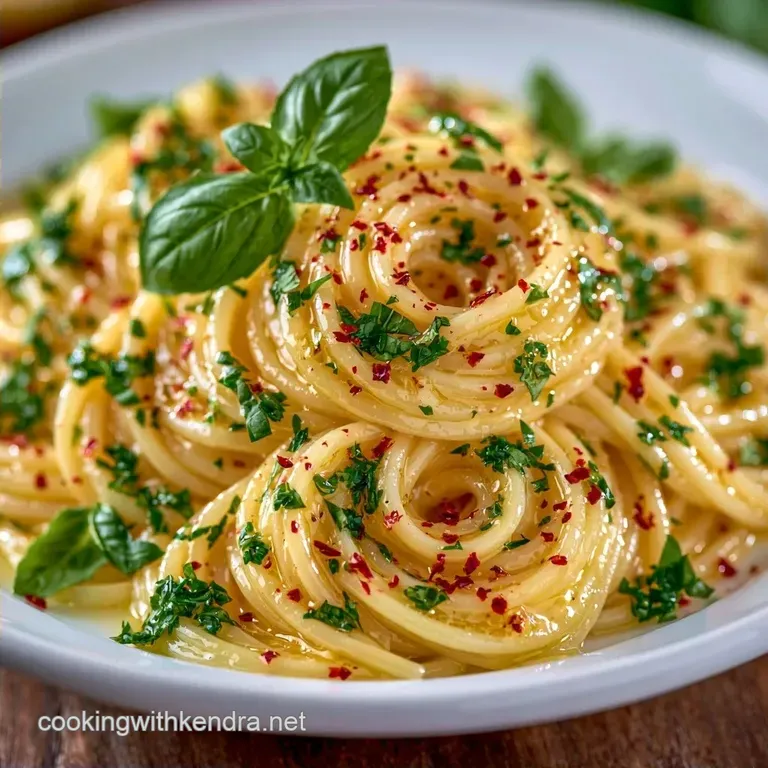
- Time: 10 minutes prep + 10 minutes cooking
- Taste Profile: Tangy, buttery, and fresh
- Ideal for: Hectic weeknight meals
- Lemon Garlic Basil Pasta
- Quick Recipe Specs
- Why the Sauce Clings
- Ingredient Deep Dive
- The Simple Tool Kit
- Getting Your Ingredients
- Putting It All Together
- Why Most Recipes Get This Wrong
- Troubleshooting and Fixes
- Adjusting the Batch
- Saving and Storing
- Trying New Variations
- The Best Pairings
- Recipe FAQs
- 📝 Recipe Card
Lemon Garlic Basil Pasta
Nothing creates a cozy atmosphere quite like the aroma of garlic hitting melted butter. I remember a rainy Tuesday a few years back when I had only twenty minutes to get dinner ready before the children started fussing.
Lacking the time for a slow-simmered sauce, I relied on fresh lemon and a bit of basil from the windowsill.
The result was a meal that felt light but still delivered that comfort food satisfaction. It works well year-round, though it's especially perfect for springtime.
The sauce is glossy and bright. This dish doesn't need heavy cream to feel indulgent, as it finds its richness in the balance of fat and citrus.
Quick Recipe Specs
This recipe serves six people and stays true to a minimal tool approach. We're using one pot for the noodles and one wide skillet for the sauce to keep the cleanup fast.
The total time is 20 minutes, which is basically the time it takes for the water to boil and the pasta to cook. It's designed for a home cook who needs a win on a school night.
Why the Sauce Clings
Many people simply drain their pasta and throw it in a pan, but this often results in a separated, oily sauce. We take a different approach:
- Starchy Water: The cloudy liquid left in the pot provides the starches needed to bind the butter and lemon juice. Per [SeriousEats](https://www.seriouseats.com), this is what creates a stable emulsion.
- Fat Balance: A mix of olive oil and butter prevents the butter from scorching while delivering a richer texture than oil alone.
Ingredient Deep Dive
Before we get to the full list, let's look at how these components interact. The goal is a balance of acidity and salt.
| Ingredient | Role | If You Don't Have It |
|---|---|---|
| Pasta Water | Emulsifier | Use a splash of veg broth |
| Lemon Juice | Acidity | White wine or apple cider vinegar |
| Parmesan | Salt/Thickener | Pecorino Romano or nutritional yeast |
| Fresh Basil | Freshness | Flat leaf parsley |
I've found that using a wide skillet is better than a deep pot for the sauce. It gives the pasta more room to toss, which ensures every strand gets coated without breaking.
The Simple Tool Kit
You can make this with standard home equipment. Just a few basic tools are required.
- Large pot (for boiling pasta)
- Wide skillet or sauté pan
- Microplane or fine grater (for the lemon zest)
- Tongs or a pasta fork
- Colander
Opting for a wide pan is a simple tip that yields better results. In a smaller pan, the pasta crowds together, which prevents the sauce from coating everything evenly.
Getting Your Ingredients
Grab these items before you start the water. Having everything prepped prevents the garlic from burning while you're hunting for the cheese.
- 1 lb (450g) spaghetti or linguine Why this? Long noodles hold the emulsion better
- 1 tbsp (15g) kosher salt
- 4 tbsp (56g) unsalted butter Why this? Adds a rich, creamy base
- 2 tbsp (30ml) extra virgin olive oil
- 4 cloves (20g) garlic, minced
- 1 tsp (2g) red pepper flakes
- 1/2 cup (120ml) reserved pasta water
- 2 medium (60ml) lemons, zested and juiced Why this? Provides the signature zing
- 1/2 cup (50g) freshly grated Parmesan cheese
- 1 cup (20g) fresh basil leaves, chiffonade
- 1/2 tsp (3g) cracked black pepper
If you're missing something, check this list for the best alternatives.
| Original Ingredient | Substitute | Why It Works |
|---|---|---|
| Spaghetti | Fettuccine | Similar starch profile, slightly wider surface |
| Unsalted Butter | Salted Butter | Works fine, just reduce the kosher salt |
| Fresh Basil | Baby Spinach | Adds color and earthiness, though less aromatic |
| Parmesan | Grana Padano | Similar salty, hard cheese profile |
I usually keep a block of Parmesan in the fridge and grate it fresh. Pre shredded cheese has potato starch on it to prevent clumping, which can make the sauce feel grainy instead of smooth.
Putting It All Together
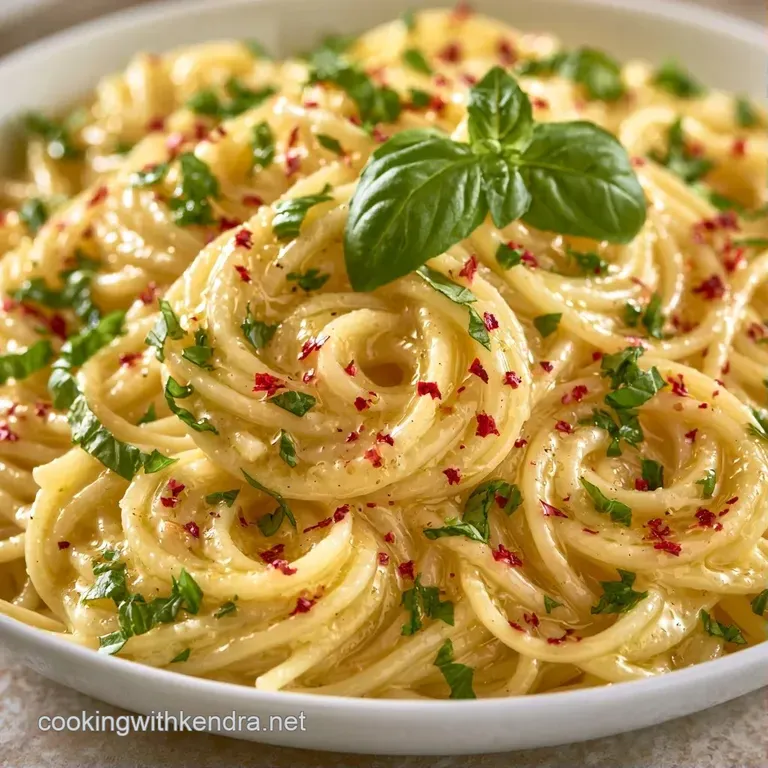
Pay close attention to these steps, particularly the garlic timing. You want it aromatic, not browned.
- Start a rolling boil in a large pot of salted water.
- Cook the pasta until al dente (usually 1-2 minutes less than the box suggests).
- Reserve 1 cup of the starchy pasta water with a liquid measuring cup. Note: Do this before draining the noodles.
- Warm olive oil and butter in a wide skillet over medium heat.
- Sauté the minced garlic and red pepper flakes for 1 minute until fragrant and translucent.
- Whisk in the lemon juice and 1/2 cup of the reserved pasta water.
- Simmer for 2 minutes until the liquid bubbles and thickens slightly.
- Remove the skillet from the heat.
- Toss in the cooked pasta, lemon zest, and Parmesan cheese.
- Stir vigorously until the sauce is velvety and clings to the noodles.
- Fold in the black pepper and fresh basil.
Chef's Tip: For a more intense flavor, grate a bit of lemon zest directly into the butter while the garlic sautés. This releases citrus oils into the fat, which helps carry the flavor further.
Why Most Recipes Get This Wrong
The biggest mistake is treating the sauce as a separate entity from the pasta. If you just pour a sauce over plain noodles, it slides right off.
The real trick is the "vigorous stir" at the end. When you toss the pasta with the cheese and starchy water off the heat, the cheese melts into the emulsion. This creates a silky coating that wraps around each strand of spaghetti.
Also, the heat management is key. If the skillet is too hot when you add the Parmesan, the cheese can separate into oil and clumps. Removing the pan from the burner first keeps everything cohesive.
Troubleshooting and Fixes
Not every dish is foolproof, and often the issue comes down to the liquid ratio.
Sauce is too thin
If the consistency is soup-like, you may have used too much pasta water or didn't stir in enough cheese. Mixing in a small knob of cold butter at the very end can help bind the sauce quickly.
Sauce is too dry
Pasta continues to soak up liquid even after it's served. If it looks dry, stir in one more tablespoon of the reserved pasta water to restore the gloss immediately.
Flavor is too acidic
Lemon intensity can vary. If the citrus is too sharp, a pinch more salt or a bit more butter will help mellow the flavor.
| Problem | Root Cause | Solution |
|---|---|---|
| Oil Puddles | Lacking starch/emulsion | Vigorously stir in more pasta water and cheese |
| Bitter Garlic | Garlic was overcooked or browned | Start over; keep garlic translucent, not brown |
| Muddy Basil | Basil added to boiling sauce | Fold in the basil after removing the pan from heat |
Adjusting the Batch
Adjusting the yield isn't always as straightforward as multiplying every ingredient.
Scaling Down (1/2 Batch): Opt for a smaller pan to prevent the sauce from reducing too quickly. For creamy variations, I suggest beating one egg and using half, but for this version, simply halve the butter and garlic. Reduce the simmer time by roughly 30 seconds.
Scaling Up (2x Batch): Avoid doubling the red pepper flakes unless you want extra heat; 1.5x is usually sufficient. If your pan is small, prepare the meal in stages. Overcrowding the skillet can prevent the sauce from emulsifying, which leads to clumpy cheese.
Saving and Storing
While pasta is best enjoyed immediately, leftovers are still tasty when handled correctly.
Store your extras in an airtight jar in the fridge for no more than 3 days. Since the sauce is butter-based, it will naturally thicken and "tighten up" during storage.
Reheating: To prevent the butter from separating, avoid microwaving on high. Warm it gently on the stovetop over low heat, stirring in a teaspoon of water or a small bit of butter to loosen the sauce.
Zero Waste: Save your lemon peels instead of throwing them away. I steep them in vodka or vinegar to create a quick citrus infusion for cleaning or cocktails. Additionally, any leftover basil stems are great blended into a quick pesto or added to vegetable stock.
Trying New Variations
This recipe is a great base. Once you have the basic Lemon Garlic Basil Pasta down, you can switch things up.
Make it a Creamy Lemon Garlic Basil Pasta: Stir in 1/4 cup of heavy cream or a dollop of mascarpone during the simmer step. This turns it into a richer, more indulgent meal. If you love creamy textures, you might also like my Basil Chicken Cream Sauce.
Upgrade to Lemon Garlic Basil Shrimp Pasta: Sauté 1 lb of peeled shrimp in the butter and oil before adding the garlic. Remove the shrimp, make the sauce, and then fold them back in at the end.
Turn it into Lemon Garlic Basil Chicken Pasta: Use grilled chicken breast strips. This adds protein and makes it a heartier dinner for the family.
Vegan & dairy-free Swap: Replace the butter with a high-quality vegan butter and use nutritional yeast instead of Parmesan. According to USDA FoodData, nutritional yeast provides a similar savory profile to aged cheeses.
The Best Pairings
Since the pasta is so bright and zesty, you want sides that provide a contrast in texture or a grounding earthiness.
The Fresh Pairing: A simple arugula salad with a light balsamic glaze works perfectly. The peppery greens cut through the richness of the butter and Parmesan.
The Hearty Side: Roasted asparagus or sautéed zucchini provide a nice snap. If you're looking for something more substantial, a piece of crusty sourdough bread is a must for mopping up the leftover sauce. For another light Italian style meal, you can't go wrong with an Italian Pasta Salad.
Recipe FAQs
How to prevent the sauce from separating?
Whisk the lemon juice and pasta water over medium heat. This creates a stable emulsion before you toss in the pasta. If you enjoyed mastering this emulsion here, see how the same principle works in our homemade tartar sauce.
Can I substitute linguine for spaghetti?
Yes, linguine works perfectly. Its wider surface area helps the buttery lemon sauce cling to the noodle better.
Is it true that adding cheese too early causes clumping?
That's a myth. The key is removing the skillet from the heat first, which allows the Parmesan to melt into a velvety sauce without seizing.
Why does the recipe require reserved pasta water?
The starchy water binds the oil and butter. It acts as an emulsifier to transform a thin liquid into a glossy, clinging sauce.
Which type of lemon works best?
Stick with medium-sized yellow lemons. They provide the necessary balance of acidity and fragrant zest without being too bitter.
What happens if I skip the red pepper flakes?
The dish becomes milder. You lose the subtle heat, but the bright lemon and garlic flavors still shine.
Could I omit the butter?
Yes, but the sauce will be less rich. Use extra olive oil to compensate for the fat, though you'll lose that characteristic velvety finish.
Lemon Garlic Basil Pasta in 20 Minutes