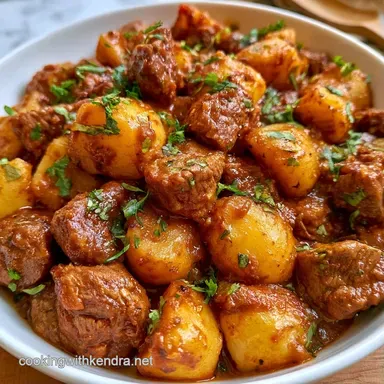
Slow-Cooked Mexican Beef Potato Stew
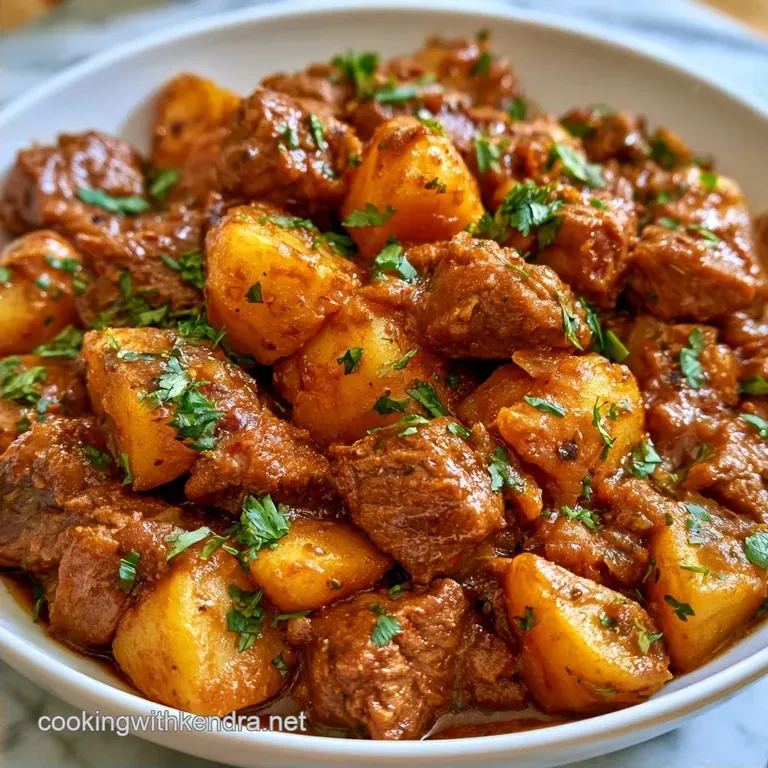
- Time: 15 min active + 120 min simmering
- Flavor/Texture Hook: Melt-in-your-mouth beef and creamy potatoes in a smoky, spiced broth
- Perfect for: Chilly evenings or affordable family meals
Sizzle. That is the sound of beef hitting a searing hot pot. I used to fall into the trap of adding everything at once, which only produced grey, rubbery meat and a broth that tasted like salted water. It’s a common struggle when you're chasing a deep, rustic profile.
This Mexican Beef Potato Stew solves that. By focusing on a hard sear and precise timing for the vegetables, we ensure nothing turns to mush. You get substantial chunks of beef and potato that maintain their texture.
It's a filling, one-pot meal that stays budget friendly while feeling elevated. Trust me, once you see that mahogany crust on the beef, you'll completely ditch the "dump and simmer" method.
Quick Details for the Stew
Total time is approximately 2 hours and 15 minutes. Most of this is passive time while the pot simmers on the stove. With 6 servings, this is an ideal meal prep dish as the flavors actually deepen by the next day.
While you cannot skip the simmering process, you can save time by chopping the vegetables in advance. For those seeking a more hands off method, my Crockpot Beef and Potatoes is a great choice, although the stovetop version allows for more precise control over the sear.
Why This Stew Actually Works
The Brown Bits: Searing the beef creates a layer of caramelized proteins on the bottom of the pot. When we add broth, we scrape those bits back in, which adds a savory depth you can't get from powder or bouillon.
Chuck Beef Choice: We use beef chuck because it has plenty of connective tissue. During the 90 minute simmer, that tissue breaks down into gelatin, which gives the broth a rich, clingy texture.
Potato Timing: Adding the potatoes late in the process ensures they get tender without dissolving. If they go in at the start, they'll vanish into the sauce.
What Each Ingredient Does
| Ingredient | What It Does | Best Swap |
|---|---|---|
| Beef Chuck | Provides richness and tender texture | Stew beef (pre cut) |
| Yukon Gold Potatoes | Holds shape and adds buttery flavor | Red potatoes |
| Tomato Paste | Thickens the base and adds acidity | 1/4 cup tomato sauce |
| Smoked Paprika | Adds a woody, charred flavor profile | Ancho chili powder |
Using fire roasted tomatoes instead of regular diced ones adds a subtle charred taste that mimics a real fire pit stew. It's a small change that makes a big difference in the final profile.
The Shopping List
- 2 lbs beef chuck, cut into 1 inch cubes Why this? The higher fat content keeps the meat from drying out
- 2 tbsp vegetable oil Why this? Its high smoke point is ideal for searing
- 1 tsp kosher salt
- ½ tsp black pepper
- 1 medium yellow onion, diced
- 4 cloves garlic, minced
- 2 tbsp tomato paste Why this? Adds richness and concentrated flavor
- 1 tbsp ground cumin
- 1 tbsp smoked paprika
- 1 tsp dried oregano
- 6 cups low sodium beef broth
- 1 can (14.5 oz) diced fire roasted tomatoes
- 3 large Yukon Gold potatoes, peeled and cubed Why this? A waxy texture ensures they don't get mushy
- 2 medium carrots, sliced into rounds
- 1 cup frozen corn
- 1 can (15 oz) black beans, drained and rinsed
Tools You'll Need
A heavy bottomed Dutch oven is the ideal choice here. It ensures heat is spread evenly and can transition easily from the stovetop to the oven. If you lack one, a deep stockpot will work, but keep a close eye on the tomato paste to prevent it from burning, as thinner pots often have hot spots.
You will also need a silicone spatula or a sturdy wooden spoon. You'll spend some time scraping the flavorful residue from the base of the pan, and using metal could scratch the enamel coating.
How to Make It
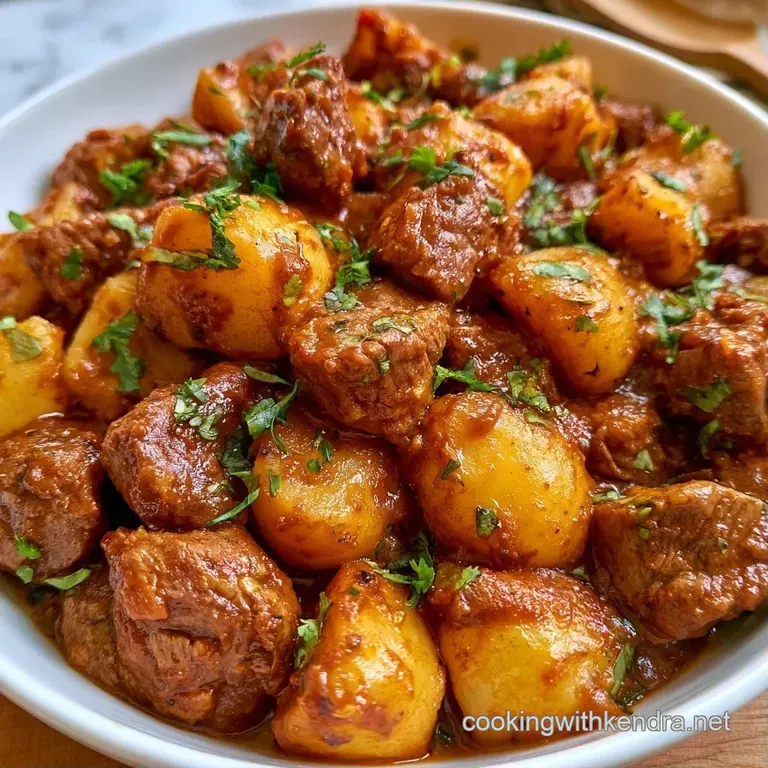
Phase 1: Searing for Depth
- Thoroughly dry the beef cubes using paper towels. Tip: Excess surface moisture prevents proper searing
- Season the beef with 1 tsp salt and ½ tsp pepper.
- Heat oil in the Dutch oven over medium high heat until it shimmers.
- Brown the beef in batches. Cook for 5-7 minutes per batch until a mahogany colored crust forms on all sides; transfer beef to a plate.
Phase 2: Building the Flavor Profile
- Lower the heat to medium and sauté the diced onion in the beef fat until translucent.
- Stir in the minced garlic, tomato paste, cumin, paprika, and oregano.
- Stir constantly for 2 minutes, until the paste darkens and the spices smell toasted.
Phase 3: The Low and Slow Simmer
- Pour in 1 cup of beef broth and scrape the bottom of the pot to release the brown bits.
- Return the seared beef and its juices to the pot.
- Add the rest of the broth and the fire roasted tomatoes.
- Heat until boiling, then lower the temperature to low and cover. Simmer for 90 minutes.
Phase 4: Integrating the Hearty Fillers
- Stir in the cubed potatoes and carrots.
- Simmer, covered, for another 20-30 minutes until the potatoes are fork tender.
- Fold in the black beans and corn. Cook for 5 minutes just to heat them through.
Pro Tips & Pitfalls
Avoiding Tough Meat
If the beef is still chewy after 90 minutes, it just needs more time. Every piece of meat is different. Give it another 20 minutes. Never boil the stew on high heat, as this tightens the muscle fibers and makes the beef rubbery. Keep it at a gentle bubble.
Fixing a Thin Broth
If the liquid feels too watery, take a potato masher or a fork and crush a few of the potato chunks directly in the pot. Stir them back into the liquid. The released starch thickens the Mexican Beef Potato Stew naturally without needing flour or cornstarch.
To Prevent Mushy Potatoes
Always use Yukon Gold or red potatoes. Russets are too starchy and will break apart, turning your stew into a thick mash. If you only have Russets, cut them into larger 2 inch chunks so they last longer in the pot.
Managing the Salt
Since we use beef broth and canned beans, the salt can add up. Always use low sodium broth. This lets you control the seasoning. Taste the stew at the very end before adding any more salt.
Right then, since we're talking about heat and method, it's worth looking at how the pot affects the result. Most people stick to the stove, but some prefer the oven.
| Method | Heat Distribution | Effort Level | Result |
|---|---|---|---|
| Stovetop | Direct, bottom heavy | Medium | Faster, more control |
| Oven | Surrounding, even | Low | More tender, less stirring |
For a quick decision on how to tweak the final taste, try these:
- Extra tang? → stir in 1 tbsp lime juice at the end
- More thickness? → mash 2 potato chunks into the broth
- Bolder spice? → add 1 diced jalapeño with the onions
Mix It Up
If you want a different vibe, try a Mexican ground beef potato stew. Instead of chuck, use ground beef and brown it until crispy. This version cooks much faster since you don't need the 90 minute simmer to break down the meat. It's a great weeknight shortcut for busy families.
For something even more traditional, you can add diced carrots and peas for a "Picadillo" style stew. If you're craving other Mexican flavors, you might enjoy my Pozole Verde recipe which uses hominy and green chiles for a lighter, zesty broth.
You can also make this Mexican Beef Potato Stew with rice by stirring in a cup of cooked jasmine or basmati rice during the last 5 minutes. This turns it into a full meal in one bowl and makes the texture even more filling.
How to Store and Keep Fresh
Store leftovers in an airtight glass dish. They will keep in the refrigerator for about 4 days. The flavors often intensify overnight, making the second day the best.
To freeze, let the stew cool entirely. Keep it in freezer friendly storage for up to 3 months. Thaw the stew in the fridge overnight. Reheat it on the stove at a medium temperature, stirring in a bit of water or broth if the liquid has thickened.
To avoid waste, keep any leftover beef broth or veggie scraps from the carrots and onions. You can freeze these in a bag and simmer them later to make a simple vegetable stock for your next soup.
Perfect Complements
This Mexican Beef Potato Stew is heavy on its own, so pair it with something bright and fresh. A side of pickled red onions or a simple cabbage slaw with lime and cilantro cuts through the richness of the beef.
Warm corn tortillas are a must. Use them to scoop up the potatoes and beef. If you want something more substantial, a scoop of Mexican rice or some sliced avocado on top adds a creamy contrast to the smoky broth.
Finally, a sprinkle of fresh cilantro and a squeeze of lime right before serving wakes up all the earthy spices. It transforms the dish from a simple comfort meal into something that feels fresh and vibrant.
High in Sodium
980 mg 980 mg of sodium per serving (43% 43% of daily value)
The American Heart Association recommends a daily limit of no more than 2,300 mg of sodium, and an ideal limit of 1,500 mg for most adults.
Tips to Reduce Sodium in Your Beef Stew
-
Upgrade the Broth-30%
Replace the low-sodium beef broth with unsalted beef stock or a homemade salt free version to significantly lower the base sodium.
-
Omit Added Salt-25%
Remove the 1 tsp of kosher salt entirely; the broth and canned goods already provide substantial sodium.
-
Switch Your Beans-20%
Swap the standard canned black beans for no-salt added canned beans or use dry beans soaked and cooked from scratch.
-
Low-Sodium Tomatoes-20%
Use no-salt added fire roasted diced tomatoes instead of the standard canned variety to avoid hidden salt.
-
Enhance with Spices
Increase the amounts of smoked paprika, cumin, and oregano to add complexity and depth of flavor without adding any sodium.
Recipe FAQs
What is a Mexican dish with potatoes and beef?
This hearty beef and potato stew is a classic example. It combines tender beef chuck with Yukon Gold potatoes in a smoky broth of cumin and paprika.
How is a Mexican beef stew typically named?
It is often referred to as Carne con Papas. This rustic dish focuses on slow simmering meat and root vegetables for a comforting meal.
Which Mexican stew is most popular?
Pozole is widely considered the most popular, though beef and potato versions are staples for family dinners. This version relies on fire roasted tomatoes and beef broth for a rich base.
Can ground beef be used instead of chuck?
Ground beef can be used, but cubed beef chuck provides a much better texture for stewing. The larger chunks hold up better during the long simmer without breaking apart.
Why is searing the meat necessary?
Searing creates a mahogany crust that adds deep, caramelized flavor to the broth. If you skip this step, the stew will taste thin and the meat will look grey.
How to prevent the potatoes from falling apart?
Add the cubed potatoes only during the last 20 to 30 minutes of cooking. This ensures they are fork tender without turning into mush.
Is it true that you can just dump all ingredients in the pot at once?
No, this is a common misconception. Searing the meat and sautéing the aromatics separately is the only way to build the necessary depth of flavor.
What can I serve with this hearty stew?
Warm tortillas or a simple side of rice work best. If you enjoyed balancing these bold spices, you can use similar flavor profiles in our homemade taco seasoning.
Mexican Beef Potato Stew