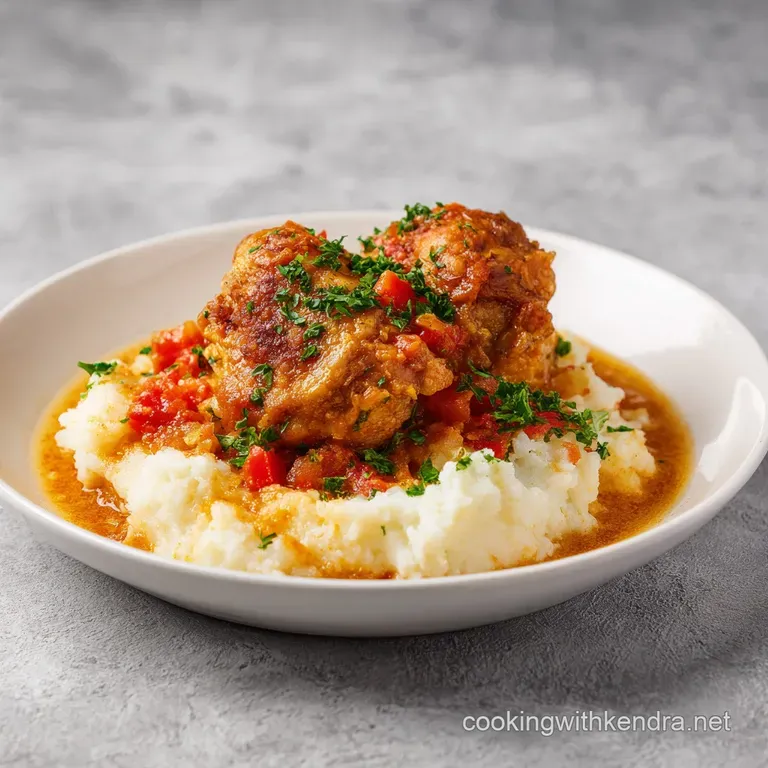
Old Fashioned Southern Smothered Chicken
- Time: Active 15 minutes, Passive 35 minutes, Total 50 minutes
- Flavor/Texture Hook: Velvety cream gravy over shatter crisp seared chicken
- Perfect for: Sunday family dinner or a cozy weeknight comfort meal
- The Secret to Mastering a Silky Southern Gravy
- Authoritative Timing and Nutrition for This Chicken Dish
- Essential Elements for This Southern Smothered Chicken Recipe
- Professional Tools for Achieving a Deep Skillet Sear
- Step By Step Guide for Creating Layered Flavor
- Common Mistakes to Avoid for Succulent Chicken Results
- Smart Ingredient Alternatives for a Custom Family Dinner
- Correct Storage Methods to Maintain This Creamy Texture
- Visual Cues for a Beautifully Plated Southern Dinner
- Very High in Sodium
- Recipe FAQs
- 📝 Recipe Card
The Secret to Mastering a Silky Southern Gravy
The first sound you hear when the chicken thighs hit the hot oil is a sharp, rhythmic sizzle that tells you the skin is beginning to render. I remember standing in my aunt's kitchen, watching her old cast iron skillet dance with heat.
She never used a thermometer; she just waited until the aroma of smoked paprika and toasted flour filled the room. This dish isn't just about cooking meat; it is about the patience required to let onions melt into a pan and the steady whisking of a roux until it reaches the color of a weathered penny.
We are focusing on the flour today because it is the unsung hero of the southern smothered chicken recipe. Most people think of flour as just a coating, but in this kitchen, it is the bridge between a simple seared bird and a rich, gravy soaked masterpiece.
When you dredge the chicken, you aren't just adding texture; you're seasoning the fat that will eventually become the base of your sauce. It is a cycle of flavor that starts the moment the bird touches the pan.
This recipe is built on the concept of "smothering," a technique that bridges the gap between frying and braising. We want that initial sear to give us a golden crust that can withstand a bath in creamy stock. It is a delicate balance. If you rush the sear, the skin becomes flabby.
If you rush the gravy, it tastes like raw flour. But if you follow these steps, you will end up with a plate of food that feels like a warm hug on a rainy Tuesday.
Authoritative Timing and Nutrition for This Chicken Dish
When we talk about traditional comfort food, understanding the investment of time helps us plan our evening. We aren't just throwing things in a pot; we are managing heat levels and monitoring the internal temperature of the protein.
Because we use bone in thighs, we need that full simmer time to ensure the meat pulls away from the bone with just a gentle nudge of the fork.
Internal Temperature: 165°F. Achieving this specific number ensures the chicken is safe to eat while remaining exceptionally moist. Since we are simmering in liquid, the risk of drying out is lower than with roasting, but we still aim for that sweet spot.
| Chicken Thickness | Internal Temp | Rest Time | Visual Cue |
|---|---|---|---|
| 1 inch (standard) | 165°F | 5 minutes | Juices run clear |
| 1.5 inch (thick) | 165°F | 7 minutes | No pink at bone |
| 0.75 inch (thin) | 165°F | 3 minutes | Firm to touch |
Taking the time to let the meat rest after the final simmer is a step many home cooks ignore. Those few minutes allow the fibers to relax and reabsorb the velvety gravy we worked so hard to create. If you cut into the chicken the second it leaves the skillet, you lose the moisture that makes this dish special.
Essential Elements for This Southern Smothered Chicken Recipe
Building this dish requires a focus on the quality of your aromatics and the fat content of your liquids. We use yellow onions specifically because they have a higher sugar content than white onions, which allows them to caramelize beautifully against the salty chicken stock.
The green bell pepper adds a subtle earthy note that cuts through the richness of the heavy cream.
Starch Gelatinization: Flour particles swell and burst when heated in liquid, creating a thick, stable structure for the gravy. This process prevents the sauce from breaking or becoming greasy as it sits.
Flour dredging benefits
Dredging the chicken in seasoned flour creates a sacrificial layer that browns beautifully while protecting the meat. This flour then falls off slightly into the oil, providing the toasted bits that start our roux.
Bone in chicken advantages
The bone acts as a thermal conductor, cooking the meat from the inside out while releasing collagen into the sauce. This adds a lip smacking richness that boneless cuts simply cannot replicate in forty minutes.
Cast iron skillet benefits
Heavy cast iron provides even heat distribution, which is vital for that mahogany sear. It holds onto the heat when the cold chicken is added, preventing the temperature from dropping and steaming the meat.
| Ingredient | Science Role | Pro Secret |
|---|---|---|
| All purpose Flour | Thickening Agent | Toast the flour until it smells nutty to remove the "raw" grain flavor. |
| Chicken Thighs | Protein & Fat | Keep the skin on to render fat directly into the skillet for the roux. |
| Heavy Cream | Emulsifier | Add at the very end to prevent curdling while providing a silky mouthfeel. |
The choice of low sodium chicken stock is intentional here. Since we are reducing the liquid and adding seasoned flour, using full sodium stock can often lead to a dish that is far too salty by the time it hits the table.
Professional Tools for Achieving a Deep Skillet Sear
You don't need a kitchen full of gadgets, but a few specific pieces of equipment make this southern smothered chicken recipe much easier to manage. A 12 inch cast iron skillet is the gold standard because it allows you to sear all the chicken at once without overcrowding.
If the pan is too small, the chicken will release moisture and steam rather than sear, leaving you with grey, rubbery skin.
We also need a sturdy whisk. When you add the stock to the flour and vegetable mixture, you'll need to work quickly to break up any lumps. A silicone coated whisk is great if you're using a non stick pan, but for cast iron, a classic stainless steel balloon whisk is my go to.
It helps scrape up the "fond" those dark, flavorful bits stuck to the bottom of the pan which is where the real magic lives.
Chef's Tip: If you don't have a splatter guard, use a slightly offset lid during the searing process. It keeps your stovetop clean while allowing steam to escape, ensuring the skin stays crisp.
step-by-step Guide for Creating Layered Flavor
Ingredients for chicken
- 3 lbs bone in, skin on chicken thighs Why this? Superior flavor and moisture compared to breasts.
- 1 cup all purpose flour Why this? Creates the foundation for the thick gravy.
- 2 tsp smoked paprika Why this? Adds color and a subtle wood fired aroma.
- 1 tsp garlic powder
- 1 tsp onion powder
- 1/2 tsp cayenne pepper Why this? Provides a gentle back of-the throat heat.
- 1.5 tsp kosher salt
- 1 tsp cracked black pepper
Gravy component breakdown
- 3 tbsp vegetable oil
- 1 large yellow onion, thinly sliced Why this? High sugar content for better caramelization.
- 1 green bell pepper, diced
- 2 cloves garlic, minced
- 3 tbsp butter Why this? Adds a rich, dairy depth to the roux.
- 3 cups low sodium chicken stock
- 0.5 cup heavy cream Why this? Creates a velvety, luxurious sauce texture.
- 1 tbsp fresh parsley for garnish
- Dry the chicken thighs with paper towels. Whisk the flour, paprika, garlic powder, onion powder, cayenne, salt, and pepper in a shallow bowl. Note: Moisture on the skin prevents a good sear.
- Coat each chicken thigh in the flour mixture. Shake off the excess and keep the leftover flour for later.
- Heat oil in a 12 inch skillet over medium high heat. Place chicken skin side down. Cook 5-7 minutes until deep mahogany.
- Flip the chicken and sear for 3 minutes. Move the chicken to a wire rack to keep the skin from getting soggy.
- Remove all but 3 tablespoons of fat from the skillet. Add butter if needed. Sauté onions and peppers until softened.
- Stir in the minced garlic and cook for 60 seconds until fragrant and golden.
- Dust the vegetables with 3 tablespoons of the reserved flour. Whisk for 3 minutes until the flour turns a peanut butter color.
- Slowly whisk in the chicken stock and heavy cream. Bring the mixture to a simmer until the gravy begins to bubble and thicken.
- Place the chicken back into the gravy. Cover and simmer on low for 20-25 minutes until internal temperature hits 165°F.
- Sprinkle with fresh parsley and serve immediately over hot rice or mashed potatoes.
Common Mistakes to Avoid for Succulent Chicken Results
The biggest mistake I see people make with this southern smothered chicken recipe is rushing the roux. If the flour is white when you add the liquid, the gravy will taste like paste. You want that flour to actually cook in the fat. It should smell like toasted bread. Another pitfall is overcrowding the pan.
If the thighs are touching, they will boil in their own juices instead of getting that shatter crisp skin we want.
Solving lumpy gravy
If your gravy looks like a topographical map of the moon, don't panic. This usually happens when the liquid is added too fast. To fix it, you can use an immersion blender directly in the pan before you put the chicken back in.
If you don't have one, just keep whisking vigorously over medium heat; the lumps of flour will eventually hydrate and smooth out as the starch molecules expand.
Fixing thick gravy
Sometimes the flour is a little too enthusiastic and the gravy turns into a thick sludge. This often happens if the simmer was a bit too high or went on too long. Simply whisk in an extra splash of chicken stock or a tablespoon of water at a time until the consistency returns to a velvety pour.
Remember, the gravy will continue to thicken as it cools on the plate.
| Problem | Root Cause | Solution |
|---|---|---|
| Soggy Skin | Chicken was crowded or steamed while simmering. | Sear longer initially and don't submerge the skin fully in gravy. |
| Bland Sauce | Flour wasn't toasted or stock was under seasoned. | Cook roux to a darker color and taste for salt before adding chicken. |
| Tough Meat | Heat was too high during the final simmer. | Keep the flame low; a gentle bubble is all you need. |
- ✓ Pat the chicken completely dry with paper towels to ensure the skin sears rather than steams.
- ✓ Use a wire rack to hold the seared chicken; setting it on a flat plate will make the bottom skin soggy.
- ✓ Whisk the flour and fat for at least three minutes to cook out the raw starch flavor.
- ✓ Warm the chicken stock slightly before adding it to the pan to prevent the roux from seizing.
- ✓ Do not walk away from the garlic; it burns in seconds and turns the whole dish bitter.
If you find yourself making this often and want to try another comfort classic, I've noticed that the texture of this gravy is quite similar to the base I use for my Chicken Noodle Casserole. Both rely on that perfect roux to liquid ratio.
Smart Ingredient Alternatives for a Custom Family Dinner
While the classic southern smothered chicken recipe is hard to beat, life happens and sometimes the pantry is bare. If you don't have heavy cream, you can use whole milk, though the sauce won't be quite as luxurious.
For those who want a bit more tang, a dollop of sour cream stirred in at the very end after the heat is off adds a lovely brightness that reminds me of a traditional stroganoff.
Oven baked chicken options
If you prefer to move the process to the oven, you can follow the instructions through step 8, then transfer the whole skillet to a 375°F (190°C) oven. This provides a more even, gentle heat that can be more forgiving than the stovetop.
It usually takes about 25-30 minutes in the oven to reach that safe internal temperature.
Using chicken breasts
I usually advocate for thighs because they are nearly impossible to overcook, but breasts can work if you are careful. Since breasts are leaner, I recommend slicing them into thick cutlets first. Reduce the simmering time to 10-12 minutes to ensure they stay juicy. If you enjoy lighter poultry dishes, you might also like my Caesar Chicken recipe which uses a similar "bake in sauce" technique.
| Original Ingredient | Substitute | Why It Works |
|---|---|---|
| Vegetable Oil | Lard or Bacon Grease | Increases the savory, smoky profile of the entire dish. |
| Chicken Thighs | Chicken Drumsticks | Same dark meat benefits; requires 5 extra minutes of simmering. |
| Heavy Cream | Full fat Greek Yogurt | Adds a tangier finish. Note: May curdle if boiled; add off heat. |
When scaling this recipe up for a larger crowd, remember that you should only increase the salt and spices to about 1.5 times the original amount. Liquid, however, can be doubled normally. If you are doubling the chicken, you must work in batches for the searing phase.
Never try to cram ten thighs into one skillet; you'll regret the lack of crust!
Correct Storage Methods to Maintain This Creamy Texture
This is one of those rare dishes that actually tastes better the next day. As the chicken sits in the gravy, the flavors of the onion, garlic, and smoked paprika continue to meld. To store it, let the chicken cool to room temperature before transferring it to an airtight container.
It will keep beautifully in the fridge for up to 3 or 4 days.
Reheating requires a gentle touch. If you microwave it on high, the cream in the gravy may break, leaving you with a greasy mess. Instead, put the chicken and gravy back into a small skillet with a splash of water or stock. Cover it and heat over low until the chicken is warmed through.
This steam reheating method keeps the meat from drying out and restores the velvety texture of the sauce.
Freezing: You can freeze this dish for up to 2 months. However, be aware that the cream might separate slightly when thawed. To fix this, whisk the gravy vigorously while reheating on the stovetop.
Zero Waste: Don't toss those onion peels or the ends of the bell peppers. Keep a bag in your freezer for vegetable scraps. Once the bag is full, boil them with a few chicken bones to make a "scrap stock" that works perfectly for the next time you make this recipe.
Visual Cues for a Beautifully Plated Southern Dinner
Presentation matters because we eat with our eyes first. A heavy, cream colored gravy can look a bit monochromatic if you aren't careful. That is why the fresh parsley is mandatory, not just for the pop of green, but for the hit of freshness it provides.
I like to serve this in a shallow bowl rather than a flat plate so the gravy can pool around the base of the rice or potatoes.
Getting a shattering crust
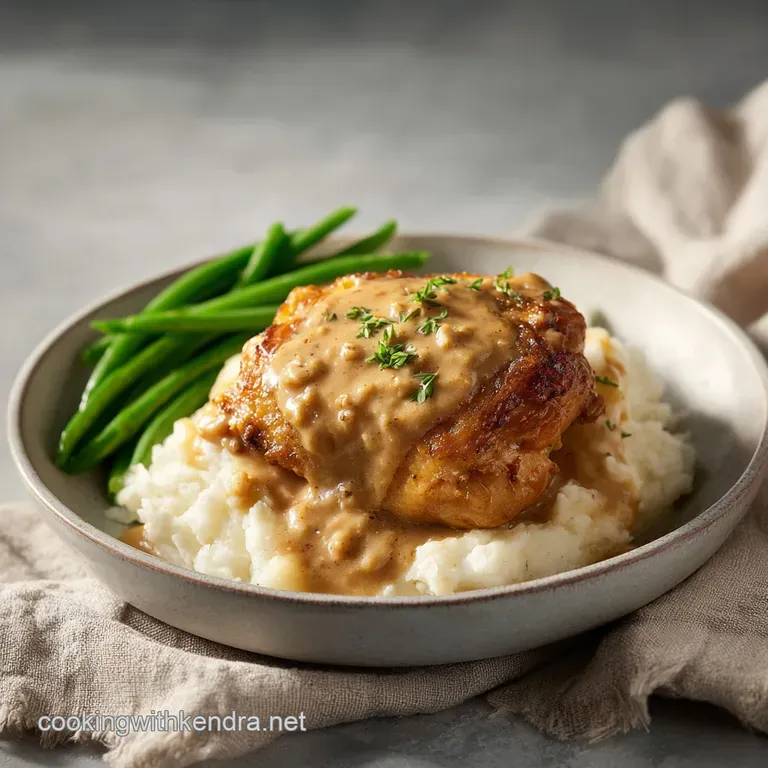
The contrast between the crisp skin and the soft gravy is the hallmark of a great southern smothered chicken recipe. To maintain this, try not to fully submerge the chicken in the gravy. Nestle it in so the bottom is "smothered" but the top of the skin stays high and dry.
This allows the top to remain crispy while the bottom absorbs all that savory liquid.
Timing the aromatics
Wait until the very end to add your fresh herbs. If you simmer the parsley in the gravy for 20 minutes, it will turn grey and lose its bright, peppery flavor. Sprinkle it on just as you are carrying the pan to the table for that vibrant, "just cooked" look.
Kitchen Myth: Searing meat does not actually "seal in" juices. Moisture is lost the moment heat hits the protein. However, searing creates the Maillard reaction a chemical change in the amino acids and sugars that provides the deep, complex flavors that define southern cooking.
Don't skip the sear thinking you are saving time; you are actually sacrificing the soul of the dish.
By the time you finish, your kitchen should smell like a dream. The combination of toasted flour, sweet onions, and savory chicken is the ultimate reward for your hard work. Grab a big spoon, make sure you get plenty of gravy on the plate, and enjoy the fruits of your labor. This is comfort food at its absolute finest.

Very High in Sodium
845 mg of sodium per serving (37% of daily value)
The American Heart Association recommends limiting sodium intake to 2,300mg per day, with an ideal limit of 1,500mg for most adults.
Tips to Reduce Sodium
-
Reduce Salt-25%
Significantly cut back on added salt. Try using 1/2 teaspoon of kosher salt instead of 1.5 teaspoons to drastically lower sodium content without a huge flavor sacrifice.
-
Boost Herbs & Spices
Amplify flavor with herbs and spices. Ensure you're using ample amounts of smoked paprika, garlic powder, onion powder, and cayenne pepper for a zesty kick.
-
Adjust Seasoning Blend-5%
Focus on the non-salt components of your seasoning. Increase the amounts of smoked paprika, garlic powder, onion powder, and cayenne pepper to compensate for reduced salt.
-
Flavorful Ingredients-5%
Emphasize the natural flavors of the chicken. Using bone-in, skin-on thighs already adds richness, so focus on enhancing that with plenty of spices.
Recipe FAQs
What's the secret to the best smothered chicken?
The secret is patience with your roux. You must whisk the leftover flour into the vegetable fat until it reaches a deep, nutty peanut butter color, which ensures your gravy tastes toasted rather than like raw flour paste.
Is "smothered chicken" the same thing as "marry me chicken"?
No, these are entirely different dishes. While smothered chicken relies on a dark, flour thickened roux and heavy cream for a savory gravy, "marry me chicken" typically features a tomato and parmesan based sauce similar to the profile in our rich slow simmered sugo.
Can a diabetic eat smothered chicken?
Consult your doctor regarding your specific dietary needs. This recipe uses all-purpose flour for the dredge and thickening, which significantly impacts carbohydrate content compared to preparations that omit breading or roux.
What kind of chicken is best for this recipe?
Always use bone-in, skin-on chicken thighs. The skin provides essential fat for the flavor base of the gravy, and the bone-in structure keeps the meat succulent throughout the 20-25 minute simmer time.
How to keep the chicken skin from getting soggy?
Sear the skin side down for 5-7 minutes until deep mahogany before flipping. Ensure the pan is not overcrowded; if pieces touch, they will steam instead of crisping, resulting in a rubbery texture.
How to avoid a floury taste in the gravy?
Whisk the dredging flour into the butter and vegetable drippings for 2-3 minutes. You are looking for a visible color change to a nutty, toasted hue before you slowly add the warm chicken stock and heavy cream.
How to tell when the chicken is fully cooked?
Use an instant read meat thermometer to verify an internal temperature of 165°F. Inserting the probe into the thickest part of the thigh, away from the bone, ensures the meat is safe to eat without overcooking.
Old Fashioned Smothered Chicken
Ingredients:
Instructions:
Nutrition Facts:
| Calories | 758 kcal |
|---|---|
| Protein | 42 g |
| Fat | 49 g |
| Carbs | 24 g |
| Fiber | 2 g |
| Sugar | 3 g |
| Sodium | 845 mg |
