Rib Roast Bone In: the Perfect Sunday Roast
- Setting the Stage for the Ultimate Roast Experience
- Achieving Perfection: The Science of the Reverse Sear
- Essential Ingredients for the Perfect Bone-In Rib Roast
- Mastering the Low and Slow Roast Method
- Chef's Troubleshooting: Ensuring a Flawless Sunday Roast
- Perfect Pairings: Completing Your Roast Dinner
- Preparing Ahead and Handling Leftovers
- Recipe FAQs
- 📝 Recipe Card
Setting the Stage for the Ultimate Roast Experience
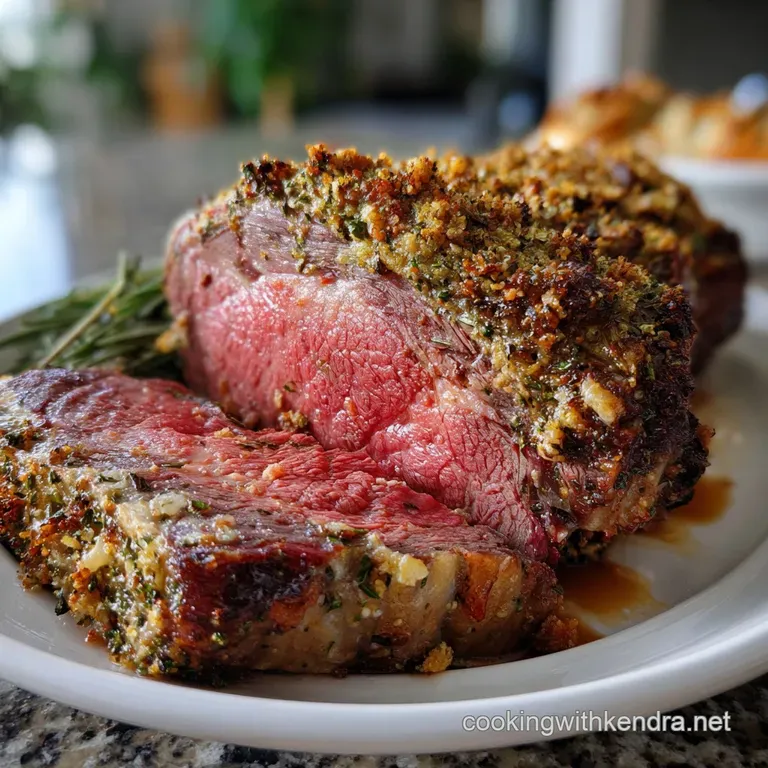
When that gorgeous, fat-capped, deeply seasoned Rib Roast Bone In finally comes out of the oven, the smell alone could solve world peace. You hear the audible crack as the carving knife hits the garlic herb crust, revealing that perfect blushing red interior.
This isn't just dinner; it’s an event, and frankly, achieving this level of perfection is easier to master than people think.
Yes, a spectacular roast is an investment, both in cost and time, but achieving this flavor and texture is surprisingly straightforward once you ignore all the scary, old-school over high heat methods. Forget complicated basting or constant oven door checking.
This systematic approach is the secret to guaranteed uniform success every time.
We are going to employ the holy grail of modern roasting: the reverse sear. It ensures your garlic herb rib roast is edge-to-edge medium rare, eliminating that terrible grey, overcooked ring. Ready to crack on? We're making the best rib roast recipe bone in oven possible.
Achieving Perfection: The Science of the Reverse Sear
This whole process relies on thermal magic and patience. We cook the Rib Roast Bone In so slowly at a low temperature that the heat gently penetrates the meat, minimizing moisture loss and giving the enzymes time to tenderize the muscle fibers.
Then, once the internal temperature is perfect, we blast the outside for that shatteringly crispy crust. It’s brilliant.
Defining Prime Rib vs. Ribeye Roast: What to Ask Your Butcher
Honestly, the terms are often used interchangeably, but legally, "Prime Rib" should imply the highest USDA grade (Prime). When you are asking your butcher for a Rib Roast Bone In , you are typically buying a standing rib roast from the primal rib section (ribs 6 through 12).
Always ask for it "tied and cut" so the bones are separated but tied back on this small step makes carving later so much easier.
Why Bone-In Matters for Flavor and Insulation
The bone acts like a shield and a temperature regulator. It insulates the meat closest to the bottom of the pan, helping it cook slower and retain moisture. Plus, when you use the bones as a natural rack (standing the roast on them), they lift the meat away from the rendering fat, ensuring air circulation all the way around.
And let's be honest, who doesn't love gnawing on those roasted bones later?
The Goal: Uniform Medium Rare from Edge to Edge
This is the entire point of the low and slow method. By cooking at a low temperature (250°F / 120°C), we avoid searing the outside prematurely. This allows the internal temperature to rise gently, resulting in that beautiful, uniform pink center without the dreaded grey band around the edge.
This rib roast bone in temperature method is why the roast is so juicy.
Avoiding the Dreaded Grey Band
That awful grey band happens when the surface temperature is too high for too long, essentially cooking the external proteins too fast. Our initial long rest after the first cook is crucial here.
Letting the roast cool slightly prepares the exterior for the over high heat blast, ensuring the sear happens quickly without overcooking the meat underneath.
Maximizing the Garlic Herb Crust Crunch
We use a compound butter mixed with olive oil. Why both? The butter adds richness and flavor, and the oil helps raise the smoking point and distribute the fat evenly across the surface of the Rib Roast Bone In .
This ensures the base for the herbs and garlic, which brown instantly and turn crunchy during the final, intense blast of heat.
The Importance of Carryover Cooking
Memorize this mantra: Your roast is still cooking after you pull it out of the oven. Always pull your roast 5 10 degrees below your target final temperature because the residual heat trapped inside the dense muscle mass continues to cook it.
If you skip the rest, or pull it too late, you’ll end up past medium rare. Don't risk it!
Essential Ingredients for the Perfect Bone-In Rib Roast
Keeping the ingredients simple and focused on quality is key here. We want to enhance the richness, not overwhelm it with fuss.
Sourcing Your Standing Ribeye Roast (Weight and Grade Notes)
Aim for at least 3 ribs, which generally feeds 6 8 people (about 7 8 lbs). If budget allows, spring for USDA Prime; the marbling is unparalleled and guarantees a more tender, flavorful result. If not, USDA Choice works wonderfully too, just ensure the roast has a nice, healthy fat cap.
Crafting the Signature Herb Rub Paste
We use softened butter, not melted, because it adheres better to the cold, dry surface of the meat. Use fresh herbs for potent aroma and vibrancy. Minced garlic adds a savory kick, but remember, burnt garlic tastes acrid, so mix it thoroughly into the fat.
| Ingredient | Substitute/Alternative |
|---|---|
| Unsalted Butter | Ghee or rendered bone in oven fat (e.g., beef tallow). |
| Fresh Rosemary & Thyme | Dried versions (use 1/3 the amount, mixed ahead to rehydrate). |
| Kosher Salt | Flaky sea salt (use the same volume) or fine table salt (use 2/3 the volume). |
| Olive Oil | Grapeseed or avocado oil (great for the over high heat sear). |
Alternative Fats and Seasoning Variations
I once tried to sub vegetable shortening for butter on a bone in rib roast recipe oven, and the crust lacked that necessary richness. Stick to animal fats or high-quality, neutral oils.
For seasoning, consider swapping out some herbs for finely ground espresso or fennel seeds and smoked paprika for a deeper flavor profile.
Must Have Equipment: The Probe Thermometer
I cannot stress this enough: The digital probe thermometer is mandatory for this roast recipe bone in oven success. You need to know the internal temperature in real time without opening the oven door repeatedly and letting all that heat out.
It is absolutely the single biggest factor in producing the perfect rib roast bone in cooking time.
Mastering the Low and Slow Roast Method
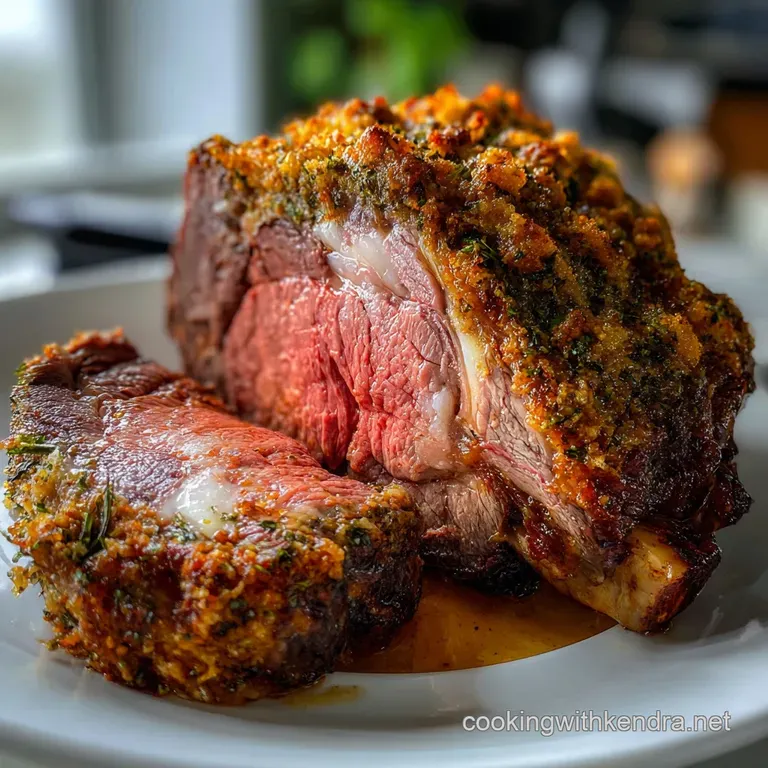
This method requires patience, especially the waiting period. When preparing a large cut like this Rib Roast Bone In , rushing things only leads to regret and expensive disappointment.
Chef's Troubleshooting: Ensuring a Flawless Sunday Roast
Preparing the Roast and Bringing it to Ambient Temperature
The dry brine (salting 24 hours ahead) is non-negotiable. It pulls moisture out, seasons the meat deeply, and creates the tacky surface necessary for the final crust to stick and crisp beautifully.
Also, pulling the roast out of the fridge 2- 3 hours before cooking is vital. A very cold center will dramatically increase your cooking time and make even temperature distribution nearly impossible.
The Initial Low-Temperature Cook Phase
Preheat the oven to that gentle 250°F (120°C). Apply the herb butter rub evenly and generously. Make sure the probe thermometer is centralized and not touching any bone. We are looking for a stable, slow internal temperature rise; this phase often takes 3+ hours depending on the size of your Rib Roast Bone In .
The over High heat Crust Finish
Once your roast hits 125°F (for eventual medium rare), pull it immediately! Let it rest on the counter, fully exposed, for 45 minutes to 1 hour. It feels wrong, but the surface must cool down completely. Then, crank the oven to 500°F (260°C).
Return the roast for 8 to 15 minutes until the crust is mahogany brown and aggressively crunchy.
The Critical Rest and Carving Technique
After the over high heat sear, the roast must rest again , lightly tented with foil, for 15- 20 minutes. This second rest allows the juices, which were pushed to the center during the searing process, to redistribute back through the meat fibers.
If you cut it too soon, those precious juices will flood your carving board. When carving, use a long, sharp knife and slice against the grain .
The Golden Rule of Thermometers and Doneness
Always track your internal temperature closely. Remember, pull the bone in prime rib roast at 125°F for true medium rare. The temperature will rise 5 10 degrees during the final rest.
Common Mistakes That Ruin the Herb Crust
- Skipping the First Rest: If you go straight from the low cook to the high sear without the 45 minute rest, the crust will steam and turn mushy instead of crisping. The temperature contrast is vital.
- Improper Thermometer Placement: If your probe is touching bone, it will read higher than the meat actually is, leading you to pull the roast too soon. Check the center of the thickest part, away from the bone.
Perfect Pairings: Completing Your Roast Dinner
Essential Sauces for Prime Rib (Jus vs. Creamy Horseradish)
You absolutely must make a simple jus from the pan drippings. Deglazing the pan with a splash of red wine and beef stock gives you an incredibly rich sauce. And for a classic pairing, nothing beats the fierce zing of creamy horseradish. If you want a killer recipe for a complementary side, my Side Dishes for Prime Rib Dinner: Creamy Horseradish Gratin is pure decadence.
Classic Vegetable Sides that Complement the Richness
Keep the sides robust enough to stand up to the richness of the roast. Roasted root vegetables (like parsnips and potatoes) or simple steamed greens (like buttered cabbage) work perfectly. If you have time, authentic homemade Yorkshire puddings are a non-negotiable side for any Sunday roast ribeye recipe.
Wine and Beverage Recommendations
For a rich, fatty cut like this, you need a big, bold red wine. Think Cabernet Sauvignon, Zinfandel, or a full bodied Malbec. The tannins cut through the fat, making the whole meal feel balanced and spectacular.
Preparing Ahead and Handling Leftovers
Making a huge Rib Roast Bone In often means you’ll have delicious leftovers. This is a blessing, not a curse.
Safely Storing Cooked Prime Rib
Store any carved, cooled slices in an airtight container in the fridge. It will keep beautifully for 3 to 4 days. If you haven't carved the entire roast, the large piece will stay moister longer, wrapped tightly in foil and plastic wrap.
Best Practices for Freezing and Thawing Slices
This roast freezes beautifully! Slice the leftovers (about 1/2 inch thick) and wrap each slice individually in plastic wrap, then bundle them into a zip-top freezer bag, pressing out all the air. They are good for up to 3 months.
Thaw overnight in the refrigerator, and reheat using a low oven (300°F/150°C) inside an aluminum foil pouch with a tablespoon of stock or gravy to retain moisture.
Creative Uses for Prime Rib Scraps
Don't let any of that glorious meat go to waste! Thinly sliced leftovers make the most luxurious French Dip sandwiches imaginable. You can also dice the ends and add them to a rich gravy for mashed potatoes, or flash fry them with onions and peppers for epic Philly cheesesteaks.
Following this exact method for your next rib roast recipe bone in oven endeavor is guaranteed to make you the holiday hero. Enjoy every spectacular, perfectly medium rare bite!
Recipe FAQs
Why is my roast tough or dry, even though the internal temperature was correct?
Toughness is almost always due to insufficient resting time; slicing the meat immediately causes the muscle fibers to seize up and rapidly expel moisture. Ensure the roast rests tented loosely under foil for a minimum of 30-45 minutes so that the internal juices redistribute properly throughout the meat.
Also, use a reliable leave-in thermometer to prevent overcooking past your target internal temperature.
What is the ideal internal temperature for Medium Rare Prime Rib?
For medium rare, you should pull the roast from the oven when the thermometer reads 120°F 125°F, before the final high heat searing step. Remember that the temperature will rise another 5 10 degrees (known as carryover cooking) during the long rest, resulting in a final internal temperature of 130°F 135°F.
Always measure the temperature at the thickest part of the roast, avoiding the bone.
How do I ensure I get that perfect, crunchy garlic herb crust?
The secret to a crackly crust is ensuring the roast's exterior is completely dry before applying the rub and utilizing the high heat blast at the end of the cooking process. Pat the fat cap completely dry with paper towels and ensure the oven is fully preheated to 500°F (or higher) for the 10 15 minute final sear.
Do not open the oven door during the searing stage.
Can I apply the herb crust and seasoning the night before cooking?
Yes, applying the seasoning (especially the salt) 12 to 24 hours in advance is highly recommended; this technique is called dry brining. Salting ahead allows the seasoning to penetrate deeper into the meat and draws moisture from the surface, which is crucial for achieving the crispiest fat cap during the final sear.
After seasoning, place the roast uncovered in the refrigerator.
My rib roast cooked unevenly. How can I fix grey edges next time?
Grey, overcooked edges are common when using traditional high heat roasting methods, but the reverse sear technique minimizes this issue. To further ensure uniformity, allow the roast to come up to room temperature for at least three hours before cooking so it starts warming evenly.
Also, if your roast is thin on one end, you can shield that thinner section with aluminum foil for the initial slow cook.
What is the best way to carve the rib roast without making a mess?
For the easiest and cleanest carving, first separate the entire rack of bones from the meat by cutting along the bone line with a long, sharp knife. Once the meat is boneless, you can stabilize it on the cutting board and slice it uniformly across the grain into 1/2 to 3/4 inch thick portions.
Save the bone section for stock or reheat them separately.
How should I store leftover rib roast, and can I freeze it?
Leftover cooked rib roast should be stored in an airtight container and refrigerated for up to 3 to 4 days. While you can freeze the meat wrapped tightly in heavy duty foil and a freezer bag for up to 3 months, note that the texture often becomes slightly drier upon thawing and reheating.
The best way to utilize frozen leftovers is for soups or shredding for sandwiches.
Perfect Bone In Rib Roast Recipe
Ingredients:
Instructions:
Nutrition Facts:
| Calories | 505 kcal |
|---|---|
| Protein | 28.0 g |
| Fat | 38.2 g |
| Carbs | 14.1 g |
