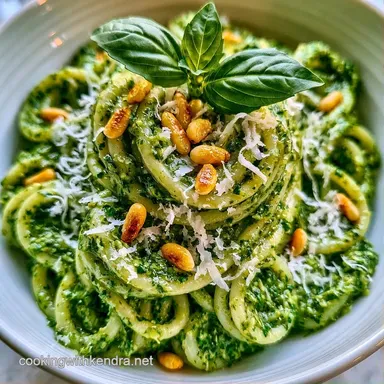
Pesto Pasta with Fresh Basil in 15 Minutes
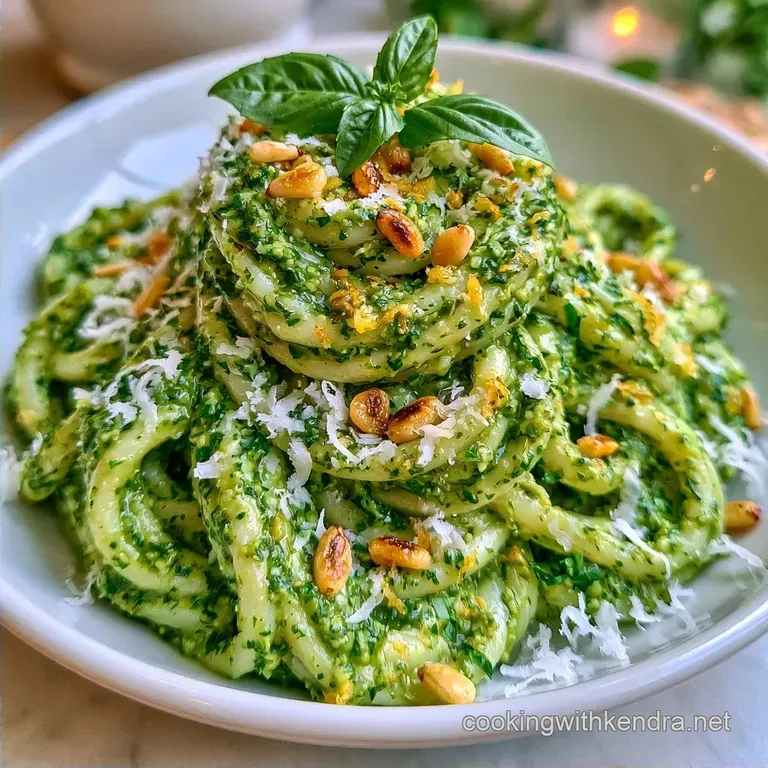
- Total Timing: 5 min active + 10 min cook
- Taste Profile: Vibrant, herbaceous, and silky
- Great for: Hectic weeknights or a rapid family lunch
Pesto Pasta with Fresh Basil
The pungent, peppery aroma of crushed basil always catches my attention first. It evokes the scent of a July garden, which is precisely why this recipe works so well. While many believe a heavy marble mortar and pestle are required for an "authentic" pesto, that's simply too much effort for a weeknight meal.
I once spent twenty minutes manually crushing garlic and nuts, convinced it was the only path to the perfect flavor. I was wrong. A food processor achieves the same result in a fraction of the time, and with the right approach, the taste remains just as bold.
This meal prioritizes efficiency and bright flavors. By ignoring the tedious traditional methods and focusing on quality ingredients, you can have a vibrant, green dinner ready in about 15 minutes.
The One Step That Matters
Pasta Water: Adding a bit of the salty, starchy water helps the oil and cheese bind to the noodles. This stops the sauce from sliding off and pooling at the bottom of the bowl.
Temperature Control: We mix the pesto in off the direct high heat. This keeps the basil bright green instead of turning it a dull, muddy brown.
What You'll Need
I prefer using a food processor for the pesto, though a blender works fine if that's what you have. Just pulse the ingredients in bursts to avoid over-processing the sauce into a puree.
- 2 cups (50g) packed fresh basil leaves Why this? Delivers the core herbal flavor
- 1/2 cup (120ml) extra virgin olive oil Why this? A premium oil adds a peppery note
- 1/2 cup (50g) freshly grated Parmesan cheese Why this? Brings salty, savory depth
- 1/3 cup (50g) lightly toasted pine nuts Why this? Offers a creamy, nutty foundation
- 2 cloves (6g) peeled garlic Why this? Provides a pungent, aromatic kick
- 1 tbsp (15ml) fresh squeezed lemon juice Why this? Brightens the dish and balances the oils
- 1/2 tsp (3g) salt
- 1/4 tsp (1g) freshly cracked black pepper
- 1 lb (450g) dried pasta (Trofie, Fusilli, or Linguine)
- 2 tbsp (30g) salt for boiling water
Easy Swaps Walnuts are a great alternative to pine nuts, though they provide a more earthy profile. Pecorino Romano can replace Parmesan for a slightly saltier edge. If you're out of lemon, a small splash of white wine vinegar works well.
Equipment Needed
No fancy gear is required for this. Stick to the basics to make cleanup easy.
- Food processor or small blender
- Large pot for boiling pasta
- Colander for draining
- Tongs or a pasta fork
- Measuring cups and spoons
The Cooking Process
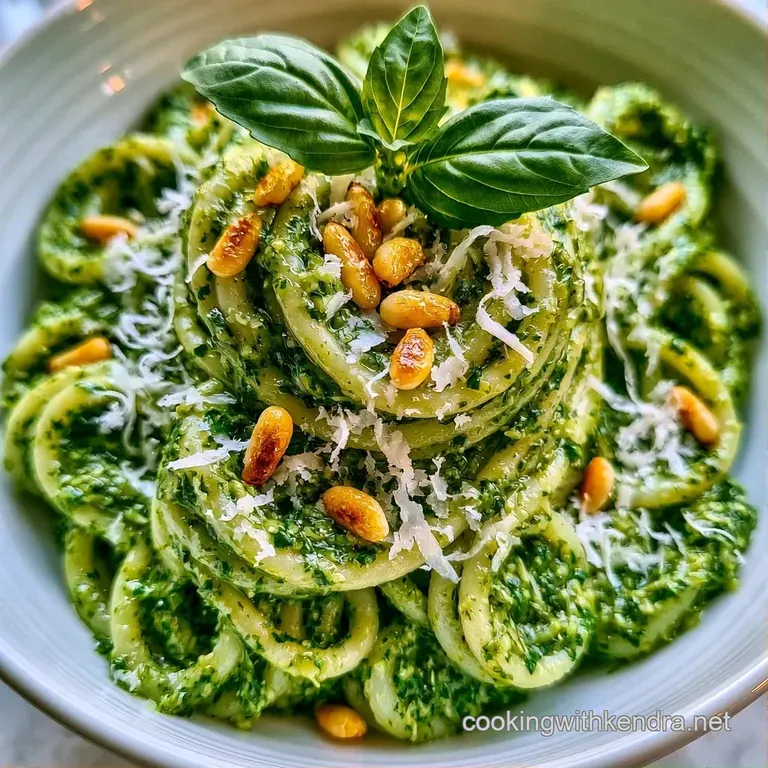
Phase 1: The Pesto Blitz
Pulse the toasted pine nuts and garlic in your food processor until coarsely chopped. Add the salt, lemon juice, and fresh basil, pulsing until the leaves are finely minced. With the motor on low, gradually drizzle in the olive oil to create a smooth emulsion.
Stir in the grated Parmesan by hand to preserve a bit of texture.
Phase 2: The Precision Boil
Heat a large pot of well-salted water until it reaches a vigorous boil. Add the pasta and cook according to the package instructions, but stop 1 minute before the al dente time. This ensures the pasta finishes cooking in the sauce.
Phase 3: The Emulsion Finish
Reserve 1/2 cup (120ml) of the pasta cooking water before draining. Drain the pasta and return it to the pot over low heat. Stir in the pesto and a splash of the reserved water. Toss vigorously for 60 seconds until the sauce transforms into a coating.
Chef Note: If using a blender, be careful not to over-process. Stop once the oil is incorporated and the basil is chopped. Over-blending can heat the leaves and dull the color.
What Can Go Wrong
While pasta is generally forgiving, pesto requires a bit more care. You might notice the sauce splitting, leaving oil pools on your noodles; this is typically the result of the pasta being too dry during mixing.
Color is another concern. Excessive heat during cooking causes the basil to oxidize, turning the sauce a dull, grassy hue. To avoid this, stir the pesto in over low heat or after removing the pan from the stove.
Sauce feels too dry
If the sauce disappears into the pasta too quickly, stir in a bit of the saved pasta water. Adding a single tablespoon at a time should be sufficient to reach the right consistency.
Pesto tastes bitter
This bitterness often stems from burnt garlic or the friction heat of the processor blades. A dash of fresh lemon juice can counteract the flavor.
Basil turns brown
Oxygen and heat lead to discoloration. For pesto made in advance, seal the surface with olive oil before chilling to prevent air contact.
| Problem | Root Cause | Solution |
|---|---|---|
| Oil Separation | Insufficient pasta water | Stir in 1-2 tbsp of reserved water and toss |
| Muddy Color | Sauce was overcooked | Combine off heat or on very low |
| Grainy Texture | Cheese clumped together | Fold in Parmesan by hand at the end |
Flavor Variations to Try
You can easily tweak this to fit whatever is in your fridge. For a Sauce in 15 Minutes recipe, stir in two tablespoons of heavy cream or mascarpone during the final toss. It mellows out the garlic and makes the dish feel a bit more indulgent.
For those wanting more protein, a Chicken Pesto Pasta with Fresh Basil is a family favorite. Just sear some cubed chicken breast in a pan until browned and stir it in at the very end.
- For more zing
- Add 1 tsp of lemon zest to the processor.
- For a nut free version
- Use toasted sunflower seeds instead of pine nuts.
- For a vegan twist
- Swap Parmesan for 2 tbsp of nutritional yeast and a pinch more salt.
Make-ahead and Leftover Tips
Fresh pesto stays good in the fridge for about 3 to 5 days. Store it in a glass jar and press a piece of plastic wrap directly onto the surface of the sauce to keep air out.
If you have a lot of basil, you can freeze the pesto in ice cube trays. Once frozen, pop the cubes into a freezer bag. They last for about 3 months. Just thaw a cube in a pan for a quick sauce.
For the pasta, leftovers can stay in the fridge for 2 days. When reheating, add a tiny splash of water or olive oil to the bowl before microwaving. This brings back that silky consistency that disappears in the fridge.
To avoid waste, use the remaining basil stems in a vegetable stock. They have plenty of flavor that's too good to toss.
Perfect Complements
This dish is quite rich due to the oil and cheese, so it pairs well with something acidic or light. A simple arugula salad with a lemon vinaigrette cleanses the palate between bites.
If you want a full spread, try serving this alongside a rustic tomato basil sauce over toasted sourdough bread. The contrast between the green pesto and red tomato sauce looks great on the table.
Fresh vs. Shortcut Pesto
| Feature | Homemade Fresh | store-bought Jar |
|---|---|---|
| Color | Bright Green | Dull Olive/Brown |
| Taste | Peppery & Sharp | Salty & Muted |
| Prep Time | 5 mins | 0 mins |
For a different take on basil based meals, you could also try some garlic bread with a side of roasted zucchini to keep the meal light and seasonal.
Recipe FAQs
Can I just add basil pesto to pasta?
Yes, but adding pasta water is better. Stirring in a splash of starchy water creates a velvety coating that sticks to the noodles instead of pooling at the bottom of the bowl.
How do I make pesto with my fresh basil?
Pulse toasted pine nuts and garlic in a food processor until coarsely chopped. Add basil, lemon juice, and salt, then slowly stream in olive oil while the motor runs on low before stirring in Parmesan by hand.
Is it true that pesto is a low-calorie choice for diabetics?
Surprisingly, no. Because of the olive oil and pine nuts, it is quite calorie-dense, though the healthy fats can help some people manage blood sugar spikes.
What are some variations of basil pesto?
Swap the pine nuts for walnuts to create a earthier flavor. If you enjoyed mastering the emulsion technique here, see how the same principle works in our Homemade Ravioli for a professional finish.
Pesto Pasta with Fresh Basil in 15 Min