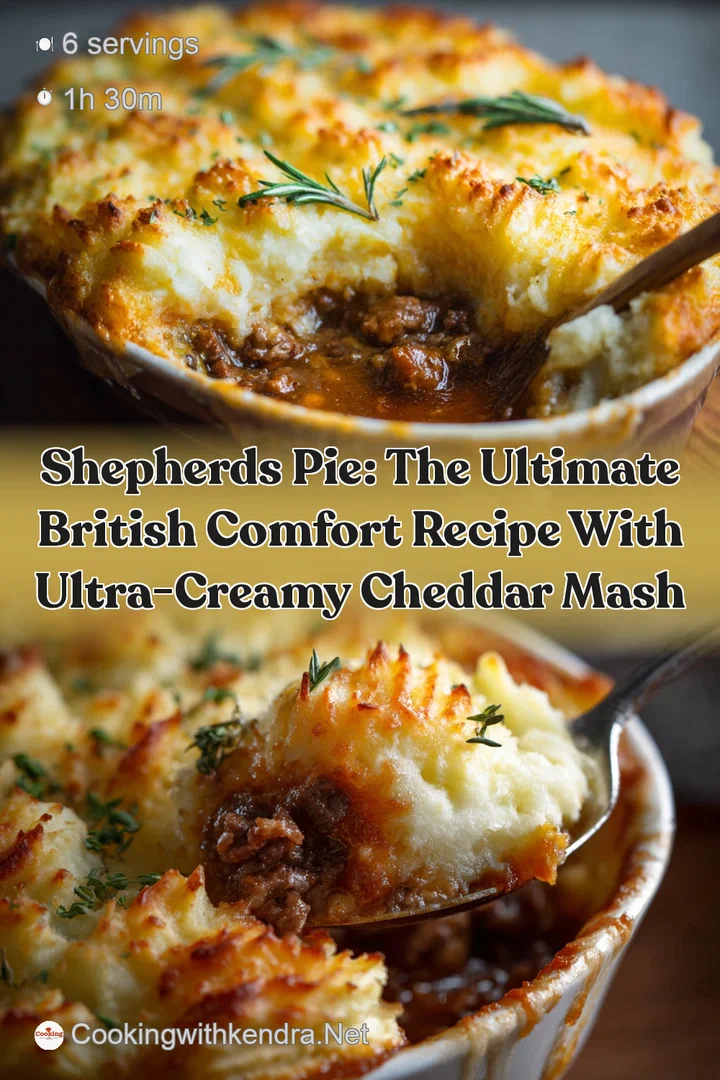
Shepherds Pie: the Proper British Recipe with Deeply Savory Lamb Filling
- The Authentic Shepherd's Pie: What Makes This Recipe Proper?
- Unlocking Umami: The Science Behind This Savory Filling
- Your Essential Pantry List for the Ultimate Shepherd's Pie
- Mastering the Assembly: Step-by-Step Guide to Baking Perfection
- Expert Tips: Elevating Your Shepherd’s Pie Results
- Make-Ahead Strategy: Storing and Reheating Shepherd’s Pie
- Completing the Comfort Meal: What to Serve with Shepherds Pie
- Recipe FAQs
- 📝 Recipe Card
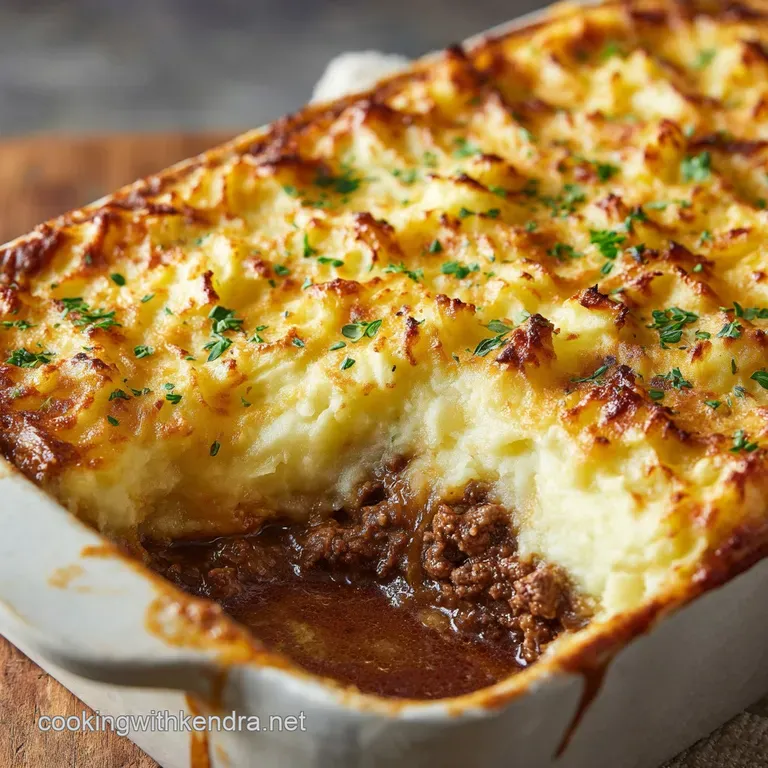
The Authentic Shepherd's Pie: What Makes This Recipe Proper?
That smell you know the one. It’s the deep, earthy, savoury aroma of slow simmered lamb and herbs bubbling under a pillowy, golden crust of creamy mashed potatoes. When you cut into this classic British comfort food, the steam carries rich notes of caramelized onion and thyme right to your nose.
This pie isn't just dinner; it's a culinary time machine back to a cozy night by the fire.
People often assume casseroles like this are fiddly or complicated, but I promise you, Shepherd’s Pie is a lifesaver once you master the basics. It transforms humble, inexpensive lamb mince and potatoes into a show stopping meal that feeds a crowd easily.
This recipe is surprisingly forgiving, and it’s the perfect candidate for a lazy weekend cook.
I have made almost every mistake possible trying to achieve the perfect pie runny gravy, gluey mash, burnt tops. I’ve refined this version to guarantee maximum flavour and perfect texture every time. Let’s ditch the watery shortcuts and start making the proper, richly flavoured classic.
Unlocking Umami: The Science Behind This Savory Filling
We aren't just frying meat and tossing it with stock; we are meticulously building flavour foundations from the ground up. The secret to a Shepherd's Pie filling that tastes deeply savoury and complex, not bland or watery, lies in intentional layering.
It all starts with the holy trinity of browning, reduction, and acidity.
Defining the Difference: Why True Shepherd’s Pie Requires Lamb
This is my biggest culinary soapbox moment, so listen up, friend. It is not Shepherd's Pie if it doesn't have lamb. Shepherds tend sheep, hence the name. If you use ground beef mince, you are technically making a Cottage Pie, which is also lovely, but structurally and traditionally, they are distinct dishes.
Don't fight me on this one, or I’ll send you to Wikipedia.
A Culinary History: Tracing the Roots of a British Classic
Shepherd’s Pie originated as a clever, frugal way to utilize leftover roasted meats from the Sunday dinner. It’s a peasant dish, designed for maximum sustenance and zero waste, covered in the cheapest, heartiest carbohydrate available: mashed potatoes.
It’s a wonderful example of how simple necessity created one of the world's most beloved comfort meals.
Skill Level & Time Investment: Planning Your Sunday Cook
I rate this recipe as medium difficulty, primarily because you need to manage the filling and the mash components simultaneously. Budget about 90 minutes total cooking time.
However, much of that time is passive simmering, which means you can definitely relax and sip something while the rich gravy develops its depth.
The Maillard Reaction: Browning the Lamb for Maximum Depth
The single most critical step in this entire recipe is achieving deep, dark browning on your lamb mince. You must be patient and cook out all the meat’s moisture before the actual browning starts.
This caramelization creates complex, nutty, savoury compounds the Maillard reaction that form the backbone of your flavour profile. Skimping on this step results in a flat, steamed tasting filling.
Acid and Spice: The Role of Worcestershire in the Gravy
Why do we use Worcestershire sauce? Because it’s liquid Umami. The anchovies and molasses in the sauce add a complexity and slight fermented tang that perfectly cuts through the richness of the lamb fat. Never skip this ingredient; it’s the final, non-negotiable layer of depth.
Building a Proper Sauce Base: Flour vs. Cornstarch Thickening
We use all-purpose flour here to create a traditional roux base with the rendered fat and tomato paste. Cornstarch thickens things up quickly, but it often yields a glossy, sometimes too-slick gravy that feels modern and slightly wrong for a hearty classic. We are aiming for a deep, matte, hearty sauce that can actually support the weight of the potato topping. This is serious gravy we are making, reminiscent of the filling in my Game Day Meals: Ultimate Cheesy Steak Ale Hand Pies Recipe , just with lamb!
Your Essential Pantry List for the Ultimate Shepherd's Pie
Mince Matters: Selecting the Right Cut and Fat Ratio of Lamb
I always recommend targeting 15 20% fat content lamb mince. Leaner lamb tastes dry in this application and deprives you of the necessary fat needed to build a robust, flavourful roux for the gravy base.
Remember: Don't drain off all the rendered fat ; you need a tablespoon or two left in the pan.
The Perfect Mash Topping: Choosing Your Potatoes and Cheddar
Starchy potatoes, like Russets or UK Maris Pipers, are non-negotiable for the topping. They break down perfectly, absorbing the butter and cream without becoming sticky or gluey. For the cheese, use sharp, mature Cheddar. Mild cheddar simply vanishes against the lamb’s richness; you need a sharp, tangy bite.
Herb Pairing Notes: Fresh Rosemary and Thyme
Lamb and rosemary are soulmates, truly. The addition of fresh thyme provides necessary earthiness and depth, complementing the heavy meat flavours beautifully. While dried herbs work in a pinch, the fresh oils released during the simmer elevate the aroma dramatically.
Ingredient Measurement Chart (Metric & Imperial)
| Ingredient | US Customary | Smart Substitution |
|---|---|---|
| Ground Lamb | 1.5 lbs (675g) | Use ground beef (Note: Makes it Cottage Pie) |
| Lamb Stock | 3 cups (720ml) | high-quality beef stock |
| Worcestershire | 1 Tbsp | Coconut aminos or balsamic vinegar (for tang) |
| Russet Potatoes | 3 lbs (1.35 kg) | Yukon Golds (creamier texture) |
| Sharp Cheddar | 1 cup (100g) | Strong Gruyère or smoked Provolone |
Mastering the Assembly: step-by-step Guide to Baking Perfection
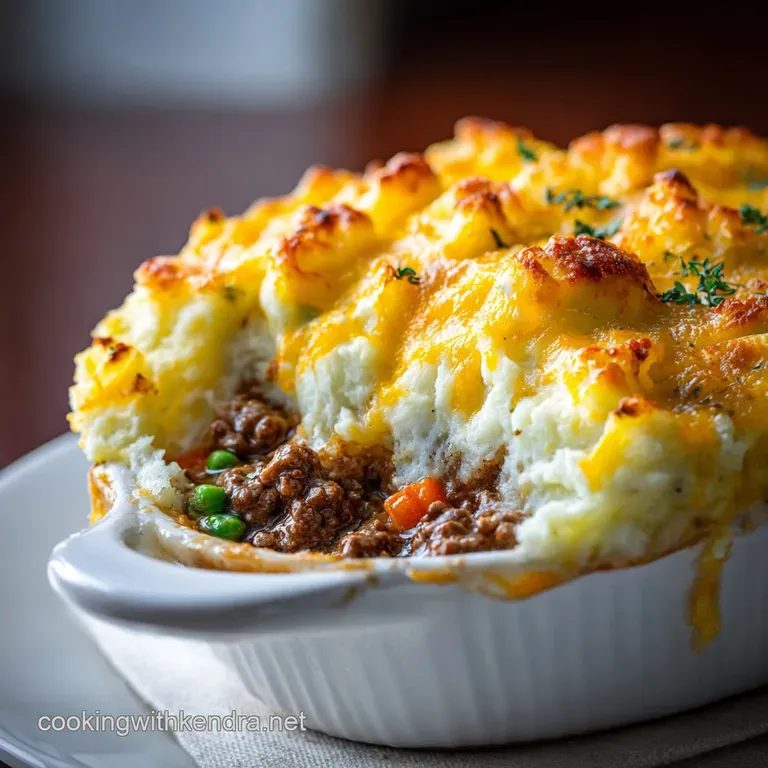
Creating the Savory Lamb Foundation (Stove Work)
- Sear the Mince: Heat 2 Tbsp oil in a large pan over medium high heat. Add the lamb mince. Cook, breaking it up, until the meat is deeply browned and caramelized bits form on the bottom of the pan . This takes about 10 minutes. Drain off all but 1 Tbsp of the rendered fat.
- Sauté the Aromatics: Reduce the heat to medium. Add the diced onion, carrots, and celery. Cook until the onions are translucent and the vegetables have softened, about 8 minutes. Add the minced garlic and cook for 60 seconds until you smell that delicious nutty aroma.
- Build the Roux: Sprinkle 2 Tbsp flour over the vegetables and meat; stir to coat and cook for 1 minute. Stir in the tomato paste and cook for another minute to darken its colour, removing that raw tomato flavour.
- Simmer the Gravy: Deglaze the pan with the Worcestershire sauce, scraping up the browned bits. Gradually pour in the stock, stirring constantly to prevent lumps from forming. Add the fresh herbs, salt, and pepper. Bring it to a boil, then reduce the heat to a gentle simmer, uncovered, for 30 minutes. The gravy must be thick enough to coat the back of a spoon. Stir in the frozen peas. Pour this filling into your baking dish.
Achieving the Silky Smooth Cheddar Mash
- Prep the Spuds: Boil the peeled, evenly cut potatoes in cold, salted water until they are tender when pierced with a fork (about 20 minutes). Drain them immediately and return them to the hot, empty pot. Let them steam dry for 5 minutes. This is my secret to preventing gummy mash.
- Mash and Enrich: Pass the hot potatoes through a ricer or mash thoroughly. Gently beat in the softened butter, warmed milk, and the egg yolk (if using). Season generously with salt and white pepper. Fold in half of the grated sharp Cheddar.
Layering and Crusting: Prepping for the Oven
- Spoon the mash over the hot lamb filling, starting at the edges of the dish. Use the back of a spoon to spread it evenly, making sure the potato fully seals the filling to prevent gravy blowouts.
- Use a fork to create textured peaks and ridges across the entire surface of the mash.
- Sprinkle the remaining Cheddar cheese evenly over the peaks.
The Final Bake: When is Shepherd's Pie Done?
Preheat your oven to 400°F (200°C). Bake the assembled pie for 20– 25 minutes. You know it’s ready when the filling is visibly bubbling up vigorously around the sides and the potato topping is golden brown and beautifully crisp.
Let the pie rest for 10 minutes after baking. Skipping the rest time guarantees a messy, runny slice!
Expert Tips: Elevating Your Shepherd’s Pie Results
Preventing a Soggy Bottom: Managing Moisture in the Filling
A runny filling is the ultimate pie disaster; it melts the mash and creates a sloppy mess. You absolutely must reduce the gravy until it’s thick enough to coat the back of a spoon before it goes into the dish.
If it looks too thin after 30 minutes, just keep simmering it, uncovered, until it reaches the correct consistency.
Getting the Golden Crust: Technique for Piping or Forking the Mash
The ridges you create with a fork across the mash aren't just for looks; they are functional. These peaks catch the direct heat and toast beautifully, giving you those crunchy, golden, cheesy bits that are pure heaven. If you are feeling extra fancy, pipe the mash on using a large star tip.
Chef's Note: Because the potatoes are relatively bland, the filling must be slightly over -seasoned before you seal it under the mash. Taste it one last time and adjust the salt the potatoes will dilute the overall seasoning.
make-ahead Strategy: Storing and Reheating Shepherd’s Pie
Freezing Instructions: Best Practices for Unbaked vs. Baked Pie
This pie freezes brilliantly! I highly recommend freezing it unbaked. Assemble the entire pie in a freezer safe dish, let it cool completely, and then cover it tightly with foil. It will keep for up to 3 months.
When you’re ready, you can bake it straight from frozen just add about 45 minutes to the total baking time.
Reheating Safely: Oven vs. Microwave Guidance
The oven is the only truly acceptable way to reheat leftover Shepherd's Pie. Put it in a 350°F (175°C) oven for about 20 minutes. This re-crisps the potato crust and heats the filling evenly. Sure, the microwave is faster, but the texture becomes softer and sadder.
Shelf Life: How Long Leftovers Remain Optimal
Tightly covered, leftover Shepherd's Pie is fantastic in the fridge for 3 to 4 days. It actually develops deeper, richer flavour overnight, making those next day lunches something to look forward to.
Completing the Comfort Meal: What to Serve with Shepherds Pie
This is rich, hearty food, so you need something fresh and slightly acidic to cut through the depth. I always serve mine alongside perfectly steamed seasonal green vegetables like buttered green beans, Brussels sprouts, or simple roasted carrots.
For a full, comforting meal experience, consider pairing this richness with a tart dessert. It works wonderfully, just like my incredibly popular Old Fashioned Pumpkin Pie: The Silky Classic with a Flaky Crust . Balance is key!
If you’re making this for a weekend brunch and need a lighter follow-up, though, you might want to look at my Apple Pie Overnight Oats: Easy High Protein Breakfast Prep — it offers that comforting "pie" flavour without the heaviness.
Recipe FAQs
What is the difference between Shepherd's Pie and Cottage Pie?
Traditional Shepherd's Pie strictly uses lamb mince, as the name historically relates to a shepherd tending sheep. If you substitute the lamb with beef mince, the dish is correctly called Cottage Pie, although the base preparation methods are nearly identical.
Both are iconic British comfort foods topped with mashed potatoes.
Why is my filling runny or watery after baking?
A watery filling usually occurs if the meat mixture is not sufficiently reduced before the pie is assembled and baked. Ensure the gravy is very thick and clinging to the meat when you spoon it into the dish, not soupy.
You can easily thicken the filling by simmering it longer, or by stirring in a cornflour (cornstarch) slurry mixed with cold water, until it reaches the desired consistency.
How can I make the gravy base richer and more complex?
To deepen the overall flavor profile, use a high-quality lamb or beef stock and consider adding a tablespoon of tomato paste (purée) and a teaspoon of Marmite or Bovril to the simmering mixture. These ingredients provide essential umami notes that make the sauce taste significantly more complex and savory.
Deglazing the pan properly after browning the meat is also crucial for building the flavor base.
Can I freeze Shepherd's Pie, and how should I reheat it?
Shepherd's Pie freezes exceptionally well, particularly when frozen unbaked. Cool the assembled pie completely, cover tightly with two layers of aluminum foil, and freeze for up to three months.
To cook, thaw it overnight in the refrigerator, then bake as directed, adding 10-15 minutes to the total baking time since it starts cold.
How do I achieve a perfectly golden, crisp mashed potato crust?
For a beautiful golden crust, ensure you use plenty of butter and perhaps an egg yolk in your mash for extra richness and structure. Before baking, use a fork to create light ridges across the surface, which helps catch the heat and allows for better browning.
For the final touch, place the pie under a hot broiler (grill) for 1-2 minutes at the very end of the cooking time, watching carefully to prevent burning.
Can this recipe be adapted for vegetarians or vegans?
Yes, you can easily adapt this dish by replacing the lamb with a mixture of lentils (brown or green), finely diced root vegetables, and mushrooms for the savory filling base. Substitute the meat stock for vegetable broth, and use plant based butter and milk alternatives in the mashed potato topping, omitting the cheese.
The simmering time remains similar, focusing on reducing the liquid until the filling is thick.
Can I assemble the pie ahead of time?
Absolutely; Shepherd's Pie is an ideal make-ahead meal, as it can be fully assembled up to 24 hours in advance. Keep the raw, assembled pie tightly covered in the refrigerator until needed.
When ready to bake, allow it to sit at room temperature for about 30 minutes before placing it in the oven, increasing the total baking time by roughly 15 minutes to account for the chilled temperature.
Proper British Lamb Shepherds Pie
Ingredients:
Instructions:
Nutrition Facts:
| Calories | 706 kcal |
|---|---|
| Protein | 39.2 g |
| Fat | 49.2 g |
| Carbs | 25.1 g |
