Sugar Cookie Recipe: Classic Rolled Dough That Wont Spread or Puff
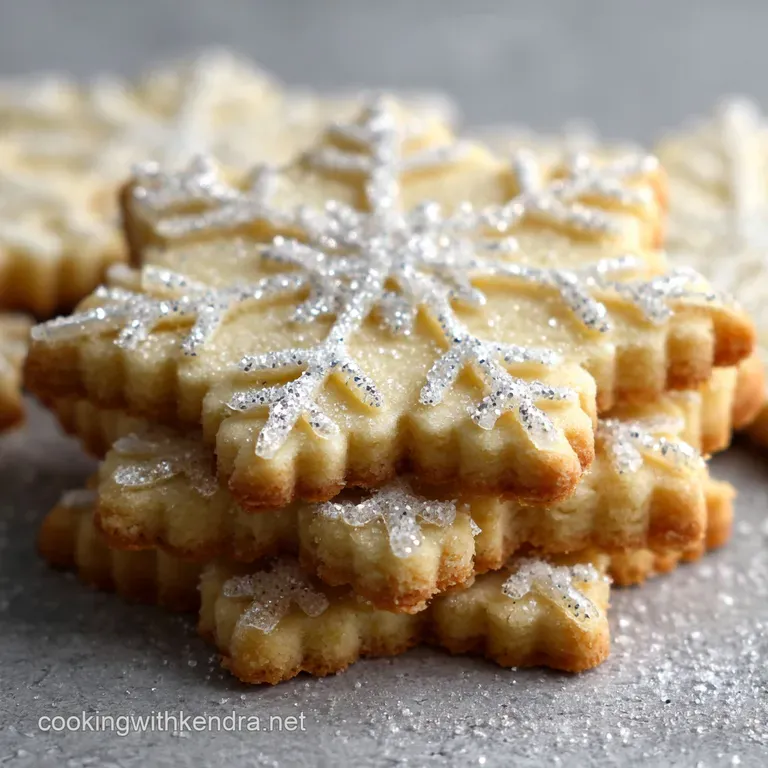
- Mastering the Perfect Cut-Out Sugar Cookie Base
- The Science of Stability: Why These Cookies Hold Their Shape
- Essential Components for Superior Sugar Cookie Dough
- Precise Method: How to Mix, Roll, and Bake the Perfect Batch
- Troubleshooting and Expert Hacks for Your Best Sugar Cookies
- Preparation Planning: Storing Dough and Baked Cookies
- Presentation and Pairing: Finishing Your Sugar Cookies
- Recipe FAQs
- 📝 Recipe Card
Mastering the Perfect Cut-Out Sugar Cookie Base
Can we just talk about the smell? The moment that blend of melting butter, hot vanilla, and pure sugar hits your kitchen air, all your worries disappear. That incredible aroma promises crisp edges and a perfectly tender, slightly chewy center the absolute hallmark of a classic sugar cookie.
I adore this sugar cookie recipe because it is the ultimate blank canvas, ready for any holiday or mood. It’s fast, incredibly economical, and yields dozens of cookies that look like they came straight from a professional bakery.
Seriously, this dough handles intricate cutters like a dream without requiring a degree in structural engineering.
This isn't just another boring flour sugar-butter ratio; this is my meticulously tested, no-spread formula. If you want gorgeous Christmas Sugar Cookies or perfectly shaped birthday biscuits that stay exactly the way you rolled them, you need this method in your life.
The Science of Stability: Why These Cookies Hold Their Shape
Why 'No-Spread' Is the Ultimate Baker's Goal
A spreading cookie is a heartbreaking failure. You spend all that time rolling delicate reindeer shapes, only for them to merge into one giant, misshapen brown blob in the oven, right? My recipe is designed to minimize liquid and maximize stability, meaning your adorable cookie shapes stay perfectly defined.
We are aiming for cookies that are sturdy enough to decorate with royal icing but still soft enough to enjoy without fear of cracking a tooth. The key here is managing air and temperature —that’s where the structure comes from, not just the ingredients.
Recipe Difficulty: What Makes This Medium?
The steps themselves are easy; anyone can cream butter and sugar. I label this "Medium" because achieving that superior texture requires precision. You have to be patient with the chilling process, and you absolutely must measure your flour correctly to avoid tough cookies.
Baking, unlike cooking, is chemistry, and chemistry demands accuracy. If you can handle a kitchen scale and a timer, you can absolutely nail this.
The Heritage of a Classic Sugar Cookie Recipe
Sugar cookies are the backbone of American baking, beloved because they allow for such incredible creativity. This particular recipe leans toward the classic European shortbread style high in butterfat, resulting in fantastic richness and flavor.
It’s a foundational recipe that every home baker should master.
Controlling the Spread: The Role of Fat Temperature
This is the single most important trick: you need butter that is true room temperature for creaming, but you need an ice-cold egg . The soft butter creams perfectly, incorporating just enough air (our leavening agent), while the sudden addition of the cold egg drops the overall temperature of the mix slightly.
This shock prevents the butter from getting too warm and oily, which is the number one cause of spreading.
Achieving Tender Crumb: Balancing Flour and Leavening
We use a tiny bit of baking powder, just enough to give a subtle lift without causing major puffing or spreading. The bulk of the structure comes from the flour, which must be measured exactly. If you use too much flour, the cookies will be dry and crumbly.
If you use too little, they’ll puddle.
Flavor Layering: Extract vs. Paste for Superior Taste
Most recipes just call for vanilla extract, and that’s fine. But if you want phenomenal flavor that truly sings, use a combination of high-quality vanilla extract and just a whisper of almond extract. This flavor profile is iconic for Christmas Cookies Icing and decorating.
Essential Components for Superior Sugar Cookie Dough
For ingredients, I always stress quality it really shines through when the ingredient list is this simple. Here are the must haves and my favorite quick swaps.
Using European Butter for Optimal Richness
European butter often has a higher fat content (around 82% vs. 80%). That extra butterfat yields a richer flavor and a slightly more tender bite. Trust me, buy the good butter for this recipe.
| Ingredient | My Recommendation | Quick Swap / Substitution |
|---|---|---|
| Butter (Unsalted) | high-quality European style | Plant based butter block (1:1 ratio) |
| Granulated Sugar | Fine grind | Superfine or Powdered sugar (for a softer, less crisp edge) |
| Large Egg | Cold, straight from the fridge | Flax egg (1 tbsp ground flax + 3 tbsp water, let sit 5 min) |
| Vanilla Extract | Pure, high-quality | Vanilla bean paste (for visual specks and richer flavor) |
| Flour (AP) | Sifted | 1:1 gluten-free All-Purpose Blend |
The Case for Powdered Sugar vs. Granulated
I use granulated sugar in this recipe because it helps maintain those crisp, defined edges we want for cut-outs. If you were making a softer, puffier cookie (like those famous copycat Lofthouse Style Sugar Cookies: The Ultimate Pillow Soft Copycat Recipe ), powdered sugar would be better. But here, we need grit for structure.
Vanilla Extract and Almond: Customizing Your Flavor Profile
I personally love using two teaspoons of pure vanilla and a tiny half teaspoon of almond extract . The almond adds a complexity that makes people ask, "What is that amazing flavor?" If you hate almond, just skip it and stick with three teaspoons of vanilla.
Quick Swaps: Can I Use a Different Flour?
Yes, but be careful. If you need to make these gluten-free, use a 1:1 baking blend containing xanthan gum; you might need to add a splash of milk if the dough feels too crumbly. Do not use cake flour , as the reduced protein content will make the cookies too delicate and prone to spreading.
Precise Method: How to Mix, Roll, and Bake the Perfect Batch
Chef’s Note: Accuracy is everything here. Get your ingredients ready before you even plug in the mixer. This is mise en place, baby!
- Prep the Dry: Whisk your flour, salt, and baking powder together thoroughly. Whisking ensures the leavening agent is distributed evenly, preventing any weird dense spots.
- Cream It Up: Beat the softened butter and sugar on medium high speed for a full 3– 4 minutes until the mixture is visibly lighter and fluffy. This step incorporates the air that gives the cookies their lift and tender texture.
- The Cold Introduction: Drop your cold egg in and beat until just combined, maybe 30 seconds. Add the vanilla and almond extracts, mixing only briefly.
- Flour Incorporation: Turn the mixer speed to low before adding the flour mixture in three stages. Stop the mixer the second the last visible streaks of flour vanish. Overmixing develops gluten , and gluten creates tough, chewy cookies.
- Chill Time: Divide the dough into two flat discs, wrap them tightly in plastic wrap, and refrigerate for a minimum of 60 minutes. Don’t skip this; chilling solidifies the fat, locking in flavor and preventing spread.
- Roll and Cut: Roll one disc to an even 1/4 inch thickness between two sheets of parchment paper this is the secret to uniform rolling without adding extra flour. Cut your shapes, dusting the cutter in flour occasionally to prevent sticking.
- The Power Chill: Place the entire tray of cut sugar cookie dough into the freezer for 10 minutes. Seriously, this 10 minute deep freeze on the cut shapes is what stops the edges from melting and guarantees perfect definition.
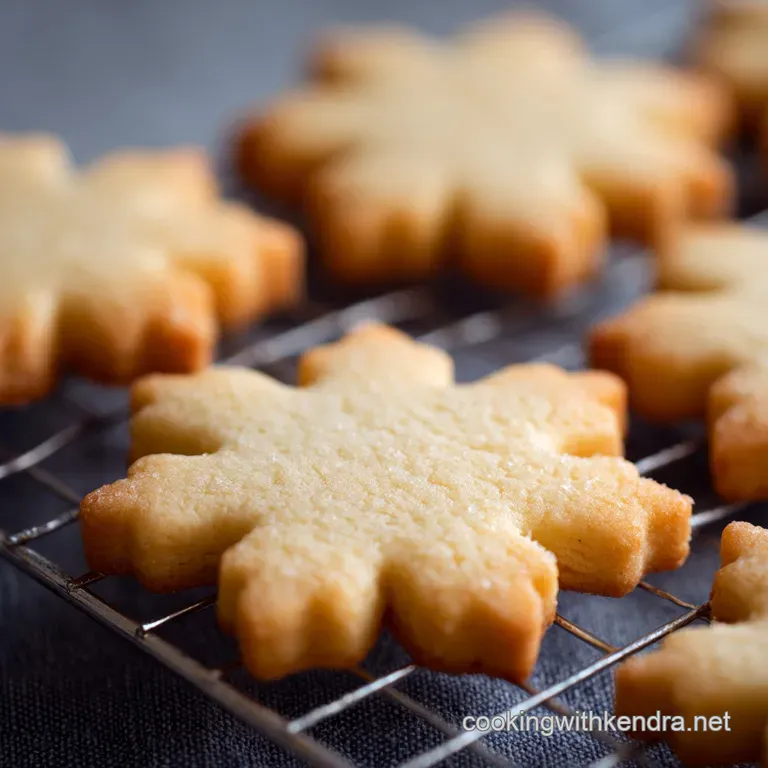
- Bake: Bake at 350°F (180°C) for 8 to 12 minutes. Look for the edges to be just kissed with gold, but the centers should remain pale and set.
Troubleshooting and Expert Hacks for Your Best Sugar Cookies
Creaming Technique: Incorporating Air Correctly
If you rush the creaming stage (Step 2), you won't incorporate enough air, resulting in dense, hard cookies. If you over cream after adding the egg, the butter can turn greasy, which is a disaster waiting to happen in the oven. Fluffy, pale, and stopping before it looks oily is the goal.
Rolling Consistency: Achieving Uniform Thickness
If you roll your dough unevenly, some cookies will burn while others are still raw in the middle. I highly recommend using a rolling pin with thickness guides. Aim for that 1/4 inch thickness for the perfect balance of crispness and chew.
The Importance of Resting (When Chilling Isn't Necessary)
Some recipes claim you can skip the main chill. Lies! While you can technically bake a less chilled dough, your cookies will spread. The main 60 minute chill is essential. The final 10 minute freezer rest (after cutting) is simply non-negotiable for professional looking edges.
Visual Cues for a Perfectly Baked Edge
The center of the cookie should look dry and set, not glossy or wet. The key is to look at the edge the moment the slightest whisper of light golden brown appears along the bottom, they are done. Pull them out immediately, as they will continue to set on the hot baking sheet.
Why Your Cookies Are Spreading (And How to Fix It)
Two main reasons: your butter was too warm, or you skipped the freezer chill. Fix: If your dough feels too soft after mixing, add 1 tablespoon of extra flour and chill it for 30 minutes longer than the recipe suggests. When rolling, work quickly.
If the dough gets warm, place it back in the fridge for 5 minutes.
Preventing Overworking the Dough
When you gather up the scraps to re-roll, only re-roll them once. If you keep kneading and rolling the dough, you’re developing tough gluten strands. If you have to re-roll a third time, press the dough flat, sprinkle it lightly with milk, and chill it for 15 minutes before rolling again.
Preparation Planning: Storing Dough and Baked Cookies
Baking large batches of Sugar Cookies Christmas recipes takes planning! Knowing how to handle the dough and the finished products is key.
How Long Does Unbaked Dough Last?
This sugar cookie dough is fantastic for making ahead.
- Refrigerator: Wrapped tightly in plastic wrap, the dough discs will last perfectly in the fridge for up to 4 days .
- Freezer: Double wrap the discs in plastic wrap, then seal them in a Ziploc bag. They will keep in the freezer for up to 3 months . Thaw overnight in the refrigerator before rolling.
Freezing Baked Cookies (The Decoration Consideration)
Yes, you can absolutely freeze baked sugar cookies!
- Undecorated: Once completely cooled, layer the cookies between sheets of parchment paper inside an airtight container. They freeze beautifully for 2 months.
- Decorated: If they are frosted with a sturdy royal icing, they usually freeze fine, but the condensation upon thawing can dull the colors. Avoid freezing cookies decorated with simple milk glazes , as the glaze will weep and look terrible when thawed.
Best Practices for Thawing and Refreshing
Always thaw cookies while they are still sealed in the container. This prevents condensation from forming directly on the cookie surface. Once fully thawed (about 4 hours at room temp), you can remove the lid.
If they taste a little flat, you can pop them on a cooling rack and briefly heat them in a 300°F oven for 2 minutes to crisp the edges slightly.
Presentation and Pairing: Finishing Your Sugar Cookies
Recommended Royal Icing Recipes (A Decorating Canvas)
If you are doing intricate cookie decorating piping fine lines, flood filling sections, or making complex designs you need a reliable royal icing. Royal icing sets rock hard and provides the best canvas for your Christmas cookie artistry.
Simple Glaze Alternatives for Quick Finishing
Sometimes you just want a quick drizzle! My simple glaze (powdered sugar, a splash of milk, and that little bit of corn syrup for shine) sets quickly but remains soft. It’s perfect if you don't want the hard snap of royal icing. You can also mix powdered sugar with lemon juice for a bright, tart contrast.
Pairing Suggestions: Tea, Coffee, and Dessert Wines
These cookies are buttery and sweet, so they pair best with robust, slightly acidic drinks. A dark, strong black coffee or a proper cup of Earl Grey is classic. For a dessert pairing, consider serving them alongside something fudgy and dark, like my Brownie Cupcakes with Cookie Dough Frosting: Indulgent Fudgy Treat , to balance the sweetness. If you’re feeling fancy, a late harvest Riesling or a glass of port complements the buttery vanilla notes perfectly.

Recipe FAQs
Why did my sugar cookies spread out and lose their shape?
Spreading is usually caused by dough that is too warm or by using too much creaming/leavening agent. Ensure your butter is cool (just softened, not melted) and that you are not over mixing after adding the flour, as excess gluten development encourages shrinkage and spreading.
If your dough feels overly sticky or soft, chill the cut shapes for 10 minutes on the baking sheet before placing them in the oven.
My cookies turned out dry and tough. What went wrong?
This is typically the result of over baking or adding too much flour. When measuring flour, spoon it lightly into the measuring cup and level it off to avoid packing, which can dry out the dough.
To prevent toughness, only mix the flour until the ingredients are just combined, then stop excessive mixing develops gluten excessively.
Do I really need to chill the dough before rolling and cutting?
While this recipe is formulated to hold its shape well, chilling is highly recommended if your kitchen is warm or if you are working with intricate cutters. Chilling the dough, even for just 30 minutes, firms up the butter, which is the crucial component that prevents excessive spreading during the heat of the oven.
If your dough is sticky, chilling is non-negotiable for a clean cut.
What is the ideal thickness for cut-out cookies?
For cookies that are strong enough to handle frosting and hold their shape but remain tender, aim for a thickness of 1/4 inch. Thinner cookies (1/8 inch) will bake faster and become very crisp, while thicker cookies (3/8 inch) may require an extra two to three minutes of baking time.
Can I use an alternative to butter, like margarine or shortening?
Butter is key to both the flavor profile and the proper structure of these classic cookies. While shortening will result in a slightly softer cookie that spreads less, it lacks the rich, caramelized flavor that high-quality butter provides.
Margarine typically contains too much water, which can negatively affect the cookie's texture and spread more dramatically.
How should I store the leftover dough or the baked cookies?
You can refrigerate unused dough, tightly wrapped in plastic, for up to five days, or freeze it for up to three months. Baked, un-decorated cookies should be stored at room temperature in an airtight container for up to one week.
To freeze baked cookies, layer them between sheets of parchment paper in a sturdy container.
Can this sugar cookie recipe be adapted to be gluten-free?
Yes, this recipe adapts well to gluten-free substitutions using a reliable 1:1 gluten-free baking blend that contains xanthan gum. You should use the same volume of the substitute blend as standard flour.
Be aware that the dough might feel slightly more brittle or crumbly during the rolling phase, so handle your cut-outs gently.
Proper Rolled Sugar Cookie Recipe
Ingredients:
Instructions:
Nutrition Facts:
| Calories | 100 kcal |
|---|---|
| Protein | 1.0 g |
| Fat | 4.5 g |
| Carbs | 14.0 g |
