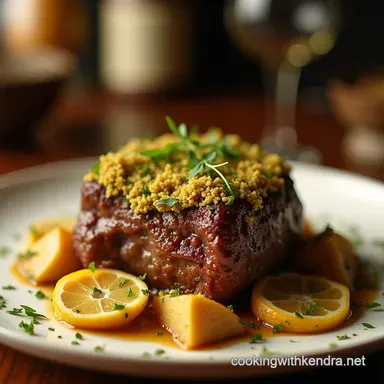
Slowbraised Lamb Shoulder with Preserved Lemon Herb Crust
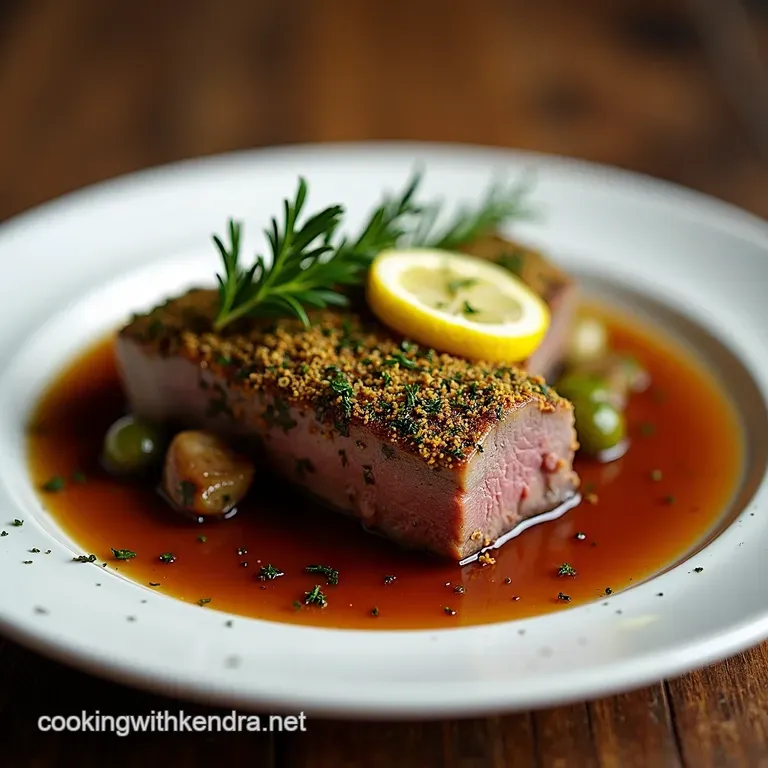
- The Ultimate Sunday Comfort: Mastering the Bone-In Lamb Shoulder Recipe with Complete Preparation Control
- The Tool Box and the Treasure Trove
- Essential Kit for Sunday roast preparation control
- The Core of Our Low and Slow Cooking Guide
- Flavour Builders and the Bright Finish
- Mastering the Controlled Cooking Temperature for the Best Bone-In Lamb Shoulder Recipe
- Recipe Notes: Making Your Masterpiece Go Further
- Frequently Asked Questions
- 📝 Recipe Card
The Ultimate Sunday Comfort: Mastering the Bone-In Lamb Shoulder Recipe with Complete Preparation Control
Honestly, I used to dread the Sunday roast. Lamb was always so tricky. Getting that perfect, melt-in-your mouth texture seemed impossible.
But guess what? I finally cracked the code! This bone-in lamb shoulder recipe is the managed masterpiece you need. We are talking deep, rich flavour here.
It has a beautiful, bright preserved lemon herb crust . It is truly next level Sunday lunch.
Why This Braise Works
This style of cooking is ancient. It uses careful precise braising techniques . We follow a tried and-true low and slow cooking guide .
It takes a while, sure, about four hours in the oven. But the active prep is actually super quick. You just stick it in the oven and let it work.
It is simple to do. You just need patience and precise Dutch oven temperature management . Seriously, trust the process here.
My biggest kitchen failure was rushing the heat. I learned the hard way that controlled cooking temperature is everything. If the oven temperature spikes, your meat gets tough.
That is the opposite of what we want! You must keep that oven heat steady and low.
The Benefits of Going Low and Slow
This method guarantees a beautiful moisture retention braise . This prevents any dreaded dryness. When it's done, the meat is truly fork tender lamb shoulder .
It just falls apart when you touch it. Did you know that meat needs to hit 93° C ( 200° F ) internally to break down tough collagen completely? That is why we check the slow cooked meat internal temperature carefully.
This is your ultimate solution for Sunday roast preparation control . It is perfect for impressing your friends without the stress.
You get hours back while the oven works its magic. Lamb is also packed with healthy protein and iron. It is a fantastic, comforting meal that actually does you some good.
We pair the richness of the lamb with the salty, bright preserved lemon herb crust . This cuts through all that glorious fat perfectly.
It makes every bite feel fresh. Want to know how to start this flavour journey? Let's check out the ingredients list.
The Tool Box and the Treasure Trove
They say patience is a virtue. Honestly, with this recipe, patience is the secret ingredient. This bone-in lamb shoulder recipe is about simple ingredients and precise braising techniques .
You don’t need a Michelin kitchen. You just need the right gear and quality produce. Getting the details managed makes all the difference.
Essential Kit for Sunday roast preparation control
You really don't need much fancy equipment. I promise.
A heavy, cast iron pot, like a Dutch oven , is non-negotiable. This is crucial for Dutch oven temperature management . It holds heat steady, which is essential for our slow cooking.
My pot is a massive hand-me-down. It’s heavy as sin, but it guarantees even cooking.
You also need a reliable meat thermometer. This is key for confirming the slow cooked meat internal temperature . We are aiming for 93° C ( 200° F) .
That temperature ensures the meat is truly fork tender lamb shoulder . A good, sharp knife and sturdy tongs finish the list.
The Core of Our Low and Slow Cooking Guide
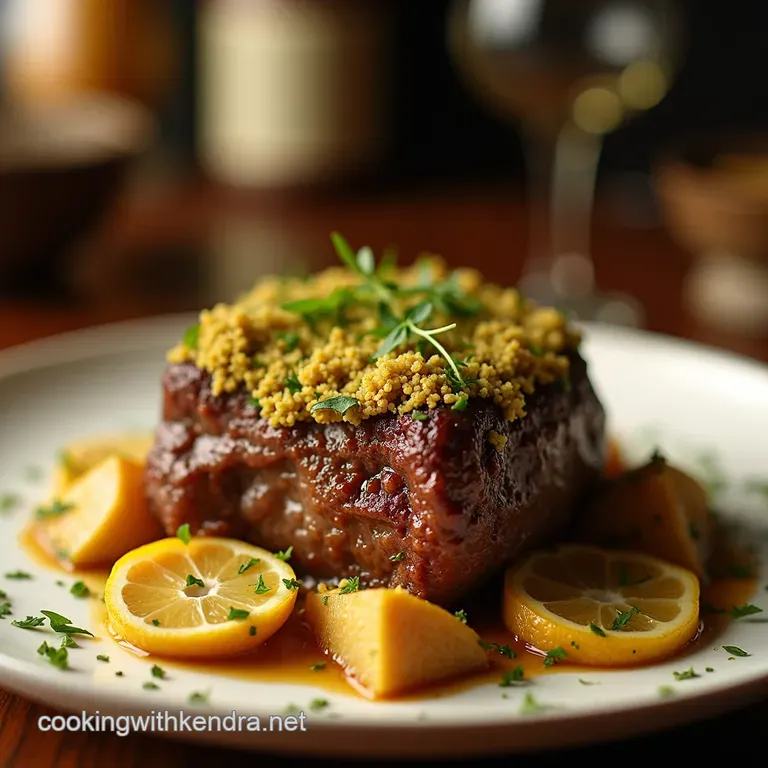
We start with the star. Get yourself a whole bone-in lamb shoulder . Aim for 2 2.5 kg (4.4 5.5 lbs) . The bone adds incredible flavour. Don’t skip the bone!
Quality really shines through when the cook time is this long. For seasoning, we use coarse sea salt ( 2 tsp / 10 g ) and black pepper ( 1 tsp / 5 g ).
Simple, but effective.
The liquid base needs 3 cups (720 ml) of beef or lamb stock. Always use unsalted stock if you can. This allows the salt levels to be perfectly managed by you.
Flavour Builders and the Bright Finish
The aromatics are straightforward. Onions, carrots, and celery make our mirepoix base. I always add a splash of Worcestershire sauce.
That stuff adds a brilliant, dark umami punch. It’s my little secret weapon.
We need a cup of dry red wine ( 1 cup / 240 ml ). This is vital for deglazing and adding depth.
Don't skip the wine! It provides the acid necessary for proper moisture retention braise . If you must, substitute with extra stock and a tablespoon of red wine vinegar.
For the bright finish, we need the zest of one lemon and lots of fresh herbs. The star, though, is the topping.
The preserved lemon herb crust provides a necessary zing. We need 2 Tbsp (30 g) of finely diced preserved lemon peel.
It cuts through the richness beautifully. This bright finish prevents the dish from feeling heavy, even after all that controlled cooking temperature time.
Mastering the Controlled Cooking Temperature for the Best Bone-In Lamb Shoulder Recipe
Honestly, making a huge Sunday roast can feel like tackling a giant physics problem, you know? But this bone-in lamb shoulder recipe is different.
It relies on brilliant temperature control, meaning you’re not slaving over a hot hob. It’s a total game changer and the perfect low and slow cooking guide .
Prep: Getting Your Head in the Game
Right, before we get the magic happening, let’s get organized. This is where you actually get things managed beautifully. My biggest early challenge? Messy counters and rushing.
Don't rush! Get everything ready first. We call this mise en place . Chop your onions, carrots, and celery the classic braising trio.
Measure out the stock and wine. And yes, finely dice that incredible preserved lemon herb crust mixture. That pop of brightness at the end is everything.
A quick safety reminder: If you are using a very sharp knife for that onion, take your time! We want smooth Sunday roast preparation control , not an emergency room trip.
Setting the Stage for Precise Braising Techniques
We need to build flavour layers before the long, relaxing cooking time.
- The Flavour Lock: Pat the lamb shoulder completely dry. Season it aggressively with salt and pepper. Seriously, don't be shy.
- Searing is Key: Heat your heavy Dutch oven until it’s really hot. Sear the lamb hard on all sides until it has a deep, dark crust. This takes about 15 minutes total .
- Build the Base: Remove the lamb. Sauté your chopped carrots and onions until they soften and turn sweet. Add the tomato paste and garlic for just 1 minute.
- Deglazing Magic: Pour in the red wine. Scrape up all those crusty flavour bits from the bottom of the pot. Let the wine reduce by half.
- Tucking it In: Add the stock. Nestle the lamb back in, making sure the liquid hits halfway up the side.
The Low and Slow Cooking Guide
This is the easy bit, as the oven takes charge. This is all about proper Dutch oven temperature management .
- The Commitmen t: Cover the pot tightly . Slide that Dutch oven into the oven preheated to 160° C ( 325° F) .
- Doneness Check: Cook for 4 hours . You want the slow cooked meat internal temperature to reach 93° C ( 200° F) . It should be totally fork tender lamb shoulder . Use a reliable thermometer; don't guess!
Pro Tips for Juicy Results
You want that stunning, meltingly soft texture? A few tricks help.
The Steam Seal: The secret to amazing moisture retention braise ? If your pot lid is loose, place a sheet of parchment paper under it before closing.
This locks every bit of steam inside. It’s like creating a mini sauna for the meat.
Don't Disturb the Peace: Resist the urge to open the lid every half hour! Every time you lift it, you let out heat and disrupt the controlled cooking temperature .
Trust the process.
Resting is Law: Once it hits that target internal temperature, take the lamb out and rest it under foil for 20 minutes .
This is critical for juiciness. Skip the rest, and you waste all that lovely work! When you shred it, sprinkle that bright preserved lemon herb crust right over the top.
Perfect!
Recipe Notes: Making Your Masterpiece Go Further
Honestly, finishing the cook is only half the battle, right? Once you’ve achieved that fork tender lamb shoulder , you want to make sure you get the most joy out of it.
This section is for all the practical stuff, the bits my friends always ask me about after they've finally nailed the bone-in lamb shoulder recipe themselves.
Presentation Control: Serving and Pairing Tips
When it comes to serving, you’ve done the hard work of Sunday roast preparation control , so keep the plating simple.
This lamb is seriously rich. I love shredding the meat right off the bone it should practically fall apart and piling it onto a huge serving platter.
Then, drizzle a generous amount of that glossy, reduced sauce over the top.
That bright preserved lemon herb crust is non-negotiable! Sprinkle that over the top just before guests dive in. It adds crucial colour and zing.
For sides? Creamy mash or cheesy polenta are kings here; they soak up all that gorgeous gravy. Just make sure you include something sharp, like garlicky green beans, to cut through the richness.
My secret for a lush beverage pairing? A dry Spanish red. Job done.
The Art of Leftover Management
Right, let’s talk storage. If you have leftovers (a miracle, frankly), the best way to handle the sauce is to separate it from the meat before chilling.
Transfer the leftover lamb and the sauce separately to airtight containers. Pop them straight into the fridge. I keep them in the coldest part, and they'll happily last 3 to 4 days .
Freezing is totally fine! The moisture retention braise process actually helps here. The cooked, shredded meat freezes brilliantly for up to 3 months .
When reheating, always aim for a slow approach. Whether it’s in the oven (covered tightly) or gently on the hob with a splash of extra stock, you need to reheat slowly to ensure it doesn't dry out.
Low and slow again!
Adapting and Tweaking: Flavour Management
One of the best things about a braise is how easily you can switch things up! If you need a dietary adaptation, this dish is naturally gluten-free and dairy-free as long as you use compliant stock and skip the mash.
Easy peasy.
Seasonal swaps are fun too. In winter, lean into the deep, earthy notes add some porcini mushrooms to your mirepoix. For a spring twist, skip the heavy red wine and use dry sherry, adding fresh peas right near the end.
Honestly, the possibilities are endless once you've managed the base flavours.
Getting Geeky: Simple Nutrition Basics
Yes, this is comfort food, but lamb shoulder brings some serious goodness. It's an excellent source of high-quality protein, which keeps you feeling full.
It’s also packed with iron and B vitamins. Plus, because we used precise braising techniques, a lot of the fat renders out into the sauce (which we skim before serving!), meaning you get all the flavour benefit of the fat, but we’ve managed the heavier elements.
Remember, food should be delicious and nourishing.
Just a Quick Thought...
If you nailed the Dutch oven temperature management and checked that slow cooked meat internal temperature correctly (hitting that magical 93° C ), you have succeeded! You’ve absolutely mastered a truly incredible meal.
Cheers to that!
Frequently Asked Questions
How do I ensure this "managed" braise doesn't end up dry, and why is temperature control so important?
The beauty of this slow braise relies entirely on "managed" low heat. Tough cuts like lamb shoulder have a lot of collagen, which needs a long, gentle cook below boiling point (around 160°C/325°F) to break down into silky gelatine.
If the heat is too high, the meat tightens and dries out before the collagen can fully melt, leaving you with something resembling boot leather a real tragedy!
Preserved lemon sounds a bit fancy; is there a good swap if I can’t get hold of it for the herb crust?
Don't fret if preserved lemons aren't in your pantry; you can achieve a similar brightness by mixing the zest of two fresh lemons with half a teaspoon of sea salt. While preserved lemon provides a unique fermented depth, this quick swap will still deliver the necessary sharp citrus note needed to cut through the richness of the lamb fat.
Just be sure to rinse and finely dice any substitute to match the recipe’s texture.
I’m doing a big dinner party; can I make the Managed Masterpiece ahead of time?
Absolutely, and many experienced cooks swear this dish is even better the next day! Cook the lamb fully, let it cool completely in the braising liquid, then cover and chill overnight. This gives the flavour time to deepen and allows you to easily skim off the solidified fat before reheating.
To serve, bring the pot back to a low simmer on the hob or reheat slowly in a low oven (150°C/300°F) until piping hot.
All that lovely liquid looks amazing how do I turn the braising stock into proper gravy, rather than just watery sauce?
Once you’ve removed the meat, strain the liquid and vigorously skim off the excess fat. Pour the remaining stock into a saucepan and reduce it rapidly over high heat until it coats the back of a spoon this concentrates all those beautiful flavours.
For a real restaurant quality finish, whisk in a tablespoon of cold butter or a tiny slurry of cornflour (cornstarch) at the very end to give it a luscious, glossy sheen.
I’ve noticed my braising pot lid is a bit wobbly; will this compromise the moisture management and ruin the dish?
A slightly wobbly lid is a common niggle, but it’s easily managed! The key to successful braising is keeping the steam trapped inside the pot. If your lid isn't airtight, simply place a large sheet of baking parchment paper or heavy duty foil directly over the pot opening before clamping the lid on.
This creates a perfect seal, ensuring none of that precious moisture escapes during the long, slow cook.
Slowbraised Lamb Shoulder With Preserved Lemon H