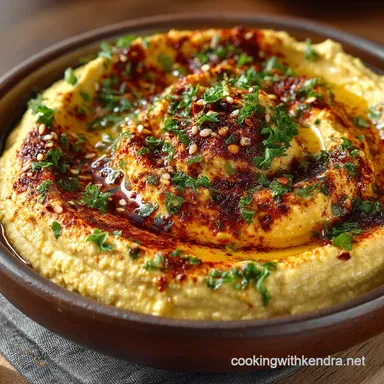
The Velvet Dynamo Speedy Supersmooth Easy Hummus
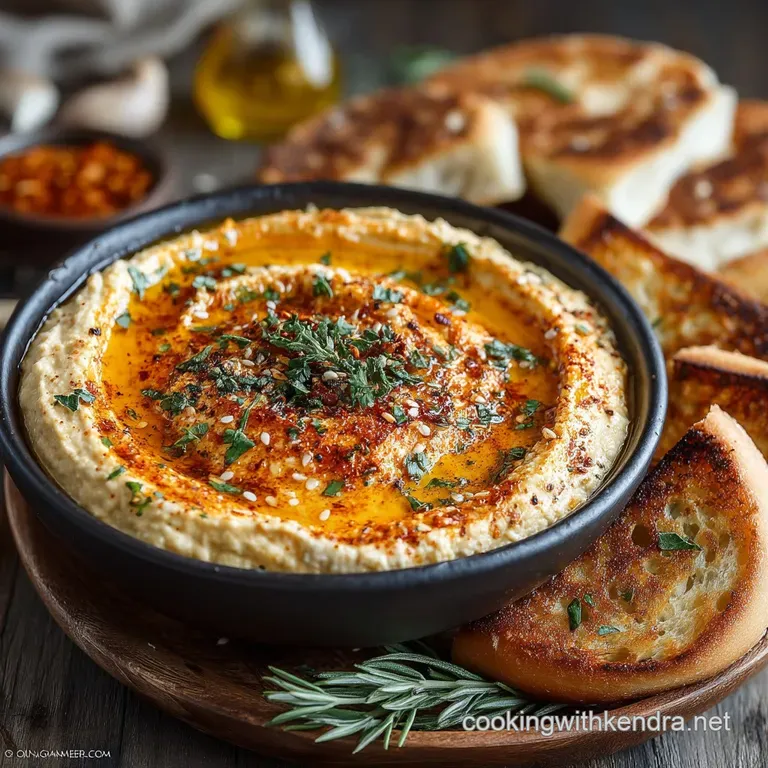
- The Pursuit of Perfectly Smooth Hummus
- Ditch the Deli Tub: Why Homemade Easy Hummus Wins Every Time
- Essential Components for a Restaurant-Quality Dip
- Necessary Kitchen Equipment for Maximum Velocity
- Mastering the Blending Sequence for Easy Hummus
- The Final Adjustments for Flavour and Consistency
- Keeping Your Dip Fresh and Maximizing Leftovers
- Beyond the Basic: Creative Customizations and Pairings
- Recipe FAQs
- 📝 Recipe Card
The Pursuit of Perfectly Smooth Hummus
The journey to the perfect dip often ends in disappointment when relying on pre-packaged options. True, luxurious hummus should be ethereal light, fluffy, bright, and unbelievably smooth, melting on the tongue like velvet. This experience is entirely attainable in your own kitchen.
This simple method yields the absolute Best Hummus Recipe you will ever try, transforming humble ingredients into a culinary masterpiece in under fifteen minutes.
Forget complicated techniques; the secret to achieving this restaurant quality texture lies not in peeling every chickpea, but in a precise blending sequence and the quality of your base ingredients.
This Easy Hummus relies on readily available ingredients and smart processing to create an authentic, luscious spread that will quickly become your entertaining staple.
Ditch the Deli Tub: Why Homemade Easy Hummus Wins Every Time
If you’ve ever wondered why store-bought hummus often tastes heavy or slightly metallic, the answer lies in preservatives and the lack of high-quality, freshly emulsified tahini. By opting for Homemade Hummus , you control the acidity, the salt level, and, most importantly, the texture.
Our approach makes Easy Hummus achievable even on a busy weeknight. The entire process, from opening the cans to garnishing the finished dip, takes a mere 10 to 13 minutes, proving that superior flavor doesn't require complex commitment.
We bypass lengthy soaking entirely by using the simple and effective method of easy hummus with canned chickpeas .
The Magic of Tahini: Choosing the Right Base
A common question among novice cooks is: Do you really need tahini for hummus ? Absolutely, yes. Tahini, the sesame paste, is the backbone of traditional hummus.
It provides the essential richness, nutty depth, and fat necessary for a creamy mouthfeel, lending structure that chickpeas alone cannot replicate. For this recipe, which requires 120 ml (1/2 cup), selecting a quality, hulled sesame paste that is light in colour and runny in consistency is non-negotiable.
If your tahini is rock hard and separated, the finished product will be gritty.
Dispelling the Myths: No Soaking or Peeling Required
While some traditionalists swear by soaking and cooking dried chickpeas, this Easy Hummus Recipe is designed for maximum speed and accessibility. We start with two 15 oz cans (approximately 800g total) of quality garbanzo beans.
After rinsing them well, the only preparation needed is the crucial step of reserving the liquid known as aquafaba which we will use later to achieve that signature lightness.
A Quick Nutritional Snapshot of This Dip
Beyond its incredible flavor, hummus is a powerhouse of accessible nutrition. Based on an estimated 60g serving (one-eighth of the total recipe), this dip provides roughly 160 calories. It is naturally high in plant based protein (around 6g per serving) and healthy fats, thanks to the tahini and olive oil.
It is an excellent source of dietary fiber (about 4g), making this dip as satisfying and fuel efficient as it is delicious.
Essential Components for a Restaurant Quality Dip
What is the secret to good hummus ? It is a perfect balance between acidity, fat, and starch. To achieve true velvetiness, you need three main flavour components: the earthy starch of the canned chickpeas, the deep richness of the tahini, and the brightness of fresh lemon juice (1/4 cup, freshly squeezed is mandatory).
We balance these using 2 large cloves of roughly chopped raw garlic for a sharp punch and fine sea salt (3/4 tsp) to enhance all the flavours. We also incorporate a touch of ground cumin (1/2 tsp) to add subtle, warming depth, though this is optional based on preference.
Necessary Kitchen Equipment for Maximum Velocity
Since this process relies purely on mechanical power, having the right machinery is key to maximizing speed and smoothness.
The Power of the Processor: Blender vs. Food Chopper
While a high powered blender can certainly be used, a sturdy food processor (Essential) is truly the best tool for this job. It handles the thick, dough like consistency of the initial tahini chickpea mixture without overheating or stalling.
The wide base and curved blades of a good food processor ensure continuous contact, which is vital for achieving the airy, light texture required for the Best Hummus Recipe . Using the processor allows for the crucial, prolonged blending time required to pulverize every tiny particle.
Transformative Ingredients: Getting the Chickpeas Ready
Using easy hummus with canned chickpeas saves hours, but they require a simple prep step. Drain the 800g of chickpeas and rinse them thoroughly, making sure to catch and reserve the aquafaba in a separate container.
For the smoothest result possible the kind served in high end Middle Eastern restaurants the chef's trick is to warm the rinsed chickpeas with boiling water for a minute, drain, and blend them while still warm. This heat helps break down any remaining skins instantly, ensuring that luxurious finish.
Sourcing Quality Tahini for Depth of Flavor
As noted earlier, tahini is the star of this show, providing the foundation for the dip’s flavour. We use 120 ml of the creamy, runny, hulled sesame paste. Check the ingredient label; it should ideally contain only sesame seeds.
A well mixed tahini contributes a slight bitterness and incredible mouthfeel, which helps bind the mixture beautifully with the generous portion of fresh lemon juice.
Why Ice Water is Your Secret Weapon
The reserved liquid (aquafaba) is paramount. We use 2 to 6 tablespoons (30 90 ml) of this aquafaba to adjust the final texture. However, a brilliant alternative and a true chef's secret is to use ice-cold water or a few small ice cubes.
When blended in, the extreme cold helps emulsify the fat in the tahini and the starch in the chickpeas, resulting in an incredibly pale, light, and airy dip.
Related Recipes Worth Trying
- Foolproof One Pan Cilantro Lime Chicken and Rice Easy Weeknight Meal — The ultimate weeknight winner Zesty One Pan Cilantro Lime Chicken and Rice Succulent thighs cook over fragrant fluffy rice Minimal washing upmaximum flavour
- The Sunday Roast of Pasta Proper Easy Baked Ziti Recipe — Forget the fuss This Easy Baked Ziti recipe is foolproof delivering rich ground beef ragu and creamy seasoned ricotta Absolute onedish comfort food ready in...
- Flaky Easy Shortcut Apple Danish Recipe Ready in 50 Minutes — Skip the yeast This foolproof Shortcut Apple Danish uses flaky puff pastry for a buttery golden treat Ready in under an hour for a quick apple dessert...
Mastering the Blending Sequence for Easy Hummus
The true mastery behind this Easy Hummus Recipe lies not in the ingredients themselves, but in the specific order and duration of blending. You cannot simply throw everything into the machine at once and expect perfection.
The goal is to first create a high fat emulsion, then introduce the starch, and finally lighten the entire structure with cold liquid. This systematic approach ensures every batch of Homemade Hummus is flawlessly smooth.
The Final Adjustments for Flavour and Consistency
Whipping the Tahini and Lemon Base First
Begin by adding the tahini, lemon juice, chopped garlic, and salt to the food processor bowl. Process this mixture for a full 1 to 2 minutes. What happens here is magic: the mixture will thicken significantly, turning lighter in colour and almost fluffy.
This crucial step an initial emulsification is what prevents a grainy final texture.
Incorporating the Chickpeas for Creaminess
Next, scrape down the sides, add the rinsed chickpeas and the ground cumin. Begin processing vigorously. The mixture will immediately look quite dry and heavy, like a stiff paste. Continue blending for a dedicated 3 to 4 minutes.
Allow the machine to run continuously; this sustained friction is necessary to fully break down the chickpeas.
Slowly Adding Liquid for the Perfect Thickness
Once the mixture is thick and hot from blending, it’s time to introduce the cold liquid. While the processor is running, slowly drizzle in the reserved aquafaba (or ice water), one tablespoon at a time.
The mixture will instantly change texture, transforming from a thick paste into a glossy, smooth, and noticeably lighter spread that falls easily off a spatula. Adjust until you reach your desired cloud like consistency; you may not need all 6 tablespoons of liquid.
Taste Testing and Seasoning Like a Professional Chef
The final 30 seconds of processing should be dedicated to flavor refinement. Stop the machine, give the hummus a proper taste, and check for balance. Does it need more brightness? Add a squeeze of lemon. Does it taste slightly flat? Incorporate a pinch more salt.
If you desire deeper earthiness, add another small dash of cumin. Process briefly to incorporate these final seasonings for the ultimate Best Hummus Recipe .
Keeping Your Dip Fresh and Maximizing Leftovers
Finished Homemade Hummus can be stored exceptionally well. Transfer the remaining dip into an airtight container and store it in the refrigerator. It will thicken slightly when chilled, but the flavour will actually deepen over the next 24 hours.
The dip is best enjoyed within 5 days of preparation. To serve chilled leftovers, simply allow it to rest at room temperature for about 15 minutes, or mix in a spoonful of cold water or a drizzle of olive oil to restore its luxurious, airy texture before plating.
Beyond the Basic: Creative Customizations and Pairings
This foundational Easy Hummus provides the perfect blank canvas for endless flavor creativity, allowing you to easily shift the experience in minutes.
How to Fix Runny or Too-Thick Hummus
If your dip is too runny (you added too much liquid), simply incorporate another tablespoon or two of well drained chickpeas and blend vigorously for 60 seconds to re-thicken the mix.
Conversely, if your hummus is too thick and stiff, continue blending while slowly adding extra aquafaba or ice water until the desired smooth, floppy consistency is reached.
Garnishing for Maximum Visual Appeal
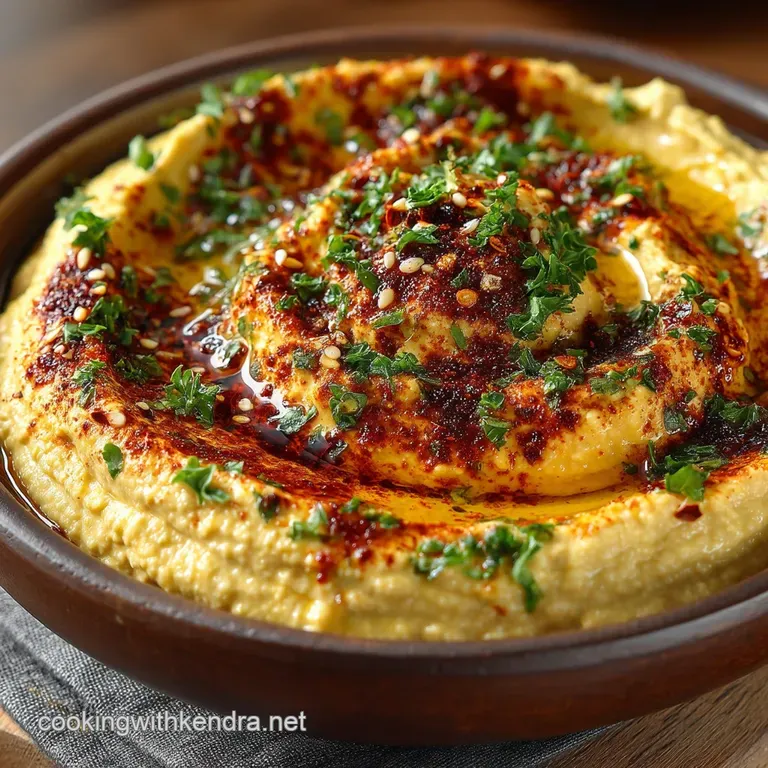
Presentation is key, especially with a dip as visually appealing as hummus. Once plated in a shallow bowl, create a small swirl depression in the centre using the back of a spoon. Drizzle generously with 2 tablespoons of high-quality extra virgin olive oil the oil must be fruity and flavourful and finish with a vibrant dusting of paprika or sumac.
This contrast of colour elevates the dish immediately.
Five Minute Flavor Shifts: Spicy, Roasted Red Pepper, or Beet Hummus
This Easy Hummus Recipe is highly adaptable. For a savory twist, try Roasted Red Pepper Hummus by blending in 120g (1/2 cup) of well drained jarred red peppers alongside the chickpeas. For an earthier, sweeter option, caramelise one small onion and blend it in.
If you want a quick kick, add a pinch of cayenne or a small roasted jalapeño.
Serving Suggestions: The Best Accompaniments for Easy Hummus
A proper, generous serving of Homemade Hummus deserves appropriate companions. For the most classic experience, serve it alongside warm, pillowy pitta bread that has been slightly charred.
Alternatively, pair it with crunchy pita chips, or a vibrant array of crisp crudités like cucumber spears, carrot sticks, or colourful bell peppers. For a protein rich meal, use this creamy dip as the essential moist spread in falafel burgers or any Mediterranean style wrap.
Recipe FAQs
My homemade hummus always comes out a bit grainy. What's the secret to that lovely, velvety texture?
The key to achieving that restaurant quality, cloud like finish often boils down to two things: patience and technique. Firstly, you must blend the tahini, lemon, and garlic first until it turns pale and fluffy that’s the non-negotiable backbone of great hummus.
Secondly, use the chef’s tip of warming your chickpeas slightly (a quick minute in boiling water works wonders) and blending for longer than you think you need, scraping down the sides religiously.
I'm having a big bash on Saturday. Can I make this Easy Hummus recipe on Friday and will it still be a showstopper?
Absolutely! Hummus is a fantastic make-ahead option and tastes brilliant the next day as the flavours marry up. Just ensure you cover it tightly in the fridge, ideally pressing cling film directly onto the surface to prevent a slight skin from forming.
Before serving, give it a vigorous stir and refresh it with a drizzle of quality olive oil and a final squeeze of fresh lemon to bring it back to life.
The recipe calls for reserved chickpea liquid (aquafaba). Can I just use regular tap water instead?
You certainly can use water if you prefer, but aquafaba is the clever little trick that makes this recipe so naturally smooth and light! It contains starches and proteins from the chickpeas, which help the hummus emulsify beautifully, creating a much fluffier texture than plain water.
If you skip it, always use ice-cold water or even a few ice cubes blended in; the cold temperature helps stabilise the structure, yielding a better result.
Tahini is a bit pricey, or maybe I've run out. Is there a good substitute for tahini in hummus?
Honestly, tahini is the essential ingredient it gives hummus that distinct, slightly bitter, nutty depth and body. If you leave it out, you’re essentially left with seasoned chickpea purée, not a proper dead ringer for hummus!
However, if you are truly in a pinch, you could try natural, unroasted cashew butter or sunflower seed butter for a similar fatty creaminess, but expect the flavour profile to be quite different.
Once I’ve mastered the classic version, how can I jazz up this hummus for a bit of variety?
The world is your oyster once you nail the base recipe! For a vibrant, smoky twist, blend in half a cup of drained, jarred roasted red peppers, or introduce some heat with a swirl of harissa paste.
For an incredibly comforting, earthy flavour, try blending in some finely caramelised onions or even some fresh coriander (cilantro) and a touch of jalapeño for a kick just remember to adjust your salt and lemon at the end.
Speedy Smooth Easy Hummus Recipe