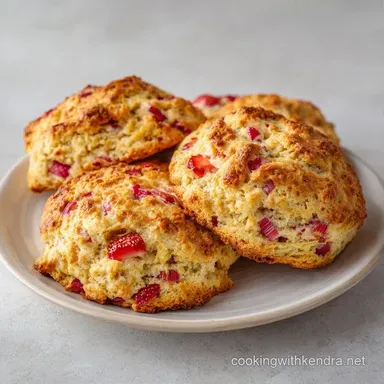
Strawberry Rhubarb Drop Scones: Tender and Buttery
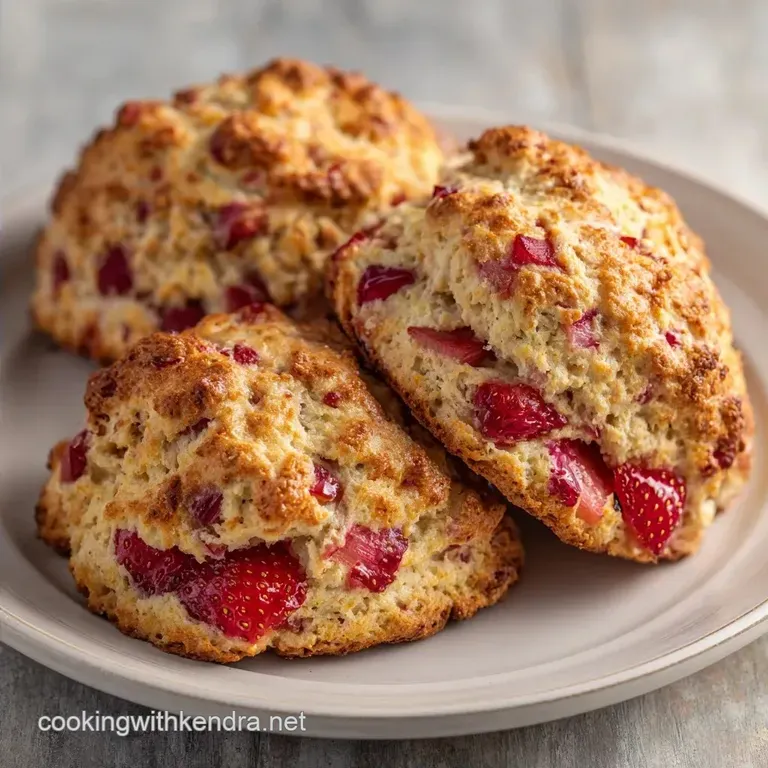
- Time: 10 min active + 20 min baking
- Flavor/Texture Hook: Tart, jammy fruit pockets in a buttery, crisp scone
- Perfect for: Sunday brunch or a spring tea party
- Strawberry Rhubarb Scones for Spring
- Why the Dough Works
- The Recipe Specs
- Shopping List Breakdown
- Necessary Kitchen Gear
- Making the Scones
- Avoiding Common Pitfalls
- Creative Flavor Twists
- Adjusting the Batch Size
- Debunking Baking Beliefs
- Storage Guidelines
- Plating and Serving
- Recipe FAQs
- 📝 Recipe Card
The smell of warm cinnamon and bubbling rhubarb always takes me back to my grandmother's kitchen in the early spring. In the South, the arrival of rhubarb meant the winter was finally giving up, and we'd spend the morning picking stalks and berries to bake into everything.
It's a tradition of contrast, pairing the sharp, almost aggressive tang of the rhubarb with the sweetness of sun ripened strawberries.
These aren't the stiff, dry scones you find in some tea shops. We're making a drop scone, which is far more forgiving and has a craggy, rustic look that feels like home. You don't have to worry about precise cutting or perfectly round shapes here.
You can expect a treat that's golden on the outside and soft, almost cake like on the inside. These Strawberry Rhubarb Scones bring that specific bright, zingy flavor that only comes from fresh seasonal produce.
Strawberry Rhubarb Scones for Spring
Right then, let's get into why these actually work. Most people overwork their dough, which turns a scone into a hockey puck. The goal here is to keep the butter in distinct, cold chunks so it creates steam pockets in the oven.
According to Serious Eats, minimizing gluten development is the only way to get that flaky texture. If you've ever tried my Sultana Scone Recipe, you'll know that a light touch is everything.
- Cold Butter
- Chilled fats melt slowly, leaving air gaps that lift the dough.
- Buttermilk Acidity
- The acid reacts with baking powder to create a better rise and a tender crumb.
- Fruit Maceration
- Tossing fruit in sugar and flour first stops them from sinking and prevents the dough from getting too soggy.
| Ingredient Type | Fresh | Shortcut (Frozen/Canned) | Impact |
|---|---|---|---|
| Berries | Fresh Strawberries | Frozen Berries | More juice bleed, purple dough |
| Rhubarb | Fresh Stalks | Canned Rhubarb | Mushier texture, less tart |
| Dairy | Fresh Buttermilk | Milk + Lemon Juice | Slightly less rich, still works |
Why the Dough Works
The balance of acidity and fat is what gives this recipe its character. By using buttermilk instead of regular milk, we ensure the crumb stays soft even after the scones cool.
What Each Ingredient Does:
| Ingredient | What It Does | Best Swap |
|---|---|---|
| Buttermilk | Tenderizes gluten & adds tang | Plain yogurt thinned with milk |
| Baking Powder | Provides the primary lift | Cream of tartar + baking soda |
| Cold Butter | Creates flaky layers | Frozen grated butter |
| Cinnamon | Bridges fruit and dough flavors | Nutmeg for a warmer note |
The Recipe Specs
For this bake, you'll need a few basics. I prefer using a large mixing bowl and a pastry cutter, but a fork works just as well if you've got a strong wrist.
Precision Checkpoints:
- Oven Temp: 400°F (200°C)
- Bake Time: 20 minutes
- Fruit Dice: ¼-inch pieces
Shopping List Breakdown
Grab these from the store. Make sure the butter is unsalted so you can control the seasoning yourself.
For the Fruit Mix
- 1 cup (150g) fresh rhubarb, diced into ¼-inch pieces
- 1 cup (150g) fresh strawberries, diced
- 2 tbsp (25g) granulated sugar
- 1 tbsp (8g) all purpose flour
For the Scone Dough
- 2 cups (250g) all purpose flour Why this? Standard protein level for a tender lift
- ⅓ cup (65g) granulated sugar
- 1 tbsp (12g) baking powder
- ½ tsp (3g) salt
- ½ cup (113g) unsalted butter, cold and cubed Why this? Essential for flakiness
- ¾ cup (180ml) buttermilk, chilled
- 1 tsp (5ml) vanilla extract
- ½ tsp (2g) ground cinnamon
Necessary Kitchen Gear
You don't need a fancy setup for this. A baking sheet and some parchment paper are non negotiable, as the butter in the dough can cause sticking if you go bare metal. If you have a stand mixer, you can use the paddle attachment on low, but I honestly prefer doing it by hand to avoid over mixing.
Making the Scones
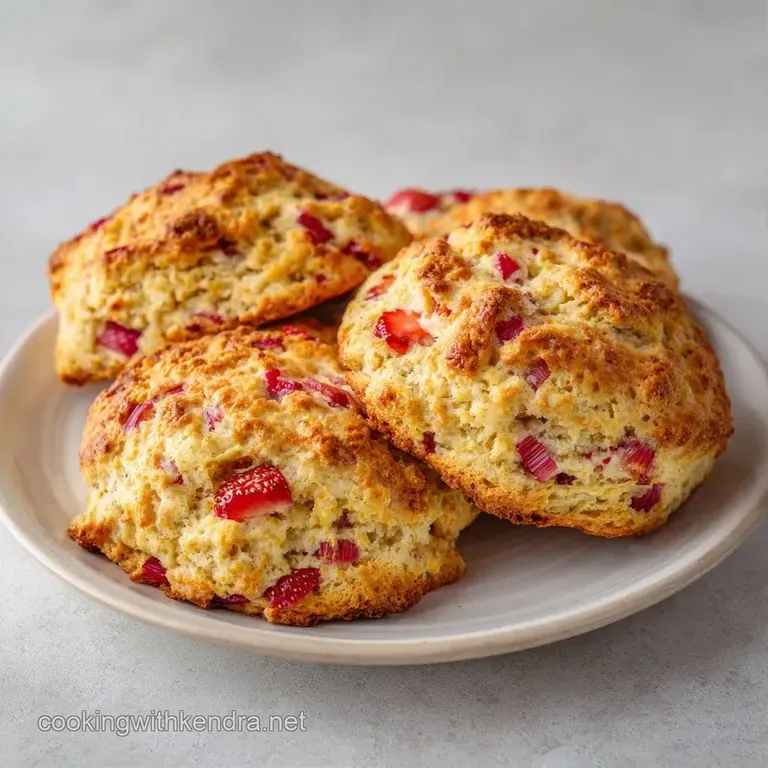
Let's crack on with the process. Trust me on the fruit prep don't skip the flour toss.
- Toss the diced rhubarb and strawberries with 2 tablespoons of sugar and 1 tablespoon of flour. Let this sit for 5 minutes to macerate the fruit.
- Whisk together the flour, sugar, baking powder, salt, and cinnamon in a large bowl until well combined.
- Add the chilled, cubed butter to the flour mixture. Use a pastry cutter or forks to work the butter into the flour until the mixture resembles coarse crumbs with a few pea sized lumps remaining.
- Stir in the chilled buttermilk and vanilla extract until the dough just comes together. Gently fold in the strawberry rhubarb mixture until just combined. Note: Stop stirring the moment you don't see dry flour.
- Preheat oven to 400°F (200°C) and line a baking sheet with parchment paper.
- Drop 8 equal mounds of dough onto the sheet.
- Bake 18–22 minutes until golden brown and the edges are set.
- Let them cool on the pan for 5 minutes before moving them to a wire rack.
Avoiding Common Pitfalls
The most frequent issue I see is the "flat scone" syndrome. This usually happens because the butter melted before the scones hit the oven. If the dough feels greasy or soft, pop the whole bowl in the fridge for 15 minutes before scooping.
Why Your Scones Are Tough
Over mixing is the culprit here. When you stir the buttermilk into the flour, you're developing gluten. Too much of that, and you've made a biscuit instead of a scone. Use a spatula and fold gently.
Controlling Fruit Bleed
If your Strawberry Rhubarb Scones look more like purple blobs than fruit studded treats, your fruit was likely too wet. Always pat your berries dry after washing them.
Fixing Flat Scones
Flat scones often stem from expired baking powder or warm butter. Always check the date on your leavening agents.
| Problem | Root Cause | Solution |
|---|---|---|
| Scones spread too much | Butter was too warm | Chill dough 15 mins before baking |
| Dry, crumbly texture | Too much flour | Use a kitchen scale for accuracy |
| Fruit sank to bottom | Dough too wet/fruit too heavy | Toss fruit in flour before adding |
Creative Flavor Twists
If you want to shake things up, try adding a handful of lemon zest to the dry ingredients. It brightens the strawberry flavor and plays well with the rhubarb. For a richer version, you could swap the vanilla for almond extract, which gives it a more "bakery" feel.
If you're in the mood for something even more buttery, you can use a technique similar to my Homemade Pie Crust by keeping the fat even colder. Some people like to add a drizzle of honey on top before baking for a sticky, caramelized crust.
Decision Shortcut:
- If you want more tartness, increase the rhubarb ratio.
- If you want a sweeter finish, add a simple powdered sugar glaze.
- If you want a crunchier top, sprinkle coarse sanding sugar on each mound.
Adjusting the Batch Size
Scaling these is pretty straightforward, but baking is a science, so a few tweaks are needed.
Scaling Down (½ Batch): Use a smaller baking sheet. Reduce the bake time by about 2-3 minutes. For the egg or liquid, just measure half carefully with a tablespoon.
Scaling Up (2x Batch): Don't double the salt or cinnamon use 1.5x instead, or the flavor becomes too aggressive. Work in batches so you don't overcrowd the oven, which can drop the temperature and ruin the rise. If you bake two trays at once, rotate them halfway through.
Debunking Baking Beliefs
You might hear that you need to "knead" scone dough to make it strong. That's actually the opposite of what you want. Kneading develops gluten, which makes the scone tough. You want the bare minimum of mixing.
Another myth is that you must use a food processor for the butter. While it's fast, it often over processes the fat into the flour, removing those pea sized lumps that create the flaky layers. A fork or pastry cutter is actually better for texture.
Storage Guidelines
Keep these in an airtight container at room temperature for up to 2 days. To keep them fresh, I suggest putting a piece of parchment paper between layers so they don't stick.
Refrigeration: They last about 5 days in the fridge, but they'll lose that initial crispness.
Freezing: These freeze beautifully. Wrap each scone individually in foil and toss them in a freezer bag for up to 3 months.
Restoring the Crunch: To reheat, don't use the microwave it makes them rubbery. Put them in a 350°F (175°C) oven for 5-8 minutes. They'll come back to life and taste just like they were freshly baked.
Zero Waste Tip: Don't throw away the rhubarb leaves unless they look wilted, though be careful large amounts of rhubarb leaves are toxic. Instead, save any leftover strawberry tops and stems to infuse into a quick sugar syrup for cocktails or desserts.
Plating and Serving
For a classic tea service, serve these warm with a dollop of clotted cream or salted butter. The heat from the scone melts the butter into the crannies, highlighting the tartness of the fruit.
If you're doing a brunch board, pile the Strawberry Rhubarb Scones in the center and surround them with fresh berries, honey, and maybe some lemon curd. The contrast of the golden crust against the bright red fruit looks stunning on a wooden platter.
Since these are drop scones, they have a naturally rugged look that feels relaxed and inviting.
Recipe FAQs
What is the tried and-true best recipe for shortcake?
Use a chilled butter and buttermilk base for the best texture. Combine flour, sugar, baking powder, salt, and cinnamon, then fold in macerated strawberries and rhubarb before baking at 400°F.
How to make shortcakes?
Cut chilled, cubed butter into a mixture of flour, sugar, baking powder, salt, and cinnamon. Stir in cold buttermilk and vanilla, fold in the fruit, and bake at 400°F for 18 22 minutes.
What is a great recipe for cinnamon scones?
Mix ½ tsp of ground cinnamon directly into your dry ingredients. This adds a warm aromatic layer that complements the tartness of the rhubarb and sweetness of the strawberries.
Are scones more sweet or savory?
They can be both, but these are sweet. These scones use granulated sugar and fresh fruit, making them a perfect sweet breakfast or dessert treat.
What are scones best eaten with?
Serve them warm with butter or clotted cream. If you loved the sweet tart balance in this recipe, see how we use a similar acid technique in our classic margarita to achieve a balanced flavor.
How to cook scones?
Bake at 400°F (200°C) for 18 22 minutes. Place 8 equal mounds of dough on a parchment lined baking sheet and remove them once they are golden brown.
How to make a strawberry shortcake?
Macerate diced strawberries and rhubarb with sugar and flour for 5 minutes. Fold this mixture into a dough made of flour, sugar, baking powder, salt, cinnamon, butter, buttermilk, and vanilla, then bake at 400°F.
Strawberry Rhubarb Scones 5