The Art of the Managed Wellington
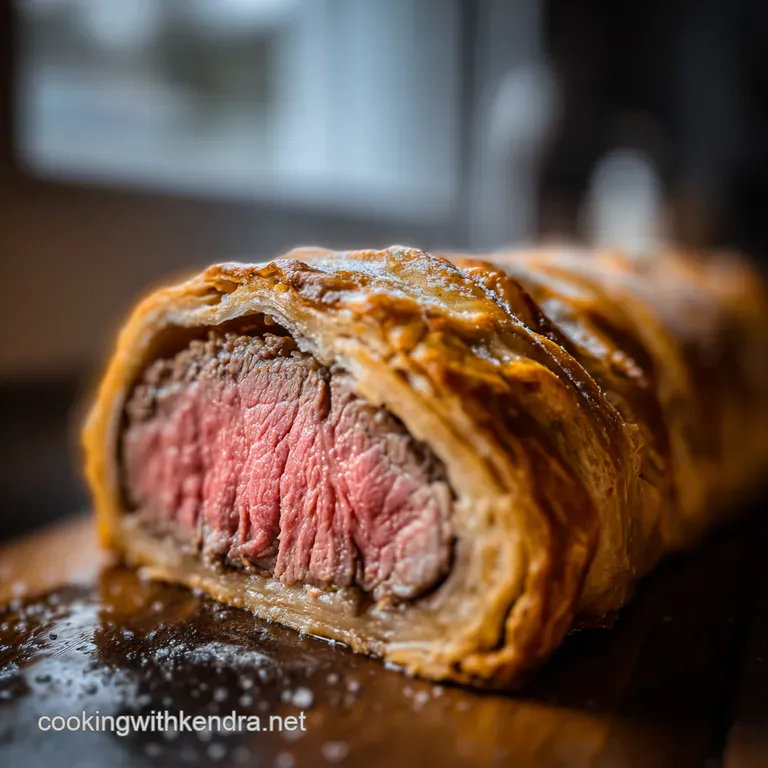
The Controlled Classic: Managed Moisture Beef Wellington
Have you ever scrolled past a photo of a flawless Beef Wellington recipe ? It looks like a culinary Everest, doesn't it? Honestly, I used to think making one was impossible.
It felt too fancy for my kitchen. But here is the secret. Success is totally managed . This dish is a true test of precision cooking steps.
We are going to absolutely nail this classic.
What Makes This Wellington Different?
This isn't a casual weeknight meal. This recipe is a showstopper. It screams special occasion. Think Christmas dinner or a huge anniversary.
The Wellington is deeply British. It's often traced back to the Duke of Wellington himself. He apparently loved beef cooked this way! But the technique is universal.
It requires focus and strict moisture control techniques . That is where most home cooks mess up.
My first attempt was a complete soggy disaster. Oh my gosh, I wanted to cry! I realized quickly that mushroom duxelles preparation is everything.
If the duxelles are wet, your pastry is doomed. You get that dreaded "soggy bottom prevention" failure. This version is all about management.
We are making sure a dry filling. We use a prosciutto moisture barrier deliberately.
Why You Need to Master This
This recipe is technically hard. I won't lie about that. But the payoff is immense. You get perfectly golden, flaky pastry.
The beef inside is juicy and medium rare. We achieve this through meticulous temperature management for pastry and meat. This whole process must be carefully managed .
It ensures a perfect experience every time.
We are focusing on true precision. We don't guess the internal temperature. That is risky business. We rely on an instant read meat thermometer .
It is your absolute best friend here. This specific Beef Wellington recipe yields six generous servings. It needs about 3.
5 hours total, mostly chilling time. The puff pastry chilling time is non-negotiable, by the way. It guarantees that incredible lift.
We break down every layer for you. We cover the perfect tenderloin searing . We show you the trick for the dry duxelles.
This is the ultimate guide. Once you master this managed technique, you will cook like a professional. Now, let’s get down to those vital ingredients!
The Controlled Classic: Gear and Goodies
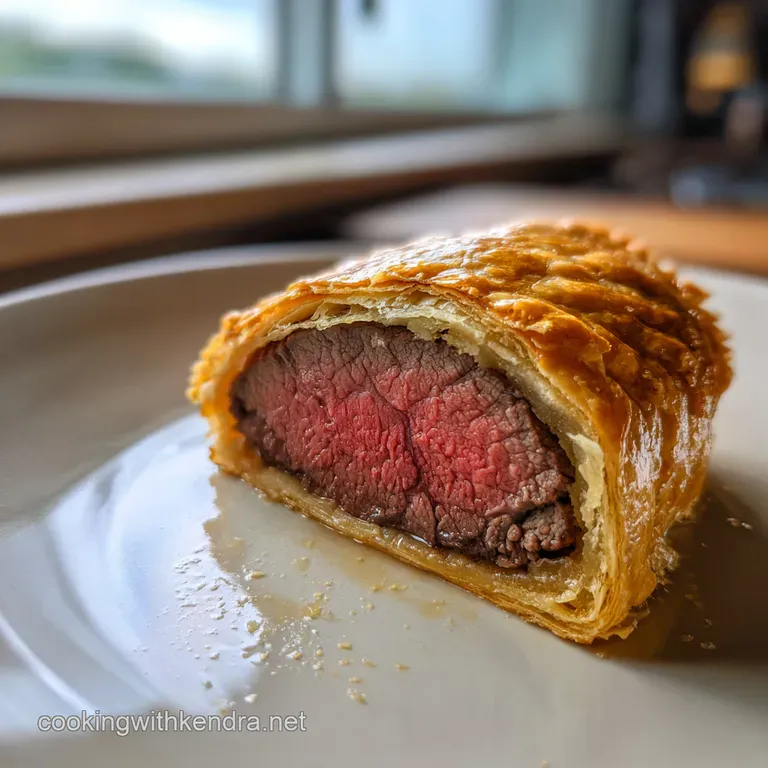
Right then, let's talk essentials. If the Beef Wellington is the star of the show, these ingredients are the highly managed supporting cast.
Honestly, you can't cheat on quality here. I tried once, using budget pastry, and the outcome was... messy. We are focused entirely on Moisture control techniques today.
Every item listed below plays a vital role in preventing that culinary horror story: the dreaded soggy bottom prevention .
What You Need for a Flawless Fillet
For this recipe, serving six, precision matters. We are not just cooking; we are engineering a masterpiece.
The Core Ingredients
For the beef, grab a stunning 1.5 lb (700g) Beef Tenderloin Fillet. Treat it with respect! After a quick Tenderloin searing in 2 Tbsp (30 ml) olive oil, it gets a coating of 2 Tbsp (30g) Dijon mustard.
Dijon is non-negotiable; it adds flavour and helps the next layer stick.
The filling is where the magic happens. We need 1.5 lb (700g) mixed mushrooms for the Mushroom duxelles preparation .
Don’t be afraid to use the food processor you want a very fine chop. Cook this down in 2 Tbsp (30g) butter with fresh thyme.
I cannot stress this enough: cook it until it’s sticky and dry. If there’s moisture, your pastry dies.
Finally, the protection layer: 12 slices of thin, good quality Prosciutto moisture barrier . This ham acts like a raincoat for the puff pastry.
Pastry and Chill Time
You need 1 lb (450g) of all-butter Puff Pastry. store-bought is fine, but it must be kept ice-cold . The Puff pastry chilling time is non-negotiable for success.
If the pastry is warm, the butter melts before it even hits the heat, ruining your Temperature management for pastry .
We need that golden puff! You also need two large eggs, whisked, for the egg wash.
Tools for Precision Cooking
This is a Precision cooking steps process, which means you need the right gear. Forget fancy gadgets; you just need one essential piece of kit.
The absolute must have? An Instant read meat thermometer . Forget poking it with a skewer. That’s for amateurs. We need to hit exactly 130 135° F (54 57° C) for medium rare.
Insert the thermometer horizontally through the side right before it goes in. This tool is the difference between a perfect dinner and a dry disappointment.
You'll also need a heavy skillet (cast iron is my favourite for searing) and plenty of cling film. Seriously, the film helps you roll the tightest beef cylinder possible before the final wrap.
That tight roll is key to structure.
This whole process relies on you feeling totally in control the successful outcome is directly related to how effectively you've managed the heat and the moisture throughout the entire assembly.
Ditching the Disaster: Making Your Wellington a Winner
Honestly, if you told me five years ago I could master the classic Beef Wellington recipe , I’d have laughed.
It feels like this epic, impossible mountain, right? My first few attempts were disasters. Think: grey beef and a pastry base so wet it could swim hello, soggy bottom prevention failure! But I cracked the code.
It all comes down to control. Every successful Wellington is one that has been expertly managed .
Essential Prep for a Perfect Pastry
Forget everything else for a moment and focus on the wet stuff. Your biggest enemy is moisture. This is where we nail the prep steps.
First, the sear. Pat that beef dry! I mean bone dry. Use plenty of salt and pepper. Get your pan smoking hot for the initial tenderloin searing .
We aren't cooking the beef, just giving it a beautiful crust and flavour. Sear it for about 90 seconds per side.
Get it off the heat and glaze it immediately with mustard. Let it cool completely.
Next is the magic filling: the mushroom duxelles preparation . Use a food processor, but don't over blend! Cook this mix slowly.
You must cook out all the liquid. I usually manage this over medium heat for 15 20 minutes . When it looks like thick paste and starts sticking to the pan, you've done your job.
These are crucial moisture control techniques .
Rolling Out the Red Carpet (And the Prosciutto)
Now for the assembly. We need layers. Think protection! Lay out a sheet of cling film. Shingle your prosciutto moisture barrier slices.
They overlap like roof tiles. Spread your chilled duxelles evenly over the ham. This layer is what saves the puff pastry.
Place your cold, seared fillet on the edge. Roll it up tightly using the cling film to create that perfect cylinder.
Twist the ends like a giant sweet wrapper. This tight seal is one of the most important precision cooking steps because it holds the shape.
Now, straight into the fridge for at least 30 minutes . That puff pastry chilling time isn't a suggestion it’s mandatory for success!
The Thermometer is Your Lifeline
Seriously, listen to your Aunty Blogger here: you need an Instant read meat thermometer . Guessing the internal temperature of a thick piece of meat encased in pastry is impossible.
You need total temperature management for pastry success.
When the Wellington is wrapped and chilled (another 90 minutes of chilling, please!), bake it at a hot 400° F ( 200° C) .
Check it constantly after the 30-minute mark. Pull it out when the internal temperature hits 130 135° F (54 57° C) for medium rare.
Don't worry about the pastry if you chilled it properly, it will manage the heat and get gorgeously golden brown while the beef rests inside.
That ten minutes of resting time is where the magic happens!
Nailing the Nitty Gritty: Your Wellington Q&A
Right then, you've mastered the precision cooking steps and conquered the layering. Honestly, after all that careful work, you need to know how to celebrate and manage those leftovers.
Making a showstopper like a Beef Wellington recipe is only half the battle. The notes below help you keep things perfect right until the very last bite.
The Presentation Game and Pairing Pointers
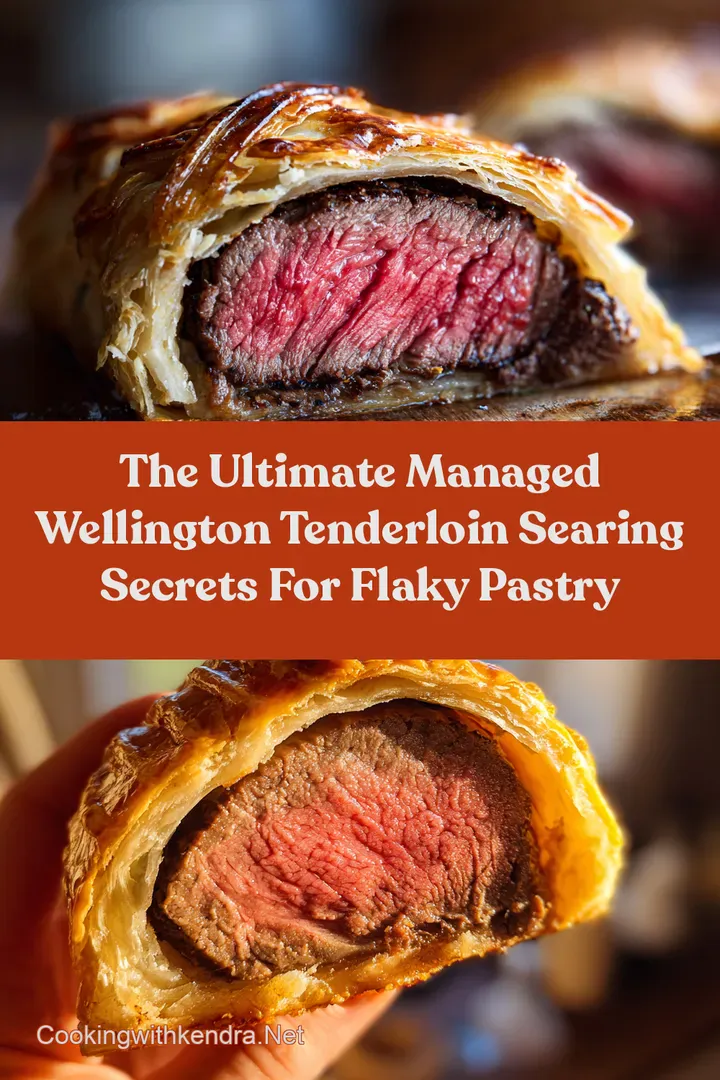
Carving is the big reveal. Use your sharpest knife! When you slice that beauty, seeing the perfect ring of golden pastry, then the prosciutto moisture barrier , the dark mushroom duxelles preparation , and the pink fillet? Oh my gosh! It’s better than any restaurant version if you follow the steps.
Serve it simple. This dish is rich, so pair it with something fresh. I always do classic buttered asparagus or tenderstem broccoli.
For a carb, a silky smooth mashed potato (pommes purée) is essential. Skip the gravy a fine, deep red wine jus is all you need.
You want the flavour of the perfectly tenderloin searing to shine through.
Keepin' It Fresh: Storage & Reheating Hacks
I’m going to be straight with you: this is always best eaten immediately. That fresh puff pastry chilling time gives you that incredible lift, and you lose some of that when storing.
If you have leftovers, store them sealed in the fridge for up to three days. Whatever you do, DO NOT microwave it.
That guarantees a soggy bottom prevention failure. To reheat, you need serious temperature management for pastry . Place slices on a baking tray and reheat in a low oven ( 300° F / 150° C ) for about 15 20 minutes.
This slowly crisps the pastry without overcooking the beef.
Mixing It Up: Swaps and Dietary Wins
Sometimes you need a switch-up. For seasonal swaps, use wild mushrooms like chanterelles during autumn for your duxelles the flavour is unreal.
If you’re catering for a vegetarian, skip the meat and use the duxelles as the base. We successfully managed to adapt the wrapping method by using pre-roasted butternut squash or portobello mushrooms instead of beef.
Just make sure you apply the same moisture control techniques to keep the pastry dry!
Fuel Facts: Nutrition Basics
Look, we aren't pretending this is a salad. It’s an indulgence. However, it's a massive source of high-quality protein from the beef.
You’ve got nutrients from all those mushrooms and shallots too. It's a proper, hearty meal where every component is carefully managed .
It gives you loads of energy and a fantastic dose of iron. Think of it as a special occasion fuel-up.
You put in the effort. You used the instant read meat thermometer right, you nailed the chilling time. Now go forth, carve it up, and enjoy the praise. You earned it!
Frequently Asked Questions
Oh dear, how do I avoid the dreaded 'soggy bottom' on my puff pastry when baking this Managed Wellington?
The secret lies in rigorously managing moisture before assembly a soggy bottom is a chef's worst nightmare! Ensure your mushroom duxelles is cooked until it is completely dry; it should be sticky and almost paste like, not wet.
The prosciutto layer is essential as a moisture barrier, but critically, the pastry must be ice-cold before it goes into a hot oven (400°F / 200°C) to ensure the butter sets and puffs immediately.
What is the absolute best way to check the internal temperature without ruining the beautiful pastry crust?
An instant read meat thermometer is non-negotiable for success here; guesswork leads to tragedy. Insert the probe horizontally through the side of the pastry, aiming for the dead centre of the beef fillet.
For classic medium rare perfection, you must pull the Wellington out of the oven when it hits 130 135°F (54 57°C), as the beef will continue cooking during the mandatory resting period.
Can I prepare the Managed Wellington completely a day ahead of time, or is that tempting fate?
Absolutely, planning ahead is the key to successfully managing a tricky dish like this! You can assemble the entire Wellington, including the final pastry wrap and egg wash, up to 24 hours in advance.
Keep it tightly wrapped in the refrigerator this extended chill time actually helps the pastry hold its shape better during baking. Just make sure it goes straight from the fridge into the very hot oven.
I don't have prosciutto is there anything else I can use as a moisture barrier for the pastry?
Yes, while prosciutto adds flavour, its primary job is acting as a waterproof shield. A thin layer of chicken liver pâté is a traditional and delicious substitute that also adds richness.
Alternatively, you can use very thin, cooked savoury crêpes (pancakes) or blanched strips of bacon, overlapped tightly, to absorb any excess moisture from the duxelles.
What’s the best way to store and reheat any leftovers from this masterpiece?
If you have any leftover slices, store them in an airtight container in the fridge for up to three days. The secret to reheating is crisping the pastry without drying out the beef.
Place slices on a baking tray, covered loosely with foil, and warm gently in a 300°F (150°C) oven until heated through, removing the foil for the last five minutes to return a bit of crunch to the crust.
The Art Of The Managed Wellington
Ingredients:
Instructions:
Nutrition Facts:
| Calories | 800 kcal |
|---|---|
| Protein | 55 g |
| Fat | 57.5 g |
| Carbs | 30 g |
| Fiber | 4 g |
| Sodium | 900 mg |
