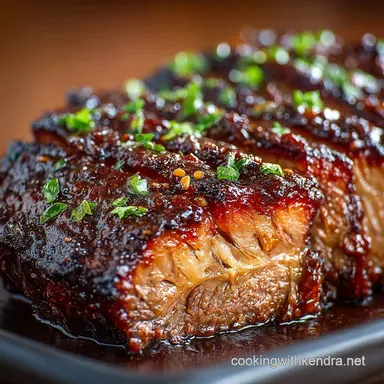
The Kings Cut Lowandslow BBQ Beef Brisket Recipe
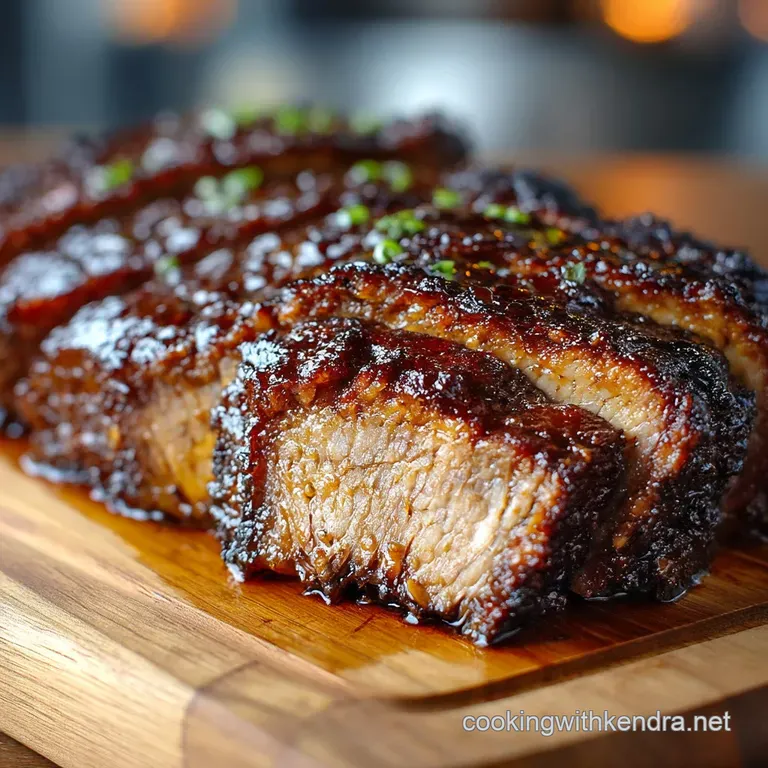
- The Quest for Perfectly Tender BBQ Beef Brisket
- Achieving Flavour Purity: The Championship Rub and Base Ingredients
- The Science of Smoke: Wood Chips, Liquid Smoke, and Dry Spices
- Preparation is Patience: Trimming the Fat Cap and Shaping the Meat
- Phase I: The Smoking Run (Hitting the Crucial Internal Temperature)
- Phase II: The Texas Crutch and the Final Push
- The Critical Final Step: Resting and Slicing Your BBQ Brisket
- Troubleshooting Your Cook: Solutions for Dryness or Inconsistent Temperature
- Essential Pairings: What to Serve Alongside Classic BBQ Beef Brisket
- Recipe FAQs
- 📝 Recipe Card
The Quest for Perfectly Tender BBQ Beef Brisket
Achieving truly spectacular BBQ Beef Brisket is the pinnacle of backyard cooking. It requires not just heat, but profound patience and an understanding of meat science. When executed correctly, the Low and Slow Texas Brisket method transforms this notoriously tough cut into a sublime, melting experience, yielding meat that is dramatically flavourful, draped in a thick, mahogany coloured bark.
This comprehensive guide will walk you through the lengthy but rewarding process, adapting the best pitmaster techniques for the reliability of your home setup.
Why Brisket is the Ultimate Test of Low-and-Slow Technique
Brisket is sourced from the deep chest muscles of the cow, meaning it is dense with connective tissue and collagen. Unlike quick cooking steaks, this collagen must be broken down over a sustained period at low temperatures (below 250°F / 121°C).
This lengthy thermal conversion, lasting typically 12 to 16 hours, melts the connective tissue into rich gelatin, which lubricates the muscle fibres from the inside out.
Any attempt to rush this process results in a dry, chewy product the exact opposite of the tender, rich result we are aiming for in a proper bbq beef brisket recipe .
Decoding the Two Essential Cuts: Point vs. Flat
A whole packer brisket consists of two distinct muscles: the flat and the point, separated by a thick layer of intermuscular fat. The Flat is the larger, leaner section, generally used for slicing due to its uniform thickness this is the focus of our 3 kg (6.6 lb) blueprint.
The Point is fattier and contains more marbling, making it the preferred section for shredding or making the highly prized bbq beef brisket burnt ends .
While professional pitmasters tackle the whole packer, the flat provides a manageable and consistent starting point for the home cook.
Adapting Pitmaster Secrets for the Home Kitchen (Oven or Grill)
While traditionalists insist on an offset smoker, fantastic results can be achieved using a covered charcoal or gas grill, or even an ordinary oven. The key requirement is consistent, controllable heat maintained at the target temperature of 225°F (107°C).
If you don't have access to traditional smoke, the focus shifts to creating deep external flavour using a robust rub, allowing you to perfectly execute a tender bbq beef brisket in oven .
Similarly, the principles laid out here can be adapted for a bbq beef brisket slow cooker if time is especially limited, though the resulting bark will be softer.
Achieving Flavour Purity: The Championship Rub and Base Ingredients
The traditional Texas style of smoking champions the pure beef flavour, which means the seasoning should be simple, high impact, and applied generously. Our recipe uses a powerful "Championship Rub" dominated by coarse salt and freshly ground pepper.
The ratio is crucial: we use a two-to-one ratio of coarse black pepper to coarse kosher salt, ensuring the heat and spice of the pepper balances the strong salt penetration necessary for curing.
To enhance the savoury profile and add visual depth, we include granulated garlic powder, onion powder, and a touch of smoked paprika, reserving the cayenne pepper for those who enjoy a subtle background kick.
The Science of Smoke: Wood Chips, Liquid Smoke, and Dry Spices
The distinctive flavour of any Smoked Beef Brisket Recipe is primarily derived from three sources: the beef itself, the chemical reaction of the Maillard effect that creates the dark bark, and, optimally, clean wood smoke. For a dedicated smoker, hardwood like oak or hickory is essential.
When cooking indoors, we rely on the intensely savoury dry spices within the rub, particularly the generous use of pepper and the smoked paprika, which delivers a hint of smoky character without needing actual combustion.
Remember, true smoke flavour comes from slow, incomplete combustion, so if using liquid smoke as a shortcut, apply it sparingly to the binder before the rub.
Selecting Your Slab: How to Choose a Quality Whole Packer
When selecting the meat for your BBQ Beef Brisket , quality is non-negotiable. Look for a 3 kg (6.6 lb) brisket flat that feels flexible, not rigid. Marbling the flecks of fat within the muscle is important, as it provides internal moisture during the long cook.
Ensure the meat is an even thickness where possible, as uneven slabs will cook at different rates, leading to dry edges before the centre is done.
Essential Gear Checklist: Tools for the 12-Hour Journey
Success in Low and Slow Texas Brisket hinges entirely on temperature control. The single most important investment you will make is a high-quality, digital, leave-in meat thermometer.
This crucial tool allows you to monitor the internal temperature without opening the oven or smoker, which causes critical heat loss. You will also need a sharp trimming knife (a flexible boning knife is ideal), and the wrapping material: heavy duty butcher paper (pink or peach, unwaxed) or thick aluminium foil, essential for the Texas Crutch phase.
Building the Bark: Crafting the Ideal Salt and-Pepper Ratio
The bark is the dark, flavourful crust that defines championship brisket. It's built by the action of the dry brine and the smoke/heat over many hours. Our Championship Rub, heavy on the coarse black pepper and coarse salt, is applied aggressively.
This large granule composition allows the salt to slowly draw moisture out of the meat (dry brine) over the 8 to 12 hours it chills, and as that moisture is reabsorbed, it binds the pepper and spices to the surface, creating a sticky, protective, and intensely flavourful layer that resists falling off during the cook.
The Importance of Binder: Mustard vs. Oil Preparation
Before applying the rub, many pitmasters use a thin coating of a binder. This layer usually mustard, or in our case, 1 tbsp (15 ml) of olive oil is not intended to impart flavour.
Rather, its sole purpose is to provide a slightly tacky surface, ensuring the coarse rub adheres completely and evenly to every facet of the meat. Rest assured, if you choose yellow mustard, the sulphur compounds evaporate completely during the long cook, leaving behind no mustard taste whatsoever.
Preparation is Patience: Trimming the Fat Cap and Shaping the Meat
Proper preparation is the most active and important stage of the entire process. The goal when trimming is twofold: remove the tough, waxy fat that will never render, and shape the meat into an aerodynamic form for even heat distribution.
Use your sharp knife to reduce the fat cap the large layer of fat covering the flat to a uniform thickness of approximately ¼ inch (6 mm). Any silver skin (a thin, iridescent membrane) or overly jagged edges should be removed, as they will dry out or prevent the rub from sticking.
Related Recipes Worth Trying
- The ultimate 35minute Ground Beef Stroganoff Creamy weeknight comfort — This Simple Ground Beef Stroganoff recipe delivers deeply savory unadulterated comfort in 35 minutes Foolproof steps guarantee a velvety perfect sour cream...
- Rich Speedy Ground Beef Stroganoff Recipe Ready in 40 Mins — Ditch the steak and try this incredibly easy Ground Beef Stroganoff recipe It delivers maximum comfort with a luxurious sour cream sauce perfect for...
- Slow Sensational Easy Crockpot Pulled Pork BBQ Recipe — Master the ultimate Crockpot Pulled Pork BBQ with this foolproof setitandforgetit recipe Get tender smoky meat perfect for sandwiches
Phase I: The Smoking Run (Hitting the Crucial Internal Temperature)
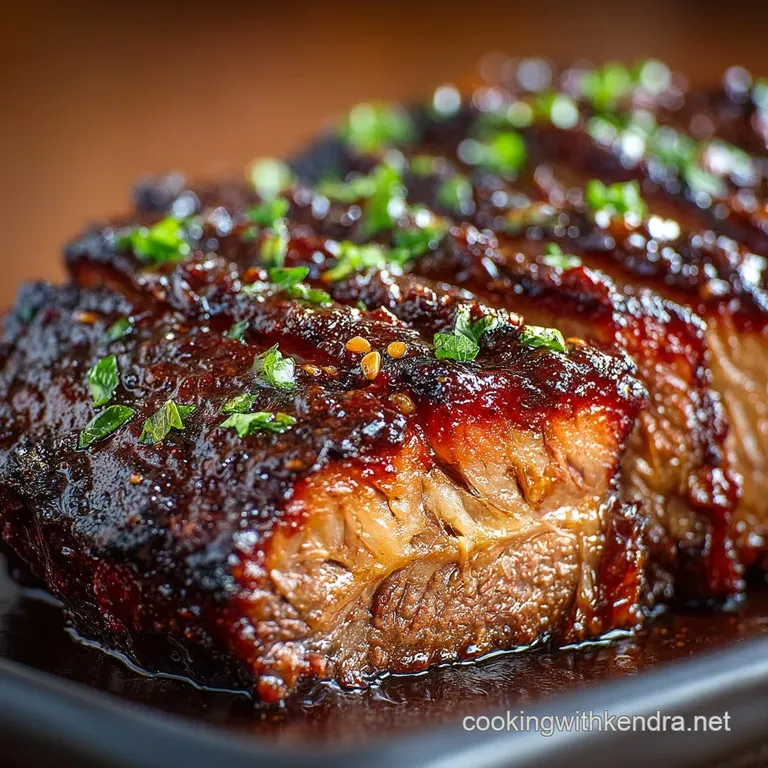
Once the brisket is trimmed, rubbed, and has completed its dry brining period in the refrigerator, it’s ready for the heat. Place the brisket, fat cap up, onto a rack inside your oven or smoker, set to a constant 225°F (107°C). The initial cook requires unwavering discipline.
Cook undisturbed for the first 6 to 8 hours. The heat will begin the magical rendering process, and the surface temperature, moderated by evaporative cooling, will climb slowly toward the critical 160°F (71°C) mark.
Phase II: The Texas Crutch and the Final Push
Phase II begins when the internal temperature hits approximately 160°F (71°C). At this point, you will experience "The Stall," where the meat's temperature temporarily plateaus due to surface moisture evaporation.
Once the bark is sufficiently set (dark, dry, and firm), it’s time to remove the brisket for the "Texas Crutch." Tightly wrap the meat in two layers of butcher paper or foil, which traps the internal moisture and heat, allowing the temperature to rise again and speed up the final breakdown of collagen.
Return the wrapped brisket to the oven, increasing the temperature slightly to 250°F (121°C), and cook until it reaches 200 205°F (93 96°C).
The Critical Final Step: Resting and Slicing Your BBQ Brisket
The final stage is perhaps the most misunderstood yet vital part of the bbq beef brisket recipe . Once the brisket passes the probe test (feeling like soft butter), remove it immediately and perform the Mandatory Rest .
Still wrapped, the brisket must rest for a minimum of 2 hours, and ideally 3 to 4 hours, inside an insulated cooler or wrapped in towels.
This long, gentle cool down allows the muscle fibres to relax and reabsorb all those beautiful rendered juices, guaranteeing maximum moisture. Once rested, locate the grain of the meat, and slice thinly (pencil thickness) against the grain to ensure every piece is perfectly tender.
The 80/20 Rule: When and Where to Trim the Hard Fat
The 80/20 rule dictates that you should prioritize removing the hard, waxy fat, especially any large pockets between the flat and the point (if cooking a whole packer). This tough fat will not properly render. However, you must maintain that ¼ inch protective fat cap across the flat's surface.
This remaining layer acts as a barrier, shielding the meat from the direct heat source and slowly basting the meat as it melts.
Applying the Rub: Ensuring Maximum Surface Coverage
The binder is the foundation, but aggressive application of the rub is the key to flavour and bark formation. Once the binder is applied, take handfuls of the Championship Rub and press it firmly into every side of the meat.
Don't be shy; you are aiming for a solid, even coating almost a crust that completely covers the beef surface before it goes into its overnight dry brine.
Managing Your Heat Source: Setting Up the Smoker or Oven
Maintaining a stable 225°F (107°C) for 12+ hours is a challenge. If using an oven, ensure it’s fully calibrated and preheated before the brisket enters. For both oven and grill setups, placing a pan filled with water on the lowest rack or near the heat source helps stabilize the ambient temperature and adds necessary humidity, preventing the surface from drying out too quickly during the bark formation phase.
Powering Through the Stall: Monitoring Temperatures Accurately
The stall typically occurs around 160°F (71°C). Do not panic and do not increase the heat drastically. The stall is the result of evaporative cooling the meat is sweating, and the energy you put in is consumed by water changing state rather than raising the internal temperature.
Your reliable digital thermometer is crucial here; maintain the 225°F ambient temperature and rely on the probe to tell you when it’s time to wrap, usually once the temperature has plateaued for an hour or two.
Wrapping Tight: Using Butcher Paper vs. Aluminum Foil
The choice of wrapping material for the Texas Crutch impacts the final texture. Butcher paper is the choice of Texas purists because it is breathable, allowing some moisture to escape while trapping the remaining heat. This preserves the desired crustiness of the bark.
Aluminium foil, conversely, creates a perfect seal, which steams the brisket more aggressively. While foil is often faster, it runs the risk of softening the beautifully crafted bark you spent hours building.
Pulling the Brisket: Gauging Tenderness (The Probe Test)
While the target temperature range of 200 205°F (93 96°C) is a good indicator, it is not the final determinant of doneness. The final test is the "probe test." Gently insert the thermometer probe into the thickest part of the meat (the flat).
If it slides in with absolutely no resistance, feeling exactly like pushing through soft, warm butter, the collagen has fully broken down, and the brisket is ready to pull. If you feel resistance, keep cooking, regardless of the temperature reading.
Troubleshooting Your Cook: Solutions for Dryness or Inconsistent Temperature
The primary culprits for a tough or dry brisket are insufficient resting time or inconsistent heat. If your meat is drying out during Phase I, review your spritz schedule and ensure your water pan is full.
If your temperature fluctuates wildly, invest in external temperature gauges for your smoker or ensure you are not opening the oven door too frequently. Remember, patience is the only reliable cure for dryness; if the collagen hasn't broken down, the meat will be tough.
Essential Pairings: What to Serve Alongside Classic BBQ Beef Brisket
Because the rich, fatty nature of BBQ Beef Brisket is so intense, the best sides offer a clean, acidic counterpoint. We recommend a tangy, vinegar based coleslaw or a sharp, crunchy potato salad. These sides cut through the fat perfectly and cleanse the palate.
For purists, serve the brisket naked and offer a smoky BBQ sauce on the side allowing guests to determine their sauce level, rather than obscuring the magnificent flavour of the beef itself.
The Spritzing Secret: Boosting Moisture During the Cook
The spritz is an optional, but highly effective, technique for keeping the surface of the meat moist during the crucial bark formation phase. Our recommended spritz consists of 1 cup (240 ml) Apple Cider Vinegar mixed with ½ cup (120 ml) Water and 1 tbsp (15 ml) Worcestershire Sauce.
Begin misting the brisket every 60 to 90 minutes, starting only after the first four hours, and stopping once you wrap the meat. The vinegar helps soften the bark while the moisture aids in evaporative cooling, paradoxically helping to deepen the smoke colour.
Dealing with the Leftovers: Storage and Reheating Methods
The best way to store leftover BBQ Beef Brisket is to carve only what you plan to serve immediately. Store the remaining, unsliced portion still in its wrapping if possible in an airtight container.
When reheating, slice the desired portion and reheat gently in a double boiler or an oven pan with a splash of beef broth, keeping it covered tightly to prevent the meat from steaming out its remaining moisture.
Beyond the Bun: Creative Ways to Use Brisket Scraps
The edges and less structurally perfect slices often remain, and these are often the most flavourful parts! These scraps are ideal for creating a magnificent bbq beef brisket sandwich piled high on a potato bun.
If you cooked a whole packer, the remaining point should be diced, tossed in sauce, and returned to the smoker or oven for an hour to finish as delectable bbq beef brisket burnt ends . Less conventional scraps work wonderfully in tacos, chili, or a rich breakfast hash.
Nutritional Breakdown for the Home Pitmaster
While this is an indulgent recipe, the nutritional outcome is highly variable based on your trimming rigor. A conservative estimate, based on lean cuts from a well trimmed flat, suggests approximately 450 550 kcal per serving (based on 8 servings).
Due to the high-quality protein content (around 45g per serving), BBQ Beef Brisket remains a deeply satisfying and substantial main course, though careful monitoring of the saturated fat (estimated at 12 15g) is advised.
Recipe FAQs
Crikey, this BBQ Beef Brisket took ages, but it’s still tough. What have I done wrong?
The most common culprit for tough brisket is impatience. If you skipped the crucial 2 4 hour rest period, all the hard earned juices simply ran out when you sliced it, leaving the meat dry and chewy.
Remember, the true sign of doneness isn’t just hitting 203°F (95°C), but passing the “probe tender” test if it feels tough, it needs more low-and-slow time to break down that collagen.
I haven’t got a massive smoker, can I still nail this recipe using my standard kitchen oven?
Absolutely! The oven is a very stable environment for low-and-slow cooking, often preferred by home cooks as it’s less of a faff than fiddling with coals. Maintain the temperature strictly at 225°F (107°C) and be sure to place a pan of water on the rack below the brisket to mimic the humid environment of a smoker.
While you won't get a true smoke ring, the heavy dose of smoked paprika in the rub will provide a deep, desirable colour.
What on earth is 'The Stall,' and why should I bother with 'The Texas Crutch'?
The Stall is where the internal temperature of the meat plateaus around 150 165°F (65 74°C) due to evaporative cooling essentially, the brisket is sweating! The Texas Crutch is the pitmaster’s solution: tightly wrapping the brisket in butcher paper or foil when the stall hits.
This seals in moisture, pushes the internal temperature past the stall more quickly, and drastically cuts down on your total cooking time, helping you get that perfect texture sooner.
I’ve got loads left over what’s the best way to store and reheat this smoked masterpiece?
Only slice the amount of brisket you intend to eat immediately; store the rest whole, wrapped tightly, in the fridge for up to four days. To reheat, slice the cold brisket thinly, place it in an ovenproof dish with a splash of beef stock or broth, cover tightly with foil, and warm it gently in a 300°F (150°C) oven until just heated through.
For longer storage, freeze whole, wrapped sections in vacuum sealed bags it will keep happily for about three months.
Can I play around with the rub? I’d like a sweeter bark on my brisket.
Certainly, the Championship Rub is classic Texas style, focusing on pepper and beef flavour, but variations are encouraged! If you fancy a sweeter, Memphis style bark, replace about half of the coarse black pepper with dark brown sugar and maybe add a touch of dried mustard powder.
Just be cautious of high sugar content during the initial cook, as it can burn if the heat creeps too high.
The Kings Bbq Beef Brisket Recipe