Twice Baked Potato Casserole: Crowd Favorite
- Time: Active 20 minutes, Passive 1 hours 15 mins, Total 1 hours 35 mins
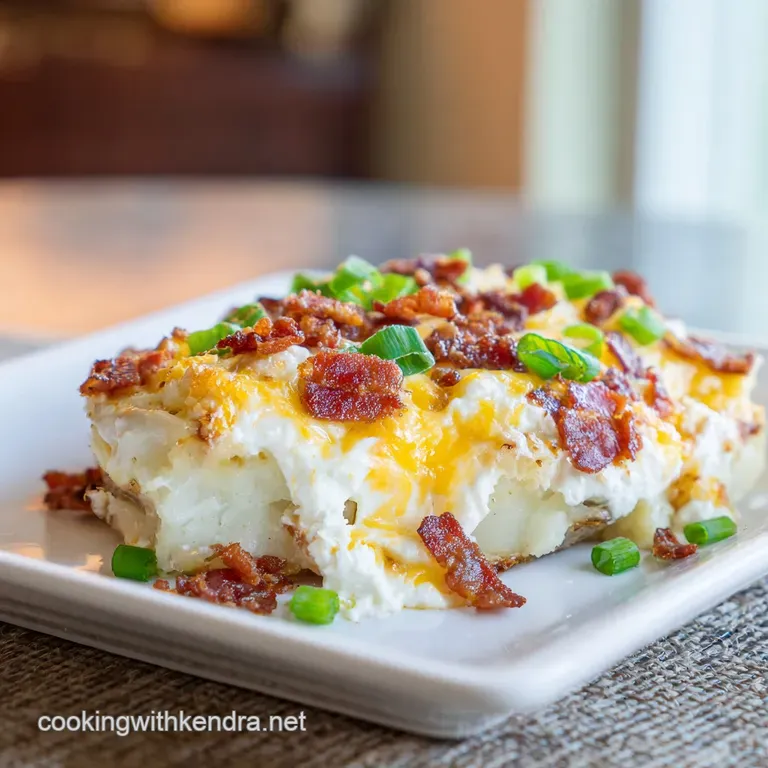
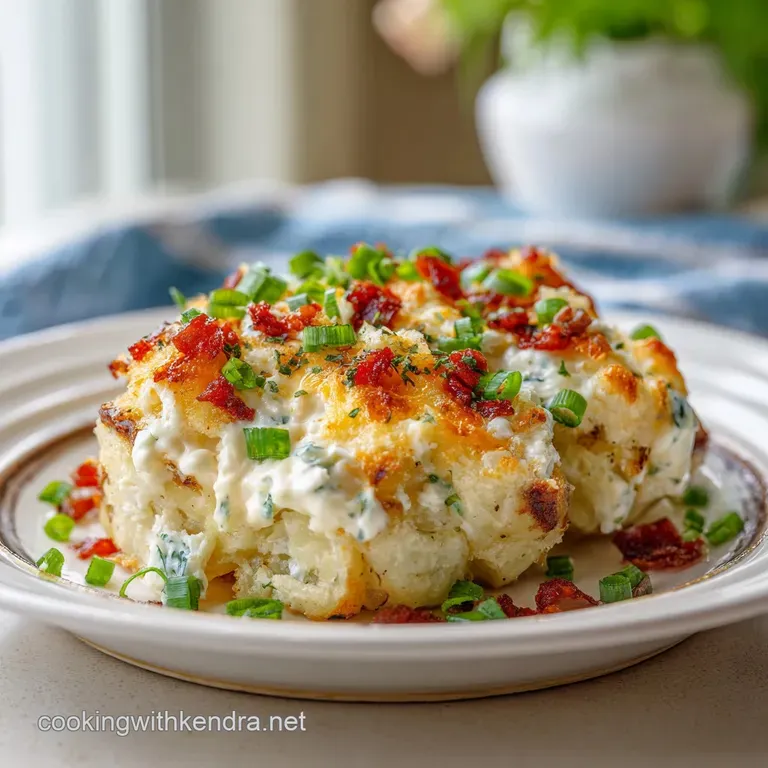
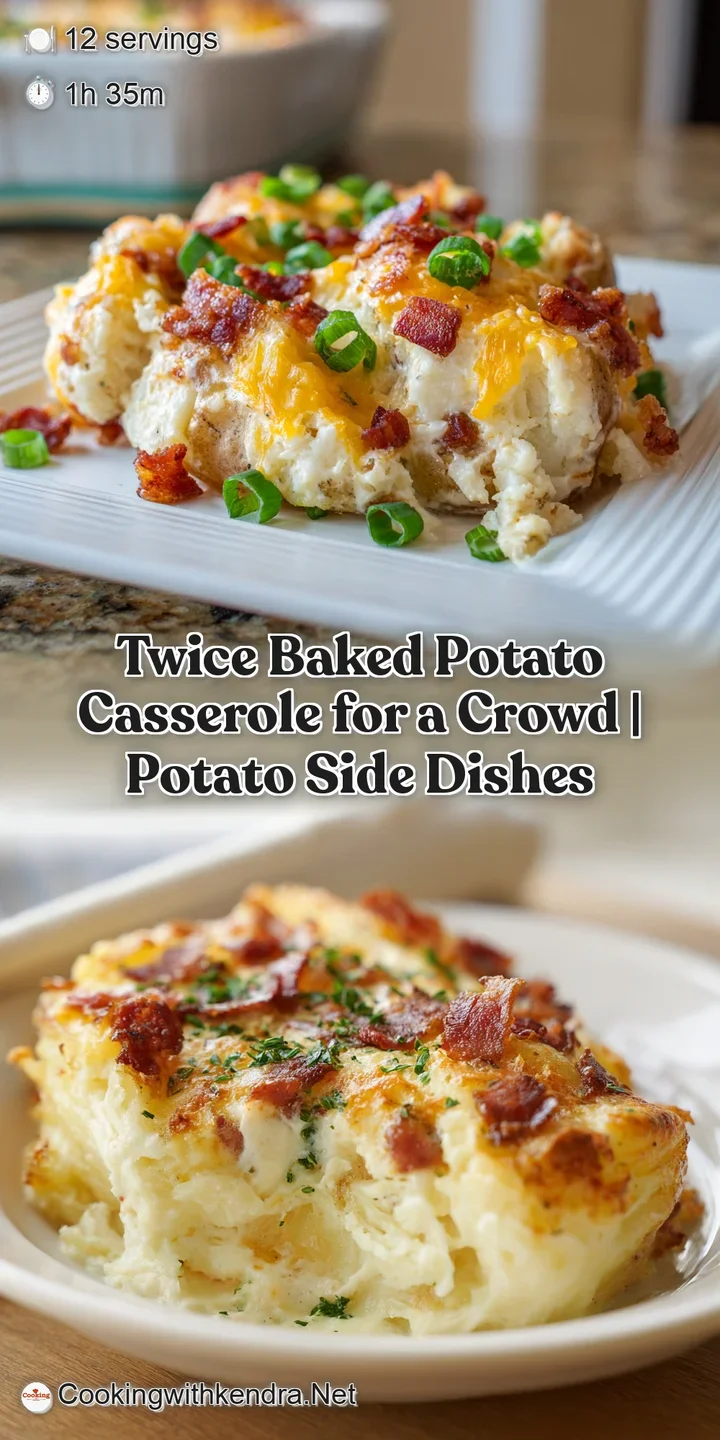
- Flavor/Texture Hook: Shatter crisp bacon bits folded into buttery, garlic kissed potato clouds with a sharp cheddar crust.
- Perfect for: Holiday gatherings, Sunday potlucks, or a comforting weeknight side dish that feeds a small army.
- Master the Ultimate Twice Baked Potato Casserole
- Why This Spud Classic Wins
- Essential Stats for Your Bake
- Ingredients for Your Grocery Trip
- Gear for Fluffy Potato Success
- Steps for the Perfect Casserole
- Troubleshooting for Silky Smooth Spuds
- Fun Flavor Riffs and Swaps
- Storing and Reheating Your Leftovers
- Best Ways to Plate Up
- Spud Facts and Myths
- Recipe FAQs
- 📝 Recipe Card
Master the Ultimate Twice Baked Potato Casserole
Can you smell that? It’s the earthy, deep aroma of 5 lbs of Russet potatoes roasting in the oven, their skins turning papery and crisp while the insides soften into literal gold. I remember the first time I tried making this for a neighborhood potluck.
I thought I’d be smart and boil the potatoes to save time. Big mistake. They turned into a gummy, watery mess that no amount of cheese could save. I learned the hard way that the "twice baked" part isn't a suggestion it’s the secret to that specific, fluffy soul food texture we all crave.
Now, this is the version I swear by whenever I need a win. It’s got that classic steakhouse energy but in a format that doesn’t require you to stuff individual potato skins for forty minutes. We’re going for a "loaded" vibe here crispy bacon, sharp white cheddar, and a hit of fresh chives.
It’s the kind of dish that makes people skip the main course and head straight for seconds of the sides. If you've ever felt like your mashed potatoes were missing a little "oomph," this is the answer.
We’re keeping things slightly lighter with Greek yogurt and skim milk, but trust me, you won’t miss the heavy cream. The low-fat cream cheese provides enough body to keep the scoop ability high and the grease factor low.
It’s a family focused classic that actually works every single time, whether you’re serving it alongside a roast or making it the star of a weeknight dinner.
Why This Spud Classic Wins
There is actual logic behind why this specific method produces a superior side dish compared to standard mash. It all comes down to how we handle the moisture and the starch during those two distinct cooking phases.
- Starch Retrogradation: Cooling the roasted potatoes slightly before mashing allows the starches to partially recrystallize, which prevents the "gluey" texture often caused by over processing hot spuds.
- Triple Fat Emulsification: Combining butter, cream cheese, and Greek yogurt creates a stable fat in-water emulsion that coats potato granules for a silky mouthfeel.
- Maillard Enhancement: The second bake doesn't just heat the dish; it triggers browning on the cheddar surface and further dehydrates the potato tops for a concentrated flavor.
- Moisture Management: Roasting the potatoes in their skins (rather than boiling) ensures the interior remains dry and fluffy, ready to absorb the seasoned dairy mixture without becoming soggy.
| Servings | Ingredient Adjustments | Pan Size | Cook Time |
|---|---|---|---|
| 6 people | 2.5 lbs potatoes, 4 oz cream cheese | 8x8 inch square | 25 mins (final bake) |
| 12 people | 5 lbs potatoes, 8 oz cream cheese | 9x13 inch rectangle | 35 mins (final bake) |
| 24 people | 10 lbs potatoes, 16 oz cream cheese | Two 9x13 pans | 45 mins (final bake) |
Whether you are hosting a quiet family dinner or the entire extended clan for the holidays, scaling this dish is remarkably straightforward. Just remember that when you double the recipe, the potatoes might take a few extra minutes in the first roast if you've crowded the oven racks.
The Physics of Potato Fluff
The "how" behind this recipe is all about the potato cell structure. When we roast a Russet, the high starch content causes the cells to swell and separate, creating a dry, mealy texture that is a sponge for fats. If you boil them, those cells take on water, leading to a heavy, wet mash.
By roasting first, we’re essentially concentrating the potato flavor before we ever add the "loaded" ingredients.
Essential Stats for Your Bake
Before you start scrubbing your spuds, let's look at what makes these specific components work together. We aren't just throwing things in a bowl; we are building layers of flavor and texture.
| Component | Science Role | Pro Secret |
|---|---|---|
| Russet Potatoes | High amylose starch provides the signature "fluffy" and dry interior. | Prick the skins deeply to let steam escape and prevent exploding tubers. |
| Greek Yogurt | Provides acidity to balance the heavy fats and creates a "tang." | Use room temperature yogurt to prevent the warm potatoes from seizing. |
| Sharp White Cheddar | High protein to fat ratio ensures a clean melt without an oil slick. | Grate your own from a block for a smoother, superior melt. |
Selecting the right potato is non negotiable here. Don't try this with Waxy Red or Yukon Gold potatoes; they have too much moisture and won't give you that iconic "shatter" texture once mashed. Russets are the undisputed kings of the Twice Baked Potato Casserole.
Ingredients for Your Grocery Trip
Here is everything you need to grab from the store. I’ve included some quick swaps because I know what it’s like to realize you’re out of chives halfway through a recipe.
- 5 lbs Russet Potatoes: Look for firm ones with no green spots. Why this? They have the highest starch content for maximum fluffiness.
- 2 tbsp Extra Virgin Olive Oil: For rubbing the skins.
- 1 tbsp Kosher Salt: Essential for seasoning the potato exteriors.
- 8 oz low-fat Cream Cheese: Softened to room temperature.
- 1 cup Plain Greek Yogurt: A smart substitute for sour cream.
- 1/2 cup Skim Milk: To adjust the final consistency.
- 4 tbsp Unsalted Butter: Melted for richness.
- 1 tsp Garlic Powder: For a savory backbone.
- 1/2 tsp Freshly Cracked Black Pepper: For a subtle bite.
- 8 slices Center Cut Bacon: Cooked until very crispy.
- 2 cups Sharp White Cheddar Cheese: Shredded and divided.
- 1/2 cup Fresh Chives: Finely minced for brightness.
This recipe pairs beautifully with other classic sides. If you're planning a big spread, this Green Bean Casserole recipe is the perfect companion to round out the meal.
Gear for Fluffy Potato Success
You don't need a professional kitchen, but a few specific tools will make your life much easier. Honestly, skip the electric hand mixer for the potatoes it’s the fastest way to turn a beautiful side dish into a bowl of wallpaper paste.
- Large Baking Sheet: To roast the 5 lbs of potatoes initially.
- 9x13 Inch Baking Dish: The standard vessel for this casserole.
- Potato Masher or Ricer: A ricer is the gold standard for zero lumps.
- Large Mixing Bowl: Give yourself plenty of room to fold in the cheese and bacon.
- Box Grater: For that freshly shredded cheddar (it really does melt better).
Chef's Tip: If you have a potato ricer, use it! It forces the potato through small holes, separating the granules perfectly without smashing them into a gummy state. It’s the difference between "good" and "restaurant quality."
Steps for the Perfect Casserole
Follow these steps closely, especially the roasting part. We want those potatoes tender all the way through before we even think about mashing them.
- Roast the potatoes. Preheat your oven to 400°F (200°C). Scrub the potatoes, prick them with a fork, rub with olive oil and salt, and bake for 1 hours until the skins are crisp and a knife slides in easily.
- Prep the mix ins. While the spuds roast, cook your 8 slices of bacon until crispy. Crumble them up and set aside.
- Scoop the flesh. Let the potatoes cool for 10 minutes. Cut them in half and scoop the fluffy interior into a large bowl. Note: Leave the skins behind; we only want the white fluff for this casserole.
- Add the base. Add the 8 oz softened cream cheese, 1 cup Greek yogurt, 4 tbsp melted butter, and 1/2 cup skim milk to the bowl.
- Season well. Sprinkle in 1 tsp garlic powder and 1/2 tsp black pepper.
- Mash gently. Use a potato masher to combine everything until mostly smooth but still slightly textured.
- Fold in goodies. Stir in half of the 2 cups of cheddar, half of the crumbled bacon, and half of the 1/2 cup of chives.
- Transfer to dish. Spread the mixture into a greased 9x13 pan.
- Top it off. Sprinkle the remaining cheddar and bacon over the top.
- Final bake. Bake at 350°F (180°C) for 20 minutes until the cheese is bubbly and the edges are lightly golden.
- Garnish and serve. Top with the remaining chives right before serving.
If you love these flavors but want something you can eat with a spoon, you really have to try my Loaded Baked Potato Soup recipe. It uses almost the exact same flavor profile but in a silky, comforting liquid form.
Troubleshooting for Silky Smooth Spuds
Even the best home cooks run into trouble sometimes. The biggest enemy of the Twice Baked Potato Casserole is texture. If things go wrong, it's usually a matter of temperature or over working the starch.
To Prevent a Gluey Mess
Gluey potatoes happen when the starch cells are broken and release their "glue." This is usually caused by using a high speed blender or food processor. Always mash by hand or use a ricer.
If it’s already happened, you can’t "un glue" them, but you can add more texture by folding in extra bacon and cheese to distract the palate.
To Fix a Dry Casserole
If your mixture looks more like crumbly clay than creamy potatoes, you need more moisture. This often happens if the potatoes were exceptionally large. Add skim milk one tablespoon at a time until the mixture looks velvety again. Don't overdo it, or the casserole won't hold its shape when scooped.
| Problem | Root Cause | Solution |
|---|---|---|
| Greasy surface | Used pre shredded cheese with cellulose fillers. | Gently blot with a paper towel and top with fresh chives. |
| Blah flavor | Potatoes weren't salted during the first roast. | Add an extra pinch of kosher salt or a splash of brine. |
| Lumpy filling | Potatoes were too cold when mashed. | Reheat the potato flesh in the microwave for 1 min before mashing. |
Common Mistakes Checklist:
- ✓ Never skip the initial roasting step; boiling adds too much water to the cells.
- ✓ Ensure the cream cheese is truly soft (room temp) so it integrates without lumps.
- ✓ Don't over mix once the flour like potato meets the dairy; fold gently.
- ✓ Prick your potatoes before roasting, or you might end up cleaning an exploded spud off your oven ceiling.
- ✓ Use a sharp cheddar; mild cheddar tends to disappear into the background flavor.
Fun Flavor Riffs and Swaps
Sometimes you want to get a little fancy, and this recipe is the perfect canvas for it. While the classic "loaded" version is a crowd pleaser, you can easily pivot based on what's in your fridge.
| Original Ingredient | Substitute | Why It Works |
|---|---|---|
| Bacon | Smoked Paprika (1 tsp) | Provides the smokiness without the meat. Note: Great for vegetarians. |
| Chives | Green Onions | Similar onion bite but a bit crunchier. |
| White Cheddar | Smoked Gouda | Adds a sophisticated, woody depth to the filling. |
For a Nutty, Earthy Depth
Try browning your butter before adding it to the mash. Cooking the butter until the milk solids turn golden and smell like toasted hazelnuts adds a layer of complexity that will have everyone asking for your secret ingredient. It’s a tiny step that makes a massive impact.
For a Lighter Hybrid
If you want to cut back on the carbs, you can replace 1.5 lbs of the potatoes with steamed, mashed cauliflower. The Greek yogurt already provides a great bridge for that flavor, and when mixed with all that cheddar and bacon, most people won't even notice the switch.
It’s a great way to sneak in some extra veggies.
Storing and Reheating Your Leftovers
One of the best things about this Twice Baked Potato Casserole is how well it holds up. It’s actually one of the few potato dishes that I think tastes even better the next day because the garlic and chive flavors have had time to really get to know each other.
- Fridge: Store in an airtight container for up to 4 days.
- Freezer: You can freeze the assembled (unbaked) casserole for up to 3 months. Wrap it tightly in plastic wrap and then foil. Thaw in the fridge overnight before the final bake.
- Reheating: To keep it from drying out, splash a teaspoon of milk over your portion before microwaving, or reheat the whole dish in the oven at 350°F (180°C) covered with foil until hot.
- Zero Waste Tip: Don't toss those potato skins from the first roast! Brush them with a little more oil, sprinkle with salt, and bake them at 425°F (220°C) for 10 minutes until they become "potato skin chips." They are incredible with a little ranch dip.
| Method | Time | Texture | Best For |
|---|---|---|---|
| Conventional Oven | 20-30 mins | Crispy top, fluffy core | Feeding a crowd / Dinner parties |
| Air Fryer (Prep) | 35-40 mins | Extra crispy skins | Small batches (2-3 potatoes) |
| Microwave (Prep) | 12-15 mins | Soft skins, moist interior | Busy weeknights / Time saving |
Best Ways to Plate Up
This casserole is a team player. It fits in just as well at a fancy Christmas dinner as it does at a casual summer BBQ. Because it's so rich and savory, it balances perfectly with proteins that have a bit of acidity or a hard sear.
The Perfect Steakhouse Pairing
Serve a big scoop of this alongside a pan seared ribeye or a grilled filet mignon. The tang of the Greek yogurt in the potatoes cuts through the richness of the steak beautifully. Add a simple arugula salad with a lemon vinaigrette to provide a fresh, peppery contrast to the heavy cheese and potato.
The Holiday Crowd Pleaser
If you’re serving this for Thanksgiving or Christmas, it’s a great alternative to standard mashed potatoes. It stays warm much longer than traditional mash because of the dense structure and the cheese crust acting as an insulator.
Plus, you can do all the messy work the day before, leaving your kitchen clean when guests arrive.
For the Foundation
Roasting the potatoes on a bed of kosher salt is an old restaurant trick. It draws out even more moisture from the skins, ensuring the interior is as dry and fluffy as possible. Just make sure to brush off the excess salt before you scoop them out so your final dish isn't a salt bomb!
Spud Facts and Myths
Let's clear up some common misconceptions about this dish. I’ve heard plenty of "hacks" over the years, but most of them just lead to disappointment.
- Myth: You must wrap potatoes in foil to roast them. Truth: Wrapping them in foil actually steams the potato, leading to a wet, gummy interior and soggy skins. For the best casserole, roast them "naked" on the rack or a sheet pan.
- Myth: Cold dairy is fine to mix in. Truth: Adding cold milk or cream cheese to warm potatoes causes the starch to seize, which can lead to a grainier texture. Always take your dairy out of the fridge 30 minutes before you start mashing.
- Myth: You can't over mash a potato. Truth: You absolutely can. The more you work the potato, the more starch is released. Stop the moment everything is combined. A few tiny lumps are better than a bowl of glue.
There you have it everything I’ve learned from years of potato trial and error. This Twice Baked Potato Casserole is a labor of love, but the look on your family's faces when you pull that bubbling, golden dish out of the oven makes every minute of scrubbing and scooping worth it.
Trust the process, don't skimp on the bacon, and enjoy the fluffiest potatoes of your life!
Recipe FAQs
What is Stanley Tucci's 4 ingredient potato casserole so good he eats it for breakfast and dinner?
That recipe likely relies on maximum fat content and simplicity. While this casserole is different, the obsession comes from flavor density; he probably uses heavy cream, whole milk, and a high ratio of butter and cheese to potatoes for an intense, simple indulgence.
What's the best potato to use for twice baked?
Russet potatoes are the undisputed best choice. They possess the highest starch content, which results in a wonderfully dry and fluffy interior that can absorb dairy mixtures without becoming gummy or heavy.
Can you boil potatoes for twice baked casserole?
No, boiling creates a watery texture. Roasting the potatoes whole in their skins first is crucial because it cooks the starches gently and concentrates the flavor, preventing a gummy result when mashing.
What is John Wayne's casserole?
John Wayne's casserole is typically a hearty ground beef, rice, and cream-of-soup based dish. It shares the comforting, layered nature of this potato casserole, but its core ingredients are vastly different.
How do I ensure my casserole filling is fluffy and not gluey?
Mash the potatoes by hand or use a ricer, avoiding any electric mixer. Overworking the starch releases a sticky binder, which is why we fold in the fats gently once the initial mashing is complete, similar to how you must handle dough in our Neat Lasagna Roll recipe.
Why is my final casserole layer always greasy instead of browned?
This usually happens when using pre-shredded cheese. Those cheeses contain anti caking agents like cellulose that inhibit proper melting. Always grate sharp cheddar fresh from a block for a cleaner, more stable cheese crust.
Can I make this casserole ahead of time for a large gathering?
Yes, you can fully assemble the casserole up to 24 hours in advance. Cover it tightly and refrigerate; just add about 10 to 15 minutes to the final covered baking time before uncovering for the cheese crisp.
Twice Baked Potato Casserole
Ingredients:
Instructions:
Nutrition Facts:
| Calories | 357 kcal |
|---|---|
| Protein | 14 g |
| Fat | 18 g |
| Carbs | 36 g |
| Fiber | 3 g |
| Sugar | 4 g |
| Sodium | 458 mg |
