Grilled Beef Tenderloin: Seared Perfection
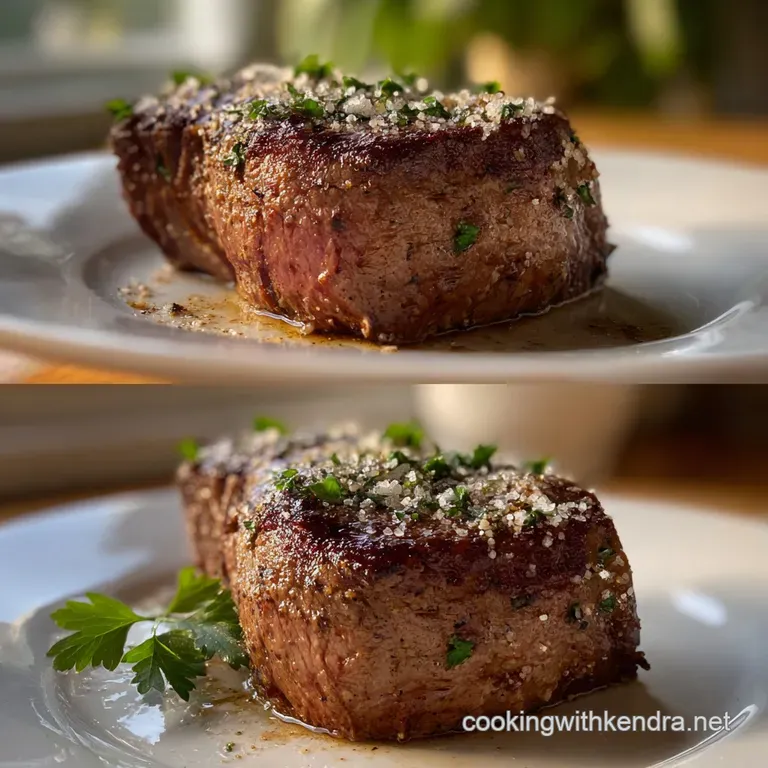
- The Ultimate Seared and Grilled Beef Tenderloin
- Mastering Steakhouse Quality: The Science of Two-Zone Grilling
- Essential Ingredients and Quality Substitutions
- Step-by-Step Guide to Grilling Beef Tenderloin
- Pro Tips and Common Grilling Mistakes to Avoid
- Storage, Freezing, and Reheating Leftovers
- Pairing and Serving Suggestions
- Recipe FAQs
- 📝 Recipe Card
The Ultimate Seared and Grilled Beef Tenderloin
Mastering Steakhouse Quality: The Science of Two-Zone Grilling
Hear that sound? It’s the deep, aggressive sizzle of a perfectly seasoned cut hitting screaming hot grates. That sound is everything when you are making Grilled Beef Tenderloin .
Look, I know ordering tenderloin at a steakhouse feels special, almost sacred. It’s buttery, velvety, and costs a fortune. But I’m going to tell you the truth: making world class Grilled Beef Tenderloin at home is shockingly simple, provided you use the right technique.
I tried grilling it slow, I tried pan-searing it entirely, and honestly, the best, juiciest results come from a two-step process: hard sear, then indirect finish. This is the ultimate guide to the perfect Beef Tenderloin dinner that won't leave you with a dry, expensive mistake.
Why This Works: The Science of the Perfect Crust
The secret to incredible Grilled Beef Tenderloin isn’t in the ingredients it’s in the heat management. We are using the "reverse sear" philosophy (or rather, the hybrid sear and finish method) but applied to the grill, which guarantees a flawless crust while keeping the inside tender.
1. The Maillard Reaction: That deep brown, flavorful crust you crave? That happens during the searing phase over direct, blazing heat. The amino acids and sugars on the surface caramelize and brown quickly, creating literally hundreds of complex, meaty flavor compounds.
If you move the meat too soon, you miss the char.
2. Two-Zone Grilling: Since the tenderloin is thick and lean, you can’t cook it entirely over high heat without burning the outside long before the center is done.
By using high heat for the sear, and then moving to the cooler, indirect side of the grill, we allow the internal temperature to rise gently and evenly. This prevents the muscle fibers from seizing up too quickly, resulting in that fork tender texture we expect from the best Tenderloin Recipes .
3. The Rest: Every great Beef Dinner needs a rest. When meat cooks, the internal moisture is pushed toward the center. If you cut into it immediately, all that flavorful juice floods your cutting board.
Resting for 10– 15 minutes allows the temperature gradient to equalize and those magnificent juices to redistribute back through the muscle fibers, giving you a juicy bite every single time.
Essential Ingredients and Quality Substitutions
You don't need a fancy marinade for great Grilled Beef Tenderloin . The star of the show is the quality of the meat itself. We focus on enhancing that natural flavor.
| Ingredient | Role | Substitution/Notes |
|---|---|---|
| Beef Tenderloin (2.5 lbs) | The star; must be center cut for uniform thickness. | If you need smaller portions, use Filet Mignon steaks cut 1.5 inches thick (adjust cook time down significantly). |
| Coarse Kosher Salt | Essential for forming a dry brine and crust. | Sea salt flakes or rock salt (avoid fine table salt, which is too intense). |
| Freshly Ground Black Pepper | Provides a sharp, aromatic crust element. | Use a steakhouse pepper blend (black, white, and green peppercorns) for more complexity. |
| High Smoke Point Oil | Prevents sticking and promotes even browning. | Grapeseed or light olive oil will also work. A little butter adds flavor, but use sparingly to avoid flare ups. |
| Cold Unsalted Butter & Herbs | For basting during the indirect cook. | Skip the butter entirely, or use olive oil + minced garlic/shallots for an aromatic finish. |
Pro Tip: If you want a fun alternative to this basic seasoning, you can try my technique for Oven Beef Tenderloin: Herb Crusted Juicy Roast . It’s a great flavor swap if you want to skip the grill!
step-by-step Guide to Grilling Beef Tenderloin
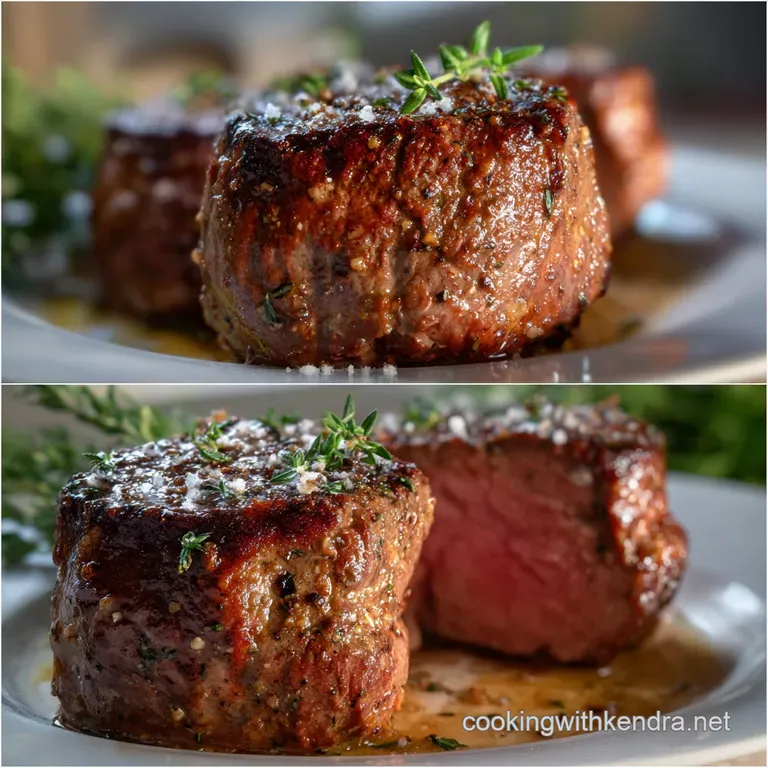
This recipe requires a good instant read thermometer. Don’t even think about making this expensive cut without one.
1. Preparation: Tempering and Seasoning the Meat
First things first: take the Beef Tenderloin out of the fridge at least 30 minutes before you plan to cook it. This process, called tempering, ensures the center starts warmer, allowing the meat to cook more evenly through to the core.
Pat the entire surface aggressively dry with paper towels this is mandatory for the best crust. Brush lightly with oil, and then shower it with the coarse salt and pepper, pressing the seasonings firmly into the meat like you’re making a protective bark.
2. Setting Up Your Grill for over High heat Zones
This is the most important setup for any "grilled beef tenderloin temperature" success. Preheat your grill to high (aim for 550°F). For a gas grill, turn half the burners to high and the other half completely off. For charcoal, pile the coals heavily on one side.
You need a screaming hot Direct Heat Zone for the sear, and a cool Indirect Heat Zone for the gentle finish.
If you’re a serious griller, you might also be interested in my tips for making Grilled Pizza: The Ultimate Crispy Crust Margherita Recipe , which relies on similar over high heat management.
3. The over High heat Sear and Indirect Finish
Place the seasoned Grilled Beef Tenderloin directly over the high, direct heat. Sear for 3– 4 minutes per side. You are looking for a deep, smoky char and a truly dark golden brown color.
You will hear that incredible sizzle and smell the sweet, nutty aroma of the Maillard reaction happening don't rush this!
Once seared on all sides, immediately move the tenderloin to the Indirect Heat Zone . Insert your digital thermometer into the thickest part of the meat and monitor closely. This is where we let science do the work.
If you want to baste, place the butter and herbs on the indirect side to melt, and spoon it over the meat every couple of minutes.
4. The Critical Step: Resting the Cooked Tenderloin
Continue cooking indirectly until the meat is 5°F below your desired final doneness (see chart below). For a perfect medium rare Grilled Beef Tenderloin , pull the meat off the grill when the thermometer hits 125°F.
Transfer it to a clean cutting board, tent it loosely with foil (don't wrap tightly, or it will steam the crust!), and let it rest for 10– 15 minutes. It will climb those last few degrees and become unbelievably juicy.
| Doneness | Internal Temperature (Pull from Grill) | Final Internal Temperature (After Rest) |
|---|---|---|
| Rare | 120°F (49°C) | 125°F (52°C) |
| Medium Rare (Recommended!) | 125°F (52°C) | 130 135°F (54 57°C) |
| Medium | 130°F (54°C) | 135 140°F (57 60°C) |
Pro Tips and Common Grilling Mistakes to Avoid
These grilled beef tenderloin tips will save you from a dry dinner disaster.
| Common Mistake | The Fix | The Science ('Why') |
|---|---|---|
| Overcooking the Lean Meat | FIX: Always use an instant read thermometer and pull the meat at 125°F for medium rare. | WHY: Tenderloin has almost no internal fat. Overcooking causes muscle fibers to contract and expel water, leading to dryness very quickly. |
| Slicing Too Soon | FIX: Commit to resting for 10– 15 minutes, tented loosely. | WHY: The temperature gradient is highest right after cooking. Resting allows the internal fluids, pushed to the center by heat, to redistribute evenly. |
| Skipping the Tempering Phase | FIX: Remove the meat from the fridge 30– 45 minutes before seasoning/grilling. | WHY: Starting cold guarantees the exterior will be charred before the center is done, resulting in an uneven "bullseye" cook pattern. |
| Using Fine Table Salt | FIX: Only use coarse kosher or sea salt to build the crust. | WHY: Fine salt dissolves too quickly and pulls moisture aggressively, preventing the optimal dry surface needed for a shattering, thick crust. |
Storage, Freezing, and Reheating Leftovers
If you're lucky enough to have leftover Grilled Beef Tenderloin , here’s how to treat it right, because wasting this beautiful cut is a crime.
Safely Storing Cooked Beef
Place cooled slices or the remaining roast in an airtight container in the refrigerator within two hours of cooking. It will stay fantastic for 3 4 days.
Best Practices for Freezing Cooked Filet
You can absolutely freeze cooked tenderloin. Slice it first! Wrap the individual medallions tightly in plastic wrap, then place them in a heavy duty zip-top freezer bag, squeezing out all the air. Label the date. It holds quality for up to 3 months.
Reheating Without Drying Out the Meat
Never microwave leftover Grilled Beef Tenderloin —it turns the texture chalky. The best reheating methods use gentle, low heat:
- Oven Method: Preheat your oven to a low 300°F (150°C). Place the slices in an oven safe dish, add a tablespoon of beef stock or gravy to keep the environment humid, and cover with foil. Heat for 10– 15 minutes, just until warmed through (aiming for 110 120°F internal temp).
- Pan Sear (for extra crust): For thicker slices, heat a small amount of oil in a skillet until shimmering. Sear each side for just 60 seconds to refresh the crust.
Pairing and Serving Suggestions
The intense, smoky flavor of this Grilled Beef Tenderloin is complex enough to stand alone, but a sharp, creamy sauce never hurt anyone.
- Sauce: A classic Horseradish Cream Sauce, made simply with prepared horseradish, sour cream, chives, and a squeeze of lemon, cuts through the richness beautifully. A simple pan sauce made with red wine reduction and a knob of cold butter (monte au beurre) is also phenomenal.
- Sides: This delicious cut is the best of Beef Dinner . Pair it with something substantial, like Garlic Parmesan Asparagus or a simple, buttery risotto.
I promise you, learning this two-zone technique will make your next Grilled Beef Tenderloin unforgettable. It’s truly one of the best ways to enjoy beef. Enjoy!
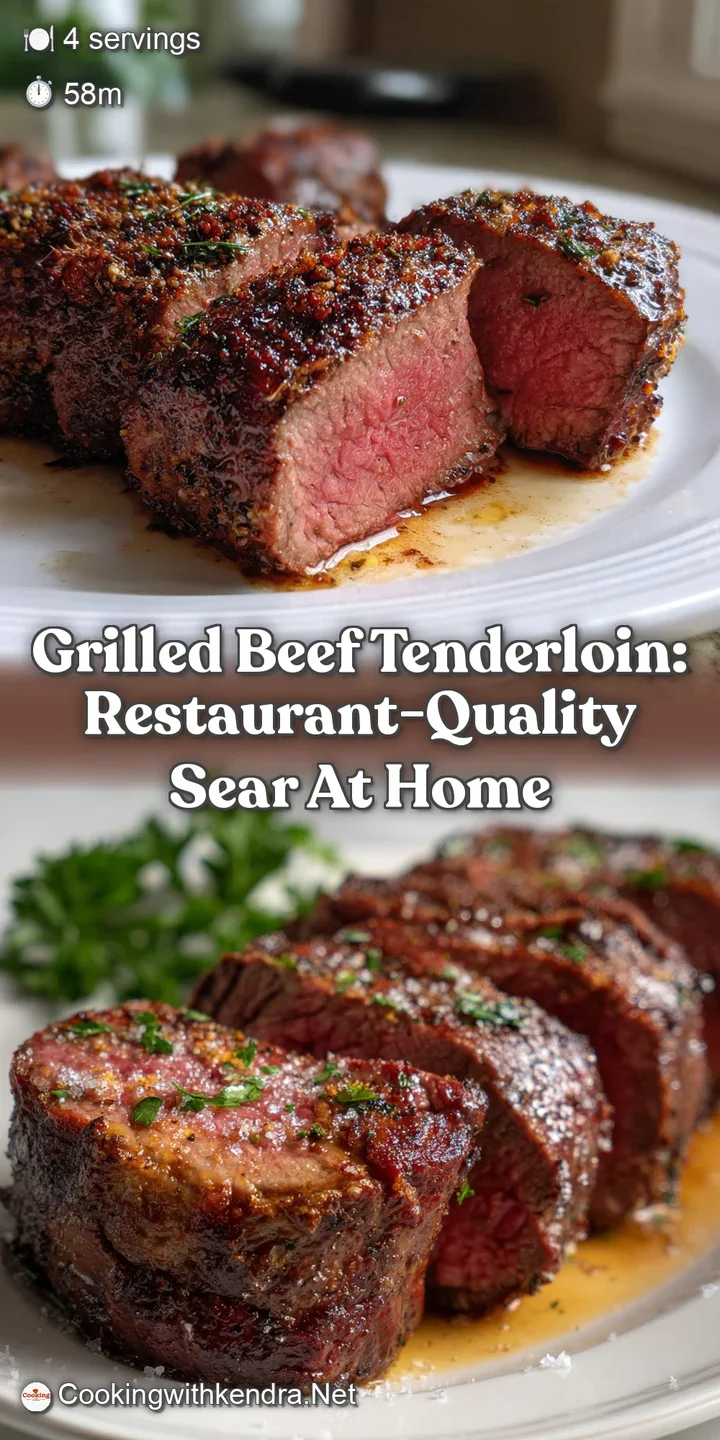
Recipe FAQs
What is two-zone grilling and why is it essential for cooking tenderloin?
Two-zone grilling establishes a high heat direct searing zone and a cooler, indirect finishing zone. This technique is critical for tenderloin because it allows you to quickly develop a smoky, deep char on the exterior over high heat without overcooking the delicate center.
The steak then moves to the indirect side to finish cooking gently to the perfect internal temperature.
Why does this recipe focus solely on salt and pepper for seasoning?
The beef tenderloin is highly prized for its naturally subtle, buttery flavor profile. Using only a simple crust of coarse salt and freshly cracked pepper ensures that the beef's intrinsic taste remains the star of the dish.
This minimalist approach creates the robust texture and taste characteristic of classic American steakhouses.
What is the ideal internal temperature for a medium rare tenderloin?
For a perfect medium rare result, the target internal temperature for beef tenderloin is 130 135°F (54 57°C) when measured with an accurate instant read thermometer. Crucially, you must pull the steak off the grill when it is 5°F below the target temperature.
This accounts for carryover cooking during the resting phase.
How do I ensure I get a great, deep crust or smoky char on the exterior?
Achieving a spectacular crust requires two things: aggressively high heat and a very dry surface. Pat the tenderloin completely dry with paper towels before seasoning, and ensure your searing zone is allowed to heat for at least 15 minutes before placing the steak down.
Do not move the steak until a dark crust has formed.
Is resting the tenderloin after grilling really necessary?
Yes, resting is arguably the most crucial step for tender and juicy results. During the searing process, the muscle fibers contract and squeeze the internal juices towards the center.
Resting for 10 to 15 minutes allows these fibers to relax and reabsorb the moisture, preventing it from running out when you slice the steak.
Can I use this high heat two-zone method if I only have a gas grill?
Absolutely, gas grills can easily replicate the two-zone technique. Simply turn the burners on one side of the grill to maximum heat for the searing zone, and leave the burners on the opposite side off for the indirect finishing zone.
Give the grill plenty of time to preheat so the direct side reaches maximum searing temperature.
How long can I safely store leftover grilled tenderloin?
Cooked grilled beef tenderloin should be stored in an airtight container in the refrigerator and consumed within 3 to 4 days. If you wish to freeze leftovers, wrap slices tightly in plastic wrap followed by aluminum foil; it will maintain quality for about 3 months.
Ultimate Grilled Beef Tenderloin Recipe
Ingredients:
Instructions:
Nutrition Facts:
| Calories | 311 kcal |
|---|---|
| Protein | 36.1 g |
| Fat | 17.5 g |
| Carbs | 1.6 g |
