Ramen Noodle Soup: Ultimate Homemade Shoyu Ramen with Umami Depth
- Decoding Umami: Why Shoyu Ramen Noodle Soup Stands Above the Rest
- The Architecture of Flavor: Achieving the Perfect Broth and Noodle Texture
- Essential Components for Shoyu Ramen: Ingredients and Pro-Level Substitutions
- Building Complexity: Step-by-Step Guide to Cooking Your Shoyu Ramen Noodle Soup
- Optimizing Your Bowl: Advanced Tips and Troubleshooting Common Ramen Errors
- Maximizing Longevity: Storing and Reheating Components Safely
- Beyond the Bowl: Perfect Pairings and Complimentary Sides
- Recipe FAQs
- 📝 Recipe Card
Decoding Umami: Why Shoyu Ramen Noodle Soup Stands Above the Rest
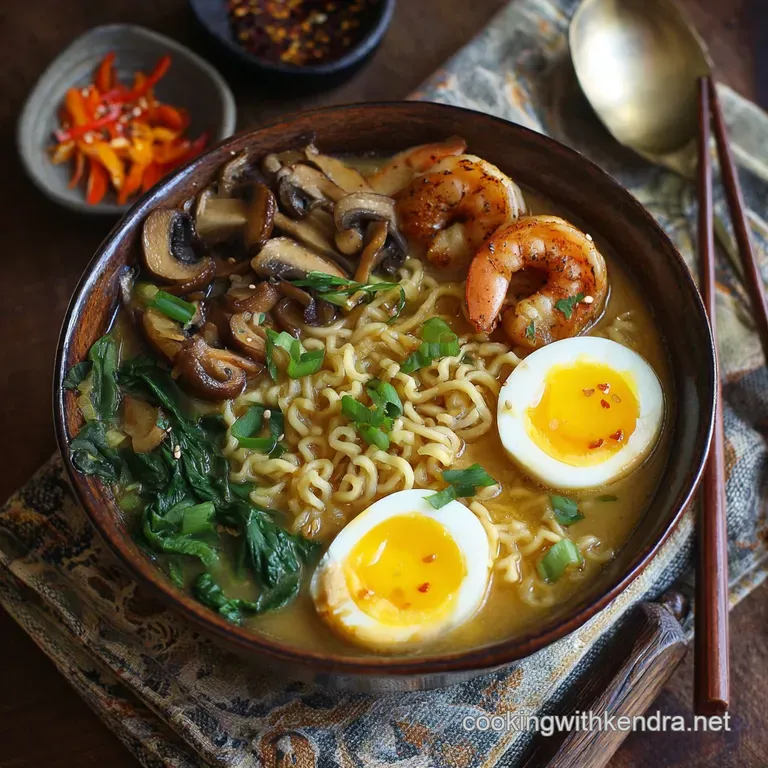
There is truly nothing better than leaning over a steaming bowl of Ramen Noodle Soup , letting that savoury steam hit your face. The aroma deep, meaty, and intensely fragrant with soy and garlic is completely intoxicating.
Then you take that first slurp, the perfect bouncy noodle coating your tongue, followed by the complex, powerful broth that warms you right down to your toes.
Most people think of ramen as difficult or something you only get out, but seriously, it's just layered cooking that yields maximum flavour for minimal money. It’s the ultimate comfort food hack, especially when you need something robust and quick but aren't feeling a creamy option like my Sausage and Tortellini Soup: Easy Creamy Tuscan Comfort Meal . Making it at home gives you total control over the seasoning, which is a game changer for flavour depth.
We are diving deep into the Shoyu style today, which means soy sauce rules the roost. We’re going to master the three non-negotiable elements the stock, the seasoning (Tare), and the aromatic oil to build a bowl that honestly rivals your favorite neighbourhood spot.
Get ready to stop making sad, watery soup and start making phenomenal, umami rich Homemade Ramen Recipe .
The Architecture of Flavor: Achieving the Perfect Broth and Noodle Texture
The Science of the Tare: Concentrating Soy Flavor
If you’ve ever wondered why restaurant ramen hits different, I promise you, it's the Tare. That seasoning base is the secret sauce we all need in our life. Tare isn't just soy sauce; it's a super concentrated, intensely flavourful liquid that acts like the soul of the bowl.
We cook down soy sauce with mirin and other aromatics, intensifying the existing glutamates and achieving that deep, addictive umami depth ramen recipe requires.
Component Breakdown: Stock, Tare, Aromatic Oil (The Trinity)
This is the holy trinity of ramen building, seriously. The Stock (Dashi enhanced chicken base) provides body and background flavour. The Tare provides the upfront salinity and specific flavour profile (Shoyu = soy).
Finally, the Aromatic Oil provides richness, mouthfeel, and traps those wonderful smells, delivering them right to your nose as you eat. If any one of these elements is weak, the whole bowl collapses.
A Culinary Pilgrimage: Authentic Tokyo Style Broth
Traditional Tokyo style Shoyu Ramen uses a very clear, relatively light broth base, often built on a combination of chicken bones and some dashi elements (like kombu and dried shiitake). This isn't a heavy, opaque Tonkotsu broth.
The aim here is purity and clarity, allowing the powerful, salty Tare to shine through. We infuse low-sodium chicken stock slowly to extract flavour without making it muddy.
Emulsification: Layering the Broth and Aromatic Fat
When you ladle the hot broth over the Tare, the mix of salty, syrupy Tare and the hot liquid creates a temporary emulsification. The fat content from the aromatic oil and the residual pork fat helps stabilize this.
This is why you must always start with the Tare, then the broth it ensures proper seasoning distribution and the richest possible mouthfeel.
Mastering the Ajitama: Timing for the Jammy Yolk
The perfect Ajitama egg is non-negotiable for the Ultimate Homemade Shoyu Ramen . It should have a slightly firm white and a wonderfully gooey, jammy yolk that coats the noodles when sliced open.
This perfect texture is achieved by cooking at a rolling boil for exactly 6 minutes and 30 seconds . Immediately plunging them into an ice bath stops the cooking dead, preserving that dreamy centre.
The Alkaline Chew: Hydrating and Cooking Ramen Noodles
Ramen noodles are alkaline, meaning they contain kansui (alkaline salts) which gives them that signature chew and bounce. You can't just throw them in and hope for the best. They cook incredibly fast usually only 2 to 3 minutes for fresh noodles.
Overcooked noodles are the enemy of good ramen , losing their signature kosshi (the elasticity and springiness).
Essential Components for Shoyu Ramen: Ingredients and Pro-Level Substitutions
Deep Dive into Tare: Selecting the Right Soy Sauce
For Shoyu (soy sauce) ramen, the quality of your soy sauce really, truly matters. You want a robust, naturally brewed variety. I personally prefer Kikkoman for the lightness and balance, which lets the other aromatics we add to the Tare shine.
Avoid anything labelled "dark soy sauce" at this stage; those are too thick and intensely coloured.
Crafting the Stock: Bones, Aromatics, and Clarity (Chicken and/or Pork)
We are using a chicken stock base enhanced with powerful umami boosters like kombu and dried shiitake mushrooms. While some Shoyu recipes use a mix of chicken and pork bones, a high-quality, clear chicken stock is the easiest route to achieving that clean Tokyo style flavour profile at home. Remember, clarity is key! If you need a more robust, bone heavy broth, check out my more complex Chicken Ramen Recipe: Rich Shoyu Broth Perfect Ajitama Eggs tutorial.
Braising Chashu Pork Belly: Cuts and Marinade Details
Chashu is traditionally made with pork belly because the high fat content melts beautifully during the long braise, resulting in exceptionally tender meat. You must roll and tie the pork belly tightly to ensure it holds its cylindrical shape for perfect, uniform slicing later.
The braising liquid becomes a powerful marinade for the eggs and a delicious flavour bomb for the soup.
Alternative Noodle Choices for Optimal Bite
| Ingredient | My Recommendation | Quick Substitute |
|---|---|---|
| Ramen Noodles | Fresh or dried alkali noodles (Sun Noodle) | Dried Chinese Egg Noodles (Cook slightly less than package instructs) |
| Pork Belly | Skinless, rolled pork belly | Pork shoulder or thick slices of loin (less traditional, but works) |
| Mirin | Hon Mirin (True Mirin) | Dry Sherry (Use 1/4 less, add a pinch of sugar) |
| Kombu | Dried 4 inch square of Kombu | Bonito flakes (if not vegetarian) or double the shiitake quantity |
Building Complexity: step-by-step Guide to Cooking Your Shoyu Ramen Noodle Soup
Day Zero Prep: Preparing the Chashu Pork and Tare Base
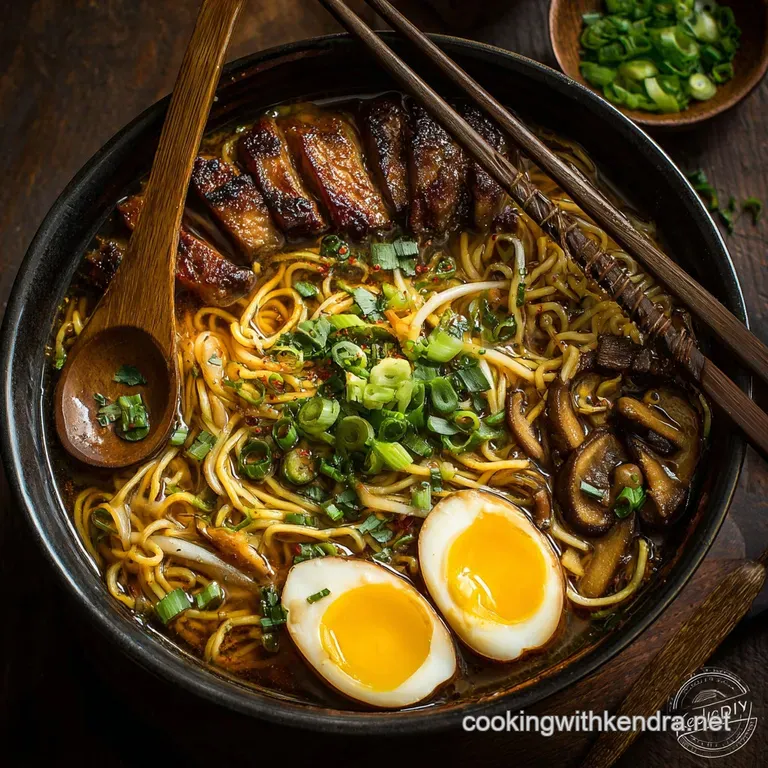
Don't rush the Chashu. After searing the pork until it looks incredibly gorgeous, gently simmer it for at least two hours in the soy-mirin sake liquid. When it's done, remove the meat immediately but save every drop of that braising liquid! Chill the pork for maximum sliceability.
While the pork braises, quickly simmer the Tare ingredients (soy, mirin, sesame oil, garlic, optional anchovies) and then strain the mixture.
The Broth Stage: Simmering and Clarifying the Stock
This isn’t like making a chunky, forgiving soup like Chicken and Vegetable Soup: Easy, Hearty Homemade Recipe . The key to a clear broth is heat control. Combine the chicken stock, water, kombu, shiitake, and scallions, then bring it to a very gentle simmer. Never let it reach a hard boil. Skim off any gross looking foam or impurities that rise. Remove the kombu after 30 minutes, or it can give your broth a bitter taste.
Achieving Perfection: Boiling and Marinating the Ajitama Eggs
Chef’s Note: Use a digital timer. Seriously, this isn't the time for guesstimates. 6 minutes 30 seconds is the sweet spot for a large egg coming straight from the fridge. Once peeled, marinate them in that wonderful, reserved Chashu liquid.
Let them soak for at least four hours overnight is even better for maximum flavour penetration and that lovely brown colour.
Assembly and Presentation: The Critical Bowl Building Technique
This is the final sprint. First, preheat your bowls with hot tap water or boiling water a cold bowl kills hot ramen instantly. Drain the water. Place 2 to 3 tablespoons of the strained, warm Tare into the bottom of the bowl. Next, ladle in the piping hot, strained broth. Whisk them together!
Taste the broth now is it salty enough? Adjust the Tare here. Now, quickly cook and drain the noodles. Place the noodles in the bowl, fan out the sliced Chashu, add the gorgeous halved Ajitama, menma, and finish with nori and thinly sliced scallions. Serve immediately, because ramen waits for no one.
Optimizing Your Bowl: Advanced Tips and Troubleshooting Common Ramen Errors
The Crucial Step: Heating the Tare Before Assembly
Don't dump cold Tare into your hot broth. Bring the Tare up to room temperature or gently warm it in the microwave just before you put it into the bowl. Adding cold Tare drastically lowers the temperature of the broth, meaning your bowl won’t stay hot long enough to finish the meal.
Preventing Mushy Noodles: Timing the Boil to the Second
Mushy noodles are the number one failure point in homemade ramen. Cook your noodles last and drain them thoroughly. Cook time starts the moment the noodles hit the water.
For dried noodles, reduce the package cooking time by about 30 seconds so they finish cooking perfectly when they hit the hot broth in the serving bowl.
Adjusting Salt and Umami Levels Post Cook
What if your broth tastes bland? You don’t add salt you add more Tare! If you’ve added 2 tablespoons of Tare and it still tastes weak, stir in another half tablespoon until the salinity hits that perfect balance. Never rely on the broth alone for seasoning; that's the Tare’s job.
Maximizing Longevity: Storing and Reheating Components Safely
The secret to quick ramen later is storing all your components separately. You never, ever store cooked noodles submerged in the broth.
Freezing the Broth Base vs. ready-made Soup
The straight broth (just the chicken stock and infusion) freezes wonderfully for up to 3 months. Freeze it in labelled Ziploc bags or containers. Do not freeze the broth once the Tare has been added, as the sodium content and certain elements can degrade the quality upon thawing.
How to Store Cooked Chashu Pork Belly
Store the chilled, sliced Chashu pork tightly wrapped in the refrigerator for up to 5 days. To reheat, you can either gently warm the slices in a microwave for 15 seconds, or, even better, place them directly into the hot serving broth right before you eat.
Shelf Life of Marinated Ajitama Eggs
Marinated Ajitama eggs will last well in their braising liquid in the refrigerator for up to 4 days. Remember to slice them in half right before serving, never beforehand, to keep that beautiful jammy yolk contained.
Beyond the Bowl: Perfect Pairings and Complimentary Sides
Ramen is intensely flavourful and rich, so you want sides that provide textural contrast or cut through the richness. A crisp side is ideal. Think light and crunchy.
We love serving this ramen noodle soup recipe with pan-fried gyoza for a complementary flavour bomb. Alternatively, keep it simple with a small bowl of Japanese pickles or some chilled, sliced cucumber dressed with rice vinegar.
For drinks, a light Japanese beer provides the perfect carbonated contrast.
Recipe FAQs
My Shoyu broth tastes watery or bland. How can I achieve greater depth of flavour?
Ensure you are using the full quantity of Tare (the soy sauce concentrate) per bowl, as this is the primary source of salt and umami in Shoyu ramen. If the broth still tastes thin, try adding a tablespoon of rendered chicken fat (Shoyu is traditionally rich) or steeping dried shiitake mushrooms in the stock base for 30 minutes to boost the savory depth.
How do I prevent my ramen noodles from getting soggy while eating?
Always cook your noodles separately and briefly, usually for only 60-90 seconds right before serving. Once cooked, drain them immediately and transfer them straight into the hot, seasoned broth. Overcooked noodles absorb the liquid too quickly and disrupt the perfect broth-to-noodle ratio.
Can I make the key components of the ramen ahead of time?
Absolutely. The foundational stock (dashi/chicken stock), the Tare base, and the Chashu pork can be prepared 2-3 days in advance and stored separately in the refrigerator. Reheat the stock gently and slice the Chashu just before assembling the final bowl to ensure the best texture and temperature.
What is the secret to getting the perfect jammy egg (Ajitama)?
The key is precise timing: simmer medium eggs for exactly 6.5 to 7 minutes, then immediately transfer them to an ice bath to stop the cooking process. After peeling, marinate them for at least 6 hours, or ideally overnight, in the reserved Chashu braising liquid for that characteristic savoury flavour.
My broth is cloudy instead of beautifully clear. What went wrong?
A cloudy broth usually results from the stock boiling too vigorously or from stirring the bones excessively during the cooking process. To maintain clarity, keep the broth at a very low simmer barely bubbling and avoid agitating the ingredients at the bottom of the pot.
Can I successfully adapt this Shoyu Ramen recipe to be vegetarian or vegan?
Yes, substitute the chicken stock with a rich mushroom and kombu (kelp) dashi, and use a separate vegan Tare recipe that avoids bonito flakes or animal fat. Replace the Chashu with braised or marinated tofu, steamed corn, or roasted root vegetables for satisfying toppings.
How should I store leftovers, and can I freeze the broth?
Store the broth, noodles, and toppings separately to prevent the noodles from soaking up all the liquid. The pure stock (without the Tare added) freezes exceptionally well for up to three months; thaw it overnight in the refrigerator before reheating.
Ultimate Homemade Shoyu Ramen Soup

Ingredients:
Instructions:
Nutrition Facts:
| Calories | 518 kcal |
|---|---|
| Protein | 15.0 g |
| Fat | 4.0 g |
| Carbs | 104.0 g |
