The Ultimate Umami Meatloaf Not Your Mamas
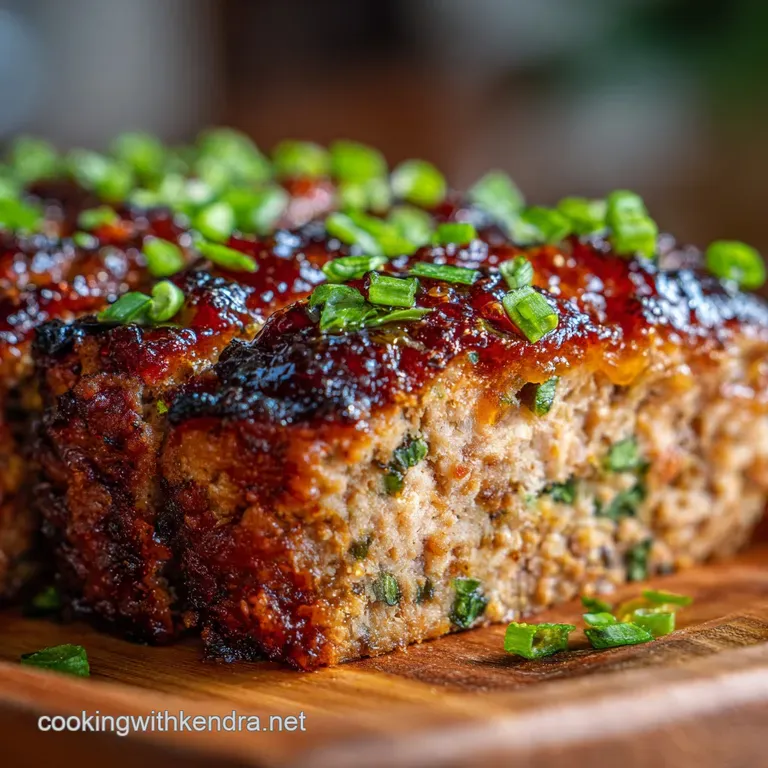
- Elevating the Classic: Why This Meatloaf Wins
- The Science of Succulence: Achieving Legendary Moisture
- Gathering Your Umami Arsenal
- The Butcher's Blend: Selecting the Right Meats
- Step-by-Step Umami Mastery: Building the Loaf
- Prepping and Shaping: Achieving a Consistent Cook
- Glaze Perfection: Timing and Temperature Control
- Troubleshooting & FAQ: Mastering Not Your Mamas Meatloaf
- Storage and Reheating Secrets
- Recipe FAQs
- 📝 Recipe Card
Elevating the Classic: Why This Meatloaf Wins
This particular preparation is truly the Best Meatloaf you will ever encounter. We are moving far beyond the dry, heavily salted cafeteria versions of the past by focusing intensely on moisture retention and flavor layering.
This is unequivocally the definitive not your mama's meatloaf recipe , designed for serious comfort food enthusiasts.
The success lies in the careful balance of fat, the milk soaked Panko binder, and the deeply cooked aromatic base. Achieving this level of refined, savory depth transforms a humble classic into a spectacular centerpiece among Beef Dishes .
The result is a profoundly juicy loaf that demands a permanent place in your weekly rotation.
The Science of Succulence: Achieving Legendary Moisture
The secret to legendary moisture is a combination of high-quality ingredients and specific preparation steps. We start by using a carefully measured blend of ground beef and ground pork to ensure sufficient fat is present during the long bake.
On top of that,, we leverage the power of Panko breadcrumbs soaked completely in whole milk, creating a gelatinous cushion that locks moisture inside the muscle fibers. This combination prevents the meat from tightening and drying out under the heat of the oven, resulting in a supremely tender Baked Meatloaf .
Deconstructing the Definition of Comfort Food
Classic comfort food should feel nostalgic yet satisfyingly adult. This loaf achieves that balance by incorporating slow sautéed carrots, celery, and onions, known as a mirepoix, which builds a sweet foundation.
This extended cooking process sweetens the vegetables, releasing their essential oils directly into the fat and binder mixture. The resulting loaf delivers deep, savory satisfaction that transcends the simplicity of a standard Good Meatloaf Recipe .
Anchovy, Soy, and the Art of Hidden Flavor Layers
We introduce deep, complex notes using ingredients that provide pure umami without noticeable flavor distraction. A small teaspoon of anchovy paste, or the substitution of mushroom powder, melts completely during the cooking process.
This provides a baseline savory intensity that makes every bite richer and more compelling. It is a critical component of the complex flavor that defines the not your mama's meatloaf ingredients .
The Key Difference in Not Your Mamas Meatloaf
The primary differentiator here is texture, which comes down to careful handling and specific ingredient ratio. Unlike some classic or heavily smoked versions, such as those sometimes featured on diners drive ins and dives , we avoid overly dense compression.
This ensures the loaf remains light and tender, allowing the complex flavors to truly shine. We are aiming for a refined, modern take that stands up beautifully, whether baked conventionally or adapted for a smoker like the not your mama's meatloaf traeger style.
Gathering Your Umami Arsenal
Building a great meatloaf requires specific high-quality components, not just what's leftover in the pantry. You must prepare a binder using high-quality Panko breadcrumbs and whole milk, which is far superior to standard bread or dried crackers.
We also rely on fresh herbs like parsley and dried thyme to provide necessary bright notes against the rich meat base.
Key specialized components for this recipe include:
- Panko Breadcrumbs (superior absorption)
- Anchovy Paste (or mushroom powder for umami)
- Balsamic Vinegar (for the glaze's necessary acidity)
- Smoked Paprika (adding complexity to the final crust)
The true magic in the Umami Arsenal lies in the slow cooking of the mirepoix (onion, carrot, celery). Don't rush this step it’s where the foundational sweetness is developed.
The Butcher's Blend: Selecting the Right Meats
The foundation of this recipe relies heavily on selecting the correct blend of proteins. We specify using 1.5 pounds of ground beef, preferably 85/15 fat content, which provides substantial structure and rich, classic beef flavor.
Combining this with 0.5 pounds of ground pork introduces essential connective tissue and softer fat, which contributes significantly to the final moist, tender texture of the Not Your Mamas Meatloaf .
This precise ratio guarantees the perfect balance between flavor richness and textural lightness.
The Magic Binder: Whole Milk vs. Heavy Cream
The choice of binder liquid is crucial for maximum moisture and texture. We use whole milk combined with Panko breadcrumbs, allowing the starch to hydrate fully into a thick, creamy paste.
While heavy cream or half and-half can be substituted for an even richer result, whole milk provides the ideal balance without adding excessive heaviness. This completely saturated Panko mixture ensures the loaf stays yielding and succulent throughout the long baking time.
Sourcing high-quality Ground Beef and Pork
Avoid extremely lean cuts, as they are the primary cause of dry meatloaf. Look for ground beef with an 85/15 ratio, offering enough fat to keep the loaf moist but not greasy. If sourcing from a butcher, ask for freshly ground chuck and blend it yourself with the specified ground pork for superior flavor and texture.
high-quality sourcing ensures that the primary component of your not your mama's meatloaf recipe delivers on taste and juiciness.
Worcestershire’s Role in Deepening the Flavor Profile
A small amount of Worcestershire sauce is incorporated directly into the aromatic base, giving the loaf a powerful, savory backbone. Its fermented, tangy profile contains notes of molasses and vinegar, which heighten the natural flavors of the beef and pork.
This simple addition creates an immediate complexity that elevates the dish far beyond typical standards.
Finishing Touches: Ingredients for the Ultimate Glaze
The glaze provides the necessary counterpoint to the rich savory interior. Our ultimate version combines high-quality ketchup with balsamic vinegar for acidity and depth. Dijon mustard and a touch of brown sugar introduce tang and sweetness, resulting in a beautiful mahogany crust.
| Glaze Component | Primary Function |
|---|---|
| Balsamic Vinegar | Acidity and Deep Color |
| Smoked Paprika | Earthy, Aromatic Finish |
| Dijon Mustard | Tangy Emulsifier |
Related Recipes Worth Trying
- MeltinYourMouth Moist Pumpkin Bread with Rich Brown Sugar Glaze — This foolproof Pumpkin Bread with Brown Sugar Glaze delivers the ultimate comfort Its ultramoist and topped with a luxurious brown sugar glaze balancing the...
- Homemade Cheesy BBQ Sloppy Joes The Bobs Your Uncle Recipe — Ditch the can This Easy BBQ Sloppy Joes recipe is a guaranteed family hit loaded with rich smoky flavor and sharp melted cheddar cheese Homemade comfort...
- MeltinYourMouth Southern Pecan Butterballs Recipe — Master the best Pecan Butterballseasy buttery cookies that taste just like classic Russian Tea Cakes Perfect for your next Southern Cookie Exchange
step-by-step Umami Mastery: Building the Loaf
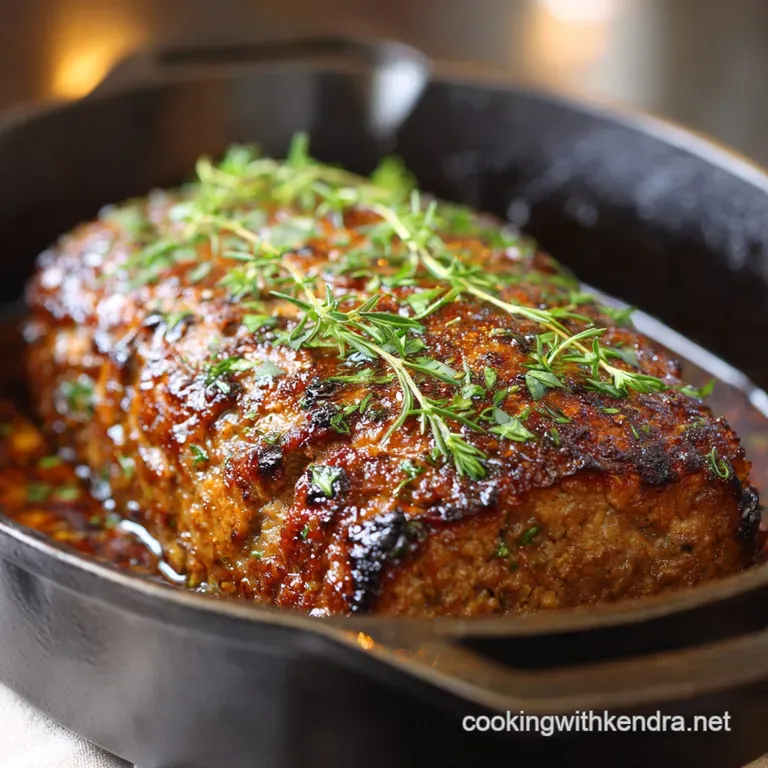
The process begins not with the meat, but with the careful preparation of the aromatics and the binder. First, the diced vegetables must be sautéed very slowly until translucent, extracting maximum sweetness and flavor.
Once cooled slightly, these aromatics are introduced to the milk soaked Panko paste before the meat is added. This methodical layering ensures every component is perfectly integrated before the crucial mixing stage.
Prepping and Shaping: Achieving a Consistent Cook
Using a standard 9x5 inch loaf pan provides the ideal mold for a consistent, evenly baked loaf. When pressing the mixture into the pan, be firm enough to eliminate air pockets but avoid excessive force that would compress the meat and result in a dense texture.
A uniformly shaped loaf ensures that the interior reaches the safe temperature of 160°F simultaneously across the board, guaranteeing the Best Meatloaf result.
Glaze Perfection: Timing and Temperature Control
Achieving a perfect glaze involves timing and temperature awareness. Apply the first half of the glaze exactly 30 minutes into the baking process, once the loaf has begun to set and will hold the thick coating.
This initial layer adheres firmly, creating a slightly sticky, flavorful crust without burning the sugars prematurely. The final coat is brushed on immediately after removal from the oven, using the residual heat to warm the final glaze and enhance its shine before slicing.
Slow Cooking the Aromatics for Maximum Release
The initial sautéing of the mirepoix mixture requires patience, taking about eight to ten minutes over medium heat. This extended time fully softens the carrots, celery, and onion, guaranteeing they integrate smoothly into the meat mixture without being crunchy.
More importantly, it unlocks their natural sweetness, providing a necessary counterbalance to the richness of the ground beef and pork blend.
The Golden Rule of Mixing: Handling the Meat Gently
The single most vital step in achieving a tender texture is gentle handling of the meat. Once all wet ingredients and seasonings are combined, add the beef and pork and mix with your hands only until no pink streaks of raw meat remain.
Overmixing activates protein strands, leading directly to a tough, bouncy final result, which is the exact opposite of the succulent Baked Meatloaf we are aiming for.
Forming the Loaf: Why Size Matters for Even Baking
While some prefer free form loaves, using the loaf pan maintains an even thickness, which is crucial for predictable baking times. Ensure the mixture is pressed lightly and evenly across the length of the 9x5 inch pan.
This consistent dimension allows the heat to penetrate the core efficiently, reducing the chance of an overcooked exterior surrounding an undercooked center.
The Critical 15-Minute Resting Period
This recipe requires two mandatory resting periods to optimize texture. The first, a 15-minute pre-bake chill in the refrigerator, allows the fat to firm up and the ingredients to fully bond, helping the loaf hold its shape during the oven heat.
The second, a 10-minute post bake rest, is essential for allowing the internal juices to redistribute, guaranteeing maximum moisture retention before slicing.
Troubleshooting & FAQ: Mastering Not Your Mamas Meatloaf
Mastering the Not Your Mamas Meatloaf requires avoiding a few pitfalls, primarily concerning structure and moisture. Always trust your digital instant read thermometer over visual cues to ensure safety without overcooking.
If the loaf seems to be cooking too quickly on the surface, you can tent it loosely with foil for the last 20 minutes of baking. Remember that precision and proper heat management are the true hallmarks of expert meatloaf preparation.
Storage and Reheating Secrets
Leftover meatloaf can be stored in an airtight container in the refrigerator for up to four days. For longer storage, slice the cooled loaf and wrap individual portions tightly in plastic wrap before freezing them in a zip-top bag for up to three months.
To reheat, the best method is wrapping slices loosely in foil and warming them gently in a 300°F oven, which prevents them from drying out.
Do You Really Need That Loaf Pan?
Although a free form loaf baked on a sheet pan drains more fat, the loaf pan is highly recommended for this specific recipe. It helps maintain the perfect density, shape, and structure required to contain the high moisture content of this Good Meatloaf Recipe .
If you desire better drainage, simply line the bottom of the pan with crumpled aluminum foil to lift the loaf slightly above the rendered fat.
How to Fix a Meatloaf That Fell Apart
If your meatloaf mixture felt overly wet or crumbled after baking, the cause is usually insufficient binder or lack of proper resting. Ensure you used the two large, beaten eggs and the specified amount of milk soaked Panko, as these provide the crucial structural cement.
A crucial tip is to always adhere to the 15-minute pre-bake chill, which stabilizes the structure before the heat hits.
Can I Prep the Mixture Ahead of Time?
Yes, preparing the mixture ahead of time is a great strategy for streamlined weeknight cooking. You can assemble the entire not your mama's meatloaf ingredients mixture, shape it in the pan, and refrigerate it, tightly covered, for up to 24 hours.
Allowing it to chill overnight actually deepens the flavor profile, making the final Best Meatloaf even better.
Exploring Flavor Variations: Spicy Chili or Smoked Paprika
The beauty of this recipe lies in its adaptability, allowing for exciting variations beyond the balsamic glaze. For a kick, incorporate two tablespoons of minced chipotle peppers in adobo sauce directly into the meat mixture for a smoky chili heat.
Alternatively, you can lean into the savory notes by swapping out the dried thyme for a double dose of sweet Smoked Paprika and a dash of ground fennel, creating a Mediterranean twist on classic Beef Dishes .

Recipe FAQs
Crikey, my previous meatloaf always came out drier than the Sahara. How do I guarantee this "Not Your Mamas Meatloaf" stays juicy?
Moisture is down to three things: fat content (we use 85/15 beef plus pork), a light hand when mixing (don’t overwork the meat!), and the Panko/milk binder which acts like a sponge. Crucially, always use a thermometer and pull the loaf when it hits 160°F (71°C), letting it rest for 10 minutes afterwards.
Hold on a minute, anchovy paste? Are you having a laugh? Will this taste like fish and chips?
Absolutely not! Think of the anchovy paste (or Marmite alternative) as a secret weapon of savoury complexity it completely dissolves, providing pure umami depth to the sauce base without any detectable fish flavour. This is what makes the flavour rich and complex, miles better than a basic loaf.
This looks like a proper Sunday dinner job. Can I prep the mix the night before to save on the dreaded Sunday faffing?
Yes, prepping ahead is highly encouraged! Complete the mixing and shaping (Stages 1 and 2), wrap the loaf pan tightly, and chill it in the fridge for up to 24 hours; just be sure to allow an extra 5-10 minutes of baking time since the loaf will start cold.
The recipe calls for quite a lot of fat (85/15 beef). Do I need to drain the grease while it’s cooking?
The fat is key for flavour and moisture, but if you prefer a leaner result, simply elevate the loaf on a small rack or use strips of foil folded underneath it within the pan to allow the grease to drain away. Alternatively, you can always pour off the excess fat before applying the final glaze.
How long does this meatloaf keep, and is it still banging the next day for lunch?
Leftovers are superb and often taste even better the next day; store airtight in the fridge for 3-4 days, or wrap and freeze individual slices for up to 3 months. Try slicing it thin and serving it cold in a proper thick cut sandwich with a dollop of pickle!
Ultimate Not Your Mamas Meatloaf
Ingredients:
Instructions:
Nutrition Facts:
| Calories | 4016 kcal |
|---|---|
| Protein | 91.5 g |
| Fat | 60.6 g |
| Carbs | 27.8 g |
| Fiber | 3.0 g |
| Sugar | 12.5 g |
| Sodium | 470 mg |
