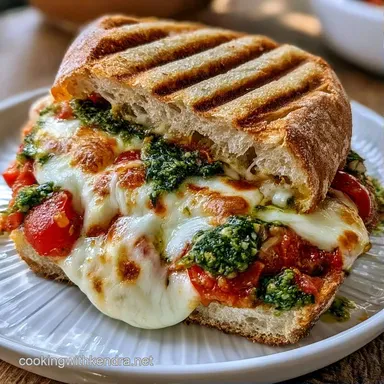
Vegetarian Caprese Panini in 15 Minutes
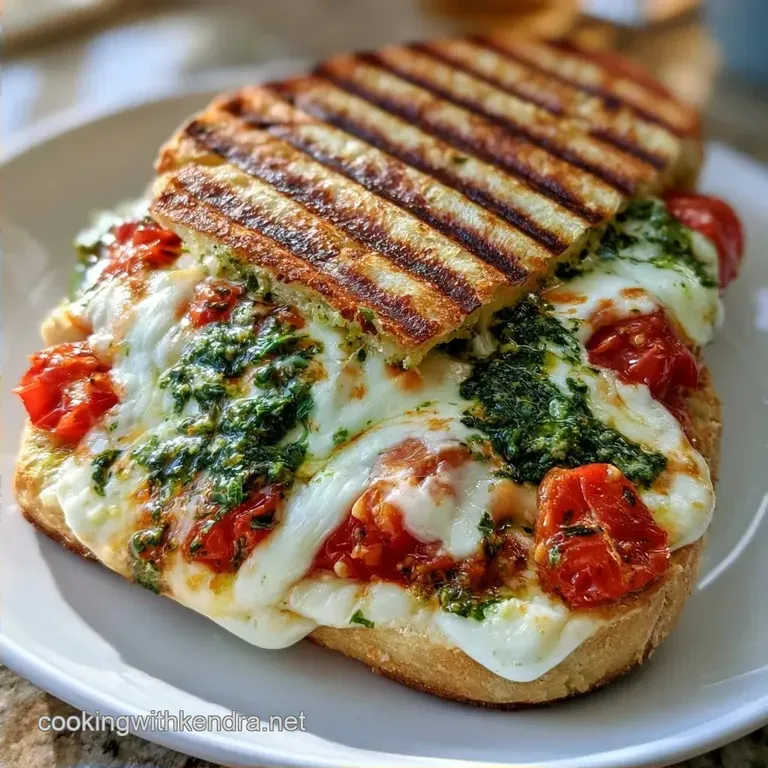
- Duration: 5 min active + 10 min cook
- Taste & Texture: A shatteringly crisp exterior paired with gooey, melted cheese
- Ideal for: A fast meat-free lunch or an elevated weekend brunch
- Caprese Panini and Why It Works
- The Best Parts of the Sandwich
- Quick Facts for Your Lunch
- Tools You Actually Need
- Putting the Sandwich Together
- Fixing Common Panini Problems
- How to Store and Keep Fresh
- What to Serve on the Side
- Different Ways to Make It
- Common Kitchen Beliefs
- Very High in Sodium
- Recipe FAQs
- 📝 Recipe Card
The aroma of toasted garlic and sizzling butter is always what hits me first. However, for a long time, my attempts at this sandwich were total failures. I used to simply stack tomato and mozzarella slices and hope for the best, only to end up with a damp, mushy mess that disintegrated the moment I took a bite.
The culprit was the moisture. Fresh tomatoes are essentially water bombs, and without a protective layer, that liquid seeps directly into the bread. Everything changed once I mastered how to dry the produce and seal the crumb.
You can now expect a Caprese Panini that actually maintains its structure. The bread remains crunchy, the cheese reaches a velvety melt, and the basil stays vibrant. It is the kind of meal that feels like it came from a professional kitchen but requires almost no effort.
Caprese Panini and Why It Works
I've looked closely at why toasted sandwiches often become soggy. When making a Caprese Panini, the arrangement of the layers is just as critical as the ingredients.
Pesto Barrier: Applying pesto to the bread forms a lipid-based seal. This prevents tomato moisture from penetrating the bread, ensuring the crust stays crunchy.
The Press Effect: Using a panini press pushes heat straight into the heart of the sandwich. This allows the mozzarella to melt completely before the exterior burns, a frequent issue with standard toasting methods.
| Bread Style | Prep Time | Texture | Best For |
|---|---|---|---|
| Fresh Ciabatta | 5 mins | Airy and crunchy | Classic, hearty feel |
| Sourdough | 7 mins | Tangy and firm | Extra crunch lovers |
| Baguette | 6 mins | Dense and crisp | Smaller, snack sized portions |
The Best Parts of the Sandwich
When building a Caprese Panini, the quality of your produce does the heavy lifting. You don't need a lot of ingredients, but you need the right ones.
For the bread, I always go with ciabatta. It has those big air pockets that soak up the pesto but stay sturdy under pressure. If you can't find ciabatta, a thick sourdough slice works well too.
The tomatoes need to be firm. If they are too soft, they'll release too much water and ruin the crunch. Heirloom tomatoes add a great look, but Roma tomatoes are often better for paninis because they have less seeds and juice.
Fresh mozzarella is a must. The low moisture variety is easier to handle, but the fresh balls in water give that authentic stretch. Just make sure you slice them thick enough to act as a structural wall for the sandwich.
Quick Facts for Your Lunch
This is a fast process, but the precision in the layering is what saves the meal. I usually make these for my family on busy Tuesdays when we want something that feels special but doesn't take an hour.
The total time is 15 minutes. You spend 5 minutes on the prep and 10 minutes at the press. Because the ingredients are mostly fresh, there's no long chilling or marinating time required.
Since it's a vegetarian dish, it's naturally lighter than a meat heavy sandwich, though the cheese and pesto add plenty of richness. It's a reliable way to get some greens and lycopene into the day without it feeling like a "health food" meal.
Tools You Actually Need
You can achieve great results without a commercial setup. While a panini press is the ideal tool, a few household basics will work just as well.
The press is the most convenient option since it applies balanced heat and pressure. Alternatively, a cast iron skillet paired with another heavy pan on top serves as an excellent substitute.
I also suggest using a sharp serrated knife for the ciabatta. These rolls are often very crusty, and a dull blade will crush the bread rather than slice it. Lastly, keep a paper towel handy to ensure the tomatoes are thoroughly dried.
Putting the Sandwich Together
The secret to a perfect Caprese Panini lies in the sequence of assembly. To prevent the bread from becoming soggy, avoid placing the tomatoes directly against it.
Phase 1: Managing the Moisture
- Slice your ciabatta rolls in half lengthwise.
- Slice the tomatoes and pat them dry between paper towels to remove any excess liquid. Note: This step is essential for maintaining a crisp crust.
- Apply a generous coating of basil pesto to the inside of both the top and bottom bread pieces.
Phase 2: The Assembly Order
- Layer mozzarella slices over the pesto to create a protective cheese barrier.
- Arrange the dried tomato slices on top of the cheese and season them with a pinch of sea salt and cracked black pepper.
- Place fresh basil leaves between the tomatoes and the next layer of cheese.
- Add one final thin slice of mozzarella over the basil to lock everything in place, then close the sandwich.
Phase 3: Pressing and Toasting
- Lightly coat the outer sides of the bread with olive oil or melted butter.
- Grill in a preheated panini press, pressing down firmly, for 3–5 minutes per side until the bread is a deep mahogany color.
Quick Tip: When using a skillet instead, place a foil-wrapped brick or another heavy pan on top to compress the sandwich for roughly 4 minutes per side.
Fixing Common Panini Problems
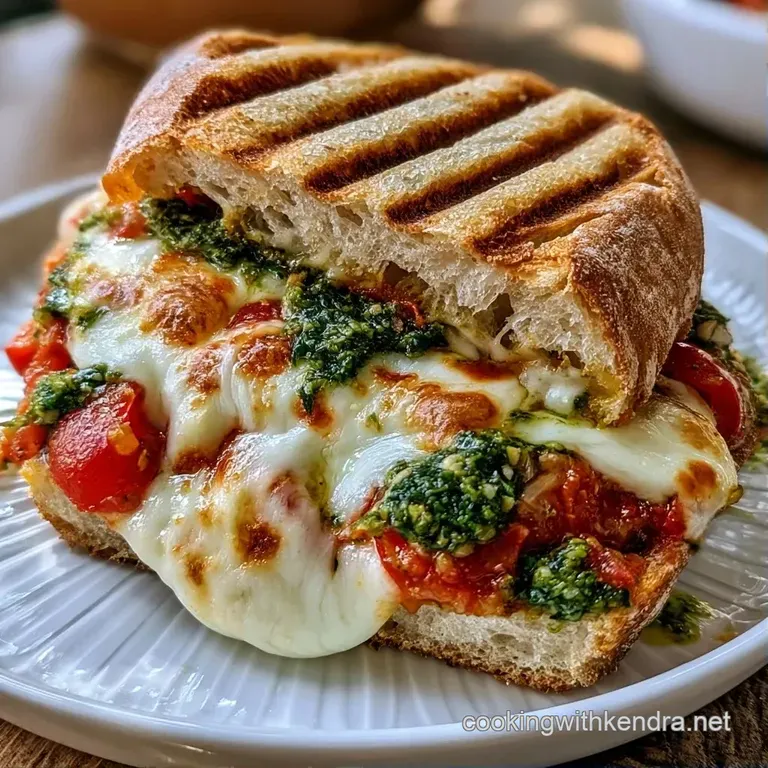
Even with a simple Caprese Panini, things can go sideways. Most issues come down to heat management or moisture.
Bread burns too fast
This happens when the press is on the highest setting. Lower the heat and give the sandwich more time to compress. If you're using a skillet, put a lid on the pan for the first 2 minutes. This traps the steam and melts the cheese before the bread gets too dark.
Fillings sliding out
This usually means the cheese wasn't acting as a "glue." Make sure you have a layer of mozzarella both below and above the tomatoes and basil. The cheese should anchor everything to the bread.
Cheese not melting
If your bread is toasted but the inside is cold, your slices are too thick. Stick to 1/4 inch rounds for the mozzarella. You can also wrap the sandwich in foil for 60 seconds in a warm oven before pressing to take the chill off the cheese.
How to Store and Keep Fresh
Honestly, a Caprese Panini is best enjoyed immediately after pressing. Once it sits, the bread absorbs moisture from the tomatoes and cheese, causing the crunch to fade.
Store any leftovers in the refrigerator for up to 24 hours. Be sure not to wrap them in plastic while hot, otherwise, they'll steam and turn mushy.
Skip the microwave for reheating, as it renders the bread rubbery. Instead, pop them in a toaster oven or heat them in a pan over medium for 3 minutes per side. This restores the crispness without overcooking the tomatoes.
To minimize waste, stir extra pesto into pasta or use it as a chicken marinade. If you have basil stems left over, add them to a vegetable stock or soup for added aromatics.
What to Serve on the Side
To balance the rich, savory flavors of the sandwich, something zesty is needed to cut through the creamy mozzarella. I love serving a peppery arugula salad tossed in a lemon dressing.
If you prefer a sweeter contrast, try adding strawberry caprese skewers to the plate. The sweetness of the fruit is a great match for the toasted bread.
Tomato bisque is another traditional side, although it can feel a bit "tomato-heavy." For those hosting guests, a platter of olives and marinated artichokes transforms the meal into a full Italian feast.
Different Ways to Make It
After mastering the basic Caprese Panini, you can easily experiment with different flavors. The great thing about this sandwich is its versatility.
For a more intense taste, try using sundried tomato panini ingredients. The dried tomatoes offer a deeper, saltier profile that holds up perfectly during pressing.
If you're looking for extra protein, grilled chicken breast or a few thin slices of prosciutto are excellent additions. Simply place the meat under the mozzarella so the cheese melts directly over it.
To make a vegan version, substitute the mozzarella for a cashew-based cheese and use vegan pesto. Follow the same steps, though you might need to press it for an extra minute since plant-based cheeses often take longer to melt.
For a spicy twist, spread a bit of chipotle mayo on the bread with the pesto, or tuck sliced jalapeños between the cheese and tomato layers.
- For extra crunch
- Use a sourdough loaf and brush with clarified butter.
- For a lighter version
- Use a whole grain ciabatta and reduce the pesto by half.
- For a meltier center
- Use a mix of mozzarella and provolone.
Common Kitchen Beliefs
Some people think you need to sear the tomatoes in a pan before putting them in the Caprese Panini. While that adds flavor, it often makes the tomatoes too soft, increasing the risk of a soggy sandwich. Patting them dry is more effective for texture.
Another myth is that you must use expensive balsamic glaze. Plain balsamic vinegar reduced in a small pot for 10 minutes does the same thing. Just simmer it until it coats the back of a spoon.
This Caprese Panini is a reliable, comforting meal that works for anyone. Whether you're using a fancy press or a heavy skillet, the trick is in the layering. Keep the moisture away from the bread, press it hard, and you'll have a lunch that actually tastes like it came from a cafe.
Very High in Sodium
1540 mg 1540 mg of sodium per serving (67% 67% of daily value)
The American Heart Association recommends a limit of 2,300mg of sodium per day for most adults to maintain heart health.
Tips to Reduce Sodium
-
Eliminate Added Salt-25%
Completely omit the sea salt; the sodium in the pesto and mozzarella provides sufficient seasoning.
-
Swap the Pesto-20%
Use a low-sodium pesto or make your own by reducing the salt and Parmesan cheese.
-
Choose Low-Sodium Bread-20%
Replace commercial ciabatta rolls with low-sodium bread or a homemade version with less salt.
-
Reduce Cheese Amount-15%
Use low-sodium fresh mozzarella or slightly reduce the number of slices per sandwich.
-
Enhance with Fresh Herbs
Add extra fresh basil leaves and cracked black pepper to boost the aromatic flavor without adding sodium.
Recipe FAQs
Is balsamic caprese panini vegetarian?
Yes, it is. This sandwich relies on mozzarella, tomatoes, and basil, making it naturally vegetarian-friendly.
What's on a caprese panini?
Mozzarella, sliced tomatoes, and basil pesto. These are layered on ciabatta rolls with fresh basil leaves and finished with a balsamic glaze.
Which sauce goes on a caprese sandwich?
Basil pesto and balsamic glaze. The pesto provides a savory base, while the glaze adds a touch of sweetness and acidity.
Is it true that any bread works for a caprese panini?
No, this is a common misconception. A sturdy bread like ciabatta is essential to support the weight of the cheese and prevent tomato moisture from making the sandwich soggy.
How to use basil pesto for the best results?
Spread a generous layer on both inner bread slices. This creates a fat-based seal that protects the bread; if you love this combination, you can apply a similar flavor profile to a tomato basil flatbread.
Should I believe that a press is the only way to get a mahogany crust?
Not true. You can use a heavy skillet to press the sandwich down firmly, which achieves a similar golden-brown finish if you don't have a panini press.
Caprese Panini in 15 Minutes