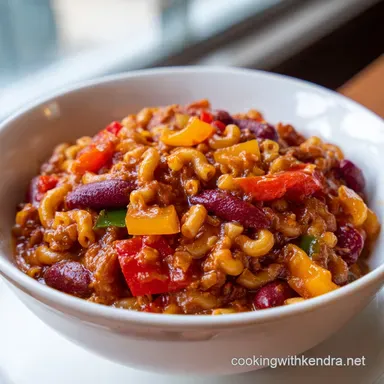
Vegetarian Chili Mac: Hearty One-Pot Meal
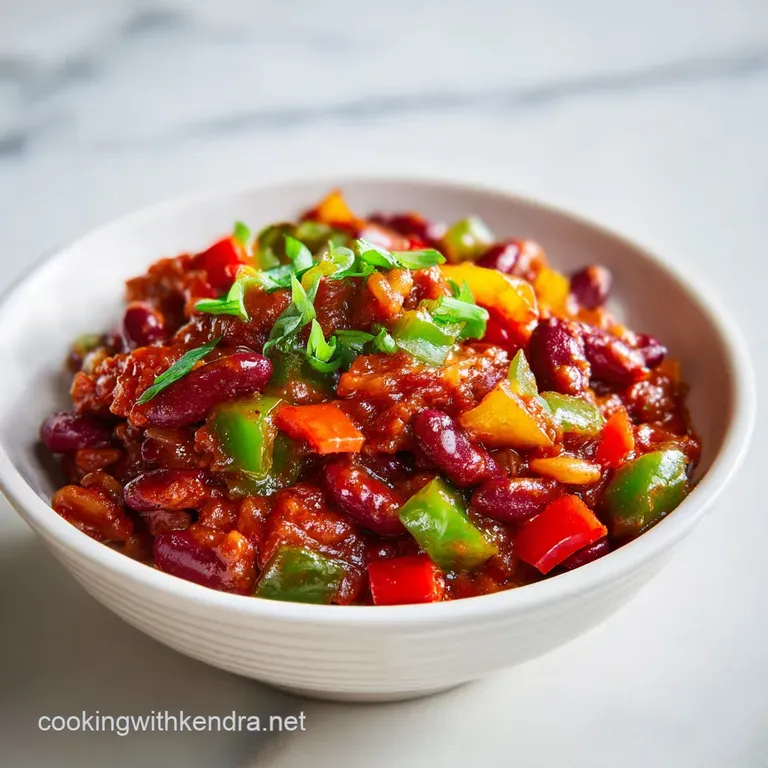
- Time: 15 min active + 20 min cook = Total 35 mins
- Flavor/Texture Hook: Smoky, cheesy, and thick with a velvety sauce
- Perfect for: Busy weeknight dinners or cozy meal prep
Vegetarian Chili Mac
Hear that sizzle? That's the sound of red and green bell peppers hitting hot olive oil, releasing that sweet, sharp aroma that tells you dinner is actually happening. I remember the first time I tried to make a "one pot" version of this.
I was exhausted after a long Tuesday, and I just wanted something that felt like a hug in a bowl. I didn't want to boil a separate pot of water, drain it, and then try to marry the pasta to the sauce.
The problem was, my first few tries ended up either as a soup or a sticky mass of glue. I realized I was treating the pasta like an afterthought. But once I started treating the macaroni as part of the sauce building process, everything changed.
The starch from the noodles doesn't go down the drain, it stays in the pot, turning the broth into a thick, glossy coating that clings to every single piece of pasta.
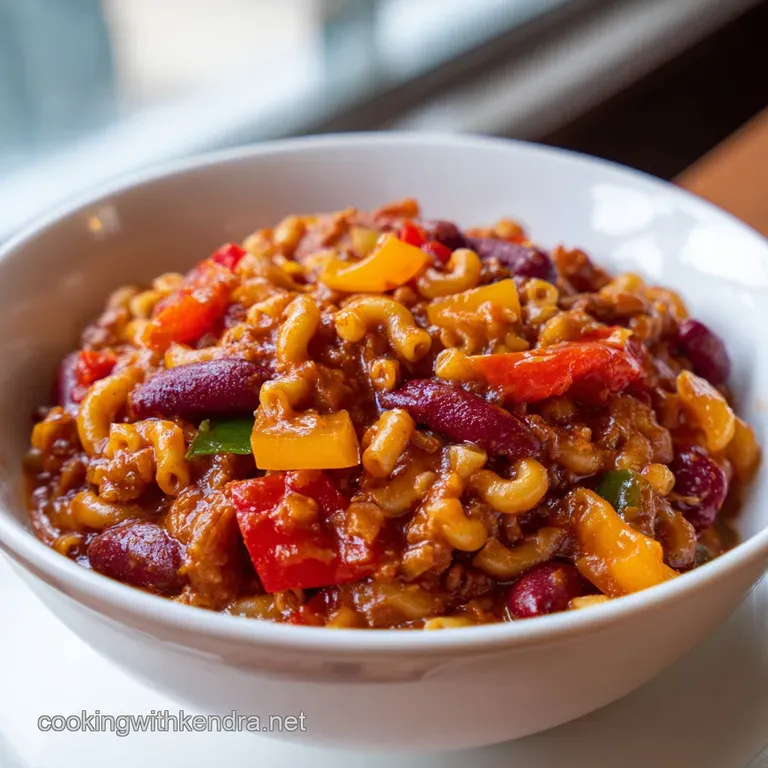
That's why this Vegetarian Chili Mac works so well. It's not just a mix of two things, it's a cohesive dish where the beans, corn, and cheese all melt into one hearty experience. You get the smokiness of the paprika, the bite of the sharp cheddar, and the heartiness of the beans, all without spending an hour cleaning up the kitchen.
It's simple, honest comfort food that doesn't pretend to be fancy, but tastes like it took all day.
Why This Recipe Works
I spent a lot of time wondering why some one pot pastas turn out creamy while others just feel watery. It comes down to how the starch interacts with the liquid. When you boil pasta in a huge pot of water, you're basically throwing away the "magic" ingredient that makes restaurant sauces so smooth.
Starch Trapping: By simmering the macaroni in the vegetable broth and tomato base, the released starches naturally thicken the liquid, creating a velvety texture without needing a roux or heavy cream.
Layered Aromatics: Sautéing the onions and peppers first creates a base of caramelized sugars, which balances the acidity of the canned tomatoes and the earthiness of the beans.
Fat Integration: Adding the sharp cheddar at the very end, off the heat, prevents the cheese from "breaking" or becoming oily, ensuring the sauce stays smooth and cohesive.
Controlled Hydration: The specific ratio of broth to pasta ensures the noodles absorb enough liquid to be tender, but leave enough behind to form a thick sauce.
Before we get into the nitty gritty, you might be wondering if it's worth using fresh ingredients or if shortcuts are the way to go for a weeknight.
| Approach | Prep Effort | Texture | Best For |
|---|---|---|---|
| Freshly Chopped | Higher | Chunkier, vibrant veg | Weekend meals |
| Pre cut/Frozen | Lower | Softer, uniform | Busy weeknights |
| Canned Mixes | Lowest | Mushier, saltier | Emergency dinner |
The difference is noticeable, but for a Vegetarian Chili Mac, the "shortcut" of using frozen corn or pre diced onions doesn't really kill the vibe. The bold flavors of the chili powder and cumin usually carry the dish regardless.
The Core Components
I like to look at the ingredients as "functional groups." You've got your aromatics, your bulk, your flavor agents, and your binders. If you mess with one, you have to adjust the others to keep the balance.
| Ingredient | Science Role | Pro Secret |
|---|---|---|
| Elbow Macaroni | Starch Source | Use a bronze cut pasta for a rougher surface that holds more sauce |
| Sharp Cheddar | Emulsifier & Fat | Grate it yourself; pre shredded cheese has cellulose that stops it from melting smoothly |
| Tomato Paste | Thickener & Umami | Sauté it for 2 minutes to remove the "raw" metallic taste |
| Vegetable Broth | Hydration | Use a low sodium version so you can control the salt levels yourself |
Knowing why these ingredients are there helps when you start experimenting. For instance, the tomato paste isn't just for color, it's there to provide that deep, concentrated savory note that usually comes from slow cooking meat.
Necessary Kitchen Gear
You don't need a fancy kitchen to pull this off. In fact, the fewer tools you use, the better. The goal here is minimal cleanup, so we're sticking to the basics.
A large Dutch oven is my go to. The heavy bottom prevents the pasta from scorching and distributes the heat evenly, which is huge when you're simmering for 10-12 minutes. If you don't have one, a deep skillet with a tight fitting lid works just fine.
Just make sure it's deep enough that the macaroni doesn't overflow when it bubbles.
You'll also need a sturdy wooden spoon or a silicone spatula. You'll be doing a fair amount of stirring to make sure the pasta doesn't clump together at the bottom. A fine mesh strainer is necessary for the beans, and a basic grater if you're doing the cheese from a block. That's really it.
No blenders, no food processors, no stress.
Step by step Process
Right then, let's get into the actual cooking. The key here is patience with the vegetables and precision with the pasta timing.
Preparing the Aromatics
Heat the olive oil over medium heat in your Dutch oven. Throw in the diced yellow onion, red bell pepper, and green bell pepper. Stir these occasionally for about 5-7 minutes until they are softened and fragrant.
You want the onions to be translucent, not browned, as we're looking for a sweet base rather than a charred one.
Once the peppers are soft, stir in the minced garlic. Cook this for only 60 seconds. Garlic burns quickly, and burnt garlic tastes bitter, which would ruin the balance of the Vegetarian Chili Mac.
Simmering the Chili Base
Now, stir in the tomato paste, chili powder, cumin, and smoked paprika. Coat the vegetables thoroughly. This is a crucial step because the heat "blooms" the spices, releasing the essential oils and deepening the flavor.
Pour in the diced tomatoes (with all those juices), the kidney beans, black beans, and frozen corn. Let this mixture simmer for 5 minutes. You're looking for the liquid to reduce slightly and the colors to merge into a rich, smoky red.
Cooking the Pasta
Pour in the vegetable broth and stir in the uncooked macaroni. Bring the whole pot to a gentle boil. As soon as it hits that point, reduce the heat to low.
Cover the pot and simmer for 10-12 minutes. Stir every few minutes to ensure the noodles aren't sticking to the bottom. You'll know it's ready when the macaroni is tender and the sauce has thickened into a glossy coating. According to guidelines on Serious Eats, cooking pasta in a limited amount of liquid preserves the starch, which is exactly what we're doing here.
Incorporating the Cheese
Remove the pot from the heat entirely. This is where most people mess up. If you add cheese to boiling liquid, it can separate and get oily.
Slowly stir in the shredded sharp cheddar. Keep stirring until the cheese is completely melted and velvety. The residual heat of the pasta is enough to melt the cheese without breaking the emulsion. Finally, garnish with chopped fresh cilantro and sliced green onions for a pop of freshness.
Fixing Common Issues
Even with a simple recipe, things can go sideways. Usually, it's a liquid or timing issue.
Troubleshooting Common Issues
| Issue | Solution |
|---|---|
| Why Your Sauce is Too Thin | If your Vegetarian Chili Mac looks more like a soup than a creamy pasta, you likely didn't simmer the pasta long enough or used too much broth. The starch needs time to release and thicken the liquid. |
| Why the Pasta is Mushy | This happens when you overcook the noodles or stir too aggressively. Macaroni is sturdy, but if it simmers for 15-20 minutes, it loses its structure. Always check the pasta 2 minutes before the timer |
| Why the Cheese is Grainy | Grainy cheese is usually the result of too much heat. If the pot is still boiling when the cheese goes in, the proteins in the cheese tighten up and squeeze out the fat. |
Chef Note: If the sauce is still too thin after the pasta is cooked, stir in an extra handful of cheese. The fat and protein in the cheddar act as a secondary thickener.
Common Mistakes Checklist
- ✓ Adding cheese while the pot is still on the burner.
- ✓ Using pre shredded cheese with anti clumping agents.
- ✓ Skipping the "blooming" of the spices in the oil.
- ✓ Boiling the pasta on high heat for the entire duration.
- ✓ Forgetting to rinse the canned beans (this removes excess salty brine).
Fun Variations
One of the best things about this Vegetarian Chili Mac is how flexible it is. You can easily shift the flavor profile based on what's in your pantry.
If you want to boost the protein, you can stir in some cooked lentils or even some crumbled tofu. For those who want a "kick," adding a diced jalapeño with the other peppers gives it a great heat. If you're looking for something more creamy, a dollop of sour cream or Greek yogurt on top is a classic move.
For a vegan version, simply swap the cheddar for a high-quality vegan shred and use a dash of nutritional yeast in the spice mix to mimic that cheesy, nutty flavor. If you love a side of heartiness, this pairs great with my Crockpot Refried Beans recipe for a full on fiesta dinner.
Switching the Grains
You don't have to use elbow macaroni. Shells are brilliant because they act like little scoops for the beans and corn. Rotini or fusilli also work well because their spirals trap the sauce. Just keep in mind that larger pasta shapes might need an extra 2-3 minutes of simmering time.
Adding a Smoky Kick
While smoked paprika is great, you can deepen the flavor by adding a teaspoon of liquid smoke or a tablespoon of chipotle peppers in adobo sauce. This gives the Vegetarian Chili Mac a "grilled" quality that makes people forget there's no meat in the pot.
Scaling the Recipe
Adjusting a one pot meal can be tricky because the liquid to starch ratio needs to remain precise.
Scaling Down (Half Batch) Use a smaller pot, like a 3 quart saucepan. Reduce the simmering time by about 20% because a smaller volume of liquid heats up and evaporates faster. If you're using a single egg as a garnish (some people do!), beat it first and then use half.
Scaling Up (Double Batch) When doubling, don't double the salt and spices exactly. Start at 1.5x and taste before adding more. Liquids can be reduced by about 10% because less evaporation occurs in a larger, crowded pot.
Work in batches if your pot isn't massive, as overcrowding the vegetables during the sauté phase will cause them to steam instead of brown.
For baking versions (if you decide to put this in a casserole dish), lower the oven temp by 25°F and extend the bake time by 10 minutes to ensure the center is hot without burning the cheese topping.
Truth About Chili Mac
There are a few things people tell you about one pot pasta that just aren't true. Let's clear those up.
One common myth is that you must boil the pasta separately to get the "right" texture. In reality, cooking the pasta in the sauce actually improves the flavor because the noodles absorb the broth and spices rather than just plain water.
Another misconception is that canned beans are "less healthy" than dried beans. While dried beans are great, canned beans are perfectly fine as long as you rinse them. According to the USDA FoodData, the nutritional profile of rinsed canned beans is very similar to cooked dried beans.
Finally, some say you need a slow cooker to get a "deep" chili flavor. While slow cookers are great, the sautéing and simmering method we use here develops the necessary flavors in 35 minutes rather than 8 hours.
Save and Reheat
This dish actually tastes better the next day because the flavors have more time to meld.
Fridge Storage Store your Vegetarian Chili Mac in an airtight container for up to 4 days. The pasta will continue to absorb liquid as it sits, so you'll notice it becomes much thicker in the fridge.
Freezer Guide You can freeze this for up to 3 months. I recommend freezing it in individual portions. Note that the cheese may change texture slightly upon thawing, but it's still tasty.
Reheating for Freshness When reheating, add a splash of water or vegetable broth to the bowl before microwaving. This loosens the sauce and brings back that velvety consistency. Heat in 1 minute bursts, stirring in between.
Zero Waste Tips Don't toss your onion skins or pepper scraps! Collect them in a freezer bag and simmer them with water and a carrot to make a quick homemade vegetable broth for your next batch of Vegetarian Chili Mac.
If you have leftover cilantro stems, mince them finely and sauté them with the garlic for extra flavor.
Serving Your Meal
The way you present this dish can turn a simple weeknight meal into something that feels special.
I love serving this in wide, shallow bowls. Start with a generous scoop of the cheesy pasta and then load up on the toppings. A swirl of sour cream, a few slices of fresh avocado, and some pickled jalapeños add a brightness that cuts through the richness of the cheddar.
If you're serving a crowd, put the toppings in small bowls in the center of the table and let everyone customize their own bowl. It makes the meal interactive and ensures the "heat sensitive" people in your family stay happy.
Pair this with a crisp green salad or some garlic bread to soak up any remaining sauce. It's a filling, comforting meal that hits all the right notes without requiring a mountain of dishes. Trust me, once you try this one pot method, you'll never go back to boiling your macaroni separately.
High in Sodium
1100 mg 1,100 mg of sodium per serving (48% 48% of daily value)
The American Heart Association recommends limiting sodium intake to no more than 2,300 mg per day, with an ideal limit of 1,500 mg for most adults to reduce the risk of cardiovascular disease.
Tips to Reduce Sodium in Your Recipe
-
Swap the Broth-30%
Replace standard vegetable broth with low-sodium or no-salt added vegetable broth to significantly cut down on hidden salts.
-
Eliminate Added Salt-25%
Remove the 'salt to taste' entirely; the cheese and canned tomatoes already provide significant sodium.
-
Choose Low-Sodium Cans-20%
Use no-salt added kidney beans, black beans, and diced tomatoes, or rinse canned beans thoroughly under cold water.
-
Moderate the Cheese-15%
Reduce the sharp cheddar to 1 cup instead of 2, or use a lower sodium Swiss cheese alternative.
-
Enhance with Acid
Add a squeeze of fresh lime juice or an extra pinch of black pepper to brighten the flavors without using salt.
Recipe FAQs
Can I use whole wheat pasta instead of elbow macaroni?
Yes, whole wheat works well. Be mindful that it may absorb slightly more vegetable broth, so monitor the liquid levels during the simmer to ensure it doesn't dry out.
Why is my sauce too thin?
You likely didn't simmer the pasta long enough. The starch from the macaroni needs sufficient time to release and naturally thicken the vegetable broth into a creamy sauce.
Why is the pasta mushy?
The noodles were overcooked or stirred too aggressively. Check the macaroni 2 minutes before the timer ends to ensure it retains its structure.
How to prevent the cheese from becoming grainy?
Remove the pot from the heat before stirring in the cheese. Adding cheddar to a boiling liquid can cause the proteins to clump and separate.
Is it true I must boil the macaroni separately before adding it to the pot?
No, this is a common misconception. Cooking the uncooked macaroni directly in the pot allows the starch to stay in the dish, which creates a richer sauce.
How to store and reheat leftovers?
Store in an airtight container in the fridge for 3-4 days. Reheat on the stove over low heat, adding a splash of vegetable broth to loosen the sauce.
How to prevent the minced garlic from burning?
Cook it for exactly 60 seconds. Add it only after the onions and peppers have softened. If you enjoyed mastering the aromatic base here, the same sauté technique is used in our Shepherds Pie.
Vegetarian Chili Mac: One-Pot