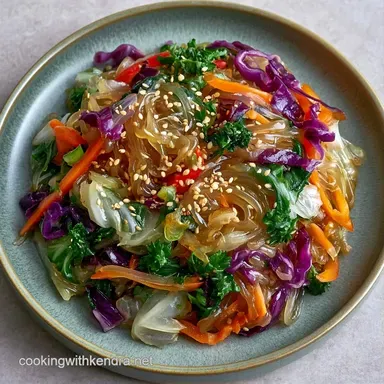
Vegetarian Rice Noodle Stir Fry: Velvety Sauce
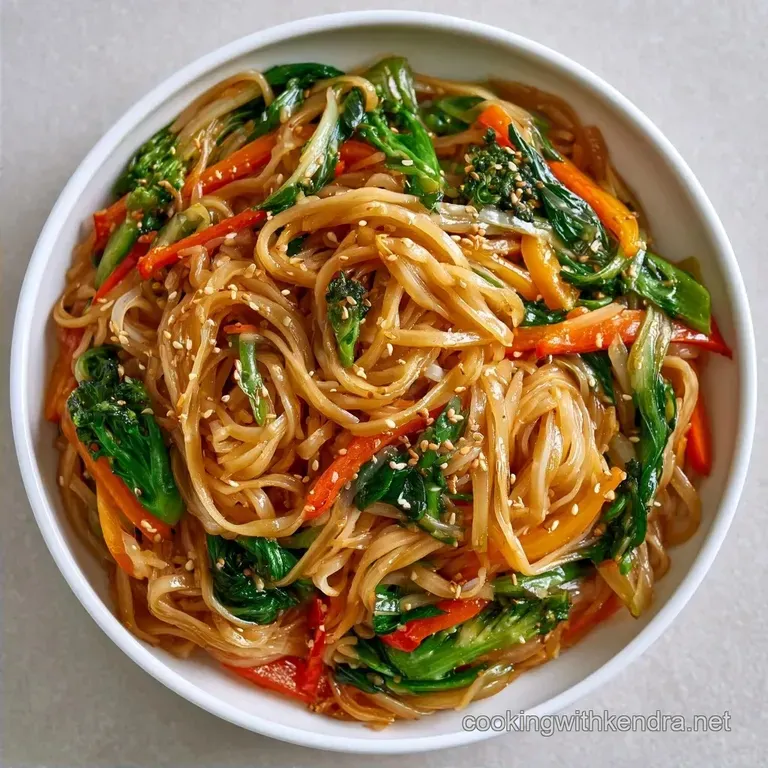
- Time: 15 min prep + 15 min cook = Total 30 minutes
- Flavor/Texture Hook: Velvety sauce with a shatter crisp vegetable crunch
- Perfect for: A high energy weeknight dinner or healthy meal prep
Vegetarian Rice Noodle Stir Fry
That first loud sizzle when the tofu hits the hot oil is the best part of the whole process. I remember the first time I tried making a stir fry, I treated the rice noodles like Italian pasta, boiling them until they were soft.
I ended up with a pan of gummy, translucent glue that stuck to everything, including my soul. It was a disaster, but it taught me the most important lesson about rice noodles: they hate the boiling pot.
Once I switched to the soaking method, everything shifted. Suddenly, the noodles had this springy, al dente bite that could actually hold onto the sauce. This isn't just about saving a few minutes, it's about the structural integrity of the dish.
When you get the texture right, the contrast between the silky noodles and the snap of the vegetables is what makes this feel like a professional Asian Fusion plate.
We're going for a dynamic, colorful result here. You'll see the deep greens of the broccoli, the vibrant red of the peppers, and the bright orange of the carrots all popping against a glossy, dark glaze. This Vegetarian Rice Noodle Stir Fry is designed for speed, so we'll get the prep done first and then move fast once the heat is on. Trust me, once you see how easy it is to get that restaurant style glaze at home, you'll never go back to the takeout containers.
The Secret to Noodle Texture
Starch Control: Soaking noodles in hot water instead of boiling them prevents excess starch from leaching out. This keeps the noodles individual and prevents them from clumping into a mass.
Over High heat Searing: Tofu needs a scorching pan to create a golden crust. This ensures the tofu stays firm and doesn't turn into a soft sponge when the sauce is added.
The Glaze Effect: Adding cornstarch to the sauce creates a thickened emulsion. This allows the liquid to cling to the smooth surface of the rice noodles rather than pooling at the bottom of the pan.
Vegetable Sequencing: Harder vegetables like carrots and broccoli go in first. This ensures everything finishes cooking at the exact same time so nothing gets mushy.
| Method | Time | Texture | Best For |
|---|---|---|---|
| Boiling | 10 mins | Soft/Mushy | Noodle Soups |
| Soaking | 10 mins | Springy | Stir Fry |
| Fresh | 2 mins | Silky/Chewy | High End Dining |
If you are looking for other ways to use these types of noodles, you might enjoy the way a Lo Mein Sauce Recipe handles different noodle textures to create a savory, rich coating.
Component Analysis
| Ingredient | Science Role | Pro Secret |
|---|---|---|
| Maple Syrup | Sweetness/Viscosity | Use a dark grade for more depth |
| Cornstarch | Thickening Agent | Whisk thoroughly to avoid lumps |
| Rice Vinegar | pH Balance | Cuts through the richness of sesame oil |
| Extra Firm Tofu | Protein Structure | Press for 15 mins to improve sear |
The balance of the sauce is everything. We're using maple syrup instead of brown sugar because it provides a cleaner sweetness that doesn't overpower the ginger. The rice vinegar provides the necessary acidity to wake up the palate, and the cornstarch is what transforms a watery liquid into a velvety coating.
Gathering Your Essentials
For the sauce, you'll need these specifics to get the flavor profile just right: - 1/2 cup low sodium soy sauce Why this? Less salt allows the ginger and garlic to shine - 2 tbsp maple syrup Why this? Natural sweetness and better viscosity than sugar - 1
Tbsp rice vinegar Why this? Mild acidity that doesn't taste "sharp" - 1 tbsp sesame oil Why this? Essential for that nutty, toasted aroma - 1 tsp sriracha Why this? Subtle heat without burning the tongue - 1 tsp cornstarch
Why this? Creates the glossy, clinging glaze
For the noodle and protein base: - 8 oz wide rice noodles Why this? Wide noodles offer more surface area for sauce - 14 oz extra firm tofu, pressed and cubed Why this? Holds its shape during over high heat tossing - 2 tbsp neutral oil (like grapeseed or
Canola) Why this? High smoke point prevents burning
For the fresh vegetable mix: - 3 cloves garlic, minced - 1 tbsp fresh ginger, grated - 2 cups broccoli florets Why this? Great texture for catching sauce - 1 red bell pepper, thinly sliced Why this? Adds a pop of bright color - 1 cup carrots, julienned
Why this? Adds crunch and sweetness - 1 cup snap peas Why this? Fresh, green snap for contrast - 2 green onions, sliced Why this? Fresh finish to cut through the salt
Essential Kitchen Gear
You don't need a professional wok, but the pan you choose matters. A large carbon steel skillet or a wide non stick pan is best. You need enough room to toss the noodles without them flying over the edges. If the pan is too small, the vegetables will steam instead of sear, and you'll lose that charred, dynamic flavor.
I also recommend a large mixing bowl for the noodle soak. Make sure it's deep enough to fully submerge the rice noodles. A fine mesh colander is mandatory for rinsing the noodles under cold water, which stops the cooking process immediately and locks in that al dente texture.
Finally, have a whisk ready for the sauce. Cornstarch has a habit of clumping if it's just stirred with a fork. A quick whisk ensures the slurry is smooth, which means no weird white dots of uncooked starch in your final dish.
From Prep to Plate
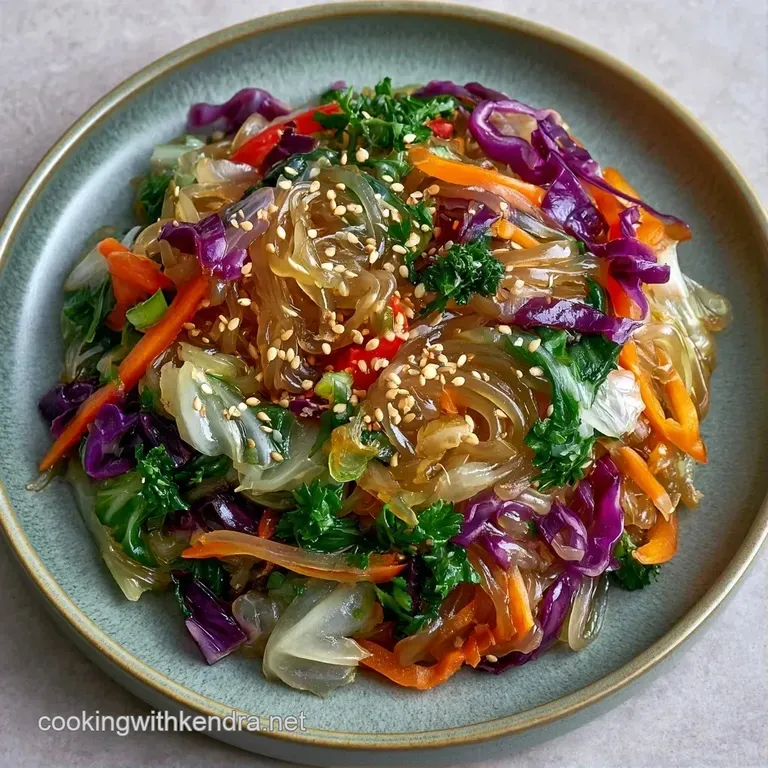
- Whisk the soy sauce, maple syrup, rice vinegar, sesame oil, sriracha, and cornstarch in a small bowl until the cornstarch is fully dissolved. Note: Do this first so the sauce is ready to pour
- Place rice noodles in a large bowl and cover with very hot (not boiling) water. Soak for 8-10 minutes until flexible but slightly firm. Drain in a colander and rinse with cold water.
- Heat 1 tbsp of neutral oil in a skillet over medium high heat. Add tofu cubes and sear until golden brown on at least two sides.
- Add minced garlic and grated ginger to the tofu, stirring for 30 seconds until fragrant but not brown.
- Add the remaining 1 tbsp of oil if needed. Toss in broccoli and carrots, stirring for 3 minutes until they turn a vivid, bright color.
- Add bell peppers and snap peas, cooking for another 2 minutes until they are tender crisp.
- Add the soaked noodles to the skillet and pour the sauce over the mixture.
- Toss continuously for 2 minutes until the sauce thickens and coats everything in a velvety glaze.
- Stir in sliced green onions and serve immediately.
Chef's Tip: For an even better tofu sear, pat the cubes dry with a paper towel right before they hit the oil. Any surface moisture will cause the tofu to steam instead of brown, robbing you of that golden crust.
Noodle and Sauce Fixes
If your noodles aren't behaving, it's usually a temperature or timing issue. Rice noodles are sensitive. If they stay in the hot water too long, they lose their structure. If they aren't rinsed, the residual starch makes them sticky.
Noodle Clumping Issues
This usually happens when the noodles are over soaked or not rinsed. The starch becomes a glue that binds the strands together. To fix this, always rinse with cold water and toss them with a tiny drop of oil before adding them to the pan.
Sauce Thickness Problems
If the sauce is too thin, it's likely because the pan wasn't hot enough when you poured it in. The cornstarch needs heat to activate its thickening power. If it's too watery, just toss it on high heat for another 60 seconds.
Garlic Burn Issues
Garlic burns in a heartbeat at stir fry temperatures. If you see it turning dark brown, it'll taste bitter. Always add your aromatics (garlic and ginger) after the tofu has seared, just before adding the vegetables.
| Problem | Root Cause | Solution |
|---|---|---|
| Gummy Noodles | Over soaked | Soak for exactly 8-10 mins |
| Watery Sauce | Low pan heat | Increase heat before adding sauce |
| Mushy Veggies | Overcooked | Cook in batches or faster heat |
Common Mistakes Checklist
- ✓ Did you rinse the noodles in cold water?
- ✓ Is the tofu pressed and dry before searing?
- ✓ Did you add the broccoli before the snap peas?
- ✓ Is the cornstarch fully dissolved in the sauce?
- ✓ Did you avoid boiling the noodles?
Adjusting Your Portions
When you're cooking for a crowd or just yourself, you can't just multiply everything blindly. Stir frying relies on the ratio of ingredients to the surface area of the pan.
Scaling Down (Half Batch): Use a smaller skillet to keep the heat concentrated. You'll find that the cooking time for the vegetables reduces by about 20% because there is less moisture being released into the pan.
For the tofu, you can still press it the same way, but be careful not to overcrowd the smaller pan, or you'll lose the sear.
Scaling Up (Double or Triple Batch): This is where most people fail. If you put 32 oz of noodles and 40 oz of tofu in one pan, the temperature will plummet, and you'll end up boiling your food in its own juices. Work in batches.
Sear the tofu first, remove it, sear the vegetables, remove them, and then combine everything at the end with the noodles and sauce. Also, only increase the salt and spices to about 1.5x instead of 2x to avoid an over salted result.
| Goal | Adjustment | Impact |
|---|---|---|
| More Protein | Add 8oz Tempeh | Denser texture, nuttier flavor |
| Low Sodium | Swap Soy for Coconut Aminos | Slightly sweeter, less salt |
| Extra Spice | Add 1 tsp Chili Flakes | Sharp, immediate heat |
If you're exploring other ways to bring this kind of heat to your kitchen, you might find the balance of flavors in an Authentic Pad Thai interesting, as it uses a similar over high heat tossing technique.
Noodle Truths
There's a common belief that you must use a wok to get "wok hei" or the breath of the wok. While a wok is great, a heavy stainless steel or carbon steel skillet does the job just as well for a Vegetarian Rice Noodle Stir Fry. The key is the heat and the oil, not the shape of the pan.
Another myth is that you should boil rice noodles to "clean" them. This is unnecessary. high-quality noodles are clean from the factory, and boiling them only destroys the texture. A soak in hot water is all you need to hydrate the starch.
Finally, some people think that adding cornstarch makes a dish "unhealthy." In reality, it's just a way to manage the texture of the sauce. According to guidelines from Serious Eats, the amount of starch used in a glaze is negligible compared to the nutritional benefits of the fresh vegetables and protein.
Storage Guidelines
In the Fridge: Store your stir fry in an airtight container for up to 3 days. Rice noodles have a tendency to absorb the sauce as they sit, which means the dish will be thicker and "drier" when you eat the leftovers.
Freezing: I don't recommend freezing this specific recipe. Rice noodles often break down and become grainy or mushy after being frozen and thawed. The vegetables also lose their snap. If you must freeze it, only freeze the tofu and vegetable mix, then add fresh noodles and sauce when reheating.
Zero Waste Tips: Don't throw away the broccoli stems! Peel the tough outer skin, slice the inner core into thin coins, and toss them in with the carrots. They have a wonderful crunch and a slightly sweeter taste than the florets.
Also, save any leftover ginger scraps in the freezer to use for tea or other stir fries later.
Presentation Tips
To make this dish look as dynamic as it tastes, you need to focus on color balance. A brown pile of noodles is boring. We want a visual explosion.
First, focus on the Red Accent. Ensure the red bell pepper is sliced into long, thin strips. When you toss the dish, these red streaks act as visual anchors that draw the eye across the plate. Add them late in the cooking process so they stay bright and don't fade into a dull orange.
Second, use the Green Pop. The snap peas and green onions provide a fresh, vibrant contrast. I like to save half of the sliced green onions for a raw garnish on top. The bright, uncooked green against the glossy, cooked noodles creates a professional, fresh look.
Third, the Orange Glow. The julienned carrots add a warmth to the palette. To keep them looking stunning, cut them into uniform matchsticks. This ensures they cook evenly and distribute a consistent orange hue throughout the dish.
When plating, don't just dump the noodles. Use tongs to twist them into a high mound in the center of the bowl. Lean the broccoli florets against the side and scatter the red peppers on top. Finish with a sprinkle of sesame seeds for a tiny, white contrast that makes the whole plate feel finished and polished.
High in Sodium
1100 mg 1100 mg of sodium per serving (48% 48% of daily value)
The American Heart Association recommends a daily sodium limit of no more than 2,300 mg, with an ideal limit of 1,500 mg for most adults to reduce cardiovascular risk.
Tips to Reduce Sodium
-
Swap Soy for Coconut Aminos-30%
Replace the low-sodium soy sauce with coconut aminos, which provide a similar umami flavor with significantly less sodium.
-
Dilute the Sauce-20%
Reduce the amount of soy sauce and replace the volume with water or unsalted vegetable broth to maintain the consistency.
-
Substitute Sriracha-10%
Replace sriracha with freshly chopped chilies or red pepper flakes to get the same heat without the added salt.
-
Enhance with Acid and Herbs
Add a squeeze of fresh lime juice or extra toasted sesame seeds to brighten the dish without adding sodium.
Recipe FAQs
Can you make a stir fry with rice noodles?
Yes, they are ideal for stir frying. Their unique texture allows them to absorb savory sauces efficiently while maintaining a pleasant chew.
How to cook rice noodle disks at home?
Soak them in very hot, non-boiling water for 8 10 minutes. Drain them in a colander and rinse with cold water to ensure they remain flexible but firm.
Is it true that rice noodles must be boiled on the stove?
No, this is a common misconception. Soaking them in hot water is often preferred as it prevents the noodles from overcooking and becoming sticky.
What type of food goes best with rice noodles?
Fresh, crisp vegetables and seared proteins. If you enjoyed the balance of textures here, see how the same principle works in our stuffed peppers.
How to prevent rice noodles from becoming mushy?
Rinse with cold water immediately after soaking. Only toss them in the skillet for the final 2 minutes of cooking to avoid over processing.
Can this stir fry be frozen for later?
No, freezing is not recommended. Rice noodles often break down and become grainy or mushy after being frozen and thawed.
How to make the sauce thicken properly?
Whisk the cornstarch into the cold sauce ingredients until fully dissolved. Toss continuously over medium high heat for 15 minutes until the sauce coats the noodles.
Vegetarian Rice Noodle Stir Fry