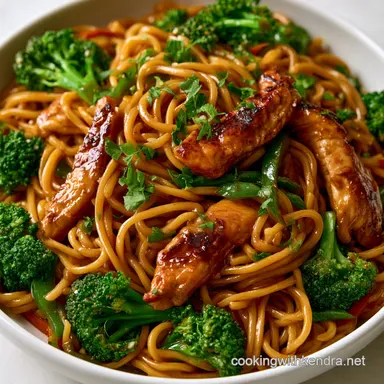
Chicken Lo Mein Pasta: Better-Than-Takeout
- Time: 15 min prep + 15 min cook = Total 30 mins
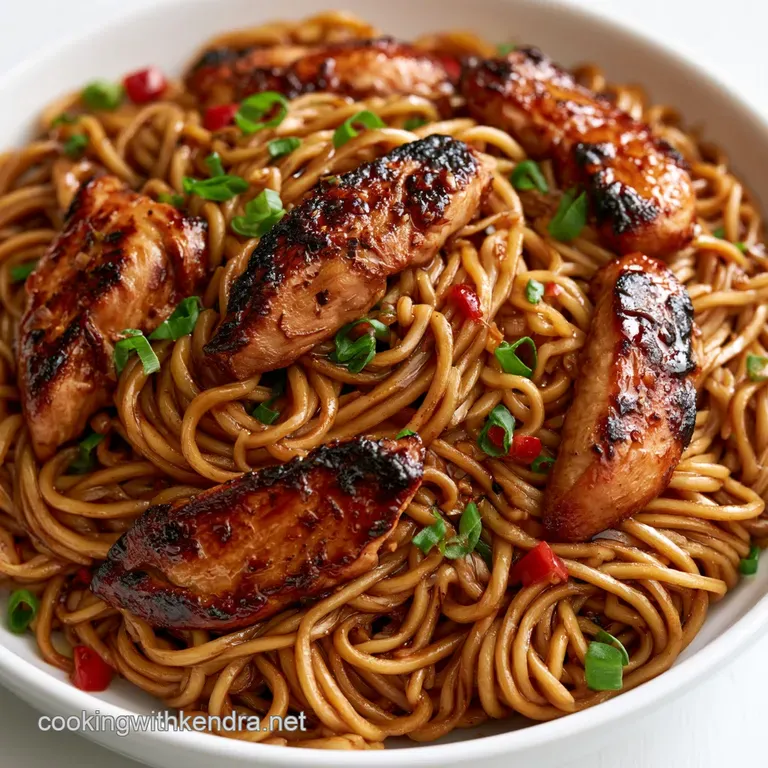
- Flavor/Texture Hook: Silky, mahogany seared chicken with a velvety umami glaze
- Perfect for: A high impact weeknight dinner that beats takeout
- Chicken Lo Mein Pasta That Works
- The Texture Secret
- Ingredient Deep Dive
- Pantry And Produce
- The Essential Kit
- The Cooking Process
- Avoiding Common Mistakes
- Troubleshooting Common Issues
- Flavor Twists
- Scaling The Recipe
- Common Kitchen Myths
- Storage And Waste
- Perfect Pairings
- Very High in Sodium
- Recipe FAQs
- 📝 Recipe Card
That aggressive sizzle when the chicken hits the hot oil is the sound of victory. I remember the first time I tried making this at home, and it was a total disaster. The chicken had the texture of a rubber eraser, and the noodles were just... swimming in a pool of brown water.
I had followed a generic recipe, but I missed the most important part: the heat management and the marinade.
The problem most people face with Chicken Lo Mein Pasta is the "soggy factor." Either the vegetables overcook into a grey mess, or the sauce doesn't actually cling to the noodles, leaving you with a watery puddle at the bottom of the bowl. This version fixes that by treating the chicken and the sauce as two separate scientific events before they meet in the pan.
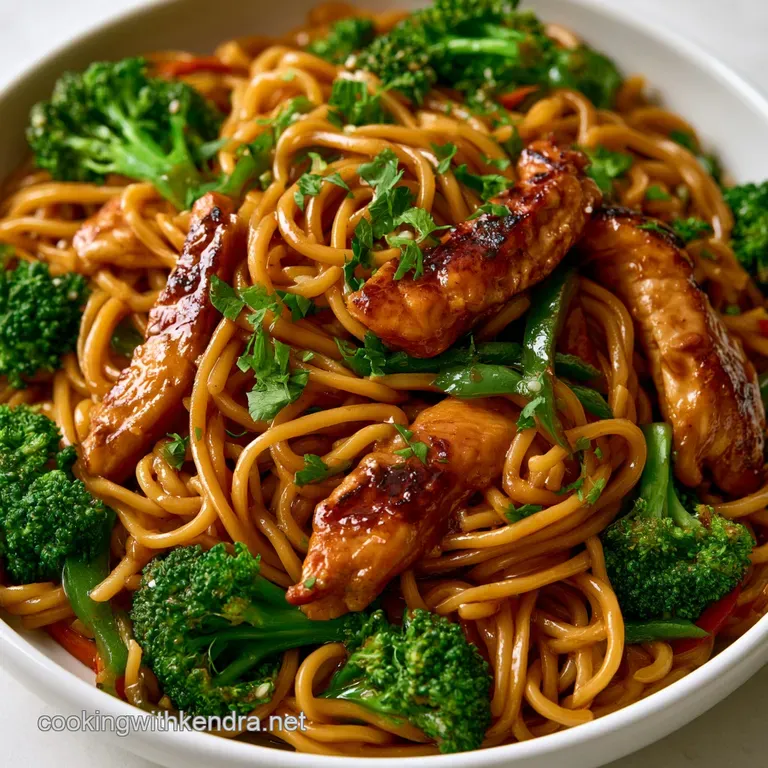
We're going for a dynamic, Asian Fusion vibe here. You can expect a dish that looks as stunning as it tastes, with vibrant greens and a glossy, rich coating on every single strand of pasta. Trust me, once you see the mahogany crust on the chicken, you'll never go back to the takeout boxes.
Chicken Lo Mein Pasta That Works
The real secret to this recipe is how we handle the protein. If you just throw raw chicken strips into a pan with vegetables, the meat releases moisture, the temperature drops, and you end up steaming your food instead of searing it.
By searing the chicken first and removing it, we create a over high heat environment that allows the sugars in the sauce to caramelize.
But it's not just about the heat. The "velveting" process, which involves a mix of cornstarch and Shaoxing wine, creates a protective barrier around the meat. This keeps the juices locked in, resulting in that signature velvety texture found in high end eateries. If you're curious about the deeper chemistry of meat tenderizing, Serious Eats has some brilliant breakdowns on the impact of alkaline marinades.
When you finally toss the noodles back in, the cornstarch in the sauce acts as a binder. It transforms the liquid into a glaze that grips the pasta, ensuring every bite is packed with umami. It's a fast process, but the order of operations is everything. Let's crack on.
The Texture Secret
Cornstarch Barrier: The starch creates a thin film around the chicken, preventing the proteins from tightening up and getting tough.
Wine Acidification: Shaoxing wine breaks down tough fibers, allowing the meat to absorb flavors faster.
Over High heat Reduction: Cooking the sauce on high heat quickly evaporates excess water, thickening the glaze instantly.
Staggered Veggies: Adding broccoli and carrots before the cabbage prevents the softer greens from disintegrating.
| Method | Prep Time | Texture | Best For |
|---|---|---|---|
| Fresh Lo Mein | 15 mins | Springy & Chewy | Authentic feel |
| Spaghetti Swap | 20 mins | Firmer & Heavier | Pantry staples |
| Rice Noodles | 10 mins | Soft & Silky | gluten-free needs |
This comparison shows why the noodle choice matters. While spaghetti works in a pinch, the alkalinity of traditional lo mein noodles gives them that specific "bounce" that carries the sauce better.
Ingredient Deep Dive
| Ingredient | Science Role | Pro Secret |
|---|---|---|
| Cornstarch | Thickening Agent | Whisk into cold liquid first to avoid lumps |
| Shaoxing Wine | Aromatic Acid | Adds a distinct "restaurant" funk that soy alone can't |
| Oyster Sauce | Umami Base | Provides the thick, syrupy body and salt depth |
| Toasted Sesame Oil | Finishing Fat | Add at the end to preserve the volatile aroma |
Now, let's look at the full list. I've included some swaps if you're missing something in your pantry.
Pantry And Produce
The Protein & Marinade
- 1 lb chicken breast, thinly sliced into stripsWhy this? Lean and quick cooking
- 1 tbsp soy sauce (low sodium)Swap: Tamari for GF
- 1 tbsp Shaoxing wineSwap: Dry sherry
- 1 tsp cornstarchWhy this? Essential for velveting
- 1 tsp neutral oilSwap: Grapeseed or Canola
The Savory Sauce
- 1/2 cup low sodium soy sauceWhy this? Base saltiness
- 2 tbsp oyster sauceSwap: Mushroom sauce (vegetarian)
- 1 tbsp brown sugarSwap: Honey or maple syrup
- 1 tsp toasted sesame oilWhy this? Nutty aroma
- 1 tsp cornstarchWhy this? For the glossy glaze
- 1/4 tsp white pepperSwap: Ground black pepper
The Fresh Stuff
- 12 oz lo mein noodlesSwap: Fresh egg noodles
- 2 cups shredded cabbageSwap: Napa cabbage for more crunch
- 1 cup carrots, juliennedWhy this? Adds sweetness and color
- 1 cup broccoli florets, bite sizedWhy this? Soaks up the sauce
- 3 cloves garlic, mincedWhy this? Aromatic punch
- 1 tbsp fresh ginger, gratedWhy this? Zesty brightness
- 2 tbsp neutral oilSwap: Vegetable oil
- 2 green onions, slicedWhy this? Fresh finish
The Essential Kit
You don't need a professional kitchen, but a few tools make this much easier. A wok is the gold standard because of its sloping sides, which allow for constant movement. If you don't have one, a large stainless steel skillet works, but you'll need to work in batches to avoid overcrowding.
I also recommend a wide bottomed whisk for the sauce. If you use a fork, you might leave cornstarch clumps that create weird "gel beads" in your pasta. Finally, a sharp chef's knife is non negotiable for the julienned carrots. The more uniform the cut, the more even the cook.
The Cooking Process
Phase 1: The Mise en Place
Bring a large pot of water to a boil. While that's heating up, whisk your savory sauce ingredients (soy sauce, oyster sauce, brown sugar, sesame oil, cornstarch, and white pepper) in a small bowl. Whisk until the cornstarch is fully dissolved.
Note: Doing this now prevents the sauce from burning while you scramble to mix it later.
Phase 2: Searing the Protein
Combine your chicken strips with the soy sauce, Shaoxing wine, cornstarch, and oil. Let this sit for at least 10 minutes. Heat 1 tbsp of neutral oil in your wok over high heat. Add the chicken in a single layer.
Sear for 3-5 mins until the edges are mahogany colored and cooked through. Remove the chicken and set it aside on a plate.
Phase 3: The Vegetable Flash Fry
Add the remaining 1 tbsp of oil to the pan. Toss in the broccoli and carrots, stir frying for 2 mins. Now, add the cabbage, garlic, and ginger. Cook for another 2 mins until the cabbage is wilted but the carrots still have a snap.
Phase 4: The Final Toss
Add your undercooked noodles and the seared chicken back into the wok. Pour the savory sauce over the whole mixture. Toss on high heat for 2-3 mins until the sauce thickens and coats every strand of pasta evenly. Garnish with sliced green onions and serve immediately.
Chef's Note: To get a truly stunning visual, don't overcook the noodles in the pot. Take them out 1 minute before the package says "done." They'll finish cooking in the sauce, which prevents them from becoming mushy.
Avoiding Common Mistakes
Troubleshooting Common Issues
| Issue | Solution |
|---|---|
| Why Your Noodles Are Soggy | This usually happens because the noodles were overboiled or too much sauce was added. If the noodles are too wet, they can't absorb the glaze, and the starch breaks down. |
| Why Your Chicken Is Rubbery | Overcooking is the culprit here. If you crowd the pan, the chicken boils in its own juices instead of searing. Always sear in a single layer to keep the heat high. |
| Why Your Sauce Is Lumpy | This is almost always due to cornstarch not being fully dissolved in the liquid before hitting the pan. Give your sauce a quick whisk right before pouring it into the wok. |
Mistake Proof Checklist:
- ✓ Chicken is sliced thinly and evenly
- ✓ Sauce is whisked until smooth
- ✓ Wok is smoking slightly before adding oil
- ✓ Vegetables are added in order of hardness
- ✓ Noodles are slightly undercooked before the toss
Flavor Twists
If you want to move away from the standard profile, try these variations. For a nutty twist, add a tablespoon of peanut butter to the sauce and garnish with crushed peanuts. It gives the Chicken Lo Mein Pasta a richness that reminds me of satay.
For a spicy kick, stir in a tablespoon of Chili Garlic Sauce or Sriracha during the final toss. If you're looking for something different entirely, you might enjoy my Homemade Chicken Chow Mein, which uses a slightly different vegetable mix and noodle texture.
If you're feeling fancy, you can use a Lo Mein Sauce Recipe that incorporates a bit of hoisin for a sweeter, thicker finish. For those avoiding gluten, simply swap the soy sauce for tamari and use brown rice noodles.
Scaling The Recipe
Cooking for Two (Half Batch): Use a smaller skillet to maintain heat. Reduce the cooking time for the vegetables by about 20% since there's less volume to heat up. For the marinade, beat one egg if you're adding one, then use half.
Cooking for a Crowd (2x-4x): Do NOT quadruple the salt and spices; start with 1.5x and adjust to taste. Most importantly, work in batches. If you put 4 lbs of chicken in one wok, you'll get a boiled stew, not a sear.
Cook the chicken in three separate batches, then the veg, then combine everything at the end.
| Ingredient | Single Serving | Family Size (4) | Party Size (8) |
|---|---|---|---|
| Chicken | 4 oz | 1 lb | 2 lbs |
| Noodles | 3 oz | 12 oz | 24 oz |
| Soy Sauce | 2 tbsp | 1/2 cup | 1 cup |
When scaling up, remember that the sauce reduces faster in a larger pan. Keep a splash of water or chicken broth nearby to loosen the glaze if it becomes too sticky.
Common Kitchen Myths
Myth: Searing chicken "seals in" the juices. This is a total lie. Searing creates flavor (thanks to the browning), but it doesn't create a waterproof seal. Moisture loss happens regardless. The "velveting" with cornstarch is what actually helps the meat stay tender.
Myth: You must use a wok for stir fry. While a wok is great for heat distribution, any heavy bottomed pan works. The key isn't the shape of the pan, but the temperature of the oil and the amount of food you put in it at once.
Myth: All lo mein noodles are the same. Not even close. There's a huge difference between fresh alkaline noodles and dried spaghetti. The alkaline salts in real lo mein noodles give them a yellow hue and a springy texture that resists overcooking.
Storage And Waste
Storage Guidelines Store leftovers in an airtight container in the fridge for up to 3 days. The noodles will absorb more sauce over time, so it might be thicker when you reheat it.
Reheating Tips Avoid the microwave if you can. Toss the pasta back into a hot skillet with a tablespoon of water or broth for 2 mins. This restores the glossy sheen and prevents the noodles from becoming rubbery.
Freezing I don't recommend freezing this dish. The vegetables lose their structure and become watery upon thawing, and the noodles often break.
Zero Waste Tips Don't throw away the broccoli stems! Peel the tough outer skin, slice the tender inside into matchsticks, and toss them in with the carrots. Also, save your cabbage cores and onion ends in a freezer bag to make a quick vegetable broth for your next soup.
Perfect Pairings
Since this dish is quite rich and savory, you want sides that provide a fresh, acidic contrast. A smashed cucumber salad with rice vinegar and chili oil is a brilliant match. The coolness of the cucumber cuts through the saltiness of the soy glaze.
If you want something heartier, steamed edamame with sea salt or a simple side of stir fried bok choy works well. For a complete meal, try pairing it with a light egg drop soup.
Plating For Impact
Since we're focusing on a dynamic presentation, how you serve this matters.
| Level | Presentation | Pro Tip |
|---|---|---|
| Simple | Wide bowl, loose toss | Use a large spoon to heap the noodles in the center |
| Polished | Tapered bowl, chicken on top | Place the mahogany chicken pieces specifically on top of the noodles |
| Restaurant | Noodle nest, micro greens | Twirl the noodles with tongs into a tight cylinder; garnish with toasted sesame seeds |
For the restaurant look, use a pair of long tongs to swirl the pasta into a neat nest. Arrange three broccoli florets and a few carrot strips symmetrically around the sides. Finish with a precise sprinkle of sliced green onions and a drizzle of extra sesame oil for a stunning, glossy finish.
Very High in Sodium
1280 mg 1280 mg of sodium per serving (56% 56% of daily value)
The American Heart Association recommends a daily sodium limit of 2,300 mg, with an ideal limit of 1,500 mg for most adults to lower blood pressure.
Tips to Reduce Sodium
-
Cut the Soy Sauce-30%
Replace half of the low-sodium soy sauce in the sauce mixture with rice vinegar or water to maintain volume while significantly lowering salt.
-
Limit Oyster Sauce-20%
Reduce the oyster sauce by half and add a teaspoon of tomato paste or nutritional yeast to keep that savory umami flavor.
-
Choose Low-Sodium Noodles-15%
Opt for low-sodium lo mein noodles or rinse dried noodles thoroughly under cold water before cooking to remove excess surface salt.
-
Zesty Marinade Swap-10%
Substitute the soy sauce in the chicken marinade with fresh lemon juice and extra ginger for a bright, low-sodium alternative.
-
Enhance with Aromatics
Double the amount of fresh garlic and ginger or add red pepper flakes to increase flavor complexity without adding any sodium.
Recipe FAQs
What pasta is best for lo mein?
Fresh lo mein noodles. These wheat noodles are specifically designed to maintain a chewy texture and absorb savory sauces without becoming mushy.
What kind of sauce is usually on lo mein noodles?
A savory blend of soy sauce, oyster sauce, and sesame oil. This recipe balances those salty notes with brown sugar, cornstarch for thickness, and white pepper.
What is typically in chicken lo mein?
Chicken breast, lo mein noodles, and a variety of crisp vegetables. Key additions include shredded cabbage, julienned carrots, broccoli, garlic, and fresh ginger.
Is it true that spaghetti noodles are a perfect substitute for lo mein?
No, this is a common misconception. Spaghetti lacks the alkaline salts found in authentic lo mein noodles, which results in a different chew and less sauce adhesion.
How do you make chicken lo mein?
Marinate chicken in soy sauce, Shaoxing wine, and cornstarch. Sear the meat in a hot wok, stir fry the vegetables, then toss everything with undercooked noodles and the savory sauce until thickened.
What are the differences between lo mein and chow mein?
The cooking method and final texture. Lo mein noodles are tossed and boiled for a softer consistency, whereas chow mein noodles are typically pan-fried until crispy.
How to spice up bland lo mein noodles?
Increase the amount of grated ginger, garlic, or white pepper. If you loved the aromatic balance in this recipe, see how we use the same flavor layering technique in our stir fry sauce.
Chicken Lo Mein Pasta