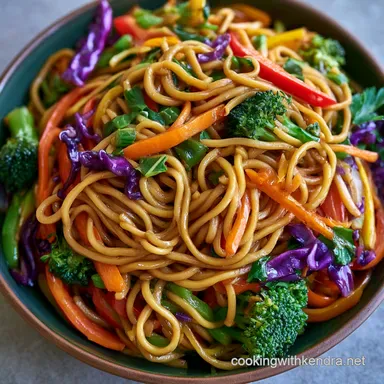
Vegetable Lo Mein Stir Fry: Better Than Takeout
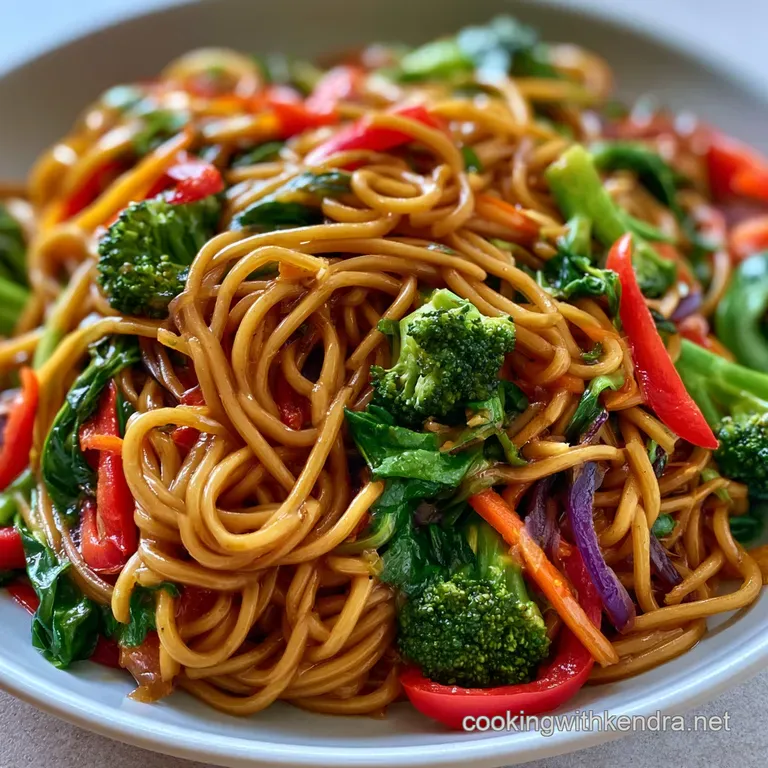
- Time: 5 min active + 15 min cooking = Total 20 mins
- Flavor/Texture Hook: Silky, glossy noodles with a vibrant, crisp vegetable crunch
- Perfect for: Fast weeknight dinners or a meatless Monday treat
- Vegetable Lo Mein Stir Fry
- Why the Texture Works
- Quick Specs
- The Essential Components
- The Building Blocks
- Gear You Need
- Step-by-Step Process
- Fixing Common Glitches
- Troubleshooting Common Issues
- Customizing Your Bowl
- Scaling Your Batch
- Truths About Stir Frying
- Storage and Waste
- Plating and Presentation
- Critical Sodium Level
- Recipe FAQs
- 📝 Recipe Card
Vegetable Lo Mein Stir Fry
That first hit of sizzling oil in a hot wok is honestly the best sound in the kitchen. I remember the first time I tried to make this, I treated it like a pasta dish, simmering the noodles in the sauce for way too long. The result was a gummy, overcooked mess that looked more like a porridge than a stir fry.
It was a disaster, but it taught me the most important lesson: stir frying is about speed, not simmering.
The real hero here is the shredded cabbage. Most people treat cabbage as a filler, but when it hits a shimmering pan, the edges char slightly, adding a smoky depth that you just can't get from broccoli or snap peas alone. It provides a structural contrast to the silky noodles, making the whole dish feel balanced.
You can expect a meal that hits all the right notes - salty, sweet, and a bit of zing from the ginger. We're going for that specific takeout texture where the sauce isn't a soup, but a velvety glaze that hugs every single strand of noodle. Let's get into it.
Why the Texture Works
- The Starch Bind: Cornstarch granules swell and trap water when heated, which turns a thin liquid into a glossy glaze that sticks to the noodles.
- over High heat Evaporation: Using a very hot pan evaporates surface moisture from the vegetables instantly, which prevents them from steaming and becoming mushy.
- Noodle Timing: Adding pre cooked noodles at the very end ensures they absorb the flavor without absorbing so much liquid that they lose their bite.
- Oil Shimmer: Heating neutral oil until it shimmers creates a barrier that allows vegetables to sear rather than soak up grease, as noted in various wok cooking techniques.
| Feature | Stovetop (Wok) | Oven (Sheet Pan) |
|---|---|---|
| Texture | Sizzling and Crisp | Roasted and Softer |
| Time | 15 minutes | 25 minutes |
| Effort | Constant Tossing | Set and Forget |
This recipe is built for the stovetop because that high intensity heat is what creates the characteristic "breath of the wok." If you're in a rush and prefer a hands off approach, the oven works, but you lose that specific sear.
Quick Specs
To get this right, you need to hit these specific numeric checkpoints. If you're off by a few minutes, the texture shifts.
- Oil Temperature: The oil must be shimmering (nearly smoking) before the first vegetable hits the pan.
- Veggie Sear: Carrots and peppers should only be in the heat for 2-3 minutes.
- The Final Gloss: Toss the noodles and sauce for exactly 2-3 minutes until the liquid thickens and looks like a mirror.
The Essential Components
I've spent a lot of time testing different mixes, and this combination of soy, sesame, and mirin is the gold standard. If you're looking for a different base, my Lo Mein Sauce Recipe offers a few more variations.
| Ingredient | Science Role | Pro Secret |
|---|---|---|
| Cornstarch | Thickening agent | Dissolve fully in cold sauce first to avoid lumps |
| Mirin | Acid/Sweet balance | Adds a subtle sheen to the final glaze |
| Sesame Oil | Aromatic fat | Add at the start for depth, but don't overheat |
| Shredded Cabbage | Bulk and texture | Cut into uniform strips for even charring |
The Building Blocks
For the sauce, you'll need: 120 ml soy sauce Why this? Provides the primary salty, umami base (Substitute: Tamari for gluten-free) 15 ml toasted sesame oil Why this? Adds a nutty, toasted aroma (Substitute: Peanut oil + drop of sesame extract) 15 g brown
Sugar Why this? Balances the salt with a deep sweetness (Substitute: Honey) 5 ml mirin Why this? Adds a bright, acidic lift (Substitute: Rice vinegar + pinch of sugar) 5 g cornstarch Why this? Creates the velvety texture
(Substitute: Arrowroot powder) 1 clove minced garlic Why this? Sharp, pungent aromatic (Substitute: 1/4 tsp garlic powder)
For the stir fry: 340 g lo mein noodles Why this? Thick, chewy texture holds sauce well (Substitute: Spaghetti or Linguine) 30 ml neutral oil Why this? High smoke point for searing (Substitute: Grapeseed or Canola oil) 2 cups shredded cabbage
Why this? Adds sweetness and crunch (Substitute: Bok choy) 1 cup julienned carrots Why this? Vibrant color and snap (Substitute: Parsnips) 1 red bell pepper, thinly sliced Why this? Sweetness and visual pop (Substitute:
Yellow pepper) 3 scallions, cut into 2 inch pieces Why this? Fresh, oniony finish (Substitute: Chives) 5 g freshly grated ginger Why this? Zesty, warming spice (Substitute: Ground ginger, but fresh is better)
| Original Ingredient | Substitute | Why It Works |
|---|---|---|
| Lo Mein Noodles | Spaghetti | Similar shape. Note: Soak in hot water with baking soda for "alkaline" texture |
| Soy Sauce | Coconut Aminos | Lower sodium. Note: Sweeter than soy, may need less brown sugar |
| Red Bell Pepper | Snap Peas | Adds a different crunch. Note: Add at the same time as carrots |
When choosing your vegetables, try to keep the cuts uniform. If the carrots are thick chunks and the cabbage is thin shreds, the cabbage will vanish before the carrots are even warm.
Gear You Need
You don't need a professional kitchen, but a few tools make this way easier. A carbon steel wok is the gold standard for heat distribution, but a large cast iron skillet works just as well because it holds heat.
I also recommend using a wide spatula or tongs. You'll be tossing these noodles quickly over high heat, and you need something that can move a lot of food at once without breaking the noodles.
Chef's Tip: To keep your noodles from sticking together after boiling, toss them in a teaspoon of neutral oil and spread them out on a baking sheet to cool for a few minutes before adding them to the wok.
Step-by-step Process
Phase 1: The Sauce Prep
- Whisk the soy sauce, sesame oil, brown sugar, mirin, cornstarch, and minced garlic in a small bowl. Note: Whisk until the cornstarch is completely dissolved so you don't get white clumps in your noodles.
Phase 2: The over High heat Sauté
- Heat the neutral oil in a wok or heavy skillet over medium high heat until it is shimmering and almost smoking.
- Add the carrots and bell peppers. Stir fry for 2-3 minutes until they are bright in color but still have a distinct snap.
- Toss in the cabbage and ginger. Sauté for another 2 minutes until the cabbage just starts to wilt and smell sweet.
Phase 3: The Final Toss
- Add the cooked, drained noodles to the pan.
- Pour the whisked sauce over the noodle and vegetable mixture.
- Toss continuously for 2-3 minutes over high heat until the sauce thickens into a glossy, velvety glaze that coats everything.
- Stir in the scallions during the last 30 seconds of cooking so they stay bright green and fresh.
Fixing Common Glitches
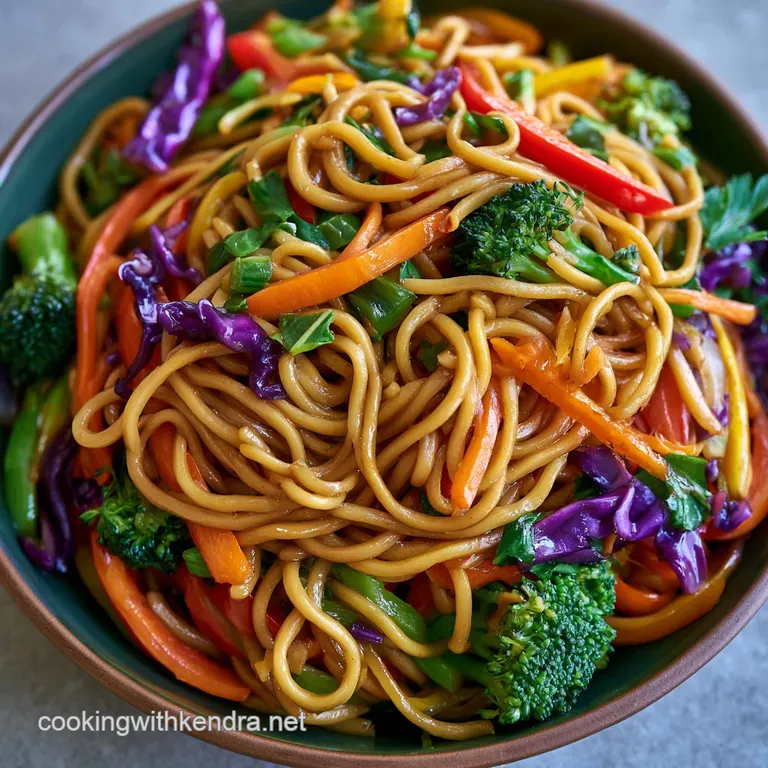
Stir frying is fast, which means things can go wrong quickly. Usually, it comes down to moisture or heat management.
Troubleshooting Common Issues
| Issue | Solution |
|---|---|
| Why Your Noodles Are Gummy | If your noodles feel like a single mass of dough, you likely overcooked them during the boiling phase or didn't drain them well enough. The extra water prevents the sauce from adhering and turns the s |
| Why Your Vegetables Are Mushy | This happens when the pan isn't hot enough or the pan is too crowded. When you add too many cold vegetables at once, the temperature drops, and the vegetables begin to steam in their own juices rather |
| Why the Sauce Is Watery | A watery sauce usually means the cornstarch didn't activate. This happens if the heat wasn't high enough during the final toss or if the sauce wasn't whisked properly. |
Common Mistakes Checklist
- ✓ Avoid adding all the vegetables at once; stagger them by hardness.
- ✓ Never stir the sauce too slowly; keep the noodles moving to avoid hot spots.
- ✓ Don't skip the mirin; the acidity is what cuts through the salty soy.
- ✓ Make sure noodles are drained completely before they hit the pan.
- ✓ Use a high smoke point oil; butter or extra virgin olive oil will burn.
Customizing Your Bowl
Once you've got the base down, you can really play with this. If you want more protein, you can add shrimp or tofu. I often make a batch of Chicken Lo Mein when I have guests, but for a veggie forward version, there are plenty of options.
Decision Shortcut: If you want more heat → Add 1 tsp of Sriracha or chili garlic sauce to the sauce mix. If you want more crunch → Toss in 1/2 cup of sliced water chestnuts or bamboo shoots with the carrots.
If you want a deeper color → Replace 1 tbsp of light soy sauce with dark soy sauce.
For the Savory Sauce
You can make the sauce more "restaurant style" by adding a pinch of white pepper. It provides a floral, sharp heat that differs from black pepper and is very common in authentic Chinese cooking.
For the Stir Fry
Experiment with the greens. While cabbage is my go to, baby bok choy or sliced snap peas add a wonderful freshness. Just remember to add the softer greens later in the process.
| Modification | Ingredient | Impact |
|---|---|---|
| Spicy | Red Pepper Flakes | Adds a lingering, sharp heat |
| Nutty | Toasted Cashews | Adds buttery crunch and richness |
| Earthy | Shiitake Mushrooms | Adds a meaty, umami depth |
When adding mushrooms, sauté them first until they release their moisture and brown, then remove them and add them back in with the noodles. This prevents them from making the rest of the dish soggy.
Scaling Your Batch
Adjusting this recipe for a crowd or a single serving requires a few tweaks to ensure the heat stays high.
Scaling Down (Single Serving) Use a smaller skillet to keep the heat concentrated. Reduce the cooking time for the vegetables by about 20% since there's less mass to heat up. If you're using eggs for extra protein, beat one egg and use only half.
Scaling Up (Family Size 2x-4x) Do not simply quadruple the ingredients in one pan. If you crowd the wok, the temperature will plummet and you'll end up steaming the vegetables. Work in batches: sear the vegetables, remove them, then toss the noodles in batches.
For liquids and spices, don't scale them linearly. Increase the salt and spices to 1.5x first, taste, and then add more. Liquids generally only need to increase by about 80-90% to achieve the same coating effect on a larger volume of noodles.
Truths About Stir Frying
There are a few common beliefs about this style of cooking that just aren't true.
Myth: You need a professional wok burner to get the right taste. While a 100,000 BTU burner is great, a seasoned cast iron pan on a standard home stove can get plenty hot. The key is preheating the pan for several minutes before adding the oil.
Myth: Searing vegetables "locks in" the nutrients. Searing is about flavor and texture, not nutrition. In fact, very high heat can degrade some vitamins, but the short cooking time used in a Vegetable Lo Mein Stir Fry minimizes this loss compared to long boiling.
Myth: You must use authentic lo mein noodles for the dish to work. While they are ideal, any long, wheat based noodle works. The "secret" is actually in the sauce and the over high heat technique, not just the noodle brand.
Storage and Waste
Storage Guidelines Store leftovers in an airtight container in the fridge for up to 3 days. The noodles will soak up some of the sauce as they sit, so they may look a bit drier when you pull them out.
Reheating Tips Avoid the microwave if you can. Instead, toss the noodles back into a hot pan with a splash of water or a teaspoon of oil. This helps loosen the starch and restores that glossy finish.
- Cabbage Cores
- Don't toss the hard center of the cabbage. Slice it very thinly and pickle it in rice vinegar and sugar for a bright side garnish.
- Carrot Peels
- Save your carrot and ginger peels in a freezer bag. Once you have a handful, simmer them with water and a bay leaf for a quick, aromatic vegetable stock.
- Scallion Ends
- Freeze the white ends of the scallions. Toss them into your next soup or sauce base for an immediate hit of aromatic flavor.
Plating and Presentation
Because this is a vibrant dish, the way you present it can make a huge difference. I love using the "plating levels" approach depending on who I'm serving.
Simple Level Just toss it into a deep ceramic bowl. Add a sprinkle of toasted sesame seeds on top and serve with a pair of chopsticks resting across the rim. It's honest, comforting, and looks like home.
Polished Level Use a wider, shallower bowl. Instead of a random heap, use tongs to twirl the noodles into a neat mound in the center. Arrange the brightest vegetables (the red peppers and carrots) on top so they are visible, and finish with a few curls of scallion.
Restaurant Level Aim for height. Use a carving fork to pull the noodles upward into a tall, tapered spire. Garnish with micro greens or a single sprig of cilantro. Drizzle a tiny bit of extra sesame oil around the base of the noodles for a professional, aromatic sheen.
| Level | Visual Focus | Key Tweak |
|---|---|---|
| Simple | Comfort | Deep bowl, haphazard toss |
| Polished | Color | Low bowl, arranged veggies |
| Restaurant | Height | Twisted noodle mound, micro greens |
When you're plating, remember that the contrast between the deep brown of the sauce and the bright red of the pepper is what makes this dish stunning. Don't over mix the scallions in; keep some for the top to maintain that pop of green.
Critical Sodium Level
2680 mg 2680 mg of sodium per serving (117% 117% of daily value)
The American Heart Association recommends a daily limit of 2,300mg, with an ideal limit of 1,500mg for most adults to reduce the risk of cardiovascular disease.
Tips to Reduce Sodium
-
Swap Soy Sauce-30%
Replace regular soy sauce with low-sodium soy sauce or coconut aminos to significantly cut the primary source of salt.
-
Add Citrus or Vinegar-20%
Reduce the amount of soy sauce and add rice vinegar or fresh lime juice to provide a bright, tangy flavor that mimics saltiness.
-
Select Low-Sodium Noodles-10%
Opt for low-sodium lo mein noodles or fresh rice noodles to minimize the processed sodium found in dried pasta.
-
Amplify Fresh Aromatics
Increase the amount of freshly grated ginger and minced garlic to enhance the savory profile without adding extra sodium.
Recipe FAQs
What sauce is used in vegetable lo mein?
A combination of soy sauce, toasted sesame oil, brown sugar, mirin, cornstarch, and minced garlic. This blend provides the signature balance of salty and sweet flavors with a glossy finish.
Is stir fry good for heart patients?
No, the sodium content is generally too high. The soy sauce used in this recipe contains significant salt, which may not be suitable for those on a heart healthy or low-sodium diet.
Do you boil lo mein noodles before adding to stir fry?
Yes, boil and drain them first. Adding raw noodles to the pan can result in a gummy texture and prevents the sauce from adhering properly.
How to make vegetable lo mein at home?
Whisk the sauce ingredients, then stir fry the carrots and bell peppers. Add the cabbage and ginger, then toss in the cooked noodles and sauce over high heat. If you enjoyed mastering the glossy finish here, see how the same thickening technique works in our quick tortellini sauce.
What are the differences between lo mein and chow mein?
Lo mein noodles are tossed and soft, while chow mein are pan-fried until crisp. This recipe focuses on the lo mein style for a saucier, tender result.
How to spice up bland lo mein noodles?
Increase the amount of freshly grated ginger and minced garlic. These aromatics add natural depth and warmth without altering the core sauce balance.
How to prevent vegetables from becoming mushy?
Heat the neutral oil until it is shimmering. Ensure you do not overcrowd the pan, which prevents the vegetables from steaming in their own juices.
Vegetable Lo Mein Stir Fry