Classic Quiche Lorraine Recipe: Buttery Crust
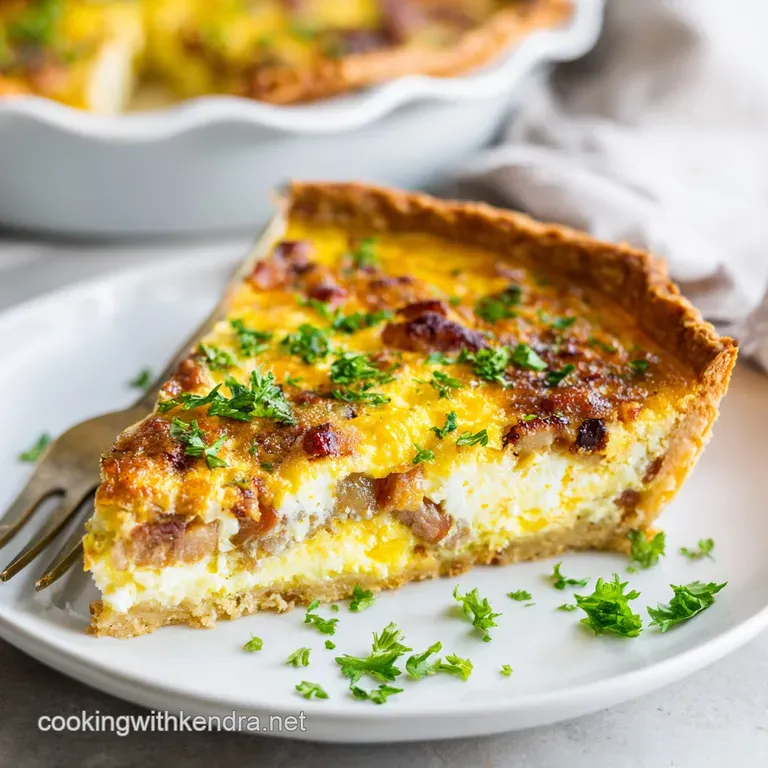
- Time: Active 40 minutes, Passive 50 minutes, Total 1 hours 30 mins
- Flavor/Texture Hook: Smoked bacon crunch meets velvety nutmeg spiced custard
- Perfect for: Weekend brunch, elegant meal prep, or a cozy Sunday lunch
- Mastering the Ultimate Quiche Lorraine Recipe
- The Physics of Flavor Layers
- Essential Pantry Elements for Success
- Necessary Tools for Even Baking
- Crafting Layers of Savory Comfort
- Preventing Common Pastry Baking Errors
- Scaling This Savory Classic
- Flavor Swaps for Every Season
- Debunking Savory Baking Myths
- Maintaining Freshness and Reheating Tips
- Side Dishes for Perfect Brunches
- Recipe FAQs
- 📝 Recipe Card
Mastering the Ultimate Quiche Lorraine Recipe
The kitchen currently smells like a Parisian bistro at 7:00 AM, and honestly, I am not mad about it. There is something about the aroma of thick cut bacon rendering in a pan alongside a hint of freshly grated nutmeg that just feels like a warm hug.
I remember the first time I tried making a quiche lorraine recipe for a big family brunch. It was a disaster, a literal soup inside a pale, doughy shell because I skipped the blind bake and used too much milk. I was devastated, but that soggy bottom taught me more about pastry than any textbook ever could.
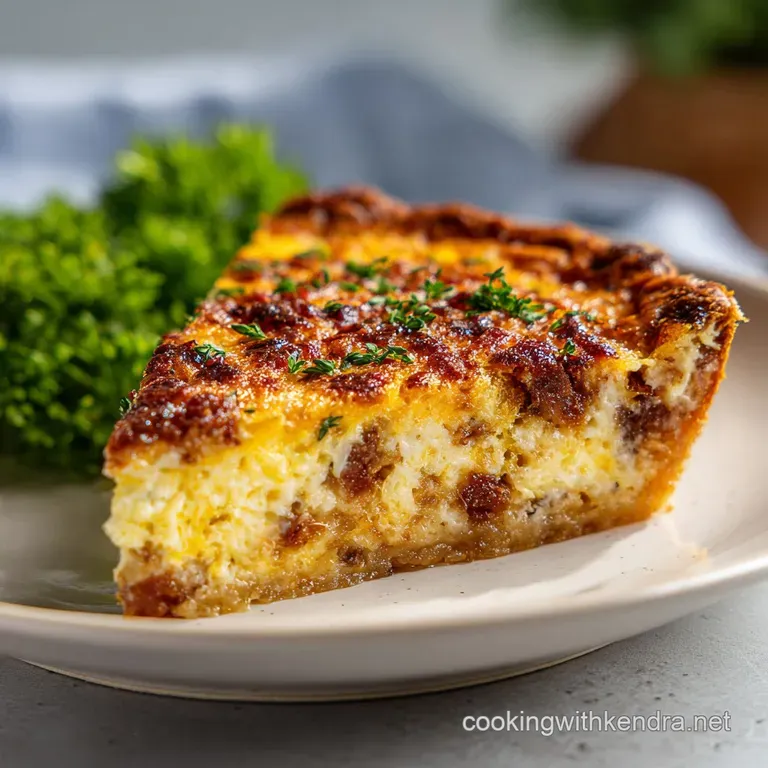
We've all been there, staring at a weeping custard or a shrunken crust, but I've finally cracked the code to that elusive, bakery style texture. This version is all about the layers: the crunch of the smoked bacon, the bite of the Gruyère, and a custard that stays firm yet wobbly.
It's sophisticated enough for a fancy shower but humble enough to eat cold over the sink on a Monday morning. Trust me, once you see that golden, puffed top emerging from the oven, you'll never go back to those frozen, store-bought versions again.
The Physics of Flavor Layers
Understanding how these ingredients interact is the difference between a mediocre tart and the best quiche lorraine recipe you've ever tasted.
- Fat Suspension: Cold butter cubes in the dough create steam pockets during baking, which is what gives you those visible, shattering flakes.
- Protein Denaturation: Adding an extra egg yolk to the filling ensures a stable, velvety set that doesn't "weep" liquid after slicing.
- Acid Interaction: Using Greek yogurt instead of heavy cream provides a subtle tang that cuts through the richness of the bacon and cheese.
- The Maillard Reaction: Rendering the bacon completely before adding it to the custard develops deep, savory notes that raw ham simply can't match.
| Method | Prep Time | Crust Texture | Best For |
|---|---|---|---|
| Hand Rubbed | 15 minutes | Large, irregular flakes | Traditionalists wanting maximum crunch |
| Food Processor | 5 minutes | Uniform, sandy, very tender | Busy mornings and consistent results |
| store-bought | 0 minutes | Soft, often lacks buttery flavor | Absolute emergencies only |
Choosing the right technique depends on your mood, but for this classic quiche lorraine recipe, I always advocate for the hand rubbed method. It keeps the butter in larger chunks, which is the secret to that "shatter" when your fork hits the plate. If you are looking to round out a full brunch spread, this pairs beautifully with my French Toast recipe for a sweet and savory balance.
Essential Pantry Elements for Success
| Ingredient | Science Role | Pro Secret |
|---|---|---|
| Unsalted Butter | Creates flaky layers through steam | Freeze for 10 mins before cubing to prevent melting |
| Gruyère Cheese | Provides melt and nutty saltiness | Grate it yourself; pre shredded cheese has starchy coatings |
| Greek Yogurt | Stabilizes the custard without heavy fat | Use full fat for the most velvety mouthfeel |
| Nutmeg | Bridges the gap between savory and sweet | Always grate whole nutmeg for the punchiest aroma |
To make this easy quiche lorraine recipe accessible, you can swap things around, but keep the ratios steady to ensure it sets properly.
- 250g all purpose flour: The structure of our crust. (Substitute: Pastry flour for a more delicate crumb). Why this? AP flour has enough protein to hold the heavy custard weight.
- 150g unsalted butter: Cubed and ice cold. (Substitute: high-quality lard for a more Southern style savory crust).
- 2 large egg yolks: One for the pastry, one for the filling richness. (Substitute: 1 whole egg, but it will be slightly less rich).
- 200g thick cut smoked bacon: Diced small. (Substitute: Prosciutto or pancetta for a different salt profile).
- 150g Gruyère cheese: Freshly grated. (Substitute: Sharp white cheddar or Swiss).
- 3 large eggs: The binder for the custard. (Substitute: 4 medium eggs).
- 200ml whole milk: For the liquid base. (Substitute: 2% milk if absolutely necessary, but don't use skim).
- 100g plain Greek yogurt: This creates a wonderful quiche lorraine without cream. (Substitute: Sour cream).
Necessary Tools for Even Baking
You don't need a professional kitchen, but a few specific items make this lorraine recipe much smoother. A 23cm loose bottom tart tin is non negotiable if you want to show off those beautiful fluted edges. You'll also need a rolling pin and some ceramic baking beans (or just dried rice) for the blind baking phase.
Chef's Tip: If you don't have a tart tin, a standard glass pie dish works, but you won't be able to remove the whole quiche for a "wow" presentation. Just slice it directly in the dish!
A heavy bottomed skillet is essential for rendering the bacon properly. You want something that holds heat so the bacon crisps up without burning in its own fat. A microplane is also your best friend here for that shallot and the nutmeg it keeps the textures seamless so you don't bite into a big chunk of onion.
Crafting Layers of Savory Comfort
Phase 1: The Shattering Shortcrust Pastry
- Combine 250g flour and 0.5 tsp salt in a bowl, then rub in 150g cold butter using your fingertips until it looks like coarse breadcrumbs with some pea sized chunks. Note: Those chunks are your flake makers.
- Mix in 1 egg yolk and 3 tbsp ice water, bringing it together quickly until a rough dough forms. Do not overwork it.
- Wrap the dough and chill for 30 minutes, then roll it out on a floured surface until it is 3mm thick.
- Line your tart tin, trim the edges, and prick the base with a fork. Chill for another 15 minutes to prevent shrinking.
- Line with parchment, fill with baking beans, and bake at 180°C for 15 minutes. Remove beans and bake for 5 more mins until the base looks dry and sandy.
Phase 2: Rendering and Custard Assembly
- Fry 200g diced bacon in a skillet over medium heat until golden and crispy. Drain on paper towels.
- In the same pan (fat drained), sauté 1 minced shallot for 2 minutes until translucent and fragrant.
- Whisk 3 eggs, 1 egg yolk, 200ml milk, 100g Greek yogurt, nutmeg, cayenne, and black pepper until completely smooth and pale.
- Scatter the cooked bacon, shallots, and 150g grated Gruyère into the pre baked crust.
- Pour the custard over the fillings and bake at 180°C for 25-30 minutes until the center has a slight wobble and the top is golden.
Preventing Common Pastry Baking Errors
Fixing a Weeping Custard
If you find liquid pooling at the bottom of your plate, the eggs likely curdled from overcooking. The proteins tighten and squeeze out moisture. Always pull the quiche out when the center still has a "jiggle" carryover heat will finish the job.
Avoiding Shrunken Pastry Edges
This usually happens because the gluten was overworked or the dough didn't rest enough. When you roll the dough, try not to stretch it into the tin; instead, lift and drop it into the corners. Resting in the fridge before the blind bake is your insurance policy.
Stopping the Soggy Bottom
A soggy base is the enemy of any quiche lorraine recipe. The fix is two fold: blind bake until the pastry is actually cooked, and brush the hot crust with a little leftover egg white. This creates a waterproof seal before you pour in the liquid.
| Problem | Root Cause | Solution |
|---|---|---|
| Crust is tough | Overworking the dough | Mix only until it holds; keep ingredients cold |
| Filling is grainy | Oven temperature too high | Bake at 180°C and check 5 mins early |
| Bacon is soggy | Not rendered enough | Fry until very crisp before adding to custard |
- ✓ Pat the diced bacon dry before frying for maximum crispness.
- ✓ Let the pastry dough rest in the fridge for at least 30 minutes (don't rush this!).
- ✓ Use "pie weights" or dried beans all the way to the top edge during the blind bake.
- ✓ Grate your own cheese to avoid the anti clumping agents found in bags.
- ✓ Allow the quiche to rest for at least 15 minutes after baking to let the custard set.
Scaling This Savory Classic
If you're cooking for a crowd or just yourself, adjusting this quiche lorraine recipe is straightforward. For a smaller 15cm tin (halving the recipe), use 1 large egg and 1 yolk for the filling and reduce the bake time by about 8 minutes.
The crust is harder to half perfectly, so I suggest making the full batch of dough and freezing the other half for later.
When doubling for a large party, don't just double the spices. Use 1.5x the nutmeg and cayenne to avoid overpowering the delicate egg flavor. You'll need to work in batches for the bacon to ensure it crisps rather than steams in a crowded pan. If you're looking for other savory options to serve alongside, this pairs well with a batch of my Hoppin John Recipe for a full Southern inspired spread.
| Premium Ingredient | Budget Alternative | Flavor Impact | Savings |
|---|---|---|---|
| Gruyère | Sharp White Cheddar | More aggressive, less nutty | Save $4-6 |
| Thick cut Smoked Bacon | Slab Bacon/Bacon Ends | More irregular pieces, same flavor | Save $3-5 |
| Fresh Nutmeg | Pre ground Nutmeg | Less aromatic/floral | Save $2 |
Flavor Swaps for Every Season
While the classic version is iconic, you can easily pivot. For an easy quiche lorraine recipe twist, try adding caramelized onions instead of shallots for a deeper sweetness. If you want a crustless quiche lorraine recipe, simply grease a pie dish heavily with butter, skip the pastry steps, and bake the filling directly for 35-40 minutes.
It becomes more of a delicate frittata but still hits those savory notes.
Filling Without Using Heavy Cream
The combination of whole milk and Greek yogurt in this recipe is a deliberate choice. It provides a creamy texture without the heavy, گاهی cloying mouthfeel of heavy cream. It also adds a bright acidity that balances the smoky bacon beautifully.
Debunking Savory Baking Myths
One common myth is that you must use heavy cream for a "real" quiche. In reality, many traditional French households use whatever high fat dairy is on hand, including crème fraîche or thick yogurt.
The Greek yogurt in this recipe isn't just a "healthy" swap; it's a structural choice that prevents the custard from becoming too greasy.
Another misconception is that you should sauté the bacon and onions together. I always suggest doing them separately or adding the onions only after the bacon has released its fat.
Onions release moisture, and if you add them too early, they will steam the bacon, preventing it from reaching that shattering crispness we want in the final slice.
Maintaining Freshness and Reheating Tips
Storage: This quiche keeps beautifully in the fridge for up to 4 days. Wrap it tightly in foil or store slices in an airtight container. It actually tastes quite incredible cold, which makes it a top tier lunch option.
Freezing: You can freeze the whole baked quiche for up to 2 months. Thaw it overnight in the fridge before reheating. I don't recommend freezing the raw custard, as the texture can break once thawed.
Reheating: Avoid the microwave if you want to save the crust! Reheat slices in a 160°C oven for 10-12 minutes. This restores the crispness of the pastry while gently warming the center.
Zero Waste: Don't throw away those pastry scraps! Roll them out, sprinkle with cinnamon sugar or leftover Gruyère, and bake them alongside the quiche for "chef's snacks." Also, any leftover egg whites from the pastry can be tossed into your next morning scramble or used to clarify a Homemade Ramen with recipe broth.
Side Dishes for Perfect Brunches
Serving this quiche is all about balance. Since it's quite rich and buttery, a bright, acidic side is your best friend. A simple arugula salad with a lemon vinaigrette or some roasted asparagus with a squeeze of orange works wonders.
If you're going for a full tilt brunch, a side of fresh fruit think berries or sliced melon cleanses the palate between savory bites.
Right then, you're all set! Just remember to keep that butter cold and give the dough the rest it deserves. There's nothing like pulling a perfectly set quiche from the oven and hearing that first "crunch" as you slice into it. Let's crack on and get baking!

Recipe FAQs
What is the secret to a good quiche?
Blind bake the crust completely and use a mixture of milk and yogurt/cream. Blind baking prevents the dreaded soggy bottom by ensuring the pastry cooks before the liquid filling is added. Also, remove the quiche when the center still has a slight wobble, as carryover heat finishes the set.
Which cheese is best for Quiche Lorraine?
Gruyère is the superior choice for flavor and melt. Its nutty, slightly sweet profile stands up well to the bacon and custard base. You can substitute it with sharp white cheddar if necessary, though you will lose some of that classic French nuance.
What are Quiche Lorraine ingredients?
The core ingredients are pastry, smoked bacon, eggs, milk, Gruyère cheese, salt, and nutmeg. Modern interpretations often swap heavy cream for Greek yogurt or sour cream to lighten the texture. If you are looking for a highly savory pairing for brunch, see how we balance flavor in our Cocktail Sauce Recipe.
What is the difference between a quiche and a Quiche Lorraine?
Quiche Lorraine is a specific type of quiche defined by its traditional filling. A standard quiche is simply an open faced savory tart with a pastry crust and an egg custard filling, which can contain almost any vegetable or meat.
Lorraine specifically calls for bacon or lardons, and traditionally, no cheese, though modern recipes always include Gruyère.
How to prevent the custard from weeping or becoming grainy?
Bake at a moderate 180°C and pull the quiche when the center still jiggles slightly. Overbaking causes the egg proteins to contract and push out moisture, resulting in a grainy or weeping texture. If you mastered controlling the egg set here, you will find the same temperature precision works perfectly when thickening a savory sauce, much like in our Beef Gravy Recipe.
How to ensure the bacon is crispy, not soggy?
Render the diced bacon in a skillet over medium heat until deeply golden and crisp before adding it to the filling. Ensure you drain off all excess fat onto paper towels before scattering it over the cheese in the tart shell.
This renders the fat fully and crisps the meat, preventing steam from being trapped in the custard.
Can I make the crust ahead of time?
Yes, you can blind bake the pastry shell completely up to 24 hours in advance. After blind baking, let it cool fully, then cover the shell tightly with plastic wrap and refrigerate. This saves significant active time on the day you plan to serve it.
Classic Quiche Lorraine Recipe
Ingredients:
Instructions:
Nutrition Facts:
| Calories | 448 kcal |
|---|---|
| Protein | 17.1 g |
| Fat | 30.6 g |
| Carbs | 26.3 g |
| Fiber | 1.2 g |
| Sugar | 2.1 g |
| Sodium | 615 mg |
