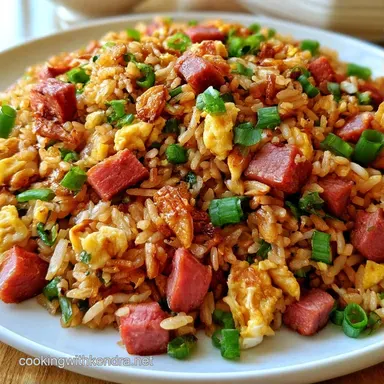
Filipino Garlic Fried Rice (Sinangag)

- Time: 10 min active + 10 min cooking
- Flavor & Texture: Nutty, garlicky, and slightly crispy
- Perfect for: A fast weekday breakfast or a side for grilled meats
Everything begins with the sizzle of minced garlic in hot oil. That sharp, bold aroma immediately fills the room, ensuring the rice achieves its authentic flavor.
This recipe is an easy victory for any cook. All you need is a hot skillet and a bit of patience while browning the garlic. It's the perfect solution for utilizing those leftover cups of cold rice in your refrigerator.
The aim is to coat every single grain in garlic-infused oil while keeping them distinct and firm. Done correctly, you'll have golden, fluffy rice studded with savory pieces of egg and meat.
What Makes the Texture Work
- Chilled Rice: Cold grains are drier, so they sear in the pan instead of steaming and sticking.
- Low-Heat Garlic: Sautéing slowly infuses the oil with flavor without burning the garlic and making it bitter.
| Rice Type | Texture Result | Best For | Note |
|---|---|---|---|
| Jasmine | Soft and fragrant | Standard breakfast | Very common, slightly stickier |
| Long Grain | Firmer and separate | High-heat frying | Best for a distinct "grainy" feel |
The Building Blocks
To make an authentic Filipino Garlic Fried Rice, the freshness of your garlic and the chill of your rice are key. Opt for a cooking oil that can withstand heat without burning, such as vegetable or canola oil.
Diced beef luncheon meat provides a salty, savory contrast to the fragrant garlic. For a lighter alternative, you can substitute this with extra eggs or cubed tofu. This mix of ingredients is what makes the dish a true filipino fried rice.
The Ingredients
- 1/2 cup (60g) garlic, minced Why this? Provides the aromatic foundation
- 3 tbsp (45ml) neutral oil Why this? Can withstand higher heat
- 4 cups (600g) day-old cooked white rice, chilled Why this? Ensures the grains stay separate
- 1 tsp (6g) salt Why this? For essential seasoning
- 1/2 tsp (1g) ground black pepper Why this? Adds a hint of spice
- 2 large eggs, beaten Why this? Adds richness and a golden hue
- 4 oz (113g) beef luncheon meat, diced small Why this? Adds a savory protein element
Recipe Specs
The timing here is tight. You spend about 10 minutes prepping your garlic and dicing the meat, and another 10 minutes at the stove.
Because we use pre-cooked rice, the active heat time is minimal. Just make sure your pan is large enough so the rice can spread out and crisp up.
The Cooking Process
1. The Garlic Infusion
Warm the neutral oil in a wok or large non-stick pan over medium-low heat. Stir in the minced garlic and sauté slowly, stirring often until it turns a light golden brown. Note: Keep the heat low so the garlic doesn't burn and become bitter.

2. Searing the Proteins
Bump the heat up to medium. Add the diced beef luncheon meat, frying until the edges are rich brown and the meat reaches 160°F (71°C). Push the meat to the side of the pan and pour in the beaten eggs. Scramble them quickly until just set, then stir them into the garlic and meat.

3. Frying the Rice
Add the chilled white rice to the pan and use a spatula to break up any clumps. Stir-fry for 5–7 minutes until every grain is coated in the garlic oil, then season with the salt and ground black pepper.
Let the rice sit undisturbed for 1 minute intervals to develop a crispy exterior, tossing occasionally, before removing from the heat.

Common Problems and Fixes
Texture is typically the biggest challenge. Clumping usually happens if the rice is too damp or the pan temperature is too low.
Garlic flavor can also be tricky. Rushing the process often leads to a bitter profile that dominates the meal. Keep the heat at medium-low and stir constantly.
Solving Clumping Issues
Wet or sticky rice is usually the result of using fresh grains. Opt for rice that has chilled in the refrigerator overnight.
Avoiding Bitter Garlic
Garlic burns rapidly. Once it reaches a dark brown color, it's ruined, and you will have to begin again.
| Problem | Fix |
|---|---|
| Rice is clumpy | Use chilled, day-old rice and raise the heat |
| Garlic tastes bitter | Stir often on medium-low heat |
| Rice is bland | Incorporate extra salt or some soy sauce |
| Original Ingredient | Substitute | Why It Works |
|---|---|---|
| Beef Luncheon Meat | Beef Hot Dogs | Comparable salt levels. Note: Texture varies slightly |
| Neutral Oil | Ghee | Provides a deeper, buttery garlic aroma |
| White Rice | Brown Rice | More nutty flavor. Note: Needs more time in the pan |
Common Beliefs

Some people think that searing meat "seals in the juices." It doesn't. The meat loses moisture regardless of the heat, but the searing creates a brown crust that adds a massive amount of flavor.
Keeping It Fresh
Keep leftovers in a sealed container in the refrigerator for 72 hours.
To reheat, skip the microwave if possible. Instead, toss the rice in a skillet with a teaspoon of oil over medium heat until it is steaming hot throughout and reaches 165°F (74°C) in the center, to revive those crispy edges.
Variations & Substitutions
You can easily change the proteins to fit what's in your fridge. A filipino fried rice with Egg is the standard, but adding beef hot dogs makes it a heartier filipino fried rice Breakfast.
For a garden style version, toss in some diced carrots and frozen peas during the last 3 minutes of frying. If you want more heat, a spoonful of chili garlic sauce stirred in at the end works great.
Perfect Complements
To give the plate a vibrant look, prioritize color contrast. Since the rice is golden, use toppings that pop.
Scatter sliced green onions for a fresh touch, thin red chili rounds for heat and color, and a few cucumber slices on the side. These additions transform a simple bowl of rice into a stunning meal.
If serving this as a main course, pair it with grilled beef skewers or fresh tomatoes. For an Asian Fusion style, try drizzling some Lo Mein Sauce over your accompanying proteins.
High Sodium Content
875 mg of sodium per serving (38% of daily value)
To promote heart health, guidelines suggest that most adults limit their total daily sodium intake to 2,300 mg.
Tips to Reduce Sodium
-
Replace Processed Meat
-
Skip Extra Salt
Cut back on or entirely omit the 1 tsp of salt, as the processed meat is already quite salty.
-
Wash Processed Meats
If you prefer luncheon meat, rinse the diced pieces under cold water before frying to remove surface sodium.
-
Use Acidic Flavors
Add a splash of rice vinegar or squeeze fresh lemon juice at the end to brighten the flavors without adding salt.
-
Enhance Aromatics
Add more fresh garlic or incorporate smoked paprika and onion powder for a richer taste profile.
Good to Know
What is Filipino fried rice?
It is a savory garlic-forward rice dish typically served during breakfast.
Tip: Use chilled, day-old rice to prevent the grains from clumping.
How to make fried rice simple Filipino style?
Sauté minced garlic in oil, brown the beef luncheon meat, scramble in eggs, then stir-fry chilled rice until coated.
Tip: Let the rice sit undisturbed for one minute to create a crispy exterior.
How is this dish named in the Philippines?
This style of garlic fried rice is called sinangag.
Tip: Serve it alongside a protein like beef luncheon meat for a complete meal.
Can you add eggs to the rice?
Yes, beaten eggs are a standard addition that adds richness and color.
Tip: Scramble the eggs quickly until just set before mixing them with the rice.
Which ingredient is the secret to this fried rice?
Toasted minced garlic creates the distinct aromatic base of this recipe.
Tip: Sauté the garlic slowly over medium-low heat to avoid burning it.
Filipino Fried Rice in 20 Minutes