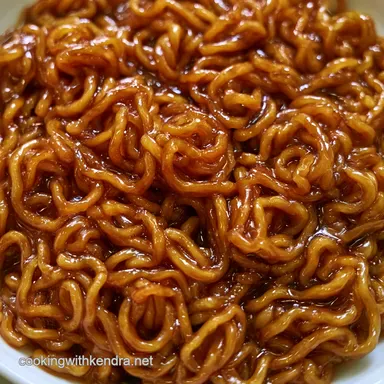
Soy Sauce Noodles: Simple and Savory
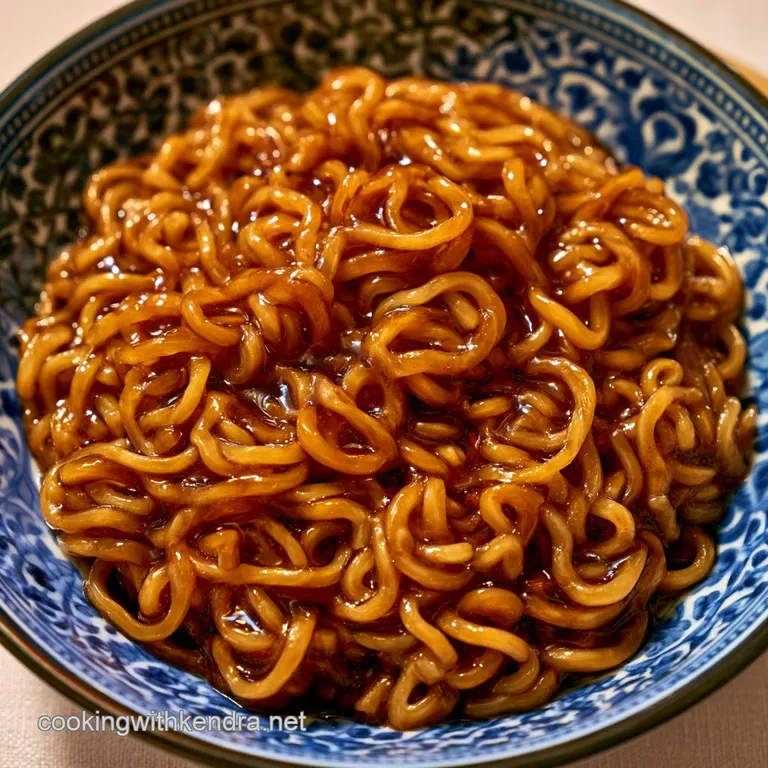
- Time: 5 min active + 10 min cooking = 15 minutes total
- Flavor/Texture Hook: Glossy mahogany glaze with a savory sweet punch
- Perfect for: Weeknight dinners, meal prep, or a quick craving fix
The smell of soy sauce hitting a scorching hot wok is a core memory for anyone who grew up around Chinese home cooking. It's that instant, aggressive sizzle that fills the whole house with a salty, toasted aroma.
For many, these noodles aren't just a meal, they're the ultimate comfort, representing a tradition of using a few pantry staples to create something deeply satisfying.
In most households, this dish is the "I'm tired but I want something real" meal. It's the kind of thing you whip up when you have ten minutes before the kids start complaining they're hungry, or when you've had a long day and just need some carbs and salt.
The beauty lies in the balance of the sauces, creating a flavor profile that feels grounded and nostalgic.
I'm sharing this version because it strips away the fluff but keeps the soul. You'll get that signature glossy look and a taste that's a bit salty, a bit sweet, and totally addictive.
We're making Soy Sauce Noodles that actually taste like they've been simmering for hours, even though we're only in the kitchen for a few minutes.
Why Soy Sauce Noodles Work
The magic here isn't in a long list of ingredients, but in how they react to heat. Most people just throw everything in a pan, but there's a reason we do things in a specific order.
- The Sugar Glaze: Brown sugar doesn't just add sweetness, it creates a syrupy coating that helps the soy sauce cling to the noodles instead of pooling at the bottom of the bowl.
- Cold Rinse Effect: Rinsing noodles in cold water stops the cooking process and washes away excess surface starch, which is why they stay individual and don't turn into a sticky clump.
- Aromatic Blooming: Sautéing garlic and ginger in oil "wakes up" the flavor compounds, making the base of the Soy Sauce Noodles taste vibrant rather than raw.
- Dual Soy Depth: Using both light and dark soy provides a spectrum of flavor, from the sharp saltiness of the light version to the earthy, caramel notes of the dark.
Between the salt and the sugar, it's a similar logic to how a silky homemade mac and cheese uses fat and salt to create a coating, though here we're using a reduction rather than a roux.
| Noodle Type | Prep Time | Texture | Best For |
|---|---|---|---|
| Dried Wheat | 10 mins | Chewy/Firm | Meal prep |
| Fresh Egg | 3 mins | Silky/Tender | Quick dinners |
| Rice Noodles | 5 mins | Soft/Springy | gluten-free |
The Building Blocks
To get the best result, you need to understand your components. We aren't just mixing things; we're building layers of flavor.
The Main Components
The foundation of these Soy Sauce Noodles is the wheat noodle. I prefer a medium thickness wheat noodle because it has enough surface area to hold the sauce. If the noodles are too thin, they can break under the heat of the wok; if they're too thick, the sauce stays on the outside and doesn't penetrate the core.
For the Simple Sauce for Asian Noodles
The sauce is a mixture of light soy for salt and dark soy for color. Dark soy sauce is thicker and less salty, almost like a syrup. If you've ever wondered why restaurant noodles have that deep brown, professional look, this is the secret.
The white pepper adds a hidden, floral heat that differs from the punch of black pepper or chili.
For Simple Soy Sauce Noodles Chicken
If you're adding protein, the cornstarch is non negotiable. This is a technique called "velveting." By coating the chicken in cornstarch, you create a thin barrier that prevents the meat from overcooking and drying out. It also gives the chicken a slightly velvety exterior that grabs onto the sauce.
The Stir Fry Base
The "holy trinity" here is garlic, ginger, and green onions. I always separate the green onion whites from the greens. The whites are hardy and can stand the high heat of the initial sauté, while the greens are delicate and are reserved for the very end to keep their bright color and fresh snap.
Equipment Needed
You don't need a professional kitchen, but a few tools make a huge difference in the final texture of your Soy Sauce Noodles.
A carbon steel wok is the gold standard because it distributes heat unevenly on purpose, allowing you to sear the chicken at the bottom while tossing the noodles. If you don't have one, a large non stick skillet works perfectly fine.
Just make sure it's big enough that you aren't crowding the pan, or the noodles will steam instead of sear.
Tongs are far superior to a spatula here. You need to be able to lift and twist the noodles to ensure every strand is coated in that mahogany glaze. A whisk is essential for the sauce to make sure the brown sugar is completely dissolved before it hits the pan, otherwise, you'll get random sweet spots in your dish.
Finally, a colander is a must for the cold rinse. Trust me on this, don't just drain them in the pot. You want to flush out that starch immediately so the noodles stay slippery and distinct.
Key Steps
Let's get into the action. This is a fast process, so have everything prepped and sitting in bowls next to your stove before you even turn on the heat.
- Whisk together the light soy sauce, dark soy sauce, brown sugar, sesame oil, and white pepper in a small bowl until the sugar is fully dissolved. Note: Dissolving the sugar now prevents grainy sauce.
- Boil noodles according to package directions until al dente. Drain in a colander and rinse under cold water until cool to the touch. Note: This stops the carryover cooking.
- Heat neutral oil in a wok or non stick skillet over medium high heat. If using chicken, toss slices in cornstarch, sear until golden brown, then remove and set aside.
- Add minced garlic, grated ginger, and the white parts of the green onions to the pan, sautéing until fragrant and garlic is pale gold.
- Return the cooked noodles and seared chicken to the pan.
- Pour the sauce over the top and toss rapidly with tongs for 2-3 minutes until the sauce reduces into a glossy mahogany glaze.
- Remove from heat immediately and garnish with toasted sesame seeds and the remaining green onion tops.
Chef's Note: If you're using a very hot wok, the sauce will reduce in seconds. Stay focused and keep the noodles moving so they don't burn.
How to Fix Common Problems
Even a fast recipe like Soy Sauce Noodles can go sideways if the heat is too high or the noodles are overcooked. Most issues come down to moisture control.
Troubleshooting Common Issues
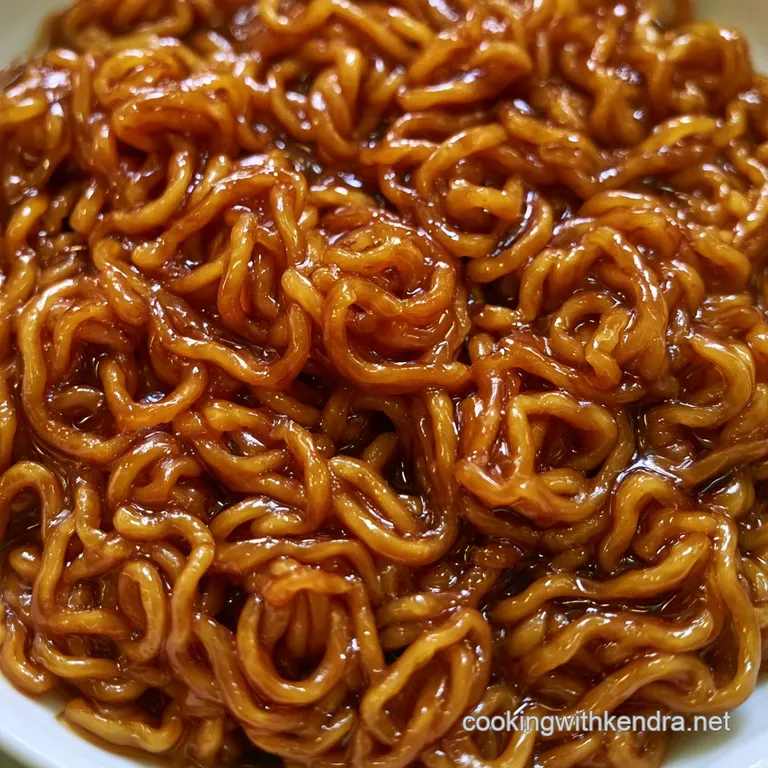
| Issue | Solution |
|---|---|
| Why Your Noodles Are Mushy | This usually happens because of over boiling or skipping the cold rinse. If the noodles stay hot after draining, they keep cooking in their own steam, which breaks down the starch and makes them limp. |
| Why the Sauce Is Too Salty | If you accidentally added too much light soy sauce, don't panic. The easiest fix is a pinch more brown sugar or a squeeze of lime juice. The acidity of the lime cuts through the salt and balances the |
| Why the Sauce Won't Stick | This is usually a result of too much water remaining on the noodles after rinsing. If the noodles are dripping wet, they dilute the sauce and prevent the sugars from caramelizing. Give them a good sha |
Common Mistakes Checklist
- ✓ Boiling noodles past the "al dente" stage.
- ✓ Adding garlic too early (it burns and turns bitter).
- ✓ Using only light soy sauce (you'll miss the rich color).
- ✓ Crowding the pan when searing the chicken.
- ✓ Skipping the toasted sesame seeds (they add crucial nuttiness).
Variations & Substitutions
The beauty of an Easy Soy Sauce Noodles Recipe is that it's a blank canvas. You can adapt this to whatever you have in your fridge without ruining the core vibe.
If you want to make these "Easy Lo Mein Recipes" style, add shredded carrots, sliced cabbage, and snap peas during step 4. Sauté the vegetables with the aromatics until they're tender crisp before adding the noodles back in. This adds a great crunch and makes the meal feel more complete.
For those looking for "Easy Noodle Recipes with Few Ingredients," you can skip the chicken entirely. The sauce is flavorful enough to stand on its own. If you want a bit of heat, a drizzle of Sriracha or a teaspoon of chili garlic sauce mixed into the sauce bowl works wonders.
| Original Ingredient | Substitute | Why It Works |
|---|---|---|
| Wheat Noodles | Rice Noodles | gluten-free option. Note: Soak rather than boil to avoid mushiness |
| Dark Soy Sauce | 1 tsp molasses + extra light soy | Mimics the color and sweetness. Note: Lacks the fermented depth |
| Brown Sugar | Honey or Maple Syrup | Similar sweetness. Note: Honey makes the sauce stickier |
| Chicken Breast | Tofu or Shrimp | High protein. Note: Tofu needs a heavier cornstarch coating |
If you're in the mood for something different, you might enjoy a Sauce in 10 Minutes recipe for a broader flavor profile, but for pure comfort, the Soy Sauce Noodles approach is unbeatable.
Adjusting the Portion Size
When you're cooking for a crowd or just yourself, you can't always just multiply everything by two. Heat and evaporation change based on the volume of food in the pan.
Scaling Down
If you're making a single serving, use a smaller skillet. Reduce the cooking time in the final toss by about 20% because the smaller mass of noodles will heat through and absorb the sauce much faster. If the recipe calls for an egg (in some variations), beat one egg in a cup and use only half.
Scaling Up
When doubling or tripling a batch of Soy Sauce Noodles, do not double the salt and spices linearly. Start with 1.5x the soy sauce and white pepper, then taste and adjust. Liquids reduce slower in large batches, so you might need to toss the noodles for an extra 2 minutes to get that same glossy glaze.
Most importantly, work in batches when searing the chicken; if you crowd the pan, the meat will steam in its own juices rather than browning.
Baking Adjustments
While this is a stovetop dish, some people like to finish them in the oven with cheese (a fusion twist). If doing so, lower your oven temp by 25°F and extend the time. This prevents the noodles from drying out while the cheese melts.
Common Kitchen Myths
There are a few misconceptions about Asian noodle dishes that often lead to subpar results. Let's clear those up.
One big myth is that you should never rinse your noodles. While this is true for Italian pasta (where you want the starch to help the sauce bond), it's the opposite for Soy Sauce Noodles. Rinsing is essential to stop the cooking and prevent a sticky mess.
Another common belief is that you need a commercial grade burner to get "wok hei." While high heat helps, you can achieve a similar result in a home kitchen by ensuring your pan is shimmering hot before adding the oil and working in smaller batches so the temperature doesn't drop.
Finally, some think that only "authentic" soy sauce brands work. While quality matters, the difference between a mid range and premium soy sauce is subtle. The technique how you reduce the sauce matters far more than the brand on the bottle.
Storage and Zero Waste
These noodles are great for meal prep, but they do change as they sit. Here is how to handle the leftovers.
Storage Guidelines
Store your Soy Sauce Noodles in an airtight container in the fridge for up to 3 days. Because the noodles absorb the sauce over time, you'll notice they look "drier" the next day. This is normal.
Reheating Process
To bring them back to life, avoid the microwave if possible. Instead, toss them in a hot skillet with a splash of water or a teaspoon of sesame oil. This re emulsifies the sauce and restores that glossy finish. If you must use a microwave, cover the dish with a damp paper towel to trap the steam.
Freezing Advice
I don't recommend freezing this dish. The starch in the wheat noodles tends to break down during the freezing and thawing process, leading to a mealy, grainy texture. It's better to freeze the seared chicken separately and cook the noodles fresh.
Zero Waste Tips
Don't throw away the green onion roots or the ends of your ginger. Store them in a freezer bag and use them to make a quick vegetable stock. Also, if you have leftover sauce in the bowl, drizzle it over a fried egg in the morning for an instant savory breakfast.
Presentation Tips
Since we're going for a modern look, how you plate these Soy Sauce Noodles matters. The contrast between the mahogany noodles and the bright green onions is what makes the dish pop.
Simple Home Style
Just scoop the noodles into a wide, shallow bowl. Pile them high in the center and sprinkle the sesame seeds and green onions over the top. It's casual and inviting, perfect for a Tuesday night.
Polished Dinner Party
Use a pair of long chopsticks to twirl the noodles into a tight cylinder before placing them in the center of the plate. This creates height. Arrange the sliced chicken neatly around the base and garnish with a few thin curls of scallion soaked in ice water to make them curl.
Restaurant Fusion
Place the noodles in a structured mound and use a squeeze bottle to add a few dots of sriracha or chili oil around the perimeter. Garnish with micro greens or toasted black sesame seeds for a striking visual contrast against the dark sauce.
| Level | Tool | Focus | Key Tweak |
|---|---|---|---|
| Simple | Bowl | Comfort | Generous garnish |
| Polished | Plate | Height | Twirled noodles |
| Restaurant | Platter | Contrast | Precision dots of sauce |
Right then, you've got everything you need to nail these Soy Sauce Noodles. It's a fast, bold dish that proves you don't need a long list of ingredients to make something that tastes professional. Trust me on the cold rinse and the dual soy trick, and you'll have a weeknight staple that never gets boring.
Let's crack on and get cooking!
Recipe FAQs
How do you make simple noodles with soy sauce?
Whisk together light soy sauce, dark soy sauce, brown sugar, sesame oil, and white pepper. Toss this mixture with boiled, rinsed wheat noodles in a hot pan until a glossy glaze forms.
Can you just add soy sauce to noodles?
Yes, but the flavor will be one-dimensional. Adding brown sugar and sesame oil balances the saltiness and creates a professional, mahogany colored sauce.
Can I make pasta with soy sauce?
Yes, though wheat noodles are preferred. Pasta works in a pinch, but if you prefer a traditional white sauce style texture, pasta is the better choice.
How to make plain lo mein at home?
Boil wheat noodles until al dente, drain, and rinse with cold water. Sauté minced garlic, ginger, and green onions in neutral oil before tossing the noodles with a soy-sugar sauce.
How to spice up bland lo mein noodles?
Increase the amount of grated ginger and minced garlic. Adding a bit more white pepper or an extra pinch of brown sugar also deepens the overall flavor profile.
What are the differences between lo mein and chow mein?
Lo mein noodles are tossed, while chow mein noodles are fried. Lo mein focuses on a soft texture coated in sauce, whereas chow mein is characterized by a crispier, seared finish.
How to prevent noodles from becoming mushy?
Rinse cooked noodles under cold water immediately after draining. This stops the cooking process and prevents residual steam from breaking down the starch into a limp texture.
Simple Soy Sauce Noodles