Velvety Garlic Butter Pasta
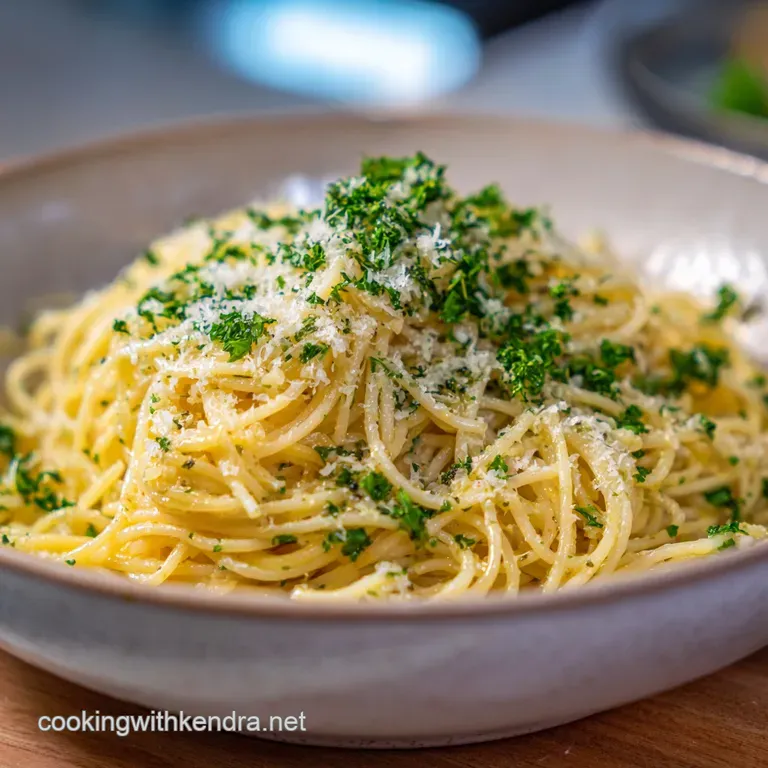
- Time: Active 5 minutes, Passive 10 minutes, Total 15 minutes
- Flavor/Texture Hook: Velvety, garlic forward, and punchy
- Perfect for: Hectic Tuesday nights or a quick solo lunch
- Why This Recipe Works
- Component Analysis for Superior Results
- Selecting Your Elements and Smart Substitutions
- Essential Tools for Busy Cooks
- Step by Step Guide to Pasta Perfection
- Fixing Common Garlic and Sauce Mistakes
- Scaling the Recipe for Crowds or Solitude
- Busting Common Garlic Pasta Myths
- Practical Storage and Zero Waste Strategies
- Recipe FAQs
- 📝 Recipe Card
Close your eyes and imagine that immediate, sharp sizzle the second a handful of sliced garlic hits a pool of shimmering olive oil and melting butter. That aroma is the universal signal for "dinner is going to be good." I remember the first time I tried making this for my family on a night when the fridge looked depressingly empty.
I had half a box of spaghetti and a few cloves of garlic that were starting to sprout, but within fifteen minutes, the kitchen smelled like a high end Italian bistro.
Honestly, I used to think you needed heavy cream to get that luxurious mouthfeel, but I was so wrong. The real secret the one that changed my cooking forever is that cloudy, salty water you usually pour down the drain.
It acts like a bridge, helping the fats and the pasta join forces in a way that feels indulgent without being heavy. Since that first desperate Tuesday night, this has become my absolute "save me" meal because it’s fast, reliable, and uses things I always have in the pantry.
Why This Recipe Works
To understand why such a simple dish feels so complex on the tongue, we have to look at the chemistry of the pan. It isn't just about melting butter; it's about building a stable structure that clings to the noodles.
- Fat Soluble Infusion: Allicin, the compound responsible for garlic's punch, is fat soluble. By heating the 8 cloves of garlic slowly in the butter and oil, we carry that flavor into every drop of the sauce.
- Starch Gelatinization: As the 1 lb (450g) of spaghetti boils, it releases amylose starch into the water. Adding this water back to the pan creates a natural thickener that prevents the butter from just pooling at the bottom of your bowl.
- Acidity Balance: The 0.5 lemon juice provides citric acid which cuts through the heavy lipids (fats), brightening the entire profile and preventing it from feeling "greasy."
- The Physics of the Emulsion: Vigorous tossing at the end creates a mechanical bond between the pasta water and the fats, resulting in a velvety coating rather than an oily mess.
Serving Size Calculator
| Servings | Ingredient Adjustments | Pan Size | Cook Time |
|---|---|---|---|
| 1 Person | 4 oz pasta, 2 tbsp butter | Small skillet | 10 minutes |
| 2 People | 8 oz pasta, 1/4 cup butter | Medium skillet | 12 minutes |
| 4 People | 1 lb pasta, 1/2 cup butter | Large 12 inch skillet | 15 minutes |
Choosing the right pan size is actually more important than people think. If the pan is too small, you can't toss the pasta vigorously enough to create that beautiful emulsion. When I’m cooking for the whole family, I always reach for my widest skillet to ensure every strand gets equal love from the garlic butter.
Component Analysis for Superior Results
| Ingredient | Science Role | Pro Secret |
|---|---|---|
| Unsalted Butter | Provides a creamy base and "fatty" mouthfeel | Use high-quality European butter for more milk solids and a richer yellow hue |
| Fresh Garlic | Primary aromatic and flavor driver | Slice it "paper thin" with a sharp knife to ensure it melts into the sauce without burning |
| Pasta Water | Emulsifying agent | Heavily salt your water so the starch itself carries flavor into the final sauce |
Chef's Tip: Freeze your block of Parmesan for about 10 minutes before grating. This makes it easier to get those fine, wispy shreds that melt instantly into the sauce without clumping.
Selecting Your Elements and Smart Substitutions
The beauty of this recipe lies in its simplicity, but that means every ingredient has to pull its weight. I always reach for a long, thin pasta like spaghetti or linguine because the surface area is perfect for catching the thin garlic butter glaze. If you are looking for a slightly different vibe, you might enjoy the technique used in my Sage Butter Sauce Recipe, which leans more into earthy, autumnal flavors.
- 1 lb (450g) dried spaghetti: The classic choice. Why this? Its smooth surface allows the light butter sauce to coat evenly.
- Substitute: Fettuccine or Linguine. (Heavier noodles that feel more substantial).
- 0.5 cup (115g) unsalted butter: Provides the silky base. Why this? You control the salt levels manually with sea salt.
- Substitute: Vegan butter sticks. (Will alter the richness slightly but works for dairy-free).
- 8 cloves fresh garlic: The star of the show. Why this? Fresh garlic has a sweetness that jarred versions lack.
- Substitute: 2 tbsp garlic paste. (Faster, but you lose the texture of the slices).
- 0.5 cup (50g) freshly grated Parmesan cheese: Adds salt and umami. Why this? It acts as a final thickener for the sauce.
- Substitute: Pecorino Romano. (Note: Much saltier and tangier than Parmesan).
- 0.5 tsp red pepper flakes: Adds a background hum of heat. Why this? It balances the richness of the butter.
- Substitute: 0.25 tsp cayenne pepper. (Provides heat without the visible flakes).
Essential Tools for Busy Cooks
To keep things efficient, we want minimal cleanup. You really only need two main vessels: a large pot for boiling and a wide skillet for the sauce.
- Large Pasta Pot: Needs to hold at least 4-6 liters of water so the spaghetti doesn't stick.
- 12 inch Skillet: A wide surface area is non negotiable for the "toss" at the end.
- Microplane or Fine Grater: Essential for getting that "snow like" Parmesan consistency.
- Tongs: Far better than a fork for swirling the noodles in the sauce and ensuring total coverage.
- Liquid Measuring Cup: To scoop out that precious pasta water before draining.
Fresh vs. Shortcut Comparison
| Feature | Fresh Garlic Slices | Pre minced Jarred Garlic |
|---|---|---|
| Flavor Profile | Sweet, mellow, nutty | Sharp, acidic, slightly metallic |
| Texture | Silky, melting bites | Soft, occasionally gritty |
| Prep Time | 3-4 minutes | 0 minutes |
While the jarred stuff is a life saver on some nights, for a dish where garlic is the main event, I really urge you to slice it fresh. It makes a world of difference in how the sauce tastes.
step-by-step Guide to Pasta Perfection
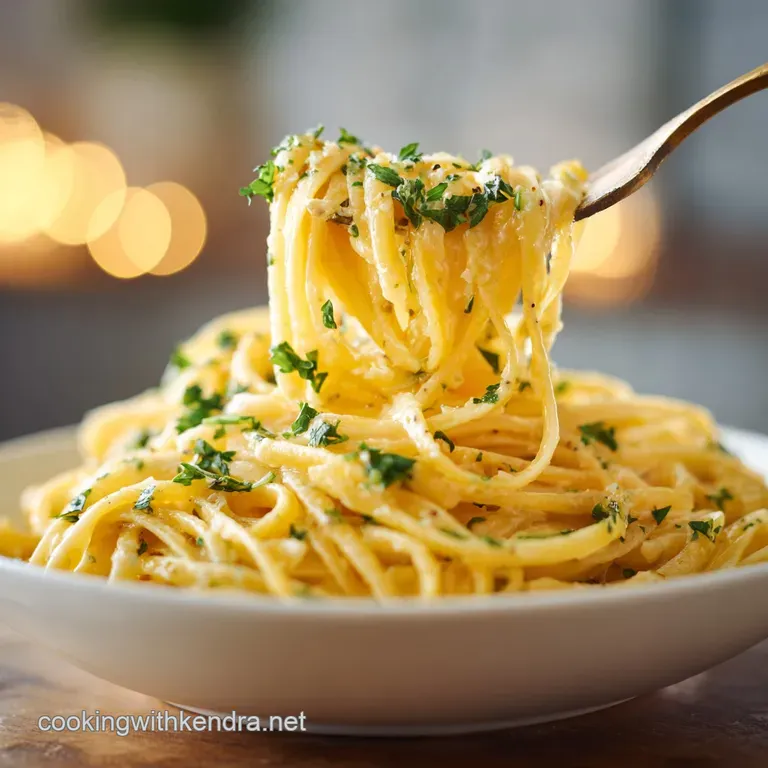
- Boil the water. Fill a large pot with water and add the 2 tbsp sea salt. Note: The water should taste like the sea to properly season the pasta from the inside out.
- Cook the spaghetti. Add the 1 lb spaghetti to the boiling water and cook for about 8 minutes until just under al dente. Note: It will finish cooking in the sauce later.
- Prep the aromatics. While the pasta boils, thinly slice the 8 cloves of garlic and chop the 0.25 cup Italian parsley.
- Start the sauce base. In your large skillet, combine the 0.5 cup butter and 2 tbsp extra virgin olive oil over medium low heat until the butter is foaming.
- Sauté the garlic. Add the sliced garlic and 0.5 tsp red pepper flakes to the skillet. Cook for 2-3 minutes until the garlic is fragrant and translucent, but not browned.
- Save the liquid gold. Before draining the pasta, use a measuring cup to carefully remove 1 cup of the boiling pasta water.
- Combine the elements. Drain the pasta and immediately add it to the skillet with the garlic butter. Pour in about 0.5 cup of the reserved pasta water.
- Create the emulsion. Increase heat to medium and toss the pasta vigorously with tongs for 2 minutes until the sauce thickens and clings to the noodles.
- Add the finishing polish. Turn off the heat. Stir in the 0.5 cup Parmesan, chopped parsley, 0.5 lemon juice, and 0.25 tsp cracked black pepper.
- Adjust and serve. If the pasta looks dry, splash in a little more pasta water 1 tablespoon at a time until it looks glossy and velvety.
Fixing Common Garlic and Sauce Mistakes
One of the most frequent issues people have with this dish is the sauce "breaking" or turning out greasy. This usually happens if the heat is too high when you add the cheese or if you don't use enough pasta water. If you enjoy experimenting with different pasta textures, you might find my Homemade Ravioli Recipe helpful for learning how to handle delicate doughs and sauces.
Why Your Sauce Is Oily
If you see a pool of oil at the bottom of the bowl, it means the emulsion didn't form. This happens when there isn't enough starch to bind the fat. To fix this next time, make sure your pasta water is cloudy and thick, and don't be afraid to toss the pasta with some muscle.
Why Your Garlic Tastes Bitter
Garlic turns bitter the moment it turns dark brown or black. If your heat is too high, the garlic "shatters" its delicate sugars and burns. Always keep the heat at medium low while sautéing the garlic. If you do burn it, honestly, it's best to wipe the pan and start over; that bitterness cannot be masked.
| Problem | Root Cause | Solution |
|---|---|---|
| Clumpy Cheese | Heat was too high when adding Parmesan | Remove skillet from heat completely before stirring in cheese |
| Dry Pasta | Pasta absorbed all the liquid too fast | Add reserved pasta water 15ml at a time until glossy |
| Bland Flavor | Not enough salt in the boiling water | Add a pinch of sea salt and extra lemon juice at the very end |
Common Mistakes Checklist
- ✓ Don't skip the salt in the pasta water; the noodles won't have any flavor.
- ✓ Do slice the garlic thinly rather than mincing it for a more elegant texture.
- ✓ Don't drain the pasta water before saving a cupful; it’s the most important ingredient.
- ✓ Do use a combination of butter and oil; the oil helps prevent the butter from burning.
- ✓ Do add the lemon juice at the very end to keep the flavor bright and fresh.
Scaling the Recipe for Crowds or Solitude
Scaling Down (Single Serving): When I'm making this just for myself, I use about 115g of pasta and 2 tablespoons of butter. You can use a smaller skillet, but keep the garlic to at least 2 large cloves because you want that punch.
Reduce the cook time by about 20% as a smaller volume of water comes back to the boil faster.
Scaling Up (Feeding a Crowd): If you’re doubling this for 8 people, use two separate skillets. It is very difficult to get a proper emulsion when the pan is overcrowded with 2 lbs (900g) of pasta.
For the spices and salt, don't just double them automatically start with 1.5x the amount and adjust to your taste at the end.
For those who love a bit of protein with their meal, you can easily adapt this by adding some sautéed chicken. It reminds me of the technique used in my Chicken Pasta Creamy recipe, where the sauce is built around the protein for extra depth.
Busting Common Garlic Pasta Myths
- Myth: You must rinse the pasta after boiling.
- Truth: Never rinse! Rinsing removes the starch that we need to make the sauce stick to the noodles. You want that sticky residue.
- Myth: Garlic must be brown to be cooked.
- Truth: In this dish, we want "blonde" garlic. Soft, translucent garlic is sweet and buttery; brown garlic is crunchy and can become bitter very quickly.
- Myth: You need a lot of olive oil to keep the pasta from sticking.
- Truth: Salted, boiling water and occasional stirring are all you need. Adding oil to the pot actually prevents the sauce from clinging to the pasta later.
Practical Storage and Zero Waste Strategies
Storage: This pasta is definitely best eaten immediately, but leftovers will keep in an airtight container in the fridge for up to 3 days. I don't recommend freezing this dish, as the butter sauce will separate and the pasta will become mushy upon thawing.
Reheating: To bring it back to life, don't just microwave it. Add a splash of water or a tiny knob of butter to a skillet over low heat, add the pasta, and toss until just warmed through. This helps re emulsify the sauce so it isn't oily.
- Garlic Peels
- Save your garlic skins in a freezer bag for the next time you make homemade vegetable or chicken stock.
- Lemon Rind
- Before juicing the lemon, zest it! You can freeze the zest in a small jar to use in baked goods or to top other pasta dishes later.
- Parsley Stems
- The stems of Italian parsley have just as much flavor as the leaves. Finely mince them and add them to the pan at the same time as the garlic for extra herbal punch.
Precision Checkpoints
- Water Salinity: Use exactly 2 tbsp of sea salt for the boiling water.
- Garlic Sauté Time: Exactly 2-3 minutes on medium low heat.
- Pasta Texture: Boil for 8 minutes before transferring to the skillet.
Decision Shortcut
- If you want a richer finish, add an extra tablespoon of cold butter right at the end.
- If you want a spicier kick, double the red pepper flakes to 1 full teaspoon.
- If you want it lighter, swap half the butter for more extra virgin olive oil.
This Garlic Butter Pasta is the ultimate testament to the idea that you don't need a pantry full of gourmet items to make something that feels special. It's about technique the sizzle of the garlic, the starch of the water, and the final swirl of the tongs.
Trust me, once you nail that emulsion, you'll never look at a "plain" bowl of pasta the same way again.
Recipe FAQs
Can you make pasta with garlic butter?
Yes, it is the foundation of several classic Italian dishes. Simple melted butter, olive oil, and garlic (aglio e olio style) create a luscious sauce when emulsified with starchy pasta water.
What are the ingredients in butter pasta?
The core ingredients are butter, olive oil, fresh garlic, salt, and cooked pasta. Fresh herbs like parsley and Parmesan cheese are usually added at the end for flavor and texture enhancement.
What goes with garlic butter pasta?
Protein additions like grilled shrimp or pan-seared chicken breast work perfectly. For a vegetarian route, consider adding blanched asparagus or tossing in some wilted spinach right before serving.
What are the common mistakes in garlic butter?
Browning or burning the garlic is the primary error, leading to a bitter flavor. Also, failing to use starchy pasta water prevents the fat from emulsifying into a cohesive, velvety sauce.
How do I properly emulsify the sauce?
Toss the drained pasta vigorously in the skillet with the fat and reserved pasta water over medium heat. This mechanical action binds the water and fat together, creating the desirable, creamy coating.
Is it true that I should not use cream for rich garlic butter pasta?
No, heavy cream is generally unnecessary for this specific dish. The richness comes from a perfect starch-to-fat ratio; if you want an even creamier texture without heavy dairy, explore our Cottage Cheese Alfredo recipe which uses protein for texture.
How do I ensure my pasta is seasoned correctly throughout?
Salt your boiling water heavily, so it tastes like the sea before adding the noodles. This foundational seasoning penetrates the pasta as it cooks, which is crucial because the sauce itself is often only lightly salted.
Garlic Butter Pasta Recipe
Ingredients:
Instructions:
Nutrition Facts:
| Calories | 714 kcal |
|---|---|
| Protein | 19.6 g |
| Fat | 33.1 g |
| Carbs | 84.2 g |
| Fiber | 3.8 g |
| Sugar | 3.1 g |
| Sodium | 585 mg |
