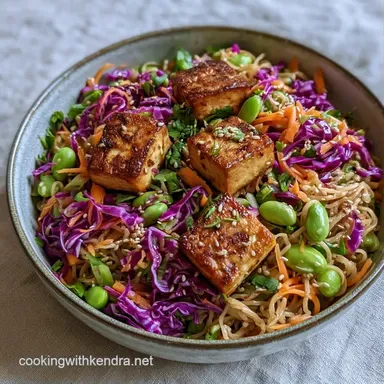
Healthy Asian Pasta Bowl: Velvety Peanut Sauce
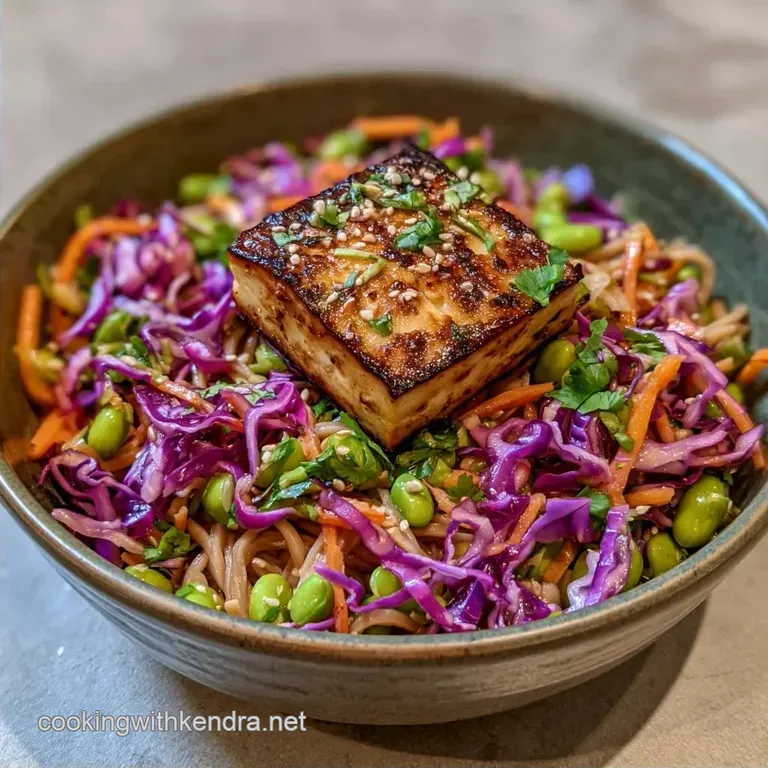
- Time: 15 min active + 10 min cooking = Total 25 minutes
- Flavor/Texture Hook: Velvety peanut sauce with a fresh, shatter crisp vegetable crunch
- Perfect for: Busy weeknight dinners, meal prep, or a light lunch
Healthy Asian Pasta Bowl
That smell of toasted sesame oil hitting a hot pan always takes me back to the first time I tried to make a "healthy" version of takeout. I remember standing in my kitchen at 7 PM on a Tuesday, exhausted from work, staring at a pile of brown rice noodles that looked more like wet cardboard than dinner.
I had followed a recipe that was too bland, and I ended up dumping half a bottle of soy sauce into the pot just to feel something. It was a salty mess, but it taught me that the secret isn't more salt, it's the balance of acid and fat.
That's where this Healthy Asian Pasta Bowl comes in. I spent a few weekends playing with the ratio of lime to peanut butter until I found that sweet spot where the sauce feels rich but doesn't weigh you down.
It's the kind of meal that makes you feel like you've actually got your life together, even if you're eating it out of a mixing bowl because you're too tired to do the dishes.
You can expect a dish that hits every single note. You've got the earthy tones of the brown rice noodles, the sharp zing of fresh lime, and a velvety sauce that clings to every strand. It's not just about the nutrition, it's about the texture.
We're talking about the shatter of fresh red cabbage and the creaminess of pressed tofu. It's a bright, colorful bowl that actually tastes like something you'd pay $18 for at a cafe.
The Story Behind The Bowl
The real turning point for this recipe happened when I stopped treating the vegetables as "fillers" and started treating them as the star. For a long time, I used to sauté everything into a mushy heap. But then I realized that the beauty of an Asian noodle bowl is the contrast.
I started keeping the carrots and cabbage raw, which keeps that snap and adds a vibrant pop of color that makes the meal feel alive.
I also had a bit of a struggle with tofu. Like many home cooks, I used to think tofu was tasteless and spongy. The breakthrough was in the pressing. Once I started pressing the water out of the extra firm tofu, I realized it became a blank canvas that could actually soak up the peanut sauce instead of just letting it slide off.
It changed the whole experience from "I'm eating this because it's healthy" to "I'm eating this because it's genuinely satisfying."
Now, this is my go to for those nights when I want something that feels fancy but takes less than half an hour. It's a family favorite because it's customizable. My kids like more maple syrup for sweetness, while I lean into the ginger and lime for a sharper kick.
It's a flexible, forgiving recipe that fits into the chaos of a normal weeknight.
Secrets To The Texture
When you're putting together a Healthy Asian Pasta Bowl, the magic happens in the contrast. You don't want everything to be the same consistency, or it becomes a chore to eat.
The Emulsion: Mixing the fat from the peanut butter with the acid from the lime juice and a bit of warm water creates a stable emulsion. This ensures the sauce is velvety and smooth rather than clumpy or oily.
The Texture Gap: Combining soft noodles with raw, sliced cabbage and carrots creates a "shatter" effect. The resistance of the raw veggies prevents the dish from feeling like a bowl of mush.
Noodle Lubrication: Tossing the rice noodles in sesame oil immediately after draining prevents the starches from bonding. This keeps the strands separate and allows the sauce to coat them individually.
Protein Density: Using pressed tofu removes excess water, creating a denser, meatier bite that stands up to the heavy peanut dressing.
| Method | Prep Time | Texture | Best For |
|---|---|---|---|
| Stovetop Noodles | 25 mins | Al dente & supple | Fresh, immediate dinner |
| Pre cooked Noodles | 15 mins | Softer, faster | Ultra quick lunch |
| Cold Soaked Noodles | 40 mins | Chewier, firm | Low energy prep |
Quick Recipe Specs
Before we dive into the gear and groceries, let's look at what's actually happening in this bowl. This isn't just a random toss of ingredients; it's a calculated balance of macronutrients. According to USDA FoodData, tofu provides a complete amino acid profile, making this a powerhouse for plant based protein.
The brown rice noodles provide a slower release of energy compared to white flour pasta, which means you won't have that 3 PM crash the next day if you're packing this for lunch. The red cabbage and carrots bring in a massive dose of antioxidants and fiber, which helps the velvety peanut sauce feel lighter on the stomach.
This recipe is designed for a 25 minute total turnaround. We spend 15 minutes on the prep (chopping and whisking) and about 10 minutes on the actual cooking of the noodles. It's a streamlined flow that prevents you from spending your entire evening in the kitchen.
The Ingredient List
For a truly great Healthy Asian Pasta Bowl, the quality of your peanut butter matters. I prefer a creamy, natural style that doesn't have a ton of added sugar, as we're adding our own maple syrup for balance.
- 8 oz brown rice noodles Why this? gluten-free and has a great chew
- 1 tsp sesame oil Why this? Prevents sticking and adds nuttiness
- 14 oz extra firm tofu, pressed and cubed Why this? High protein and absorbs sauce
- 2 cups shredded carrots Why this? Sweetness and crunch
- 2 cups red cabbage, thinly sliced Why this? Peppery bite and color
- 1 cup edamame, shelled and steamed Why this? Extra protein and buttery texture
- 3 stalks green onions, sliced into 1 inch pieces Why this? Fresh, sharp finish
- 1/2 cup red bell pepper, julienned Why this? Brightness and sweetness
- 3 tbsp creamy peanut butter Why this? The base of the velvety sauce
- 2 tbsp low sodium soy sauce Why this? Umami and salt balance
- 1 tbsp fresh lime juice Why this? Cuts through the fat of the peanut butter
- 1 tbsp maple syrup Why this? Subtle sweetness to balance the lime
- 1 tsp freshly grated ginger Why this? Zesty, warming aromatic
- 1 clove garlic, minced Why this? Pungent depth
- 2 tbsp warm water Why this? Thins the sauce to a pourable state
- 2 tbsp toasted sesame seeds Why this? Nutty garnish and visual pop
- 1/4 cup fresh cilantro, chopped Why this? Fresh, herbal top note
| Original Ingredient | Substitute | Why It Works |
|---|---|---|
| Brown Rice Noodles | Soba Noodles | Buckwheat base. Note: Nuttier flavor, shorter cook time |
| Extra Firm Tofu | Grilled Chicken | Lean protein. Note: Changes dish to non vegetarian |
| Peanut Butter | Almond Butter | Similar fat profile. Note: Milder, slightly sweeter taste |
| Soy Sauce | Tamari | gluten-free option. Note: Nearly identical flavor profile |
| Maple Syrup | Honey | Natural sweetener. Note: Thicker consistency, floral notes |
If you find yourself craving something with a bit more of a punch, you might want to try a Sauce in 10 Minutes recipe for your next noodle experiment. It's a great way to vary the flavor profile while keeping the same veggie base.
Required Kitchen Gear
You don't need a professional kitchen to pull this off, but a few specific tools make the process a lot smoother. I've found that using a large mixing bowl is the biggest "hack" here. Trying to toss all these ingredients in the pot you boiled the noodles in is a recipe for broken noodles and uneven sauce.
First, you'll need a large pot for the noodles. Make sure it's deep enough that the rice noodles can swim freely; if they're crowded, they tend to clump together. A colander is a must for draining, and a small whisk is essential for the sauce.
If you don't have a whisk, a fork works, but it takes a bit more elbow grease to get that velvety texture.
For the tofu, a couple of heavy plates or a tofu press will save you a lot of time. I usually just put the tofu between two plates and set a heavy cast iron skillet on top for 15 minutes.
Finally, a sharp chef's knife or a mandoline is great for getting the cabbage and carrots into those thin, consistent strips that mix well with the pasta.
The step by step
Right then, let's get into the flow. The key here is timing. You want the noodles to be fresh and the sauce to be ready the moment they're drained.
- Bring a large pot of water to a boil. Add noodles and cook according to package directions until al dente. Note: Don't overcook them or they'll turn into mush when you add the sauce.
- Drain in a colander and immediately toss with 1 tsp of sesame oil. Note: This creates a barrier that stops the noodles from sticking together.
- In a small bowl, combine peanut butter, soy sauce, lime juice, maple syrup, ginger, and garlic. Whisk vigorously until smooth and glossy.
- Gradually add warm water one tablespoon at a time. Continue whisking until the sauce reaches a pourable, velvety consistency.
- In a large mixing bowl, combine the cooked noodles, cubed tofu, shredded carrots, sliced red cabbage, steamed edamame, sliced green onions, and julienned red bell pepper.
- Pour the peanut dressing over the noodle and vegetable mixture.
- Toss gently using tongs or large spoons until everything is evenly coated and the vegetables are well distributed.
- Divide the mixture into bowls.
- Garnish with toasted sesame seeds and chopped fresh cilantro. Note: Adding these at the end keeps the herbs from wilting too quickly.
Chef's Tip: If your peanut butter is very stiff, microwave it for 10 seconds before whisking. It makes the emulsion happen much faster and prevents those annoying little clumps of peanut butter in your sauce.
Fixing Common Mistakes
Even with a simple Healthy Asian Pasta Bowl, things can go sideways. Usually, it's a matter of ratios or temperature.
Troubleshooting Common Issues
| Issue | Solution |
|---|---|
| Why Your Noodles Are Mushy | This usually happens because of overcooking or leaving the noodles in the hot water too long after draining. Rice noodles are delicate. The moment they hit al dente, get them out. |
| Why Your Sauce Is Clumpy | Peanut butter and lime juice don't always want to be friends. If your sauce looks separated or grainy, it's usually because the water you added was too cold, or you didn't whisk long enough. |
| Why Your Bowl Is Bland | Usually, this is a lack of acid. If the bowl tastes "flat" or too heavy on the peanut flavor, add an extra squeeze of fresh lime juice. |
Common Mistakes Checklist:
- ✓ Did you press the tofu to remove excess moisture?
- ✓ Are the noodles al dente and not overboiled?
- ✓ Did you use warm water for the sauce emulsion?
- ✓ Is there enough lime juice to balance the peanut butter?
- ✓ Did you toss the ingredients gently to avoid breaking the noodles?
Variations And Swaps
One of the best things about a Healthy Asian Pasta Bowl is how easily it adapts. Depending on what's in your fridge, you can pivot the flavor profile entirely without ruining the dish.
For those who want a high protein meat option, grilled shrimp or sliced chicken breast work brilliantly here. If you use chicken, I recommend checking out my Chicken Lo Mein noodles for inspiration on how to sear the meat for maximum flavor. Just swap the tofu for your protein of choice and toss it in at the same stage.
If you're looking for a grain free or keto friendly version, you can replace the rice noodles with spiralized zucchini (zoodles) or shredded cabbage. Since zoodles release a lot of water, don't cook them - just toss them raw with the sauce and let the acidity of the lime "cook" them slightly.
For a zesty Thai influence, add a tablespoon of red curry paste to the sauce and swap the maple syrup for a bit of coconut sugar. You could also add some fresh Thai basil or mint to the cilantro garnish to give it that authentic Southeast Asian aroma.
Decision Shortcut:
- If you want more heat, add a teaspoon of Sriracha or chili garlic sauce to the dressing.
- If you want it creamier, add a tablespoon of tahini to the peanut butter base.
- If you want more crunch, add sliced almonds or crushed peanuts on top.
Storage And Scraps
This bowl holds up surprisingly well in the fridge, making it a top tier option for meal prep. Store it in an airtight container for up to 4 days. You'll notice the noodles absorb some of the sauce over time, which actually deepens the flavor, though it might make the bowl a bit "drier."
When reheating, I recommend avoiding the microwave if you want to keep the vegetable crunch. Instead, let it sit at room temperature for 20 minutes, or give it a very quick toss in a pan with a splash of water.
If you must microwave, do it in 30 second bursts so the cabbage doesn't turn into a soggy mess. This dish doesn't freeze well because the fresh vegetables lose their structure and the sauce can separate.
To keep things zero waste, don't throw away those cilantro stems! Finely chop them and whisk them right into the peanut sauce; they hold more flavor than the leaves. If you have leftover cabbage or carrot scraps, toss them into a freezer bag for your next vegetable stock.
Even the lime hulls can be zested and dried for use in other baked goods or savory rubs.
Plating And Serving
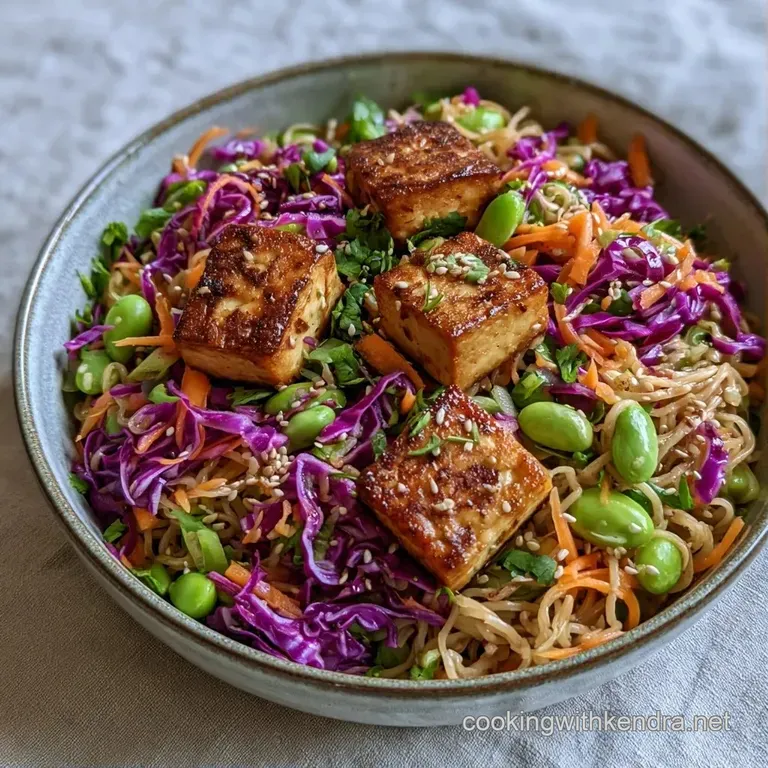
The way you serve a Healthy Asian Pasta Bowl changes the whole experience. Because this dish is so colorful, it looks best in wide, shallow bowls that let you see the layers of red cabbage, orange carrots, and green edamame.
Start by swirling a generous portion of the noodles and veggies into the center of the bowl. Use a fork to lift the noodles slightly, creating a little mound. Then, drizzle any remaining peanut sauce over the top in a zig zag pattern. This ensures every bite is hit with that velvety richness.
Finish with a heavy sprinkle of toasted sesame seeds and a handful of fresh cilantro. For a professional touch, place a lime wedge on the side of the bowl. This allows guests to add a final burst of freshness right before eating.
This meal pairs beautifully with a light side of steamed bok choy or a simple cucumber salad.
Trust me on this - don't be shy with the garnishes. The sesame seeds provide a toasted, nutty contrast to the fresh herbs, and it makes the whole meal feel like a curated experience rather than just a quick dinner. Enjoy your bowl!
Recipe FAQs
Are Asian noodle bowls healthy?
Yes, when they prioritize fresh vegetables and lean proteins. Using brown rice noodles and tofu creates a nutrient dense, balanced meal.
What is the healthiest Asian noodle to eat?
Brown rice noodles are a top choice. They provide more fiber and a lower glycemic index than refined white flour noodles.
Which is healthier, Udon or Lo Mein?
Udon is typically the healthier option. It generally contains fewer calories and less processed oil than traditional stir fried Lo Mein.
Is it true that some Asian pastas have no calories?
No, this is a common misconception. All pasta and noodles contain calories, though some vegetable based alternatives are significantly lower than grain based ones.
How to cook a pad thai noodle disk at home?
Soak the noodles in hot water until softened before adding them to your pan. Alternatively, boil them according to package directions until al dente.
What type of food goes best with rice noodles?
Fresh vegetables and savory seafood. If you are making a seafood based bowl, use shrimp stock to add a rich, umami depth to your sauce.
What are some easy Asian noodle dishes to make at home?
Cold peanut noodles and vegetable stir fries. These are quick to assemble using brown rice noodles and a simple whisked dressing of peanut butter and soy sauce.
Healthy Asian Pasta Bowl