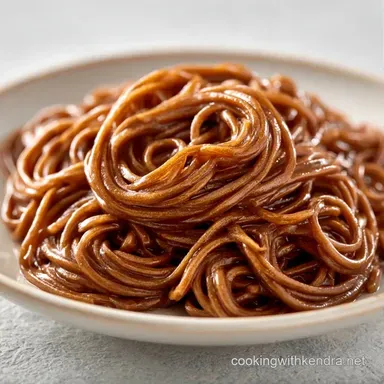
Healthy Buckwheat Noodle Dish: Silky Sesame Ginger Glaze
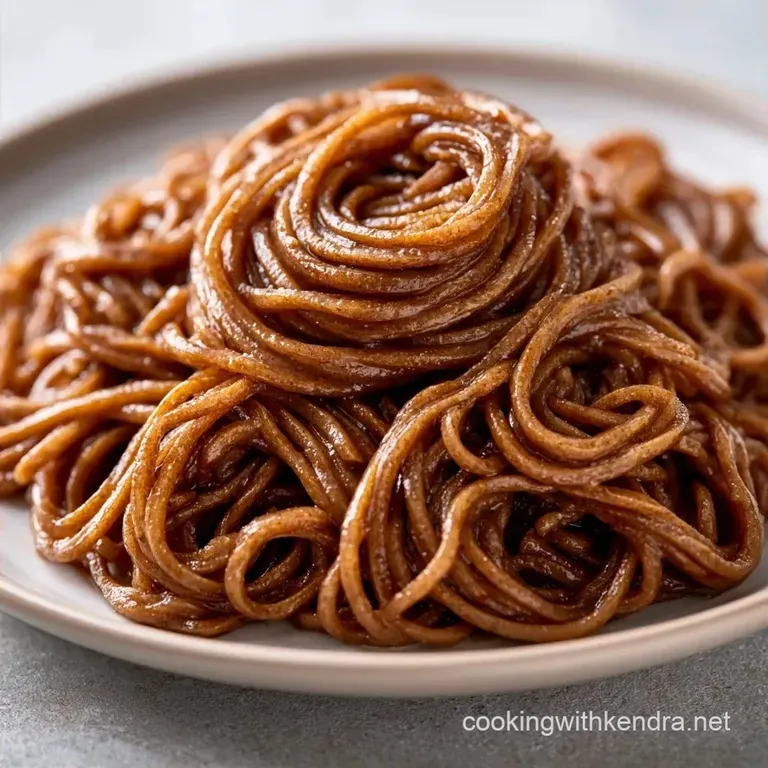
- Time: 10 min active + 5 min cook = Total 15 minutes
- Flavor/Texture Hook: Silky glaze with a sharp, fresh crunch
- Perfect for: A high protein weeknight dinner or a vibrant meal prep lunch
- Healthy Buckwheat Noodle Dish
- The Secret to Soba Texture
- The Component Breakdown
- The Gear You Need
- Steps for a Dynamic Bowl
- Fixing Common Soba Issues
- Troubleshooting Common Issues
- Swap Your Ingredients
- Portioning and Scaling
- Soba Myths Debunked
- Keeping Your Noodles Fresh
- Plating and Visuals
- High in Sodium
- Recipe FAQs
- 📝 Recipe Card
Healthy Buckwheat Noodle Dish
You know that feeling when you try making soba for the first time and it turns into a giant, gummy ball of sadness? I've been there. The first time I attempted this, I just drained the noodles and tossed them in the sauce, only to realize I'd basically created a starchy paste. It wasn't a meal, it was a glue project.
The problem isn't the buckwheat, it's the surface starch that clings to the noodles like a security blanket.
The fix is actually pretty aggressive. You have to scrub the noodles under cold water. I'm talking about literally rubbing them between your palms. It feels a bit chaotic, but it's the only way to get that silky, distinct texture.
Once you nail that, this Healthy Buckwheat Noodle Dish becomes a total breeze, turning into a stunning visual centerpiece with neon greens and deep purples.
We're aiming for a dynamic balance here. This isn't just about health, it's about that high contrast Asian Fusion energy. We've got the earthy, nutty base of the buckwheat paired with a glaze that's salty, sweet, and sharp.
It's the kind of meal that looks like it took an hour to plate but actually comes together in a flash.
The Secret to Soba Texture
To get a Healthy Buckwheat Noodle Dish that doesn't feel like mush, you have to understand what's happening in the pot. Buckwheat is a seed, not a grain, and it releases a specific kind of starch that makes the water cloudy. If that starch stays on the noodle, your sauce just slides off instead of clinging.
The Starch Scrub: Cold water shocks the noodle and rinses away surface starch, preventing the strands from sticking together.
The Emulsion Bond: Whisking the sesame oil and tamari vigorously creates a temporary bond that allows the glaze to coat the buckwheat evenly.
The Raw Crunch: Keeping the cabbage and carrots raw preserves their cellular structure, providing a sharp contrast to the soft noodles.
The Temperature Contrast: Chilling the noodles before adding the room temperature sauce prevents the vegetables from wilting, keeping the colors vibrant.
Before you dive in, you need to decide if you're going for the pure buckwheat experience or a blend. Most store-bought soba has wheat, but 100% buckwheat is where the real health benefits and nutty flavors live.
| Noodle Type | Texture | Prep Effort | Best For |
|---|---|---|---|
| 100% Buckwheat | Hearty/Grainy | High (needs scrub) | gluten-free/High fiber |
| Buckwheat Blend | Silky/Elastic | Low | Traditional feel |
| Fresh Soba | Tender/Plump | Medium | Special occasions |
The Component Breakdown
I like to think of this as a color blocking exercise. For a truly stunning visual, we need specific hues. The deep magenta of the purple cabbage, the bright orange of the julienned carrots, and the neon green of the edamame create a dynamic palette. If you're missing one, the bowl feels flat.
| Ingredient | Science Role | Pro Secret |
|---|---|---|
| Buckwheat Noodles | Structural Base | Use filtered water to avoid chlorine tastes |
| Tamari | Umami Depth | Low sodium version prevents the sauce from being "sharp" |
| Toasted Sesame Oil | Aromatic Fat | Add at the end to keep the scent punchy |
| Rice Vinegar | Acid Balance | Cuts through the richness of the sesame oil |
The Gear You Need
You don't need a professional kitchen for this, but a few specific tools make the process way smoother. I always use a large colander because you need plenty of room to really scrub those noodles without them flying across the sink.
For the sauce, a medium whisking bowl is essential. You want enough space to whisk vigorously to get that emulsified glaze. If you use a tiny bowl, you'll just be stirring, and the oil will separate.
A pair of tongs is also a lifesaver for the final toss, ensuring every single noodle is coated in the sesame ginger mixture.
If you're looking for other ways to use noodles in your rotation, my speedy chicken yakisoba uses a similar over high heat approach but with a different flavor profile.
Steps for a Dynamic Bowl
Right then, let's get into the actual process. Remember, the goal here is to keep the vegetables crisp and the noodles distinct.
Phase 1: The Perfect Boil & Shock
- Bring 4 cups (950ml) of filtered water to a rolling boil. Add the 8 oz (225g) of 100% buckwheat noodles.
- Cook for 4-6 minutes until al dente. Check the package, but start tasting at 4 minutes. Note: Overcooking soba is the fastest way to ruin the texture.
- Drain the noodles into a colander. Immediately run cold water over them.
- Scrub the noodles gently with your hands for about 30 seconds until the water runs clear and the noodles feel slippery.
Phase 2: Whisking the Emulsion
- In your whisking bowl, combine 3 tbsp (45ml) low sodium tamari, 2 tbsp (30ml) toasted sesame oil, 1 tbsp (15ml) maple syrup, 1 tbsp (15ml) rice vinegar, 1 tsp (5g) grated ginger, and 1 minced garlic clove.
- Whisk the mixture vigorously for 1 minute until the sauce is smooth and velvety. Note: The maple syrup helps the oil and vinegar stay together.
Phase 3: The Final Toss & Garnish
- Add the chilled noodles, 1 cup (150g) steamed edamame, 1 julienned carrot (100g), and 1/2 cup (60g) shredded purple cabbage to the bowl.
- Fold everything together with tongs until the colors are evenly distributed and the noodles are glazed.
- Divide into bowls and garnish with 2 sliced green onions (60g) and 2 tbsp (16g) toasted sesame seeds.
Fixing Common Soba Issues
Even with a Healthy Buckwheat Noodle Dish, things can go sideways. Usually, it's a matter of timing or temperature. If your noodles feel "slimy," you probably didn't scrub them long enough. The starch creates a film that acts like a barrier between the noodle and the sauce.
Troubleshooting Common Issues
| Issue | Solution |
|---|---|
| Why Your Noodles Are Gummy | This usually happens if you let the noodles sit in the hot water for even a minute too long, or if you skip the cold rinse. The starch gelatinizes and bonds the noodles together. |
| Why Your Sauce Is Separate | If you see pools of oil floating on top, your emulsion broke. This happens if the ingredients aren't whisked enough or if the noodles were too hot when they hit the sauce, causing the oil to thin out. |
| Why Your Veggies Are Wilted | Adding the vegetables to the bowl while the noodles are still warm will steam the carrots and cabbage. Always ensure your noodles are fully chilled before the final toss. |
Common Mistakes Checklist:
- ✓ Did I scrub the noodles until the water ran clear?
- ✓ Is the sauce whisked into a velvety emulsion?
- ✓ Are the vegetables julienned thinly for maximum crunch?
- ✓ Did I use 100% buckwheat for the true nutty flavor?
- ✓ Are the noodles completely cold before tossing?
Swap Your Ingredients
Depending on what's in your pantry, you might need to pivot. The beauty of a Healthy Buckwheat Noodle Dish is that it's very forgiving as long as you keep the balance of salt, acid, and fat.
| Original Ingredient | Substitute | Why It Works |
|---|---|---|
| Tamari (3 tbsp) | Soy Sauce (3 tbsp) | Similar salt profile. Note: Not gluten-free. |
| Maple Syrup (1 tbsp) | Honey (1 tbsp) | Similar viscosity and sweetness. Note: Slightly floral. |
| Rice Vinegar (1 tbsp) | Apple Cider Vinegar (1 tbsp) | Provides the necessary acidity. Note: Stronger tang. |
| Purple Cabbage | Red Bell Pepper | Maintains the color contrast. Note: Sweeter flavor. |
If you're looking for a different kind of high protein sauce to try, my cottage cheese alfredo is a great way to get that creamy texture without the heavy cream.
Since we're talking about swaps, let's look at the "If you want X, do Y" logic for this dish: - If you want more protein, double the edamame or add grilled tofu. - If you want a spicier kick, add a teaspoon of Sriracha or chili garlic paste to the glaze.
- If you want a heartier meal, add shredded red cabbage and sliced cucumbers.
Portioning and Scaling
When you're making a Healthy Buckwheat Noodle Dish for a crowd, you can't just multiply everything by four and expect it to work. The sauce tends to get overpowering if you scale it linearly.
Scaling Down (1-2 servings): Use 4 oz of noodles. Reduce the garlic to half a clove and the ginger to a pinch. Use a smaller bowl for the sauce to ensure you can still whisk it into an emulsion.
Scaling Up (6-8 servings): Don't quadruple the salt. Increase the tamari and sesame oil by 2.5x or 3x instead of 4x. Work in batches when rinsing the noodles - if you crowd the colander, the noodles in the middle stay hot and get gummy.
If you're doubling the recipe, I recommend whisking the sauce in a blender for 10 seconds. It guarantees a velvety consistency that's hard to achieve by hand when the volume is high.
Soba Myths Debunked
There's a lot of noise about buckwheat. First off, the idea that "soba" automatically means gluten-free is a dangerous myth. Most commercial soba noodles are a mix of buckwheat and wheat flour. To make a truly Healthy Buckwheat Noodle Dish for someone with an allergy, you must verify the label says "100% Buckwheat."
Another common misconception is that you should cook soba like Italian pasta and leave a bit of pasta water for the sauce. Absolutely not. In this dish, the water is the enemy. The starch in the water is exactly what we're trying to scrub away to achieve that clean, professional grade texture.
Finally, some people think you can't freeze soba. While you can't freeze the assembled dish, you can freeze pre cooked, rinsed, and oil tossed noodles in airtight bags for up to a month.
Keeping Your Noodles Fresh
Storage is where most people mess up. A Healthy Buckwheat Noodle Dish is best eaten immediately because the raw vegetables release water over time, which thins out the sauce.
Fridge Storage: Store in an airtight container for up to 3 days. I recommend keeping the sauce and the noodles/veggies separate until you're ready to eat. If you store them together, the cabbage will lose its crunch and the noodles will absorb all the glaze, leaving the bowl dry.
Freezing Guidelines: Do not freeze the assembled dish. The fresh vegetables will turn into mush upon thawing. However, you can freeze the steamed edamame and the cooked, rinsed noodles separately.
Zero Waste Tips: Don't throw away the carrot tops or the ends of the green onions. Toss them into a freezer bag for your next vegetable stock. Also, if you have leftover shredded cabbage, it's great in a quick slaw or sautéed as a side dish.
Plating and Visuals
Since this is all about that Asian Fusion aesthetic, the plating matters. Don't just dump the noodles in a bowl. Use tongs to twirl the noodles into a high mound in the center of the bowl. This creates height and makes the dish look more dynamic.
- 1. The Base
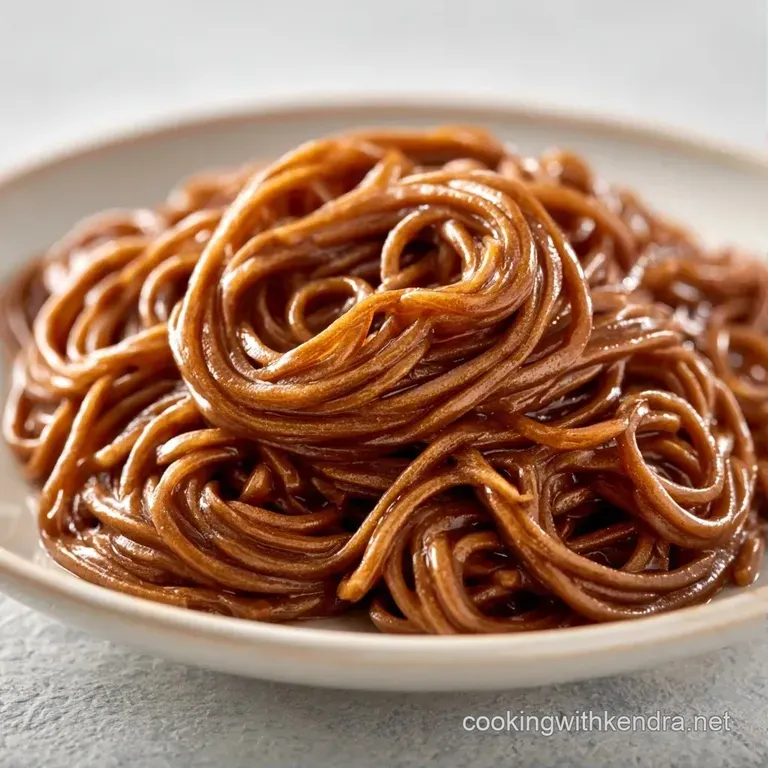
- The brownish grey noodles coated in glaze.
- 2. The Pop
- Tuck the bright orange carrots and green edamame into the sides of the noodle mound.
- 3. The Contrast
- Scatter the purple cabbage on top to break up the colors.
- 4. The Finish
- Sprinkle the sesame seeds and green onions over the very top for that final hit of texture.
This Healthy Buckwheat Noodle Dish is a masterclass in balancing textures and colors. It's fast, it's punchy, and once you stop treating the noodles like pasta and start scrubbing them like a pro, you'll never go back to the gummy version. Let's crack on and get some of these vibrant bowls on the table!
High in Sodium
940 mg 940 mg of sodium per serving (41% 41% of daily value)
The American Heart Association recommends a daily limit of 2,300 mg of sodium, with an ideal limit of 1,500 mg for most adults to reduce the risk of cardiovascular disease.
Tips to Reduce Sodium
-
Swap Tamari for Coconut Aminos-20%
Replace the low-sodium tamari with coconut aminos, which provides a similar savory flavor with significantly less sodium.
-
Boost Acidic Brightness-10%
Increase the rice vinegar or add a squeeze of fresh lemon juice to enhance the flavor profile, allowing you to use less salty sauce.
-
Amplify Fresh Aromatics-10%
Double the amount of freshly grated ginger and minced garlic to add punchy, savory depth that compensates for reduced salt.
-
Add Fresh Herbs
Garnish the finished dish with fresh cilantro or chopped parsley to add a burst of flavor without adding any sodium.
Recipe FAQs
What do soba noodles taste like?
Nutty and earthy. They have a more robust, toasted flavor than wheat noodles, which complements the tamari and sesame oil in this dish.
What is the best way to cook soba noodles?
Boil in filtered water for 4 6 minutes. Drain immediately and rinse under cold running water, scrubbing gently with your hands to remove excess surface starch.
Are buckwheat noodles the healthiest?
They are among the healthiest options. Because they are nutrient dense and gluten-free, they provide more fiber and minerals than refined white flour pasta.
Is it true that buckwheat noodles are inherently anti inflammatory?
No, this is a common misconception. While buckwheat contains beneficial antioxidants, it should be viewed as a healthy food choice rather than a medical treatment for inflammation.
What's the difference between soba and udon noodles?
The difference is the primary flour. Soba is made from buckwheat for a nutty flavor and grey color, while udon is a thick, white noodle made from wheat.
Why are my noodles gummy?
You likely overcooked them or skipped the cold rinse. Overcooking allows starch to gelatinize, and skipping the rinse leaves surface starch that bonds the noodles together.
What are some easy Asian noodle dishes to make at home?
Cold noodle salads are an excellent choice. If you enjoyed the quick assembly of this meal, see how we use a similarly fast prep approach in our classic tuna salad.
Healthy Buckwheat Noodle Dish