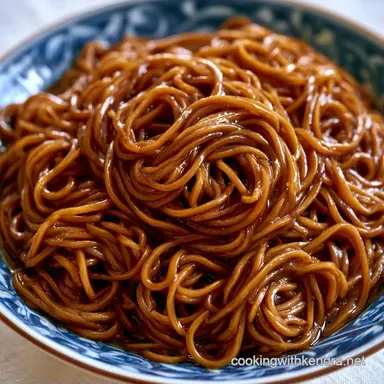
Quick Soba Noodle Recipe: Healthy and Fresh
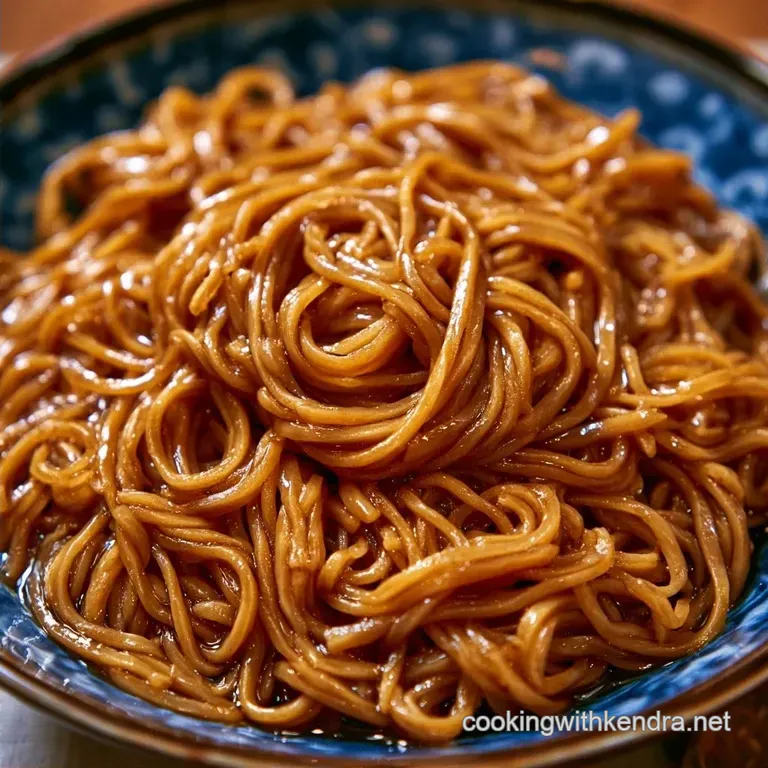
- Time: 10 min prep + 5 min cook = Total 15 minutes
- Flavor/Texture Hook: Tangy, silky sauce with a shatter crisp cucumber crunch
- Perfect for: High energy weeknight dinners or a refreshing meal prep lunch
The sound of a heavy pot of water hitting a colander is where most people stop, but for me, that's where the real work begins. I remember the first time I tried these, and I just drained them and tossed them in sauce. The result? A gummy, grey clump of buckwheat that felt more like wet cardboard than a meal.
It was a complete disaster because I treated them like Italian pasta.
Soba is a different beast entirely. The secret isn't in the boiling, it's in the "cold shock." If you don't aggressively rinse those noodles, the surface starch stays put and turns your dish into a sticky mess.
This Quick Soba Noodle Recipe is designed to fix that exact problem, giving you those distinct, slippery strands that actually carry the sauce instead of absorbing it like a sponge.
You can expect a dish that hits every taste bud: the salt from the soy, the zing of rice vinegar, and the earthy depth of toasted sesame. It's a dynamic meal that looks as good as it tastes, especially if you nail the color balance with the fresh greens.
Quick Soba Noodle Recipe
To get this right, we have to talk about the "Cold Rub." When you drain the noodles, you don't just let the water run over them. You have to actually use your hands to scrub the noodles under the cold tap for about 30 seconds. It feels a bit chaotic, but it's the only way to strip away the excess starch.
Once you do this, the noodles go from being sticky to having a silky, clean finish.
The sauce is where the magic happens. We're creating a low sugar umami emulsion that doesn't overpower the buckwheat. By whisking the maple syrup and sesame oil together, we create a glossy coating that clings to every strand. According to Serious Eats, managing the starch content in noodles is the key to preventing that dreaded "clump" effect.
Since this is a presentation focused dish, the colors are everything. We're aiming for a deep brown base with vibrant pops of emerald green from the onions and pale lime from the cucumbers. Adding these at the very last second ensures the textures stay distinct, so you get a crisp snap against the tender noodles.
The Cold Shock Secret
Starch Stripping: Rinsing with cold water removes surface amylose, which prevents the noodles from sticking together.
Thermal Arrest: The ice cold water immediately stops the cooking process, keeping the center of the noodle al dente.
Flavor Adhesion: Removing the slimy starch layer allows the sauce to coat the noodle surface directly rather than sitting on a layer of glue.
Acid Balance: The rice vinegar cuts through the richness of the sesame oil, creating a bright, high contrast flavor profile.
| Serving Style | Prep Time | Texture | Best For |
|---|---|---|---|
| Cold (Chilled) | 15 minutes | Slippery & Crisp | Summer Lunch |
| Warm (Tossed) | 12 minutes | Soft & Velvety | Rainy Evening |
Ingredient Component Analysis
| Ingredient | Science Role | Pro Secret |
|---|---|---|
| Soba Noodles | Structural Base | Use 100% buckwheat for a nuttier, gluten-free profile |
| Rice Vinegar | Acidic Brightener | Adds a subtle sweetness that balances the soy |
| Sesame Oil | Fat/Aroma Carrier | Always use toasted oil for that deep, roasted scent |
What You'll Need
For the noodles, you'll need 7 oz soba noodles and 6 cups water. Make sure you have a pot large enough to let the noodles move freely, or they'll clump before they even hit the water.
For the Easy Soba Noodle Sauce, gather 3 tbsp soy sauce, 1 tbsp rice vinegar, 1 tbsp maple syrup, 1 tbsp toasted sesame oil, 1 tsp fresh ginger (grated), and 1 clove garlic (minced). Why this? Maple syrup provides a cleaner sweetness than brown sugar.
For the Fresh Garnish, prep 2 stalks green onion (thinly sliced), 1 tbsp toasted sesame seeds, and 1/2 cup cucumber (julienned). Why this? Julienne cuts maximize the surface area for the sauce to cling to.
| Original Ingredient | Substitute | Why It Works |
|---|---|---|
| Soba Noodles | Whole Wheat Spaghetti | Similar earthy tone. Note: Lacks the specific buckwheat aroma |
| Maple Syrup | Honey | Similar viscosity. Note: Honey has a stronger, more floral taste |
| Rice Vinegar | Apple Cider Vinegar | Similar acidity. Note: Slightly fruitier, less "clean" than rice vinegar |
If you're craving something with a different flavor profile, my Soy Sauce Noodles are a great alternative for those who prefer a savory, stir fried vibe over a chilled salad.
The Gear List
You don't need a professional kitchen for this, but a few specific tools make it faster. A large stainless steel pot is essential for the boil. A wide mesh colander is a must because it allows you to scrub the noodles without them slipping through the holes.
For the sauce, a medium mixing bowl and a whisk are your best friends. While a fork works, a whisk ensures the sesame oil and maple syrup fully integrate into a glossy emulsion. Finally, keep some tongs or chopsticks handy for the final toss.
Step-by-step Instructions
- Bring 6 cups water to a rolling boil in a large pot. Note: Plenty of water prevents the noodles from overcrowding.
- Add 7 oz soba noodles and cook for 5 minutes until tender but still al dente.
- Drain the noodles immediately into a colander.
- Rinse under the coldest running water possible, rubbing the noodles gently with your hands for 30 seconds until the water runs clear and the slime is gone.
- In a medium mixing bowl, whisk 3 tbsp soy sauce, 1 tbsp rice vinegar, 1 tbsp maple syrup, 1 tbsp sesame oil, 1 tsp grated ginger, and 1 clove minced garlic until the sauce is glossy.
- Add the chilled noodles to the bowl.
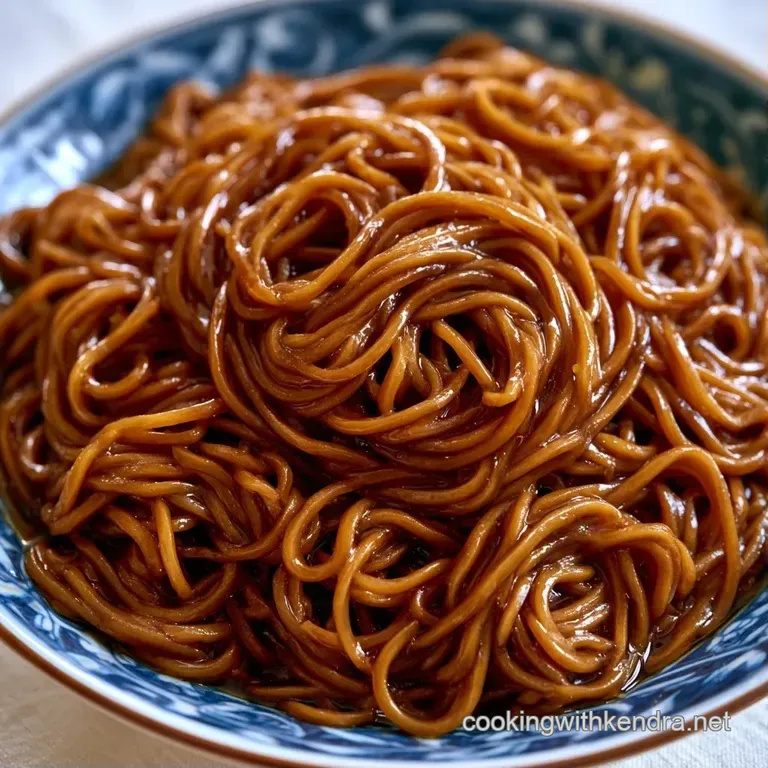
- Toss using tongs or chopsticks until every strand is evenly coated.
- Fold in the julienned cucumber and sliced green onions.
- Garnish with 1 tbsp toasted sesame seeds for a final color pop.
Fixing Common Soba Issues
Troubleshooting Common Issues
| Issue | Solution |
|---|---|
| Why are my noodles still sticky | This usually happens because the rinse wasn't aggressive enough. You can't just let the water run over the top; you have to physically move the noodles around. |
| The sauce tastes too salty | Soba noodles don't absorb salt the way pasta does, so the soy sauce can feel intense. If it's too salty, add another teaspoon of maple syrup or a squeeze of fresh lime juice to balance the sodium. |
| Why did my noodles break apart | Overcooking is the primary culprit here. Buckwheat is more fragile than durum wheat. If you go even one minute over the package directions, the structure collapses. |
The Soba Success Checklist:
- ✓ Water was at a full rolling boil before adding noodles
- ✓ Noodles were rubbed vigorously under cold water
- ✓ Sauce was whisked until no oil droplets floated on top
- ✓ Cucumber was added last to maintain "shatter" crunch
- ✓ Green onions were sliced thin for a professional look
Swap Your Ingredients
If you want to turn this into a Cold Soba Noodle Salad, double the amount of cucumber and add shredded carrots or red cabbage for more color. To transform it into a Soba Noodle Soup Recipe, simply whisk the sauce ingredients into 4 cups of hot vegetable broth and pour it over the cooked noodles.
For a Vegetarian Soba Noodle Recipe, this is already perfect, but you can add cubes of smoked tofu for a "meaty" texture. If you're looking for Healthy Soba Noodle Recipes, swap the maple syrup for a touch of agave or simply omit it for a more savory, pungent finish.
To add protein for a main meal, grilled shrimp or seared salmon works beautifully here. If you prefer a grain base instead of noodles, check out how to make Stovetop Rice as a hearty side.
| Method | Time | Texture | Best For |
|---|---|---|---|
| Stovetop Boil | 5 minutes | Al Dente | Traditional texture |
| Microwave | 7 minutes | Softer | Maximum speed |
Preservation Secrets
Keep your noodles in an airtight container in the fridge for up to 3 days. Note that the noodles will absorb the sauce as they sit, so they might taste slightly more concentrated the next day. If they seem too dry, add a teaspoon of water or a splash of rice vinegar to loosen them up.
I don't recommend freezing soba noodles. Once they've been cooked and chilled, the freezing process breaks down the buckwheat structure, leaving you with a mushy texture upon thawing.
To avoid waste, don't throw away the ends of your cucumber or the roots of the green onions. I keep my onion roots in a small jar of water on the windowsill to regrow them, and the cucumber scraps go straight into my compost or a veggie scrap bag in the freezer for homemade broth.
Great Side Pairings
This dish is light and zesty, so it pairs well with something salty or creamy. I highly recommend serving this with a side of steamed edamame tossed in sea salt. The pop of the soybeans complements the slippery texture of the noodles.
If you need a starter, a warm bowl of Miso Soup is the way to go. The fermented depth of the miso bridges the gap between the earthy buckwheat and the bright, acidic sauce. It creates a complete meal that feels like a professional Asian Fusion platter without the restaurant price tag.
High in Sodium
1045 mg 1,045 mg of sodium per serving (45% 45% of daily value)
The American Heart Association recommends a daily sodium limit of no more than 2,300 mg for most adults to maintain heart health.
Tips to Reduce Sodium
-
Switch to Low-Sodium Soy Sauce-30%
Replace the regular soy sauce with low-sodium soy sauce or coconut aminos to significantly decrease the salt content.
-
Reduce Soy Sauce Volume-20%
Decrease the soy sauce to 1.5 or 2 tbsp and increase the rice vinegar to maintain a balanced, tangy flavor profile.
-
Choose Low-Sodium Soba-10%
Check labels and select low-sodium soba noodles or a brand that contains no added salt in the ingredients.
-
Increase Fresh Vegetables-10%
Add more julienned cucumber or shredded carrots to increase the volume of the dish, reducing the sodium concentration per bite.
-
Enhance with Aromatics
Double the amount of fresh ginger and garlic to add depth and punchy flavor without adding any additional sodium.
Recipe FAQs
What are soba noodles made out of?
Buckwheat flour. While traditional soba is 100% buckwheat, many commercial brands blend it with wheat flour to improve the texture and elasticity.
What do soba noodles taste like?
Nutty and slightly earthy. They have a more robust, rustic flavor profile compared to the neutral taste of standard white pasta.
What is the best way to cook soba noodles?
Boil in a large pot for 5 minutes. Drain immediately and rinse under the coldest running water possible, rubbing the noodles gently for 30 seconds to remove excess starch.
What's the difference between soba and udon noodles?
The primary ingredient and thickness. Soba is a thin noodle made from buckwheat, while udon is a thick, chewy noodle made from wheat flour.
What's the difference between soba and yakisoba noodles?
The ingredients and cooking method. Soba is buckwheat based and often served chilled, whereas yakisoba are wheat noodles specifically designed to be stir fried with a savory sauce.
Why are my soba noodles still sticky after cooking?
The rinse wasn't aggressive enough. You cannot just let the water run over them; you must physically rub the noodles with your hands to strip away the surface starch.
Is it true that soba noodles are always served cold?
No, this is a common misconception. While this recipe is chilled, soba is equally delicious in hot soups. If you enjoyed the cold pasta technique here, you can apply the same chilling method to an Italian pasta salad.
Quick Soba Noodle Recipe