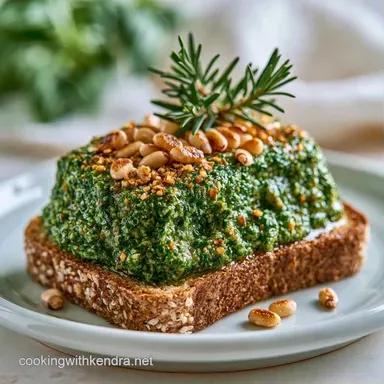
Easy Fresh Basil Pesto
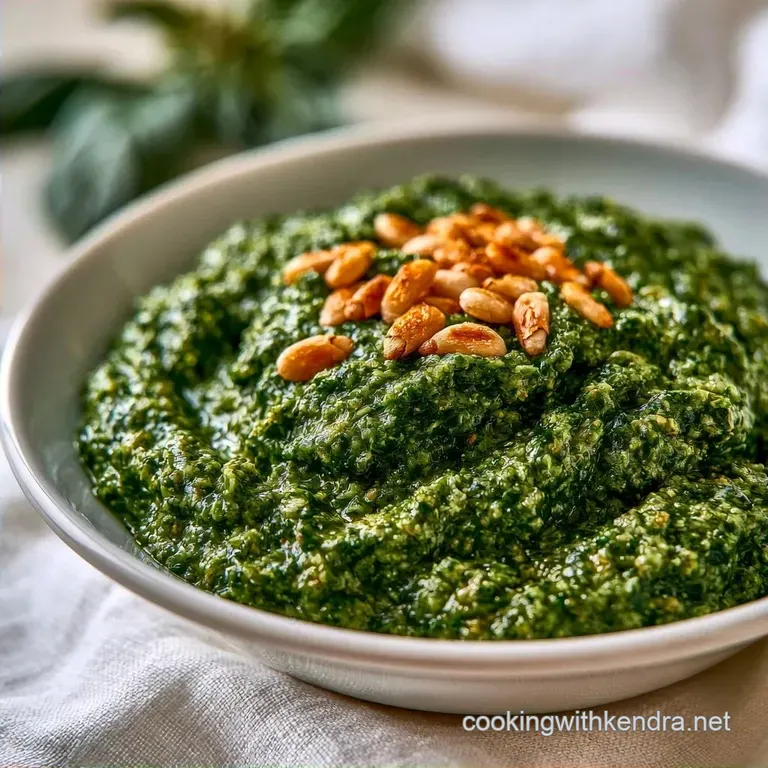
- Time: 10 min active + 2 min cook
- Flavor/Texture Hook: Bright, nutty, and slightly coarse
- Perfect for: Busy weeknight dinners or quick meal prep
Simple and Fresh Basil Pesto
The smell of toasted pine nuts hitting a hot pan is one of my favorite things in the kitchen. It’s that specific, nutty aroma that tells me dinner is actually going to be good tonight.
I usually whip this up on Friday nights when the kids are running wild and I need something that tastes fancy but takes almost zero effort.
Honestly, I used to buy the jarred stuff because I thought fresh herbs were too finicky. But once you taste the difference between a preserved sauce and a fresh one, there is no going back. This Basil Pesto is the kind of thing you make once and then find excuses to put it on everything in the fridge.
It's a budget friendly win too. You don't need expensive equipment or a professional kitchen to get that bright, vivid green color. We're keeping it simple, using a food processor, and focusing on the stuff that actually matters for the flavor.
Quick Recipe Specs
This recipe is all about speed. We aren't spending an hour massaging leaves or grinding by hand with a mortar and pestle. We're using a food processor to get the job done in minutes, which is the only way I can manage it with a family to feed.
The result is a sauce that feels high end but fits into a hectic schedule. It’s a great way to use up a bunch of basil that might otherwise wilt in the crisper drawer.
Why This Hits Home
I love this version because it doesn't try to be too precious. It's designed for a home cook who wants a result that tastes authentic but doesn't want to spend their entire evening in the kitchen.
- Nutty Depth
- Toasting the nuts first adds a layer of warmth that raw nuts just can't match.
- Bright Balance
- The lemon juice cuts through the heavy fat of the oil and cheese, keeping it from feeling too greasy.
- Rustic Texture
- By pulsing instead of blending, we keep a bit of a chop, so it's not just a smooth puree.
| Style | Texture | Prep Time | Best For |
|---|---|---|---|
| Fresh | Coarse/Bright | 12 mins | Immediate use, pasta, salads |
| Shortcut | Smooth/Dull | 2 mins | Sandwiches, quick dips |
Shopping List Guide
When you're heading to the store, don't let the price of pine nuts scare you. They can be pricey, but you only need a small amount. If your budget is tight, I've listed some great alternatives in the swap table below.
The basil is the star here. Look for the bunches that are bright green with no dark spots. If you see a "living basil" plant in a pot, grab that. It stays fresh much longer and you can just snip what you need.
What Each Ingredient Does
| Ingredient | What It Does | Best Swap |
|---|---|---|
| Fresh Basil | Provides the core herbal flavor | Baby spinach (mildly different) |
| Pine Nuts | Adds richness and a creamy base | Walnuts or Cashews |
| Parmesan | Adds salty, umami depth | Pecorino Romano |
| Olive Oil | Binds everything and carries flavor | Avocado oil (neutral) |
Tools You'll Need
You don't need a fancy gadget library for this. A standard food processor is the way to go, but a high powered blender works too. Just be careful not to over process it into a soup.
I also use a small skillet for the nuts. A non stick one is easiest, but any small pan will do as long as you keep the nuts moving so they don't burn.
How to Make It
Right then, let's crack on with the actual cooking. The trick here is managing the heat and the speed of your processor to keep the colors bright.
- Place the pine nuts in a small skillet over medium low heat. Stir constantly for 2-3 minutes until they are fragrant and golden brown, then immediately remove from heat.
- Add the toasted pine nuts, garlic, and salt to the food processor. Pulse several times until the mixture looks like a coarse, sandy paste.
- Add the fresh basil leaves and lemon juice. Pulse in short bursts 5 to 10 times until the leaves are finely chopped, maintaining a slight rustic texture.
- While the processor is running on low, slowly drizzle in the extra virgin olive oil in a steady stream. Note: This prevents the sauce from separating.
- Stop the processor and stir in the grated Parmesan cheese by hand or pulse once more to combine.
Chef's Note: If you want an even brighter green, you can briefly dip your basil leaves in boiling water for 5 seconds and then shock them in ice water. It stops the enzymes from browning.
Fixes for Common Problems
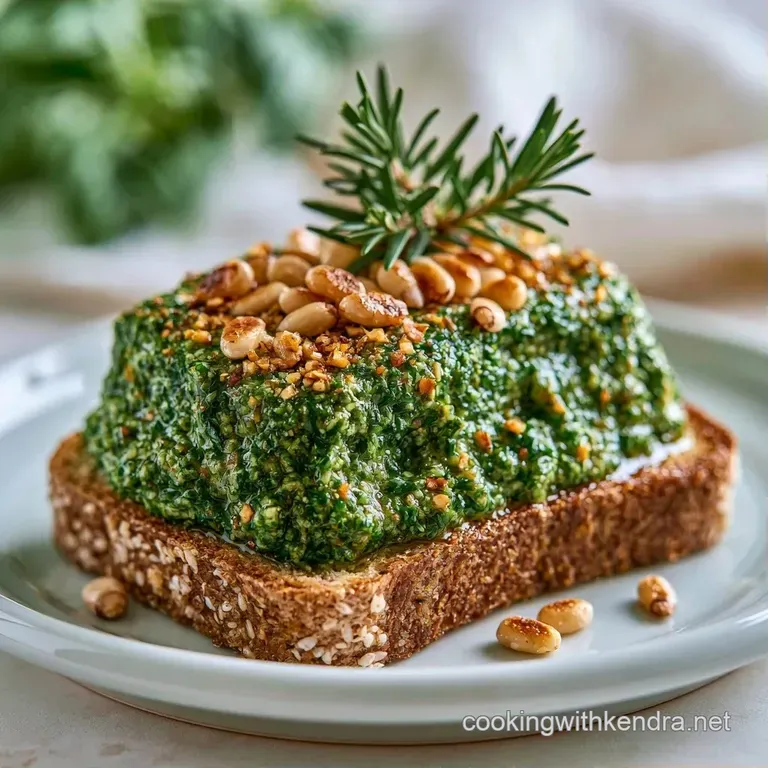
Even with a simple recipe, things can go sideways. The most common issue I see is the sauce turning a weird shade of brown instead of that vibrant green we all want.
Troubleshooting Common Issues
| Issue | Solution |
|---|---|
| Why Your Sauce Browned | This usually happens because of oxidation. When the basil cells break, they hit the air and turn brown. |
| Why the Oil Separated | If you dump the oil in all at once, it won't bond with the solids. You need to drizzle it slowly while the motor is running to create a stable mix. |
| Why It Tastes Bitter | This is almost always the garlic. If you over process the garlic or if the garlic was old, it can leave a sharp, bitter aftertaste. |
Swapping Ingredients
I'm all about budget smart cooking. Pine nuts are a luxury, but you can get a similar vibe with other nuts. Walnuts are my go to for a cheaper version; they have a bit more bitterness but a great crunch.
If you're looking for something different, maybe a high protein meal, this pairs great with a Cottage Cheese Alfredo as a side or a swirl in for extra creaminess.
| Original Ingredient | Substitute | Why It Works |
|---|---|---|
| Pine Nuts (1/3 cup) | Walnuts (1/3 cup) | Similar fat content. Note: Earthier, slightly more bitter flavor |
| Parmesan (1/2 cup) | Nutritional Yeast (1/4 cup) | Salty, cheesy flavor. Note: Makes it vegan friendly |
| Lemon Juice (1 tbsp) | White Wine Vinegar (1 tbsp) | Provides the necessary acidity to brighten the basil |
Keeping It Fresh
Fresh Basil Pesto doesn't last forever because the oil and herbs can oxidize. To keep the color, I always pour a thin layer of olive oil over the top of the jar before putting the lid on. This seals out the air.
According to tips on Serious Eats, keeping the sauce cold and avoiding heat is the best way to prevent that brown tint.
Storage Guidelines Store in an airtight glass jar in the fridge for up to 5 days. If you need it to last longer, freeze it in ice cube trays. Once frozen, pop the cubes into a freezer bag; they'll stay good for 3 months.
Zero Waste Tips Don't toss those basil stems! They have a ton of flavor. I throw mine into a simmering pot of pasta water or a homemade vegetable stock to add an herbal note.
Best Ways to Serve
This is where you can get creative. While pasta is the classic choice, I love using it as a spread. It's brilliant on a toasted sandwich with fresh mozzarella and tomato.
If you're hosting a small get together, try spreading it over a Homemade Flatbread Pizza Crust before adding toppings. It's a much more interesting base than standard red sauce.
Decision Shortcut If you want a light lunch, toss it with cold pasta and cherry tomatoes. If you want a hearty dinner, swirl it into a creamy polenta or risotto. If you're in a rush, use it as a dip for raw carrots and cucumber.
Pesto Myths
Searing the garlic in oil first "locks in" the flavor. Not really. It just changes the taste from sharp to sweet. For this recipe, raw garlic gives that classic punch.
Some people think you must use a mortar and pestle for an "authentic" taste. While it changes the texture slightly, a food processor is perfectly fine for home cooking. The difference isn't worth the arm workout on a Tuesday night.
Scaling Tips
Scaling Down To make a half batch, just halve everything. Use a smaller food processor if you have one, otherwise, the blades might just spin the ingredients around without actually chopping them.
Scaling Up If you're making a double or triple batch for a party, don't just triple the salt. Start with 1.5x the salt and pepper, then taste it at the end. Liquid ratios stay the same, but work in batches so you don't overheat the motor.
Recipe FAQs
How to make a quick basil pesto?
Pulse pine nuts, garlic, and salt in a food processor until sandy. Add basil and lemon juice, pulsing briefly, then slowly drizzle in olive oil while running on low before stirring in Parmesan.
Does basil need to be completely dry before making pesto?
Yes, dry leaves are essential. Excess moisture prevents the olive oil from emulsifying properly and can dilute the concentrated flavor.
What is the secret to a good pesto?
Toast the pine nuts first. Stirring them over medium low heat for 2 3 minutes until golden unlocks the fragrance and depth needed for a professional taste.
Is it true that pesto browns because it's overcooked?
No, this is a common misconception. Browning occurs due to oxidation when basil cells break and react with the air.
How to stop the oil from separating in the sauce?
Drizzle the olive oil in a slow, steady stream while the processor is running on low. This creates a stable emulsion and prevents the sauce from breaking.
Why does my pesto taste bitter?
Over processing the garlic is the primary cause. Processing the cloves too long or using old garlic creates a sharp, unpleasant aftertaste.
What are some good ways to use fresh basil when cooking?
Use it as a fresh topping for savory dishes. It adds a bright contrast to an authentic Neapolitan Pizza or a hearty pasta.
Basil Pesto in 12 Minutes