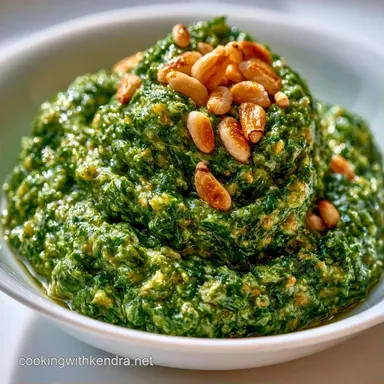
Simple Basil Pesto Recipe in 5 Minutes
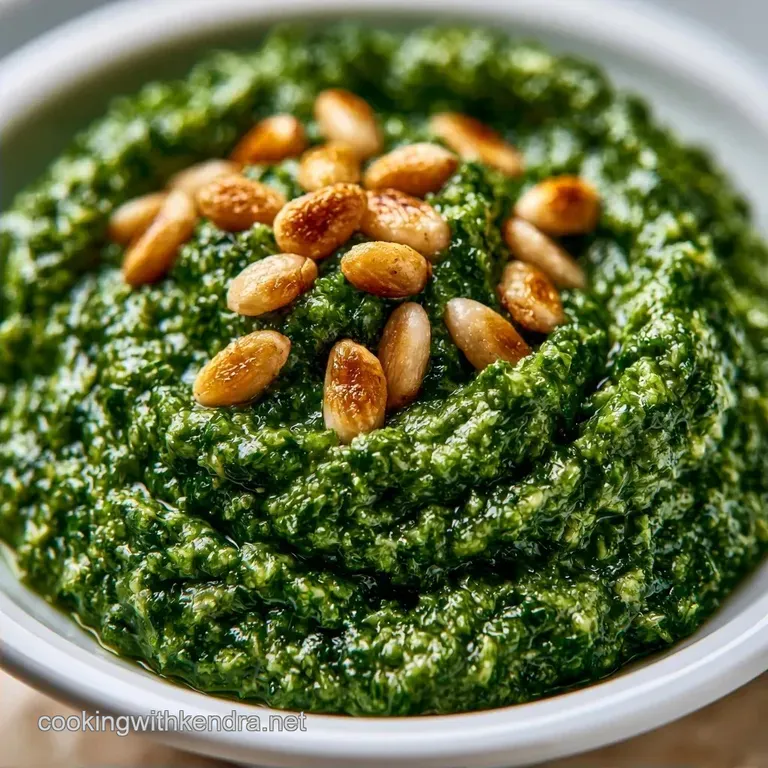
- Time: 5 min active + 0 min chilling
- Flavor/Texture Hook: Bright, nutty, and glossy
- Perfect for: Busy weeknight dinners or meal prep
The smell of fresh basil hitting a food processor is one of those things that just makes a kitchen feel alive. I remember the first time I tried making this for a family dinner, I just threw everything in at once and blended it on high.
I ended up with a weird, warm, dark green paste that tasted more like cooked spinach than fresh herbs. It was a total letdown.
I spent a while figuring out that the heat from the blades is the enemy. You have to work in stages to keep those greens vivid. Now, this is my go to when I have twenty minutes to get dinner on the table and zero energy for complex prep.
This Simple Basil Pesto Recipe is all about speed and smart swaps. You don't need fancy equipment or expensive nuts to get a result that tastes fresh. It's a quick win that works as a pasta sauce, a sandwich spread, or a dip for crusty bread.
Simple Basil Pesto Recipe Basics
Right then, let's get into why this specific method actually works for a home cook. Most people over process their pesto, which breaks the oil and ruins the texture. By pulsing the nuts and garlic first, you create a gritty base that protects the basil leaves from being pulverized.
The lemon juice isn't just for tang. The acid helps keep the chlorophyll in the basil stable, which prevents that dreaded brown color. According to Serious Eats, the acid and the oil together create a barrier that slows down oxidation.
The Acid Fat Balance: Lemon juice prevents oxidation while olive oil coats the leaves to lock in color. This keeps the sauce bright green for longer.
| Method | Time | Texture | Best For |
|---|---|---|---|
| Food Processor | 5 mins | Smooth/Consistent | Weeknight meals |
| Mortar & Pestle | 20 mins | Chunky/Rustic | Traditional taste |
Quick Recipe Specs
When you're in a rush, you need to know exactly where you stand. This recipe is designed for the busy parent or the tired professional who still wants something that tastes homemade.
Precision Checkpoints:
- Garlic: Smash 2 cloves until they are a paste.
- Basil: Pulse exactly 5 to 8 times.
- Oil: Drizzle in a slow, steady stream.
Decision Shortcut:
- If you want a thicker dip, use less olive oil.
- If you want a smoother sauce, pulse the nuts longer.
- If you want more zing, add an extra teaspoon of lemon juice.
The Ingredient List
I've kept this list tight. You can find most of this at any local grocery store, and you don't need to spend a fortune on the premium stuff to make it taste great.
- 2 cups (50g) fresh basil leaves, packed Why this? Provides the core peppery, sweet flavor
- 1 tbsp (15ml) fresh lemon juice Why this? Keeps color bright and cuts through fat
- 1/3 cup (45g) pine nuts Why this? Classic buttery, resinous taste
- 2 cloves (6g) garlic, peeled and smashed Why this? Adds a sharp, aromatic bite
- 1/2 cup (120ml) extra virgin olive oil Why this? Emulsifies the sauce and adds richness
- 1/2 cup (50g) freshly grated Parmesan cheese Why this? Provides salty, umami depth
- 1/4 tsp (1.5g) sea salt
- 1/8 tsp (0.1g) cracked black pepper
What Each Ingredient Does
| Ingredient | What It Does | Best Swap |
|---|---|---|
| Pine Nuts | Adds creaminess | Walnuts or Almonds |
| Parmesan | Salt and Body | Pecorino or Nutritional Yeast |
| Basil | Main Flavor | Spinach or Kale |
| Lemon Juice | Brightness | White Wine Vinegar |
Tools You'll Need
You don't need a professional kitchen for this. A basic food processor does the heavy lifting here. If you don't have one, a high speed blender works, but you have to be extra careful not to over blend.
I usually use a small 4 cup processor such as a Cuisinart. If you use a massive blender, the ingredients might just stick to the sides, and you'll spend more time scraping the walls than actually mixing. A rubber spatula is a must for getting every last bit of sauce out of the bowl.
Making the Pesto
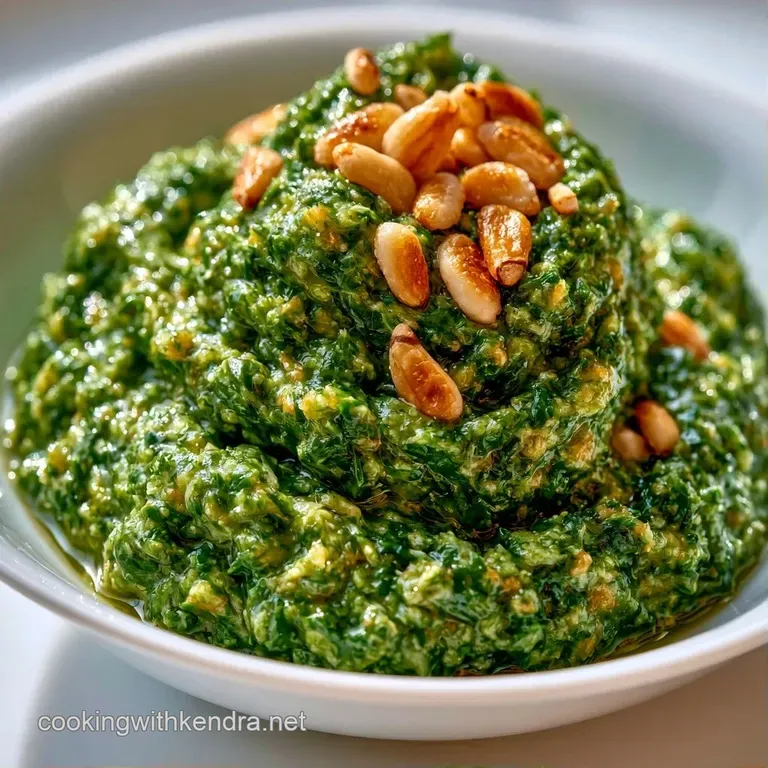
Follow these steps exactly. The order matters because we're trying to avoid heating up the basil with the friction of the blades.
- Place the toasted nuts and smashed garlic cloves into the food processor. Pulse several times until the mixture is coarsely chopped.
- Add the fresh basil leaves and lemon juice. Pulse in short bursts, roughly 5 to 8 times, until the leaves are finely chopped. Note: Don't over process here or the basil will turn into a paste.
- While the processor is running on low, slowly drizzle in the extra virgin olive oil in a steady stream until the sauce is velvety and cohesive.
- Stop the motor and stir in the grated Parmesan, salt, and pepper by hand or one final quick pulse. Note: Stirring by hand keeps the cheese from disappearing into the sauce.
Chef's Tip: Toast your pine nuts in a dry pan for 3 minutes until they smell like popcorn. It adds a depth of flavor that raw nuts just can't match.
Troubleshooting the Texture
Even with a Simple Basil Pesto Recipe, things can go sideways. Most of the time, it's a matter of temperature or timing.
| Issue | Solution |
|---|---|
| Why Your Pesto Turned Brown | This usually happens because of oxidation or heat. If the food processor blades run too long, they warm up the basil. |
| Why is the Texture Grainy | Graininess usually comes from the cheese or the nuts. If you use pre shredded cheese from a bag, the cellulose coatings stop it from melting into the oil. Always grate your own Parmesan. |
| Pesto Oily | This happens when the oil isn't emulsified. If you dump the oil in all at once instead of drizzling it, the fat separates from the solids. Quick Fix Table |
Swaps and Variations
One of the things I love about this recipe is how flexible it is. You don't have to stick to the "authentic" route if your budget is tight or you have allergies.
The Nut Free Version You can replace pine nuts with toasted sunflower seeds or pumpkin seeds. They provide a similar earthiness and a great crunch without the high cost of pine nuts.
The budget friendly Twist Walnuts are a fantastic substitute for pine nuts. They are cheaper and have a slightly more bitter edge that pairs well with the salty cheese. If you're looking for other creamy pasta ideas, you might like my Cottage Cheese Alfredo, which is another great budget friendly option.
The Vegan Route Swap the Parmesan for nutritional yeast and a pinch of extra salt. It gives you that same nutty, cheesy vibe without the dairy.
| Original Ingredient | Substitute | Why It Works |
|---|---|---|
| Pine Nuts (1/3 cup) | Walnuts (1/3 cup) | Similar fat content; Note: Adds a slightly bolder, bitter flavor |
| Parmesan (1/2 cup) | Nutritional Yeast (1/3 cup) | Savory, cheesy flavor; Note: Less salty than cheese |
| Basil (2 cups) | Baby Spinach (2 cups) | Similar color and texture; Note: Much milder flavor |
Storage and Waste Tips
Pesto is great for meal prep, but it's finicky. Once you've made your Simple Basil Pesto Recipe, you want to protect it from the air.
Fridge Storage Put the pesto in a jar and smooth the top. Pour a thin layer of olive oil over the surface before sealing the lid. This oil seal blocks oxygen and keeps the green color vivid. It stays fresh for about 5 to 7 days.
Freezing Method I love freezing pesto in ice cube trays. Once the cubes are frozen, pop them into a freezer bag. You can drop a single cube into a hot pan of pasta for a quick meal. They last up to 6 months.
Zero Waste Ideas Don't throw away the basil stems. They have a ton of flavor. Toss them into a freezer bag with some onion scraps and garlic peels to make a quick vegetable broth later.
Ways to Serve It
This isn't just for pasta. I use this stuff everywhere. It's a great way to make a boring sandwich feel like something from a cafe.
The Classic Pairing Toss it with trofie or linguine. Add a splash of the salty pasta water to the bowl before mixing in the pesto. This thins the sauce and helps it cling to the noodles.
The Flatbread Base Use it as a spread for a Flatbread Pizza for 4 recipe. Top it with fresh mozzarella and cherry tomatoes for a bright, summer style pie.
The Protein Boost Stir a spoonful into grilled chicken or roast salmon. It acts as both a marinade and a sauce, keeping the meat moist.
Why This Works
Right then, let's wrap up with a bit of the "how." This Simple Basil Pesto Recipe works because it respects the volatility of fresh herbs. By using a cold processing approach, we keep the flavors sharp.
The Cold Processing Method Pulsing instead of blending prevents the blades from heating the oil. This ensures the basil tastes fresh and peppery rather than cooked.
The Emulsion Sequence Adding the oil last and slowly creates a stable emulsion. This prevents the sauce from separating on the plate, giving you a consistent texture in every bite.
Common Pesto Myths You might hear that you have to blanch the basil first. While that keeps it green forever, it kills the fresh, raw punch of the herb. I prefer the natural taste over a perfect color.
Another myth is that you need a mortar and pestle for "real" pesto. While it's a fun tradition, a food processor is just as good for a family meal on a Tuesday night. Trust me on this, your arms will thank you.
Recipe FAQs
How to make a simple pesto?
Pulse toasted pine nuts and garlic, then add basil and lemon juice. Drizzle in olive oil while the motor runs on low, then stir in Parmesan, salt, and pepper by hand.
What are the essential ingredients for this basil pesto?
Fresh basil, pine nuts, garlic, Parmesan, lemon juice, and extra virgin olive oil. Season it with sea salt and cracked black pepper for a balanced flavor.
Does basil need to be perfectly dry before making pesto?
Yes, pat the leaves dry. Excess moisture prevents the olive oil from emulsifying properly and can make the sauce watery.
Is it true that pesto always turns brown quickly?
No, this is a common misconception. You can prevent oxidation by pouring a thin layer of olive oil over the surface of the pesto before sealing the jar.
Why is my pesto texture grainy?
Avoid using pre-shredded cheese. These products often contain cellulose coatings that stop the cheese from blending smoothly into the oil.
What is the best way to store leftover pesto?
Freeze it in ice cube trays. Once frozen, transfer the cubes to a freezer bag to easily portion the sauce into hot pasta later.
What are the best ways to use fresh pesto?
Spread it on sandwiches or toss it with roasted vegetables. If you enjoyed balancing these bold Italian flavors, see how the same profile works in a classic Italian grinder sandwich.
Simple Basil Pesto Recipe in 5 Minutes