St Patrick's Day Potato Skin with Irish Cheddar
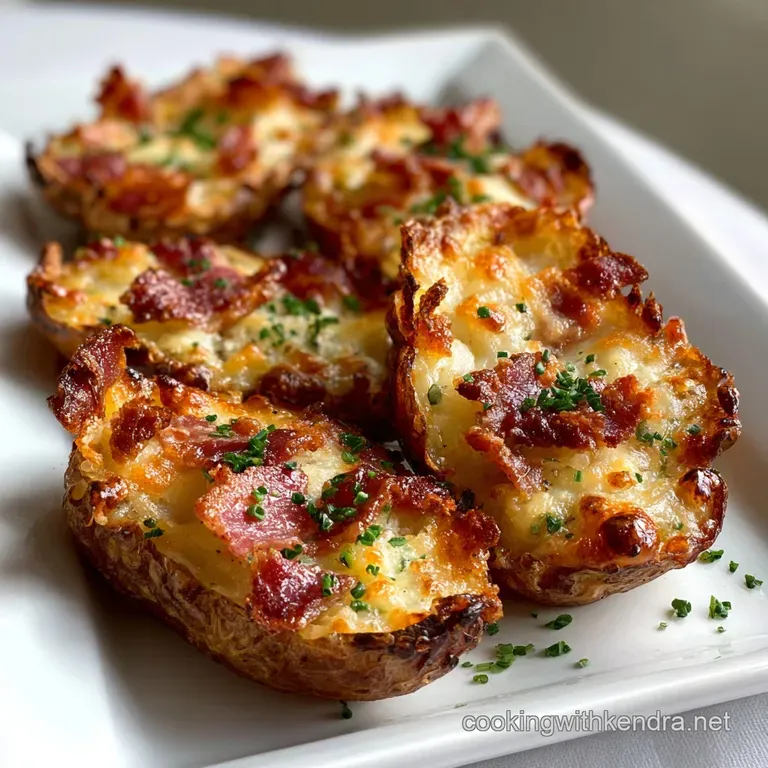
- Time: Active 15 minutes, Passive 30 minutes, Total 45 minutes
- Flavor/Texture Hook: Shatteringly crispy exterior with velvety melted cheddar and smoky saltiness
- Perfect for: Festive St. Patrick's Day gatherings or busy weeknight comfort snacks
- St Patrick s Day Potato Skin with Irish Cheddar
- Science Behind the Golden Potato Crunch
- Essential Shopping List for Irish Toppings
- Pro Kitchen Gear for Best Results
- Mastering the Three Phase Cooking Flow
- Fixes for Common Potato Skin Problems
- Simple Swaps for All Dietary Needs
- Smart Prep for Holiday Crowd Feeding
- Finishing Touches for Better Food Presentation
- Recipe FAQs
- 📝 Recipe Card
Imagine the sound of a potato skin giving way with a distinct, audible shatter as you take that first bite. There is something incredibly satisfying about the contrast between a salty, oil brushed crust and the velvety, molten layer of sharp cheese resting inside. Discover a fantastic recipe for St.
Patrick's Day Potato Skins with Irish Cheddar and Bacon!
I used to struggle with soggy, leathery skins that felt more like a chore to chew than a treat to eat. After years of testing different oven temps and potato varieties, I realized the secret is all about moisture management and choosing the right fat.
We aren't just reheating a potato, we are essentially frying the skin in the oven while the cheese creates a savory seal.
This version levels up the classic pub grub by using authentic Irish ingredients that bring a deeper, grassier flavor to the table. Whether you are hosting a crowd for the holiday or just want a really solid snack for a Friday night, these steps will ensure you never settle for a limp potato again.
Trust me on this, once you try the over high heat oil brush method, you will never go back to the microwave.
St Patrick s Day Potato Skin with Irish Cheddar
Starch Gelatinization Phase
Starch Expansion: Russet potatoes contain high levels of amylose starch that expands and separates when heated, creating a fluffy interior and a porous skin. This porosity is exactly what allows the oil to penetrate the surface for a deep, fried like crunch.
The Maillard Reaction
Protein Browning: The amino acids in the thick cut bacon and the sugars in the potato skin react under intense heat to create hundreds of different flavor compounds. This process, known as the Maillard reaction, is responsible for that mahogany color and the savory, toasted aroma we crave.
Emulsification Stability
Fat Suspension: Sharp Irish cheddar has a higher fat to protein ratio than standard mild cheddars, which allows it to melt into a silky pool without breaking into a grainy mess. The aged proteins provide structure, while the fats create a velvety mouthfeel that coats the tongue.
Moisture Evaporation
Surface Dehydration: Brushing the skins with a high smoke point oil like avocado oil allows the surface temperature to exceed the boiling point of water. This rapidly evaporates lingering moisture from the potato skin, ensuring the final result is crispy rather than steamed.
| Component | Science Role | Pro Secret |
|---|---|---|
| Russet Potato | High amylose starch provides a dry, flaky structure | Prick deeply with a fork to allow steam to escape the core |
| Irish Cheddar | Grass fed fats offer a lower melting point and richer color | Grate your own from a block of Kerrygold to avoid anti clumping wood pulp |
| Avocado Oil | High smoke point (520°F) prevents acrid, burnt flavors | Brush the interior and exterior to fry the skin from both sides |
| Thick cut Bacon | Rendered lard seasons the potato during the second bake | Start bacon in a cold Lodge cast iron pan for maximum fat rendering |
Science Behind the Golden Potato Crunch
When we talk about the best appetizers, texture is king. The reason this specific St Patrick s Day Potato Skin with Irish Cheddar works so well is the science of surface area. By scooping out the flesh, we increase the surface area exposed to the dry heat of your oven. If you leave too much potato inside, the moisture from the flesh migrates to the skin, leading to that dreaded sogginess. Similar to the crisping technique used in our Crispy Skin Roast recipe, the oil acts as a heat conductor, ensuring every nook and cranny of the skin reaches "frying" temperatures.
The choice of Irish cheddar is not just about the holiday theme, it is about the fat. Grass fed cows produce milk with a different fatty acid profile, which translates to a cheese that melts more fluidly.
When you combine this with the salty, smoky grease from thick cut bacon, you create a flavor profile that hits every savory note on your palate.
Chef's Note: For the absolute crispest skins, I like to freeze the potato shells for about 10 minutes after scooping. This dries out the surface starch even further before they hit the hot oil.
Essential Shopping List for Irish Toppings
- 2.5 lbs Russet Potatoes: Look for medium sized ones that feel heavy for their size. Why this? Russets have the thickest skin and highest starch for maximum crunch.
- 2 tbsp Avocado Oil: Or Grapeseed oil. Why this? High smoke point ensures the oil doesn't burn at 425°F.
- 1 tsp Diamond Crystal Flaky Sea Salt: For that crunch. Why this? Large flakes provide pops of salt without over seasoning the whole dish.
- 6 oz Kerrygold Sharp Irish Cheddar: Shredded. Why this? Grass fed dairy offers a distinct tangy depth and superior melt.
- 6 strips Thick cut Bacon: Cooked until very crisp. Why this? It holds its texture better against the melted cheese than thin strips.
- 1/4 cup Sour Cream: Full fat is best here. Why this? Provides a cool, acidic contrast to the heavy fats in the cheese and bacon.
- 2 tbsp Fresh Chives: Finely minced. Why this? Adds a bright, oniony finish that cuts through the richness.
| Original Ingredient | Substitute | Why It Works |
|---|---|---|
| Irish Cheddar | Sharp White Cheddar | Similar tang. Note: Lacks the specific grassy notes of Irish varieties |
| Avocado Oil | Ghee (Clarified Butter) | High smoke point with a nutty flavor. Note: Heavier than oil |
| Sour Cream | Greek Yogurt (Plain) | Similar acidity and thickness. Note: Slightly more protein forward flavor |
| Bacon | Smoked Tempeh | Provides smokiness and crunch. Note: Lacks the animal fat rendering |
Pro Kitchen Gear for Best Results
Having the right tools makes the difference between a kitchen disaster and a seamless cooking experience. I always reach for my Lodge cast iron skillet to render the bacon because the heat retention is unmatched. For the potatoes, a sturdy half sheet pan is essential.
You want something that won't warp in a hot oven, as an uneven surface leads to uneven browning.
I also recommend using a box grater for the cheese rather than buying the pre shredded bags. Pre shredded cheese is coated in potato starch or cellulose to prevent sticking, which ruins the melt.
For scooping the potatoes, a simple melon baller or a small metal measuring spoon gives you much more control than a regular dinner spoon, helping you avoid tearing the delicate skins.
| Feature | Fresh Potatoes | Frozen Shortcut |
|---|---|---|
| Texture | Shatteringly crisp and light | Often chewy or leathery |
| Flavor | Earthy and customizable | Usually over salted with a chemical aftertaste |
| Prep Time | 45 minutes total | 15 minutes total |
Mastering the Three Phase Cooking Flow
1. The Foundation
Scrub the 2.5 lbs Russet Potatoes thoroughly to remove any grit. Note: Clean skins are essential since we are eating the whole thing.
2. The Initial Bake
Prick each potato several times with a fork. Note: This prevents steam pressure from exploding the potato.
3. The Soften Phase
Place potatoes directly on the oven rack at 400°F and bake for 45 minutes until the skin is wrinkled and the center is soft.
4. The Slicing Step
Remove potatoes and let them cool for 5 minutes until you can handle them. Cut each potato in half lengthwise.
5. The Scooping Phase
Use a small spoon to scoop out the flesh, leaving about a 1/4 inch border of potato. Note: Leaving a thin layer provides structural integrity.
6. The Oil Coating
Increase oven heat to 425°F. Brush both the inside and outside of the skins with 2 tbsp Avocado Oil.
7. The Seasoning Step
Sprinkle the 1 tsp Flaky Sea Salt evenly over the oiled skins. Note: Salt sticks better to the oil than to dry skin.
8. The Crisping Phase
Place skins cut side down on a baking sheet and roast for 10 minutes until the edges are golden and starting to bubble.
9. The Loading Phase
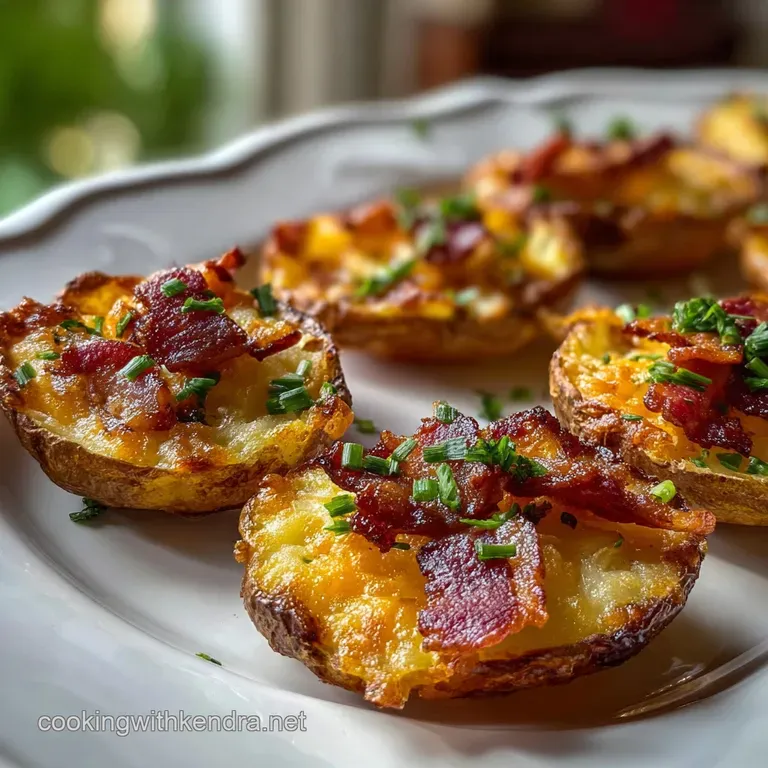
Flip the skins over and fill each with the 6 oz shredded Irish Cheddar and crumbled bacon strips.
10. The Melting & Garnish Phase
Bake for another 5 minutes until the cheese is molten and sizzling. Top with 1/4 cup sour cream and 2 tbsp fresh chives before serving.
Fixes for Common Potato Skin Problems
One mistake I once made was skipping the oil on the inside of the skin. I thought the cheese would provide enough fat, but I ended up with a bottom that was crispy and a top that was dry and bland. You really need that oil barrier to create the "fried" effect on both sides.
If you find your skins are tearing, you might be scooping while they are still too hot. Let them rest! The steam needs to settle slightly so the flesh pulls away from the skin more cleanly.
My Potato Skins are Soggy
If your skins aren't crunching, it is usually a moisture issue. This often happens if the potatoes were steamed in foil during the first bake. Always bake them "naked" on the rack to let moisture escape. This is a similar concept to the moisture control needed in my Twice Baked Potatoes recipe, where we want a dry interior to soak up the fats later.
The Cheese is Oily and Separated
This usually happens with "extra sharp" cheddars that have been aged so long their protein structure is weak. If the cheese breaks, it means the oven was too hot or the cheese was pre shredded. Try using a "sharp" rather than "extra sharp" for a better melt to flavor ratio.
| Problem | Root Cause | Solution |
|---|---|---|
| Skins are leathery | Overbaking at a low temperature | Increase heat to 425°F for a shorter, intense second bake |
| Potato flesh is gummy | Underbaked during the first phase | Ensure a fork slides into the center with zero resistance |
| Bacon is soft | Not rendered enough before topping | Cook bacon until totally crisp before adding to the skins |
Simple Swaps for All Dietary Needs
If you are cooking for a crowd with different needs, this recipe is surprisingly flexible. For a vegetarian version, swap the bacon for smoked paprika roasted chickpeas or a drizzle of balsamic glaze to hit those savory notes.
If you need to go dairy-free, use a cashew based "cheddar" sauce, though keep in mind it won't have the same "shatter" factor as the real thing.
Scaling for a Crowd
- Cutting the recipe in half: Use a smaller toaster oven if possible to maintain heat density, and reduce the initial bake time by 5 minutes since smaller loads heat faster.
- Doubling for a party: Work in batches for the final crisping phase. If you crowd the pan, the potatoes will steam each other, and you will lose that crunch. Keep the first batch warm in a 200°F oven on a wire rack while the second batch finishes.
- Baking at scale: If you are making 20+ skins, lower the temp to 400°F and extend the time by 10 minutes to ensure even heat distribution across multiple pans.
If you want X, do Y
- If you want maximum crunch: Freeze the hollowed shells for 15 minutes before the second oil brushed bake.
- If you want a spicy kick: Mix a teaspoon of canned chipotle adobo sauce into the sour cream before dolloping.
- If you want a meal: Fill the skins with leftover taco meat or shredded chicken before adding the Irish cheddar.
Smart Prep for Holiday Crowd Feeding
Myth: Searing or pricking potatoes doesn't matter
Actually, pricking the potatoes is vital. While it is rare, potatoes can explode in the oven if steam cannot escape the skin. More importantly, those holes allow moisture to exit, which is the first step toward a crispy skin.
Myth: You must use butter for the best flavor
Honestly, don't even bother with butter for the initial crisping. Butter contains water and milk solids that burn at high temps. Stick to a high smoke point oil for the bake, then add the buttery flavor through the high-quality Irish cheddar.
Storage and Zero Waste
Keep leftovers in an airtight container in the fridge for up to 4 days. When reheating, avoid the microwave at all costs! It will turn your beautiful crispy skins into rubber. Instead, pop them back into a 400°F oven or an air fryer for 5 minutes to bring back the sizzle.
Zero Waste Tip: Don't throw away the potato flesh you scooped out! That is pure gold. Use it to make a quick batch of mashed potatoes, or thicken a leek and potato soup. You can even mix it with an egg and some flour to make quick gnocchi or potato pancakes for breakfast the next morning.
Finishing Touches for Better Food Presentation
When serving your St Patrick s Day Potato Skin with Irish Cheddar, remember that we eat with our eyes first. A heavy hand with the chives adds a pop of vibrant green that screams "spring" and "Ireland." I like to serve these on a wooden board rather than a ceramic plate, as the wood doesn't trap steam underneath the potatoes, which helps keep them crispy for the duration of the party.
If you are looking for a pairing, these go beautifully with a cold stout or even a crisp hard cider. The acidity in the cider cuts through the heavy fats of the Patrick's Day Potato Skin with Irish Cheddar and Bacon perfectly. For a full spread, you might even consider serving these alongside a Classic Irish Colcannon recipe to really lean into the potato theme.
Finally,, don't be afraid of a little "mess." A dollop of sour cream that's slightly off center or a few stray bits of bacon makes the dish look rustic and homemade. These are meant to be grabbed with hands and enjoyed with friends, so keep the vibe casual and the skins hot!
Even a simple Day Potato Skin with Irish Cheddar and Bacon feels like a feast when the textures are just right. Keep those skins thin, the oil hot, and the cheese Irish, and you'll have the best snack on the block.

Recipe FAQs
How do I prevent the potato skins from becoming soggy during baking?
Yes, moisture management is crucial. Always bake the potatoes naked (unwrapped) on the rack first so steam can escape; then, thoroughly brush the inside and outside of the scooped skins with oil before the final crisping bake.
What is the best potato variety for achieving a genuinely crispy skin?
Russet potatoes are best. They have a high starch and low moisture content, which yields a dry, flaky interior and the thickest skin structure needed to withstand the oil brushing and high heat.
Can I substitute the Irish Cheddar with another cheese?
Yes, but texture will change. Sharp white cheddar is the closest substitute, offering good tang, but grass fed Irish cheese melts more fluidly due to its fat profile. If you are looking for other techniques for achieving great texture, review how we manage fat in the Easy Cheesy Irish Soda Bread My NoFail Recipe.
Is it necessary to scoop out all the soft potato flesh?
No, leave about a quarter inch border. If you scoop too aggressively, you risk tearing the skin, compromising its structural integrity for holding the toppings.
What is the purpose of brushing the skins with oil before the second bake?
The oil promotes frying temperatures on the surface. Brushing the skin with a high smoke point oil allows the exterior temperature to rapidly rise above water's boiling point, efficiently evaporating surface moisture to ensure a deep, audible crunch.
How far in advance can I prepare the potato shells?
You can prepare them up to two days ahead. After baking and scooping the shells, place them in an airtight container in the refrigerator; just remember to brush them with oil right before returning them to the hot oven to crisp them up.
What should I serve alongside these skins for a full St. Patrick's Day meal?
Pair them with another hearty potato dish. These savory skins work wonderfully as an appetizer before a main course like My Familys Favorite Calcannon Recipe Irish Comfort Food for a truly potato centric Irish feast.
Irish Cheddar Potato Skins

Ingredients:
Instructions:
Nutrition Facts:
| Calories | 134 kcal |
|---|---|
| Protein | 5.2 g |
| Fat | 8.2 g |
| Carbs | 9.3 g |
| Fiber | 0.8 g |
| Sugar | 0.5 g |
| Sodium | 300 mg |
