Overnight French Toast Casserole
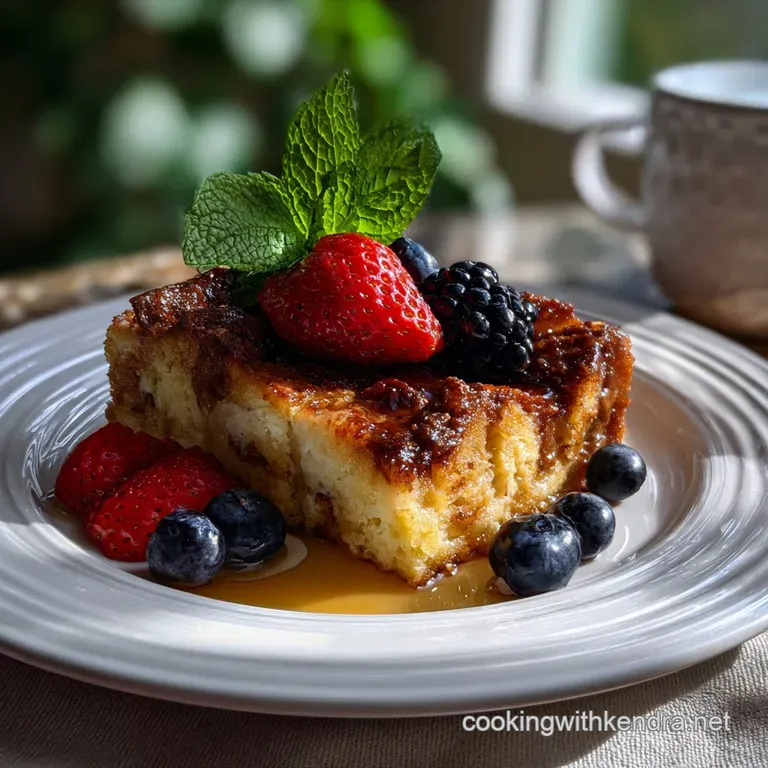
- Time: Active 15 minutes, Passive 8 hours, Total 1 hour
- Flavor/Texture Hook: Silky vanilla custard with a golden, crackling cinnamon sugar crust
- Perfect for: Stress free holiday mornings or hosting a large brunch crowd
- Unlock the Best Overnight French Toast Casserole Secrets
- The Science of Why it Works
- Essential Timing and Comparison Specs
- Component Analysis and Ingredient Deep Dive
- Sourcing the Best Ingredients for Your Morning Casserole
- Selecting Your Essential Kitchen Gear
- A Step-by-Step Flow for the Perfect Morning Bake
- Dealing with Common Casserole Challenges
- Adapting the Recipe for Different Crowds
- Debunking Morning Casserole Myths
- Storage Guidelines and Zero Waste Tips
- Elevating Your Presentation Strategy
- Recipe FAQs
- 📝 Recipe Card
Unlock the Best Overnight French Toast Casserole Secrets
Have you ever sat down for a holiday brunch, excited for a big slice of breakfast, only to realize the middle of your bake is basically lukewarm bread soup? I’ve been there. My first attempt at an overnight French toast casserole was a disaster, mostly because I used cheap sandwich bread and didn’t let it soak long enough.
It was a mushy mess that honestly broke my heart. But after years of tinkering with bread to custard ratios and testing every loaf under the sun, I finally cracked the code.
The secret isn't just about the recipe, it's about the physics of the soak. When you let the bread sit in the egg and cream mixture for hours, the liquid travels all the way to the center of each cube. Instead of having a dry interior and a wet exterior, the whole thing becomes a cohesive, pudding like delight.
It’s the kind of breakfast that makes everyone at the table go quiet because they’re too busy enjoying that first velvety bite.
We’re going to use brioche for this because its high butter content makes it sturdy enough to hold its shape while still feeling light. This isn't just a meal; it's a way to actually enjoy your morning without standing over a hot griddle for an hour.
Let’s get your prep sorted so you can wake up to the aroma of cinnamon and vanilla filling your home.
The Science of Why it Works
Protein Denaturation: The eggs in the custard uncoil and form a mesh like structure as they heat, trapping the milk and cream into a stable gel. Starch Gelatinization: The bread's starches absorb the liquid overnight, swelling and then setting during baking to create that distinct, bouncy texture.
Chef Tip
Toast your bread cubes: Even if your bread is slightly stale, pop the cubes in a 300°F oven for 10 minutes before soaking. This creates a "crust" on each individual piece that prevents them from collapsing into mush during the long soak.
Use Vanilla Bean Paste: Instead of standard extract, use paste. The tiny black flecks are gorgeous, and the flavor is much more intense, cutting through the richness of the heavy cream.
Essential Timing and Comparison Specs
Getting the timing right is the difference between a soggy center and a perfectly set custard. If you're in a rush, you might be tempted to skip the overnight wait, but the texture will suffer. For those mornings when you have a house full of people, like when you're making a Christmas Morning Breakfast recipe, planning your oven flow is everything.
| Method | Prep Time | Resulting Texture | Best For |
|---|---|---|---|
| Traditional Overnight | 8-12 hours soak | Velvety, uniform, bread pudding like | Holidays and big crowds |
| Quick Bake (1 Hour) | 15 mins soak | Firmer, bread heavy, less integrated | Last minute weekend brunch |
| Slow Cooker | 4 hours low | Extremely soft, moist, no crisp top | Keeping warm for hours |
When you choose the overnight method, you're allowing the flavors to meld in a way that just isn't possible in an hour. The cinnamon infuses deep into the crumb, and the sugar begins to dissolve into a syrup that coats every piece of brioche. It’s a classic for a reason.
Component Analysis and Ingredient Deep Dive
Every ingredient in this bake has a specific job to do. We aren't just throwing things together; we're building a structural masterpiece that needs to stand up to the heat of the oven.
| Ingredient | Science Role | Pro Secret |
|---|---|---|
| Brioche Bread | High fat structure provider | Use day old bread for 20% better liquid absorption. |
| Heavy Cream | Fat source for mouthfeel | Don't swap for milk alone or the custard will be watery. |
| Large Eggs | Binding and lift agent | Ensure they are room temp to emulsify perfectly with the milk. |
| Vanilla Bean Paste | Aromatic depth | Adds those beautiful "expensive" looking black flecks to the custard. |
The choice of bread is the most frequent mistake I see people make. Sourdough is great, but it can be a bit "chewy" for some. Challah is a fantastic second choice if you can't find brioche.
Just avoid anything that comes in a plastic bag from the bread aisle it lacks the structural integrity to handle the heavy cream.
Sourcing the Best Ingredients for Your Morning Casserole
To get that restaurant quality finish, you need to be picky about your elements. I always head to the local bakery for the bread because the density is much higher than what you find in the grocery store.
- 1 lb brioche bread, cut into 1 inch cubes: Why this? High egg and butter content creates the most luxurious, tender crumb.
- 2 tbsp unsalted butter, softened: Why this? Prevents sticking while adding a nutty, browned butter flavor to the base.
- 8 large eggs, room temperature: Why this? Provides the structural framework that lets the casserole rise.
- 2 cups whole milk: Why this? The base liquid for the custard. Use full fat for best results.
- 1 cup heavy cream: Why this? Adds the necessary fat for a silky, velvety mouthfeel.
- 1/2 cup granulated sugar: Why this? Sweetens the custard without making it cloying.
- 1 tbsp vanilla bean paste: Why this? Offers a more complex, floral aroma than standard extract.
- 1 tsp ground cinnamon: Why this? The essential warming spice that defines French toast.
- 1/4 tsp salt: Why this? Sharpens the sweetness and prevents the custard from tasting flat.
- 1/2 cup light brown sugar, packed
- Why this? Creates a molasses like caramelization on the top.
- 1/2 cup all purpose flour
- Why this? Gives the topping its "crumble" structure.
- 1 tsp ground cinnamon
- Why this? Reinforces the spice profile of the bake.
- 1/2 cup cold unsalted butter, cubed
- Why this? Essential for creating those distinct, crunchy bits of topping.
| Original Ingredient | Substitute | Why It Works |
|---|---|---|
| Brioche Bread | Challah | Similar egg rich dough. Note: Slightly less buttery but excellent structure. |
| Heavy Cream | Half and Half | Lower fat content. Note: Casserole will be slightly less rich and more firm. |
| Vanilla Bean Paste | Pure Vanilla Extract | Same flavor profile. Note: You will miss the visual flecks but the taste is 90% there. |
| Light Brown Sugar | Dark Brown Sugar | More molasses. Note: Adds a deeper, almost burnt sugar flavor to the topping. |
If you are looking for something a bit different, similar to the technique used in my How to Bake recipe, you can always add fruit layers, but for this classic version, we are sticking to the pure, buttery basics.
Selecting Your Essential Kitchen Gear
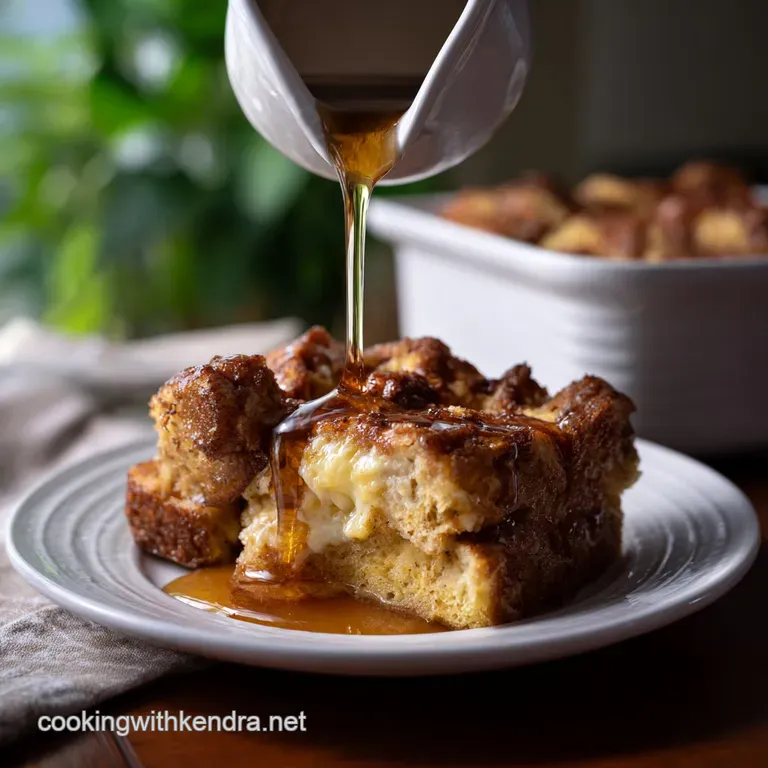
You don't need a professional kitchen, but a few specific tools will make your life much easier. The most important is the baking dish itself. A 9x13-inch glass or ceramic dish is the standard.
I prefer ceramic because it heats more evenly than glass, which can sometimes result in "hot spots" where the edges burn before the middle is set.
A large balloon whisk is also key. You want to really beat those eggs into the milk and cream until no streaks of yellow remain. If you leave bits of unmixed egg white, you'll end up with "scrambled egg" patches in your casserole, which is definitely not the vibe we're going for.
Finally,, get a good serrated knife for the bread. Tearing the bread can work, but clean 1 inch cubes look much more professional and ensure even cooking.
A step-by-step Flow for the Perfect Morning Bake
- Prep the dish. Grease your 9x13-inch baking dish with the 2 tbsp of softened butter. Note: This creates a non stick barrier and adds flavor.
- Cube the bread. Cut the 1 lb of brioche into uniform 1 inch cubes. Spread them evenly into the prepared baking dish.
- Whisk the eggs. In a large mixing bowl, beat the 8 large eggs until smooth.
- Create the custard. Add 2 cups milk, 1 cup heavy cream, 1/2 cup granulated sugar, 1 tbsp vanilla paste, 1 tsp cinnamon, and 1/4 tsp salt to the eggs. Whisk until completely combined and frothy.
- Soak the bread. Pour the custard mixture slowly over the bread cubes. Press down with a spatula until every cube is submerged.
- Refrigerate. Cover the dish tightly with plastic wrap and chill for at least 8 hours or overnight.
- Make the topping. In a small bowl, mix 1/2 cup brown sugar, 1/2 cup flour, and 1 tsp cinnamon. Cut in the 1/2 cup cold cubed butter until it looks like coarse crumbs.
- Preheat and top. Take the dish out of the fridge 30 mins before baking. Preheat oven to 350°F. Sprinkle the topping evenly over the soaked bread.
- Bake. Place in the oven for 45 minutes until the top is golden and the center is set but slightly jiggly.
- Rest. Let the casserole sit for 10 minutes before slicing. Note: This allows the custard to fully set so it doesn't fall apart.
Dealing with Common Casserole Challenges
The biggest fear with any French toast casserole is the texture. We want a contrast crunchy on top, velvety in the middle. If it’s too wet, you didn't bake it long enough or used too much liquid. If it's too dry, your bread cubes were likely too large or you used a low-fat milk substitute.
Managing the Soggy Center
If you pull your dish out and the middle looks like liquid, don't panic. This usually happens if the oven temperature is slightly off or if the dish was extremely cold when it went in. Tent the top with foil (to prevent the crust from burning) and give it another 10 to 15 minutes.
The internal temperature should be around 160°F for a safe, set custard.
| Problem | Root Cause | Solution |
|---|---|---|
| Soggy Bottom | Too much custard/not enough bread | Add 1 cup more bread or reduce milk by 1/4 cup next time. |
| Burnt Topping | Oven rack too high | Move to the center rack and tent with foil halfway through. |
| Dry Crumbs | Cubes didn't soak | Press bread down firmly after pouring custard to ensure saturation. |
Common Mistakes Checklist
- ✓ Never use fresh, soft white bread; it will dissolve into a paste.
- ✓ Don't skip the resting time after baking; it's crucial for the structural set.
- ✓ Always use cold butter for the topping; warm butter will just melt into a greasy layer.
- ✓ Ensure your baking dish is the correct size; a smaller dish will be too deep to cook through.
- ✓ Use room temperature eggs to ensure a smooth, emulsified custard base.
Adapting the Recipe for Different Crowds
If you’re cooking for a smaller family, you can easily halve this recipe. Use an 8x8-inch pan and reduce the baking time by about 10 minutes. When halving the eggs, if you end up with a "half egg" situation, just beat one egg in a cup and use half of the liquid by weight or volume.
For doubling, I highly recommend using two separate 9x13 dishes rather than one giant one. Large batches in deep pans often struggle to cook in the center before the edges become tough. If you're doubling the spices, only go to 1.5 times the original amount spices can become overwhelming when doubled perfectly. This is a trick I also use when making my Baked Penne Recipe for parties.
Debunking Morning Casserole Myths
One common myth is that you have to use stale bread. While it helps, the "Chef Tip" of toasting fresh bread in the oven is actually more effective. Toasting removes moisture while keeping the internal structure intact, whereas naturally staling bread can sometimes just make it tough.
Another misconception is that you need to flip the bread cubes halfway through the soak. This is unnecessary and actually breaks the bread down too much. If you've pressed the bread down well at the start, capillary action will draw the custard up through the bread cubes without any help from you.
Storage Guidelines and Zero Waste Tips
This casserole is actually fantastic the next day. The flavors continue to develop, and the texture stays quite firm.
- Fridge: Store leftovers in an airtight container for up to 4 days. Reheat in the oven at 350°F for 10 minutes to maintain the crisp top; microwaves will make it soft.
- Freezer: You can freeze the baked casserole for up to 2 months. Thaw in the fridge overnight before reheating. I don't recommend freezing the unbaked custard soaked bread, as the texture can become grainy.
- Zero Waste: If you have leftover brioche crusts or scraps from cubing, don't toss them! Toss them with a little melted butter and cinnamon sugar, bake them until crunchy, and use them as "croutons" for yogurt or ice cream.
Elevating Your Presentation Strategy
When it comes to serving, the "better than dining out" strategy is all about the toppings. While maple syrup is the classic choice, a dollop of mascarpone cheese or a drizzle of crème anglaise takes this to a whole new level.
I love serving this alongside something salty to balance the sweetness thick cut peppered bacon or a spicy breakfast sausage. If you want to go the extra mile, a fresh berry compote made with raspberries and a splash of lemon juice provides a bright acidity that cuts right through the rich, buttery custard. For more decadent dessert style bakes, you might even enjoy the profile of an Indulgent Bake French recipe later in the day!

Recipe FAQs
Can French toast be prepared the night before?
Yes, absolutely. Preparing it the night before is highly recommended as it allows the bread to fully soak up the custard, resulting in a richer, more uniform texture. This make-ahead aspect is what makes it perfect for stress free mornings.
Does French toast casserole have to soak overnight?
Ideally, yes, for the best texture. Soaking overnight ensures the custard fully penetrates the bread cubes, creating a velvety, pudding like consistency throughout. While a shorter soak is possible, it won't yield the same luxurious result.
What are common mistakes when making French toast casserole?
Using fresh, soft bread is a major mistake. This often leads to a mushy texture because it can't hold its shape. Also, not letting it soak long enough, using a dish that's too small, or improper oven temperature can all negatively impact the final bake.
Why is my French toast casserole soggy?
Likely due to insufficient baking time or too much liquid. Ensure the center is set and not jiggly; if it's still wet, tent it with foil and bake longer. Using bread that's too fine grained or not toasting it first can also contribute to sogginess, unlike a more robust bread suitable for techniques like in our Cook Easy Sourdough Bread in 80 Minutes.
What's the best bread to use for overnight French toast casserole?
Brioche or Challah are ideal. These enriched breads have a higher fat content and a sturdier structure that holds up well to the long soak without becoming mushy. Avoid standard sandwich bread as it will likely disintegrate.
How do I prevent the topping from burning?
Tent with foil halfway through baking. If you notice the topping browning too quickly before the center is set, loosely cover the dish with aluminum foil for the remainder of the bake. This protects the topping while allowing the custard to finish cooking.
Can I add fruit to my French toast casserole?
Yes, adding fruit is a delicious variation. Layer fresh or frozen berries, sliced apples, or peaches at the bottom of the dish before pouring in the custard. For a similar fruit forward approach, consider the technique used in our Chicken Broccoli Rice and Cheese Casserole: Scratch Sauce Comfort Bake, where fruit can sometimes play a role in balancing flavors.
Overnight French Toast Bake 2
Ingredients:
Instructions:
Nutrition Facts:
| Calories | 508 kcal |
|---|---|
| Protein | 11.4 g |
| Fat | 30.1 g |
| Carbs | 49.2 g |
| Fiber | 1.2 g |
| Sugar | 24.5 g |
| Sodium | 285 mg |
