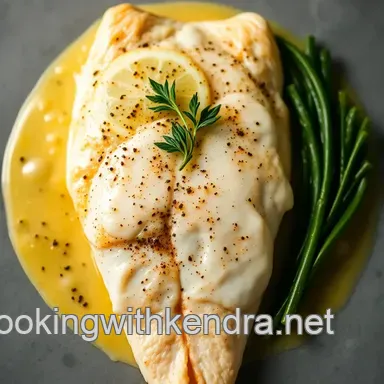
Crispy Lemon Caper Flounder

- Total15 Mins
- Servings4 fillets
- Calories395 kcal
- Time: 5 min active + 10 min cook
- Texture: Crispy exterior with flaky, tender fish
- Serve with: Steamed asparagus or wild rice
Once the oil begins to sizzle loudly, you know it's ready. This sound signals the start of a perfect sear, which provides the dish with its signature depth.
There is a common misconception that lean white fish requires poaching or steaming to maintain moisture. In reality, a light flour coating acts as a barrier against the pan's high heat, keeping the fillet juicy as it browns.
The appeal of this lemon caper flounder comes from the harmony of fat and acid. Zesty lemon and salty capers slice through the buttery sauce, ensuring the meal feels fresh and light.
Lemon Caper Flounder
- Flour Barrier: A light dusting of flour creates a protective layer that prevents the fish from overcooking too quickly.
- Cold Butter: Adding chilled butter pieces at the end helps create a smooth, stable sauce that is less likely to separate into oil.
- High Heat: Searing on medium-high ensures the fish browns in 2 to 3 minutes, leaving the center moist.
| Fillet Choice | Prep Effort | Texture Result | Best For |
|---|---|---|---|
| Fresh Fillets | Low | Very tender, clean flavor | Quick weeknight meals |
| Previously Frozen | Medium | Slightly firmer | Budget-friendly options |
At a Glance
| Ingredient | What It Does | Best Swap |
|---|---|---|
| All-purpose flour | Creates the crisp crust | Cornstarch (makes it crunchier) |
| Unsalted butter | Thicken and enrich the sauce | Ghee (adds nuttier flavor) |
| Capers | Adds salt and briny pops | Green olives (chopped) |
| Chicken broth | Deglazes the pan | Vegetable broth |
Ingredient Deep Dive
- 4 flounder fillets (6 oz / 170g each)
- 1/2 cup (65g) all-purpose flour
- 1 tsp (6g) salt
- 1/2 tsp (1g) black pepper
- 2 tbsp (30ml) extra virgin olive oil
- 4 tbsp (57g) cold, diced unsalted butter Why this? Cold butter is needed for a stable emulsion
- 4 cloves (12g) minced garlic
- 2 tbsp (30g) capers, drained
- 1/2 cup (120ml) chicken broth
- 2 tbsp (30ml) fresh lemon juice Why this? Fresh juice has more brightness than bottled
- 1 1/2 tsp (3g) lemon zest
- 1/4 tsp (1.5g) salt
- 2 tbsp (8g) chopped fresh parsley
Tools You'll Need
Minimal equipment is necessary. A wide pan made of stainless steel or cast iron is ideal for retaining heat and capturing the savory browned bits for the sauce. A fork or whisk works well for the butter, and a meat thermometer ensures the fish is cooked through safely.
Key Steps
1. Prep the fish
Blot the flounder fillets with paper towels until dry. Note: Surface moisture creates steam, which prevents the fish from browning. Sprinkle both sides with 1 tsp salt and 1/2 tsp black pepper.
2. Coat the fillets
Dust the fillets with 1/2 cup all-purpose flour, shaking off any excess to keep the coating thin and translucent.

3. Sear the fish
Warm 2 tbsp extra virgin olive oil in a wide pan over medium-high heat until shimmering. Gently add the fillets to the pan. Sear for 2–3 minutes per side without moving them until the exterior is rich brown and the internal temperature reaches 145°F (63°C).
Transfer the fish to a warm plate.

4. Sauté the garlic
Lower the heat to medium. Stir in 4 cloves minced garlic and sauté for 30 seconds until aromatic.
5. Simmer the sauce
Add 1/2 cup chicken broth and 2 tbsp fresh lemon juice, scraping the browned bits from the bottom of the pan. Mix in 2 tbsp drained capers, 1 1/2 tsp lemon zest, and 1/4 tsp salt. Simmer for 2 minutes to allow the liquid to reduce slightly.

6. Emulsify the butter
Switch to low heat. Whisk in 4 tbsp chilled, cubed butter one piece at a time until a velvety emulsion forms.
7. Finish and serve
Fold in 2 tbsp chopped fresh parsley. Drizzle the lemon butter caper sauce over the warm fillets.
Problems and Solutions
Flounder is quite thin, making it prone to overcooking. If the edges curl tightly or the texture becomes rubbery, it has been on the heat too long. You are aiming for opaque flesh that flakes apart easily.
Another frequent mistake is a broken sauce. This occurs when the heat is too high during the addition of butter, causing it to separate into a pool of oil rather than thickening the broth.
Fixing a Broken Sauce
If the sauce separates, take the pan off the heat immediately. Quickly beat in a teaspoon of cold water or a bit of chilled butter to emulsify the mixture.
Preventing Fish Breakage
Avoid flipping the fish too soon. Wait until a crust has developed and the fillets release easily from the pan. If they are still sticking, give them another 30 seconds.
| Problem | Fix |
|---|---|
| Sauce is too oily | Reduce heat and stir in cold butter slowly |
| Fish is sticking | Wait for a dark golden sear before flipping |
| Sauce is too sharp | Add a tiny pinch of sugar or more butter |
Make It Your Own
I like adding a pinch of paprika to the flour for a deeper color. If you want a different profile, you can swap the parsley for fresh dill or tarragon.
For those who enjoy a different style of white fish, this crispy lemon herb flounder approach works well too. You can also use sole or tilapia for this lemon caper flounder recipe, though you may need to adjust the cooking time based on the thickness of the fillet.
If you want a lighter version, replace half the butter with a splash of heavy cream, though the sauce will be richer and less zesty.
Storage Guidelines
Store cooked fillets and the sauce in separate containers in the fridge for up to 2 days. Do not freeze the cooked fish, as the texture becomes mushy.
To reheat, place the fish in a 300°F (150°C) oven for 5 minutes. Warm the sauce in a small pan over low heat. If the sauce has thickened too much in the fridge, stir in a teaspoon of water.
When reheating cooked leftovers, check with a food thermometer that the center reaches 165°F (74°C); the appliance temperature and time alone do not confirm this.
Serving Suggestions

This pan-seared flounder with lemon-caper sauce is best served immediately. It pairs well with a light side like sautéed spinach or a crisp cucumber salad. Because the sauce is so flavorful, a plain bed of basmati rice or quinoa helps soak up the extra butter.
Searing meat or fish does not seal in juices. The crust adds flavor and texture, but moisture loss happens regardless of the sear. The key to moist fish is simply not overcooking it past 145°F.
High in Sodium
1025 mg of sodium per serving (45% of daily value)
American Heart Association recommendation: no more than 2,300 mg of sodium per day
Tips to Reduce Sodium
-
Reduce Added Salt
Eliminate or significantly reduce the salt added to the flour dredge and the final sauce.
-
Switch the Broth
Replace the standard chicken broth with a low-sodium or no-sodium alternative.
-
Rinse the Capers
Thoroughly rinse the drained capers under cold running water to remove excess brining salt.
-
Maximize Citrus
Increase the lemon juice and zest to provide a bright, acidic punch that reduces the need for salt.
-
Boost Fresh Herbs
Increase the amount of fresh parsley or add fresh dill to enhance the aromatic profile without adding sodium.
Common Questions
Why does the fish fall apart when it goes back into the pan with the sauce?
Overhandling or overcooking the delicate fillets causes them to break.
Tip: Gently spoon the sauce over the fish on a plate rather than simmering them together.
How to keep the fish from overcooking while the sauce is made?
Remove the fillets to a warm plate immediately after they reach 145°F (63°C).
Tip: Let the fish rest while you prepare the pan sauce to maintain the ideal texture.
Which technique stops the butter sauce from separating or going greasy?
Whisk in chilled, cubed butter one piece at a time over low heat.
Tip: Avoid boiling the sauce once the butter is added to maintain a velvety emulsion.
What do you do if the lemon makes the sauce too sharp?
Balance the acidity by simmering the sauce for an extra minute to reduce it.
Tip: Ensure you use the exact amount of lemon juice listed to avoid overwhelming the fish.
In what way can you tell thin flounder is cooked through without a thermometer?
Look for the flesh to turn opaque and flake easily with a fork.
Tip: Check the fillets at the 2-minute mark per side to prevent drying them out.
Can this dish be made using a different cooking method like baking?
Yes, the fillets can be baked, though they won't have the dark golden crust from dredging and searing.
Tip: If you prefer a lighter version, you can skip the flour and bake the fillets with the lemon and capers.
Where should leftovers be stored?
Place cooked fillets and sauce in separate containers in the fridge for up to 2 days.
Tip: Reheat the fish in a 300°F (150°C) oven for 5 minutes to avoid overcooking it. When reheating cooked leftovers, check with a food thermometer that the center reaches 165°F (74°C); the appliance temperature and time alone do not confirm this.
Lemon Caper Flounder in 15 Minutes