Roasted Butternut Squash Soup Recipe
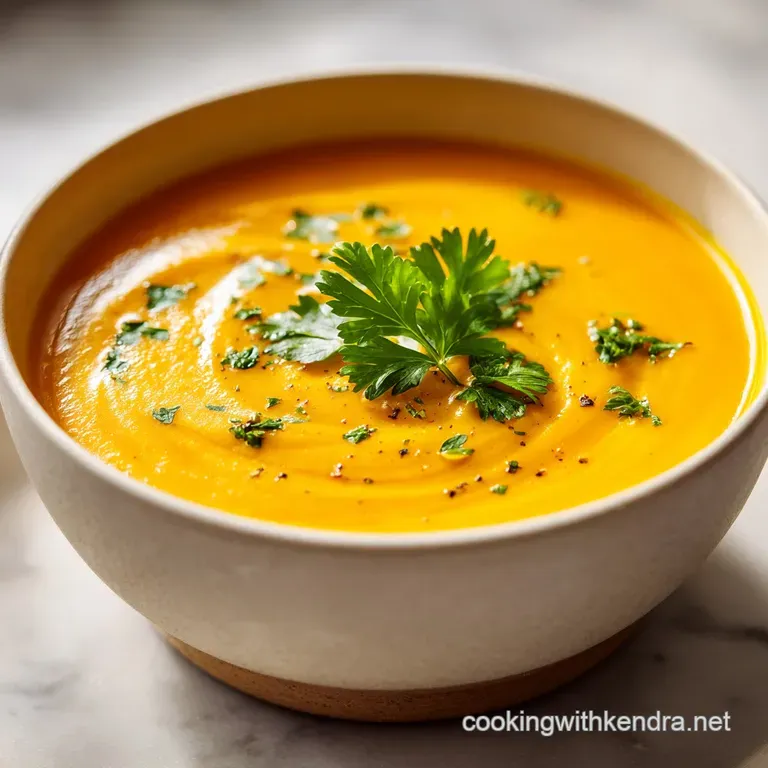
- Time: Active 15 minutes, Passive 45 minutes, Total 1 hour
- Flavor/Texture Hook: Silky smooth with a caramelized, nutty sweetness
- Perfect for: Chilly weeknights, holiday starters, or healthy meal prep
- The Secret to This Butternut Squash Soup Recipe
- The Science of the Caramelized Roast
- Component Analysis for Peak Flavor
- Roasting Specs for Your Best Batch
- Basic Kitchen Tools for Easy Prep
- Step by Step Guide to Velvety Results
- Fixing Common Mistakes for Perfect Texture
- Scaling the Recipe for Any Crowd
- Clever Swaps for Dietary Needs
- Debunking Traditional Soup Myths
- Storing and Reheating Your Leftover Soup
- Serving Ideas for the Perfect Meal
- Recipe FAQs
- 📝 Recipe Card
The Secret to This Butternut Squash Soup Recipe
The kitchen smells like a dream right now. You know that specific scent of garlic turning golden in the oven, mingling with the sweet, toasted aroma of roasting squash? It is basically a hug in a bowl. I remember the first time I tried making a butternut squash soup recipe years ago.
I made the classic rookie mistake of boiling the squash in water. It was... fine. But it was thin, a bit watery, and honestly pretty boring. I ended up dumping a ton of salt in just to taste something.
Everything changed when I stopped boiling and started roasting. That's the secret. When you roast the squash and a whole head of garlic together, the sugars concentrate and the edges get those little brown, caramelized bits. That is where the magic happens.
We're not just making soup; we’re building layers of flavor that make people ask, "What is in this?" It's simple, it's reliable, and it’s become my go to "I'm exhausted but we need a real dinner" meal.
If you are looking for that thick, velvety texture that coats the back of a spoon, you’ve found it. We use coconut milk for fat and lime juice for a hit of brightness at the end. It’s balanced, it’s earthy, and it’s surprisingly filling for the whole family.
Plus, using the oven to do most of the work means you can actually help with homework or throw a load of laundry in while dinner "cooks itself."
The Science of the Caramelized Roast
Maillard Reaction: Roasting at high heat breaks down amino acids and sugars, creating hundreds of new flavor compounds that boiling simply cannot achieve.
Starch Gelatinization: The intense dry heat of the oven transforms the squash's dense starch into a creamy, spreadable texture that emulsifies perfectly with the liquid.
Aromatic Infusion: Roasting garlic in its skin steams the cloves from the inside, turning pungent raw sulfur into a sweet, mellow paste that dissolves into the broth.
| Method | Cook Time | Texture | Best For |
|---|---|---|---|
| Stovetop | 25 minutes | Thinner, lighter | Quick lunch |
| Oven Roast | 45 minutes | Velvety, rich | Maximum flavor |
| Instant Pot | 15 minutes | Soft, uniform | Extreme speed |
Choosing the roasting method is what sets this apart from a standard simple butternut squash soup recipe. While the stovetop is faster, the oven develops a nutty profile that mimics the depth of a slow simmered stock. If you love cozy bowls that satisfy the soul, you might also like my Traditional Pinto Bean recipe for your next meal prep session.
Component Analysis for Peak Flavor
| Ingredient | Science Role | Pro Secret |
|---|---|---|
| Butternut Squash | Structural Base | Use larger squashes (3 lbs) for a higher starch to water ratio. |
| Head of Garlic | Aromatic Depth | Roast whole in the skin to prevent burning and bitterness. |
| Coconut Milk | Fat Emulsifier | Full fat versions provide the necessary lipids for a silky mouthfeel. |
| Lime Juice | Acidic Balance | A tiny amount of acid "wakes up" the heavy, sweet starches. |
This butternut squash soup recipe with coconut milk relies on these four pillars to reach that perfect consistency. Without the fat from the coconut or the acid from the lime, the soup can feel heavy or one note.
Roasting Specs for Your Best Batch
For this recipe, you'll need the following quantities. Stick to these for the best balance of sweet and savory.
- 1 large butternut squash (approx. 3 lbs): Halved lengthwise and seeded. Why this? Larger gourds have more developed sugars and provide the main body.
- 3 tablespoons extra virgin olive oil: Divided use. Why this? Fat carries the flavor of the dry spices into the squash flesh.
- 1 teaspoon sea salt: To draw out moisture.
- 1/2 teaspoon cracked black pepper: For a subtle back of-the throat warmth.
- 1 head of garlic: Top sliced off. Why this? Becomes a sweet, buttery paste when roasted.
- 1 medium yellow onion: Diced.
- 1 tablespoon fresh ginger: Grated. Why this? Cuts through the sweetness with a zingy heat.
- 1 teaspoon dried sage: Earthy herbal notes.
- 1/2 teaspoon ground nutmeg: The classic pairing for autumn squash.
- 4 cups low sodium vegetable broth: To control the final saltiness.
- 1 can (13.5 oz) full fat coconut milk: For a vegan butternut squash soup recipe that stays creamy.
- 1 tablespoon maple syrup: To highlight the natural sweetness.
- 1 tablespoon fresh lime juice: The essential finishing touch.
Basic Kitchen Tools for Easy Prep
You don't need a pantry full of gadgets to pull this off. A large rimmed baking sheet (like a Nordic Ware half sheet) is essential so the squash has room to breathe and roast rather than steam. You will also need a sharp chef's knife squash skin is notoriously tough, so don't be afraid to use some muscle.
For the blending phase, an immersion blender is my favorite tool because you can blend right in the pot. It saves so much washing up! If you use a standard countertop blender, just be careful with the steam pressure. This squash base is even richer than my How to Make recipe for baked potato soup, mostly because the roasted squash provides its own thickener without needing flour.
step-by-step Guide to Velvety Results

- Prep the squash. Heat your oven to 400°F (200°C). Slice the squash in half and scoop out the seeds. Note: Leave the skin on; it’s easier to scoop the flesh out after it's soft.
- Season for roasting. Rub 2 tablespoons of oil over the cut sides of the squash. Sprinkle with the sea salt and black pepper.
- Prepare the garlic. Drizzle the remaining oil over the cut garlic head. Wrap it tightly in foil.
- Roast until tender. Place squash cut side down on the tray with the garlic. Bake 45 minutes until the skin is puckered and the flesh is very soft.
- Sauté aromatics. While the squash cools slightly, sauté the onion in a large pot over medium heat for 5 minutes until translucent and fragrant.
- Add spices. Stir in the grated ginger, sage, and nutmeg. Cook 1 minute until the spices smell toasted.
- Combine the base. Scoop the roasted squash flesh into the pot. Squeeze the roasted garlic cloves out of their skins directly into the mix.
- Simmer with broth. Pour in the vegetable broth and maple syrup. Bring to a gentle boil, then turn the heat down to low.
- Emulsify the soup. Stir in the coconut milk. Use an immersion blender to process until the mixture is completely smooth and velvety.
- Brighten and serve. Stir in the lime juice. Taste and add a pinch more salt if needed before ladling into bowls.
Fixing Common Mistakes for Perfect Texture
Why Your Soup Is Bland
Even the best butternut squash soup recipe can fall flat if the seasoning is off. If it tastes "empty," it's usually a lack of acid or salt. The lime juice is there to provide contrast to the heavy squash. If you’ve added the lime and it’s still dull, try a tiny pinch more salt.
Salt doesn't just make things salty; it unlocks the sweetness of the squash.
Dealing with a Grainy Texture
If the soup feels fibrous or "bitsy," you probably didn't roast the squash long enough or your blender isn't powerful enough. The squash needs to be almost falling apart before it goes into the pot.
| Problem | Root Cause | Solution |
|---|---|---|
| Thin/Watery | Too much broth | Simmer uncovered for 10 mins to reduce. |
| Too Sweet | Squash was very ripe | Add an extra teaspoon of lime juice or ginger. |
| Bitter Aftertaste | Burnt garlic | Ensure garlic is wrapped tightly in foil during roasting. |
Chef's Tip: For an ultra smooth finish, pass the blended soup through a fine mesh sieve. It takes two extra minutes but results in a "shatter smooth" texture that feels like silk.
Common Mistakes Checklist:
- ✓ Don't skip the roasting step; boiling results in a washed out flavor.
- ✓ Wrap the garlic head completely in foil to prevent the cloves from turning bitter and hard.
- ✓ Squeeze the air out of the squash skin gently; don't scrape too hard or you'll get tough skin bits in your soup.
- ✓ Use full fat coconut milk; the light version won't give you that luxurious, velvety mouthfeel.
- ✓ Always add the lime juice at the very end to keep the flavor bright and fresh.
Scaling the Recipe for Any Crowd
If you're cooking for a big family gathering, you can easily double this. When doubling, keep the spices at about 1.5x the original amount first, then taste and adjust. Too much nutmeg can quickly overpower the delicate squash.
For a smaller batch, half the recipe works perfectly, but since you’re already roasting, I’d say make the full amount it freezes like a dream.
When scaling up, use two baking sheets so the squash isn't crowded. If the pans are too close together, they will steam instead of roast, and you'll miss out on those golden, caramelized edges.
| Original Servings | Squash Weight | Broth Amount | Pan Size |
|---|---|---|---|
| 3 People | 1.5 lbs | 2 cups | Small sheet pan |
| 6 People | 3 lbs | 4 cups | Large half sheet |
| 12 People | 6 lbs | 8 cups | Two large sheets |
Clever Swaps for Dietary Needs
One of the reasons this is the best butternut squash soup recipe for families is how adaptable it is. If you have someone who isn't a fan of coconut, you can swap it for heavy cream, though you'll lose that subtle tropical note.
- Butternut squash soup recipe with apple: Add 2 peeled and chopped Granny Smith apples to the roasting pan for a tart, autumnal twist.
- Chipotle Maple Heat: Add 1 teaspoon of chipotle in adobo for a smoky, spicy kick that balances the maple syrup.
- Butternut squash soup recipe instant pot: If you're in a massive rush, pressure cook the cubed squash, onion, and garlic with the broth for 8 minutes, then blend with the coconut milk.
A drizzle of Sage Butter Sauce Recipe over the top is a brilliant addition if you aren't keeping it vegan. The browned butter adds a savory depth that is just incredible.
Debunking Traditional Soup Myths
Myth 1: You must peel the squash before roasting. Honestly, don't even bother. Peeling a raw butternut squash is dangerous and tedious. Roasting it in the skin is like built in protection. The skin peels away effortlessly once cooked, and it keeps the flesh moist.
Myth 2: Fresh ginger is the same as ground ginger. In this recipe, they are totally different. Ground ginger is warm and "bakery like," while fresh ginger provides a sharp, spicy bite that cuts through the fat of the coconut milk. Stick to fresh if you can!
Storing and Reheating Your Leftover Soup
Storage: This soup actually tastes better the next day once the spices have had time to mingle. Keep it in an airtight container in the fridge for up to 5 days.
Freezing: This is a freezer superstar. Because we use coconut milk instead of dairy, it won't "split" or become grainy when thawed. Freeze in individual portions for up to 3 months. Leave an inch of space at the top of your container because the liquid will expand.
Zero Waste Tip: Don't throw away those seeds! Toss them with a little oil and salt, then roast them at 350°F for 10-15 minutes. They make a crunchy, "shatter crisp" topping for the soup.
Also, you can toss the squash peels and onion ends into a bag in the freezer to make your own veggie stock later.
Serving Ideas for the Perfect Meal
To make this a full meal, I usually serve it with a thick slice of crusty sourdough or some salty pumpkin seeds. If you want a more substantial dinner, it pairs beautifully with a simple kale salad or even roasted chicken.
If you are looking for another creamy vegetable option, check out my How to Make recipe for asparagus soup. It has a similar velvety vibe but uses different seasonal greens. Whatever you choose to serve it with, make sure you have enough for seconds this butternut squash soup recipe usually disappears fast!

Recipe FAQs
What ingredients are in butternut squash soup?
Butternut squash, broth, coconut milk, and aromatics. The essential components include roasted butternut squash, vegetable broth, full fat coconut milk for creaminess, roasted garlic, onion, fresh ginger, sage, and a final bright note of lime juice.
How to make butternut squash soup better?
Roast the squash and garlic instead of boiling it. Roasting concentrates the natural sugars through caramelization, creating a deeper, nuttier flavor profile that boiling cannot achieve.
What is the best broth for squash soup?
Low sodium vegetable broth is best for control. Using low sodium allows you to precisely control the final salt level, which is critical since the squash itself needs significant seasoning to pop.
What are some common mistakes when making squash soup?
Skipping the acid or under roasting the squash are common errors. A soup that tastes dull likely needs more salt or a dash of lime juice to balance the heavy, sweet starches; ensure the squash is completely tender before blending.
Can I substitute the coconut milk in this recipe?
Yes, heavy cream is the best substitute for richness. While heavy cream works well, it will alter the final flavor profile slightly, making it less tropical than when using full fat coconut milk for that silky texture.
How do I achieve a perfectly smooth, velvety texture?
Blend thoroughly, ideally with an immersion blender right in the pot. For an ultra refined texture that feels like velvet, you can pass the finished soup through a fine mesh sieve after blending, similar to the technique used in our [How to Make recipe] for baked potato soup.
Is it true I must peel the squash before roasting?
No, this is a common misconception. Leave the skin on during the 400°F roasting process; it protects the flesh from drying out, and the skin peels off easily once the squash is fully cooked and softened.
Roasted Butternut Squash Soup

Ingredients:
Instructions:
Nutrition Facts:
| Calories | 336 kcal |
|---|---|
| Protein | 5.3 g |
| Fat | 21.1 g |
| Carbs | 37.6 g |
| Fiber | 5.2 g |
| Sugar | 7.8 g |
| Sodium | 468 mg |
