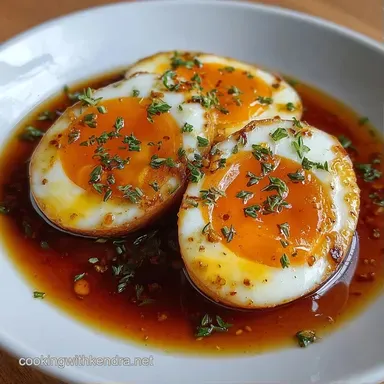
Seasoned Boiled Egg Recipe: Savory and Jammy
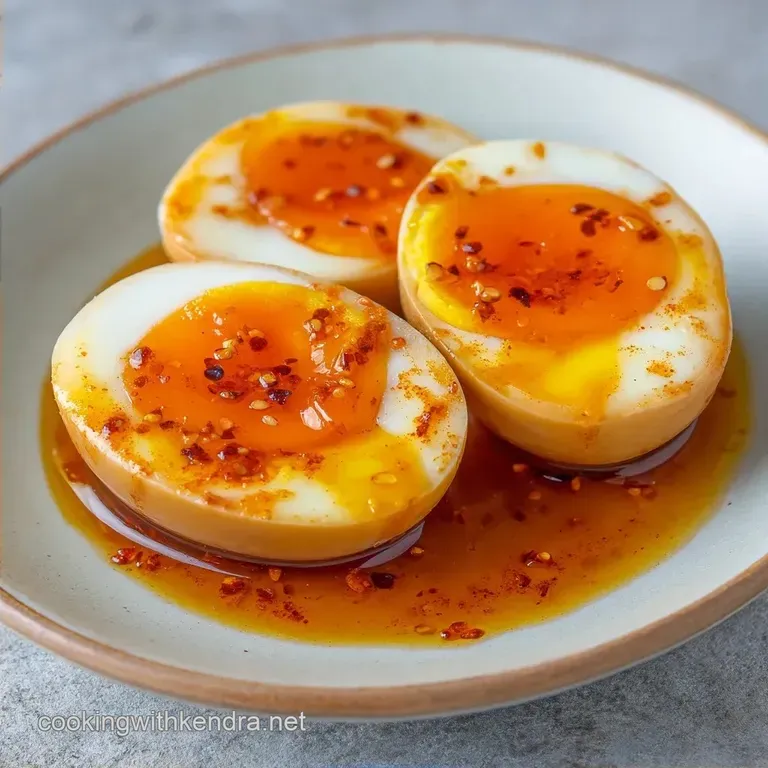
- Time: 5 min active + 4 hrs 7 mins chilling/marinating
- Flavor/Texture Hook: Velvety, jammy yolks with a salty, garlic forward exterior
- Perfect for: Mid week meal prep, ramen toppings, or a quick high protein snack
- Best Seasoned Boiled Egg Recipe
- Secrets to the Perfect Texture
- Component Analysis
- Your Shopping List
- The Right Tools
- Step by Step Cooking
- Fixing Common Egg Errors
- Troubleshooting Common Issues
- Mix Ins and Substitutions
- Adjusting the Batch Size
- Egg Cooking Beliefs
- Keeping Eggs Fresh
- What to Serve With These
- Recipe FAQs
- 📝 Recipe Card
The sound of a shell cracking perfectly, that clean snap that lets you know the egg will slide right out without taking half the white with it, is the best feeling in the kitchen. I remember the first time I tried making these for a family brunch.
I just tossed some eggs in water and hoped for the best, but I ended up with those rubbery, overcooked whites and a weird green ring around the yolk. It was a total letdown.
I spent a few weekends messing around with the timing and the soak. I realized that the secret isn't just in the boil, but in the shock. When you move an egg from bubbling water straight into an ice bath, you stop the cooking instantly. That's how you get that velvety center that feels more like a sauce than a solid.
Once you get the boil right, the marinade does the heavy lifting. This Seasoned Boiled Egg Recipe turns a boring breakfast staple into something that tastes like it came from a high end shop.
It's the kind of thing you keep in the fridge for those nights when you're too tired to cook a full meal but still want something that tastes thoughtful.
Best Seasoned Boiled Egg Recipe
Right then, let's get into how to actually pull this off. Most people overcomplicate eggs, but the trick is just following the clock and respecting the temperature. We're looking for a balance of salty, sweet, and savory that penetrates the white of the egg without making it too mushy.
If you've ever had a Japanese ramen egg, you know that specific texture - a white that's firm but tender, and a yolk that's thick and glossy. That's exactly what we're aiming for here. Whether you want them soft or hard, the seasoning process remains the same, giving you a consistent result every time.
Trust me on this: don't skip the vinegar in the water. It doesn't change the taste, but it helps the whites set faster, which makes peeling a breeze. If you're making these for a crowd, you can prep a whole dozen at once and they'll stay great in the fridge for a few days.
Secrets to the Perfect Texture
Since we're dealing with proteins and fats, there are a few things happening under the surface that we can use to our advantage.
Thermal Shock: Moving eggs from 212°F water to 32°F ice stops the residual heat from cooking the yolk further, preventing that rubbery texture.
Osmotic Pressure: The high salt and sugar content in the soy marinade pulls water out of the egg and replaces it with flavor molecules.
Acidic Stabilization: Adding vinegar to the boiling water lowers the pH, which helps the egg white proteins coagulate more quickly to seal any small cracks.
Sugar Caramelization: The brown sugar and mirin create a syrupy consistency that clings to the egg surface, giving it a glossy look.
| Method | Time | Texture | Best For |
|---|---|---|---|
| Stovetop Boil | 6-12 min | Classic/Firm | Quick prep |
| Oven Steam | 12-15 min | Very Tender | Easy peeling |
The oven steaming method is a great alternative if you're worried about eggs cracking in the pot, but the stovetop is the gold standard for speed.
Component Analysis
Before we start, it's helpful to know why we're using these specific ingredients. It's not just about taste, but about how they interact with the egg.
| Ingredient | Science Role | Pro Secret |
|---|---|---|
| White Vinegar | Protein Sealant | Prevents leaks if the shell cracks |
| Mirin | Sweet Balance | Adds a subtle glow to the egg white |
| Soy Sauce | Flavor Carrier | Use a low sodium version if you're sensitive to salt |
| Brown Sugar | Viscosity Agent | Creates a thicker syrup for better coating |
Your Shopping List
For this Seasoned Boiled Egg Recipe, you'll need a few pantry staples. I prefer using large eggs because they provide a better ratio of white to yolk for marinating.
For the eggs:
- 8 large eggsWhy this? Standard size ensures consistent cook times
- 1 tbsp saltWhy this? Helps the peeling process
- 1 tsp white vinegarWhy this? Seals cracks quickly
For the marinade:
- 1/2 cup soy sauceWhy this? The primary salt and umami source
- 1/2 cup waterWhy this? Dilutes the soy so it's not overpowering
- 1/4 cup mirinWhy this? Adds sweetness and acidity
- 2 tbsp brown sugarWhy this? Deepens the color and flavor
- 3 cloves garlic, smashedWhy this? Adds aromatic depth
- 1 tsp fresh ginger, mincedWhy this? Provides a zesty contrast
- 1 stalk green onion, choppedWhy this? Freshness and color
For the quick dry rub (optional):
- 1 tsp smoked paprika
- 1/2 tsp garlic powder
- 1/2 tsp cracked black pepper
- 1/4 tsp flaky sea salt
If you don't have mirin, you can use a splash of honey mixed with a bit of rice vinegar. It's not an exact match, but it gets the job done.
The Right Tools
You don't need a professional kitchen for this, but a few specific items make the process way smoother.
- Large Saucepan: Make sure it's deep enough to cover the eggs by at least an inch of water.
- Slotted Spoon: This is a lifesaver for lowering eggs into boiling water without cracking them.
- Large Mixing Bowl: For the ice bath.
- Airtight Container or Ziploc Bag: This is where the magic happens during the marinating phase.
- Paper Towels: To pat the eggs dry before they go into the soak.
Chef's Note: If you're using a Ziploc bag, you can squeeze out most of the air. This forces the marinade to stay in contact with the entire surface of the egg, so you use less liquid.
Step by step Cooking
Let's get to it. Follow these steps closely, and you'll have a Seasoned Boiled Egg Recipe that looks and tastes professional.
Fill your saucepan with water until it covers the eggs by about one inch. Stir in the salt and vinegar, then bring it to a rolling boil. Once it's bubbling, lower the heat to a simmer Note: This prevents the eggs from bouncing and cracking.
Carefully lower the eggs into the water using your slotted spoon. Now, set your timer. Simmer for 6-7 minutes if you want jammy, soft yolks, or 10-12 minutes for firm, hard boiled yolks.
While the eggs cook, prepare your ice bath. Fill a bowl with cold water and a handful of ice cubes.
Once the timer goes off, immediately transfer the eggs from the pot to the ice bath. Let them sit for exactly 10 minutes until they are chilled to the core.
Gently crack the shells all over by tapping them on the counter. Peel them under cold running water, which helps the shell slide off. Pat them dry with paper towels.
In a separate bowl, whisk together the soy sauce, water, mirin, brown sugar, garlic, and ginger. Whisk until the sugar is fully dissolved until the liquid is smooth and glossy.
Place your peeled eggs into your airtight container or Ziploc bag. Pour the marinade over them, making sure every egg is submerged.
Seal the container and refrigerate for 4 to 24 hours. I usually find that 12 hours is the sweet spot for flavor.
Fixing Common Egg Errors
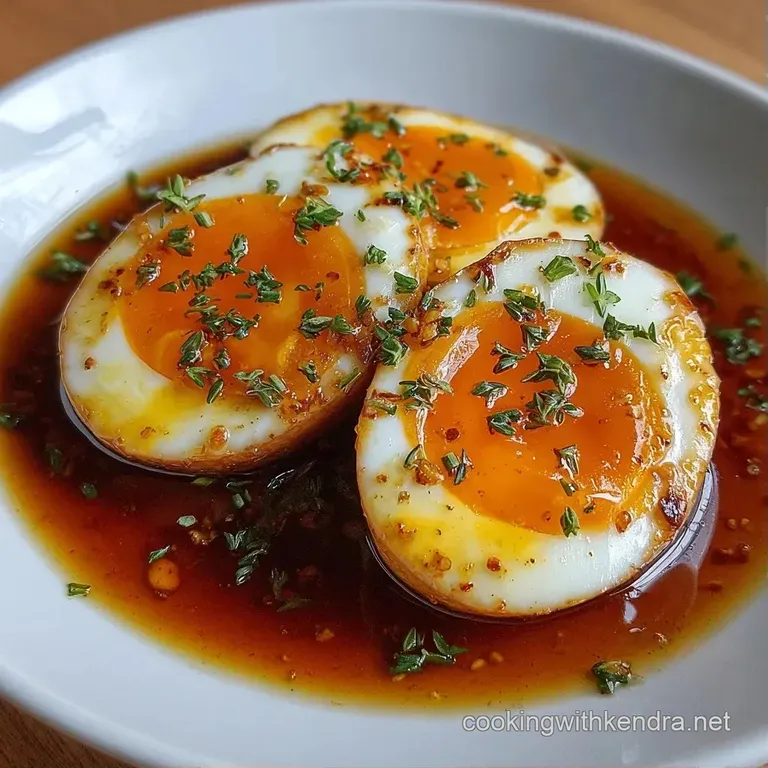
Even the best of us mess up eggs sometimes. Usually, it's just a matter of timing or temperature.
Troubleshooting Common Issues
| Issue | Solution |
|---|---|
| Why Your Eggs Are Hard to Peel | This usually happens when the egg isn't shocked enough in the ice bath or the water wasn't hot enough when the eggs went in. If the membrane sticks to the shell, it's a nightmare. |
| Why Your Yolks Have a Green Ring | That ring is caused by overcooking. When the sulfur in the white reacts with the iron in the yolk, you get that grayish green color. |
| Why the Flavor is Uneven | If some eggs are dark and others are pale, they weren't fully submerged. Using a bag instead of a bowl helps solve this because the liquid wraps around the egg. |
Common Mistakes Checklist:
- ✓ Did you use an ice bath for a full 10 minutes?
- ✓ Is the sugar fully dissolved in the marinade?
- ✓ Are the eggs patted dry before soaking?
- ✓ Did you use a simmer instead of a violent boil?
- ✓ Did you check that the eggs were fully submerged?
Mix Ins and Substitutions
You can easily tweak this Seasoned Boiled Egg Recipe to fit your taste. If you want something with a kick, a Spicy Boiled Egg Recipe is the way to go. Just add a tablespoon of Gochujang or some Sriracha to the marinade.
For a Seasoned Boiled Egg Recipe for Ramen, keep the flavors traditional. Stick to the soy and mirin, but maybe add a drop of toasted sesame oil for that nutty aroma. If you're looking for a Korean Marinated Boiled Egg Recipe (Mayak Gyeran), increase the garlic and add some chopped chilies.
| Original Ingredient | Substitute | Why It Works |
|---|---|---|
| Mirin (1/4 cup) | Rice Vinegar + Honey | Similar acidity and sweetness. Note: Slightly more tart |
| Brown Sugar (2 tbsp) | Maple Syrup | Same sweetness. Note: Adds a distinct woody flavor |
| Soy Sauce (1/2 cup) | Coconut Aminos | Lower sodium, soy free. Note: Slightly sweeter than soy |
If you're watching your salt intake, a low sodium version is possible. Use low sodium soy sauce and increase the ginger and garlic to make up for the lost saltiness. It's still a great snack, just a bit lighter.
Adjusting the Batch Size
Whether you're cooking for one or a whole party, you can scale this. But be careful with the seasonings.
Scaling Down (1/2 batch): If you're only doing 4 eggs, use a smaller pot so the water reaches a boil faster. Use a small Ziploc bag for the marinade so the eggs are actually covered. Reduce the marinating time slightly, as smaller batches sometimes absorb flavor faster.
Scaling Up (2x-4x batch): When making 16 or 32 eggs, don't just quadruple the salt and sugar. I've found that spices like garlic and ginger only need to be increased to about 1.5x or 2x to be effective.
For the liquids, you can reduce the total volume by 10% because the eggs themselves take up more space in the container, displacing the liquid.
Work in batches when boiling. If you crowd the pot, the water temperature drops too much when you add the eggs, and your timing will be off.
Egg Cooking Beliefs
There are a lot of old wives' tales about eggs. Let's set the record straight.
"Adding salt to the water makes eggs easier to peel." Actually, salt doesn't do much for the peel. It's the temperature shock and the vinegar that really help. The salt is mostly for flavor and helping the proteins set.
"Older eggs are easier to peel." This is actually true. As eggs age, the pH of the white increases, which makes it bond less tightly to the shell membrane. But you don't need to wait weeks; a few days in the fridge is enough.
"You should start eggs in cold water." Starting in cold water is easier for some, but it makes timing less consistent because different stoves heat up at different rates. Starting with simmering water gives you total control over the yolk.
Keeping Eggs Fresh
Once these are seasoned, they don't last as long as plain hard boiled eggs because of the salt content.
Fridge Life: Keep them in an airtight container for 3-5 days. If you leave them in the marinade, they'll get saltier over time. I recommend taking them out of the liquid once they've reached your desired flavor level.
Freezing: Do not freeze these. The water in the egg whites will expand and turn the texture spongy and weird. It's just not worth it.
Zero Waste: Don't throw away the leftover marinade! It's essentially a concentrated sauce. You can use it as a glaze for salmon or stir it into some Boiled Sweet Potatoes for a salty sweet side dish. You can also use it as a base for a quick stir fry sauce.
What to Serve With These
These eggs are incredibly versatile. They're a great high protein addition to almost any meal.
The most obvious pairing is a bowl of Homemade Ramen broth, where the jammy yolk blends into the soup. But they're also great sliced over a fresh cucumber salad or served on a piece of toasted sourdough with a smear of avocado.
If you're hosting a party, serve them as part of a platter with pickled ginger, radishes, and some steamed edamame. The salty sweet profile of this Seasoned Boiled Egg Recipe makes them a great palate cleanser between heavier dishes.
Right then, you've got everything you need. Just remember: watch the clock, don't skip the ice bath, and give them enough time to soak. It's a simple process, but the result is a massive upgrade from a plain boiled egg. Enjoy your snacks!
Recipe FAQs
What should I season a boiled egg with?
Use a savory blend of soy sauce, mirin, and brown sugar. Add smashed garlic and minced ginger for depth, then finish with smoked paprika, garlic powder, and black pepper for extra punch.
Are boiled eggs ok for diabetics?
Yes, they are generally a great choice. Eggs are low in carbohydrates and high in protein, which helps maintain stable blood sugar levels.
Is boiled egg good for cholesterol?
Yes, when eaten in moderation. While yolks contain dietary cholesterol, most people find it has a minimal effect on their actual blood cholesterol levels.
Is it true that the 5 5 5 rule is the best way to boil eggs?
No, this is a common misconception. For consistent results, simmer eggs for 7 minutes for jammy yolks or 12 minutes for firm ones, then shock them in ice for 10 minutes.
How do I make a simple seasoned boiled egg?
Whisk soy sauce, water, mirin, brown sugar, garlic, and ginger until dissolved. Submerge peeled eggs in the marinade and refrigerate for 4 to 24 hours.
How can I easily season boiled eggs for more flavor?
Dust the peeled eggs with smoked paprika, garlic powder, and cracked black pepper. This adds an immediate savory layer before you place them in the soy-based marinade.
Why are my eggs hard to peel?
You likely didn't shock them in the ice bath long enough. Ensure eggs sit in ice water for exactly 10 minutes; if you mastered this temperature shock here, the same principle ensures the perfect texture in our boiled shrimp.
Seasoned Boiled Egg Recipe in 17 Minutes