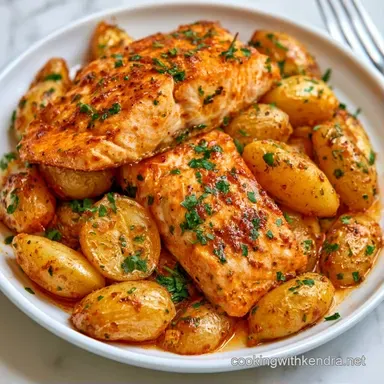
Healthy Sheet Pan Salmon and Vegetables
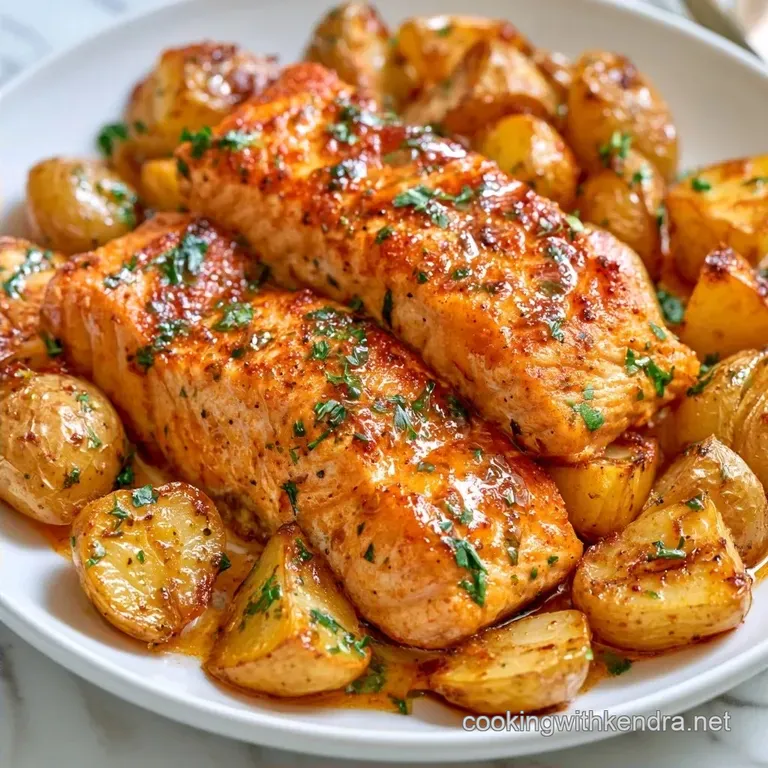
- Duration: 10 min active + 20 min roasting
- Tasting Notes: Flakey lemon garlic salmon and charred broccoli
- Ideal for: Healthy meal prep and busy weeknight dinners
- Quick Recipe Specs
- Why the Timing Matters
- The Ingredient Breakdown
- Ingredients and Substitutes
- Basic Tools Needed
- Step by Step Cooking
- Fixing Common Issues
- Customizing Your Tray
- Adjusting the Portions
- Common Kitchen Myths
- Keeping Leftovers Fresh
- Serving Your Meal
- Critical Sodium Level
- Recipe FAQs
- 📝 Recipe Card
Why do so many sheet pan dinners result in undercooked root vegetables and dried-out fish? It's usually because we assume everything cooks at the same rate. I used to do this often, tossing a tray of ingredients in and hoping for the best, only to end up with rubbery salmon and potatoes that felt like pebbles.
The real fix is the timing. Once I started staggering the roasting process, my Salmon and Vegetables actually tasted like a restaurant dish. You get that deep mahogany crust on the fish and broccoli tips that are just slightly singed, which is where the best flavor is found.
This version of Salmon and Vegetables focuses on effortless cleanup. One pan, one bowl, and about thirty minutes of your time. It's a reliable way to get a complete meal on the table without spending the whole night scrubbing pots.
Quick Recipe Specs
Cooking this meal is a balance of heat and timing. The high temperature of 400°F (200°C) is a specific choice. It's hot enough to brown the vegetables but not so hot that the salmon dries out before the broccoli softens.
If you're comparing this to a stovetop method, you'll notice a big difference in texture. A pan seared fillet has a harder crust, but the oven provides a more consistent cook across the whole fillet.
| Method | Effort | Result |
|---|---|---|
| Oven Roast | Low | Evenly cooked, charred veggies |
| Stovetop | High | Crispy skin, separate veg pans |
Most of the work happens in those first ten minutes of prep. After that, you're just waiting for the timer to beep.
Why the Timing Matters
The success of Salmon and Vegetables depends on understanding how different ingredients respond to heat. Adding raw potatoes and fish at the same time would result in overcooked fish by the time the potatoes are tender.
Staggered Roasting: Potatoes require significantly more time to soften than broccoli or salmon. Starting them ten minutes early ensures they reach the perfect consistency.
High Heat: 400°F (200°C) promotes a browning reaction on the vegetables. This creates a nutty, toasted flavor that is unattainable at lower temperatures.
For a handheld option, my salmon burger recipe features similar flavors with a different texture. However, for this dish, roasting is the superior method.
The Ingredient Breakdown
When making Salmon and Vegetables, each item has a specific job. The fats carry the flavor, while the acids cut through the richness of the fish.
| Ingredient | Role | If You Don't Have It |
|---|---|---|
| Salmon Fillets | Main protein/fat | Rainbow trout (cooks slightly faster) |
| Baby Potatoes | Hearty starch | Parsnips or carrots (cut small) |
| Broccoli | Bitter/char element | Cauliflower or asparagus |
| Lemon Juice | Acid balance | Apple cider vinegar or lime juice |
The smoked paprika is a nice touch. It doesn't make the fish taste like BBQ, but it gives it a deep color and a hint of earthiness.
Ingredients and Substitutes
Get your ingredients ready before you turn on the oven. This makes the process way smoother.
For the Salmon:
- 2 (6 oz / 170g) Salmon fillets, skin onWhy this? Skin protects the meat from drying out
- 1 tbsp (15ml) Extra virgin olive oil
- 1 tbsp (15ml) Fresh lemon juice
- 2 cloves (6g) Garlic, minced
- ½ tsp (1g) Smoked paprika
For the Vegetables:
- 1 cup (150g) Baby potatoes, halved or quarteredWhy this? Small size ensures fast roasting
- 2 cups (180g) Broccoli florets
- 1 medium (150g) Red bell pepper, sliced
- 2 tbsp (30ml) Extra virgin olive oil
- ½ tsp (1g) Dried oregano
- 1 tsp (6g) Sea salt
- ½ tsp (1g) Black pepper
For the Garnish: - 1 tbsp (15ml) Fresh parsley, chopped - 1 lemon, cut into wedges
| Original Ingredient | Substitute | Why It Works |
|---|---|---|
| Red Bell Pepper | Yellow Pepper | Same texture, slightly sweeter flavor |
| Dried Oregano | Dried Thyme | Similar earthy notes, very versatile |
| Baby Potatoes | Fingerling Potatoes | Similar starch content. Note: Cut into uniform sizes |
Between the fish and the greens, you've got a complete meal. Just make sure your salmon is patted dry with a paper towel before you add the marinade.
Basic Tools Needed
This recipe is straightforward and designed to minimize the mess. I prefer a simple approach so I don't have a mountain of dishes to scrub afterward.
Essential Tools
- Rimmed Baking Sheet: A rim is crucial here. It stops the olive oil and lemon juice from leaking onto the oven floor, which prevents smoke.
- Parchment Paper: This is a must-have for me. It ensures the salmon skin doesn't stick and turns cleanup into a quick task.
While I typically use a small whisk to mix the marinade, a fork is a perfectly fine substitute.
Step by step Cooking
Follow these instructions to ensure your Salmon and Vegetables are timed perfectly.
- Set your oven to 400°F (200°C) and prepare a large baking tray by lining it with parchment paper.
- In a bowl, combine the halved baby potatoes with 1 tbsp olive oil and half of the salt and black pepper.
- Spread the potatoes on the tray and roast for 10–12 minutes until they begin to soften.
- While the potatoes roast, whisk together the lemon juice, minced garlic, smoked paprika, and 1 tbsp olive oil.
- Generously brush this mixture over the salmon fillets. Note: Coat the sides as well for extra flavor
- Toss the broccoli florets and sliced red bell pepper with the remaining 2 tbsp olive oil, dried oregano, and the rest of the salt and black pepper.
- Push the partially cooked potatoes to one side of the pan.
- Place the seasoned salmon fillets in the center and surround them with the broccoli and peppers.
- Return the pan to the oven and roast for another 10–12 minutes until the salmon is opaque and flakes easily and the broccoli tips are charred.
- Remove from the oven and immediately drizzle fresh lemon wedges over the entire pan. Garnish with chopped parsley.
Let the dish rest for a few minutes before serving. This allows the juices in the fish to redistribute, ensuring a more tender texture.
Fixing Common Issues
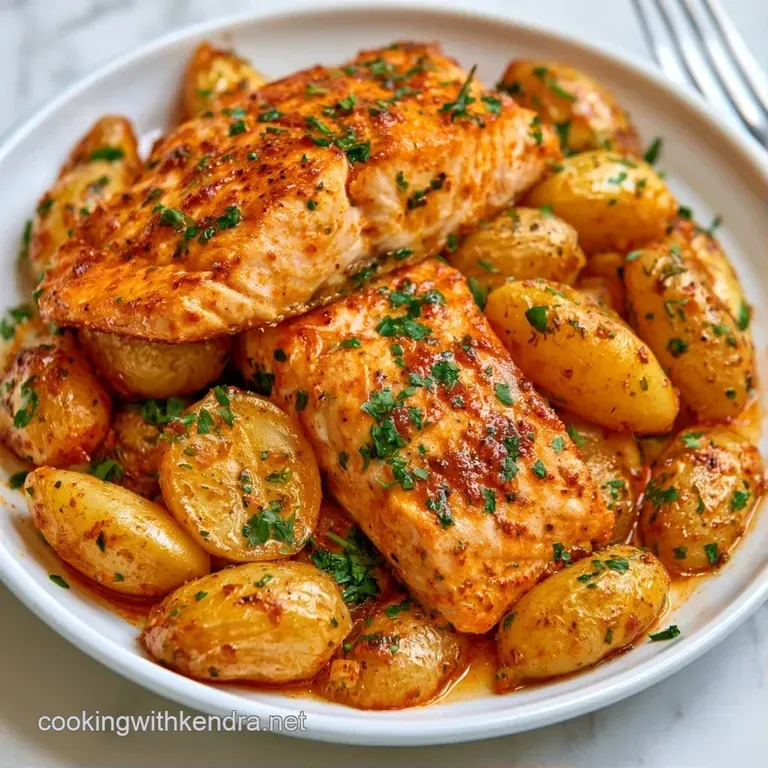
Even a straightforward Salmon and Vegetables meal can run into issues, typically stemming from thickness or temperature.
The Salmon is Dry
This happens when the fish is left in too long. For thinner fillets, check them at the 8 minute mark. Use a thermometer to reach 135°F (57°C) for medium. Without one, press the top; it should have a slight give and a pale pink center.
The Vegetables are Soggy
Mushiness is often caused by crowding the pan. When the ingredients are too cramped, they steam instead of roasting. Use a larger sheet pan or work in two batches if you are doubling the recipe.
The Potatoes are Hard
This usually means the pieces were cut too large or didn't have enough head start time. Keep your potato chunks at 1 inch or smaller.
| Problem | Fix |
|---|---|
| Dry Salmon | Reduce roast time by 2-3 mins |
| Soggy Veg | Spread items out on the tray |
| Hard Potatoes | Cut into smaller, uniform chunks |
Customizing Your Tray
This Salmon and Vegetables dish is incredibly versatile, making it simple to use whatever produce you have on hand.
Flavor Twists
- Mediterranean Style: Use dried basil instead of paprika and toss in some pitted kalamata olives during the final 5 minutes of roasting.
- Asian Inspired: Substitute lemon and garlic with ginger and soy sauce. Try pairing the salmon with bok choy and snap peas.
To add some zing, top the fish with a drizzle of horseradish cream before plating. It provides a bold counterpoint to the sweetness of the roasted peppers.
Diet Swaps
- Low Carb: Use cauliflower florets instead of baby potatoes. Because cauliflower roasts more quickly, you can skip the 10 minute head start.
- dairy-free: While the dish is already dairy-free, a spoonful of vegan pesto added after roasting is a great addition.
Decision Shortcut:
- More brightness? → Stir in 1 tsp lemon zest
- Extra spice? → Add 1/4 tsp red pepper flakes
- Added crunch? → Finish with toasted almonds
Adjusting the Portions
Scaling Salmon and Vegetables requires a bit of caution with the pan space. If you crowd the tray, you'll lose the char.
Scaling Down (Half Portion): If you're cooking for one, use a smaller sheet pan. Reduce the roasting time for the final step by about 2 minutes, as a smaller amount of food heats up faster.
Scaling Up (4 Servings): Don't try to fit four fillets and double the vegetables on one standard tray. Use two separate sheet pans. Keep the salt and spices at 1.5x rather than 2x to avoid over seasoning.
Roast both trays at once, but swap their positions in the oven halfway through to ensure even browning.
Always leave at least an inch of space between the fish and the vegetables.
Common Kitchen Myths
Several misconceptions exist regarding Salmon and Vegetables.
The idea that searing meat or fish "seals in juices" is a fallacy; water evaporates during cooking no matter the initial method. A good sear enhances color and taste rather than trapping liquids. According to tests from Serious Eats, the final internal temperature is the true key to juiciness.
Similarly, you don't need to "rest" fish as extensively as you would a steak. A brief pause is beneficial, but letting salmon sit for 10 minutes will only cause it to cool down. Two to three minutes is more than enough.
Keeping Leftovers Fresh
If you have leftover Salmon and Vegetables, store them in a sealed glass container in the cooler for up to 2 days.
The Proper Reheat: Avoid the microwave if you can. Microwaving salmon makes it rubbery and smells up the whole house. Instead, put the leftovers on a baking sheet and pop them in a 300°F (150°C) oven for about 5-8 minutes.
This warms them through without overcooking the fish.
Zero Waste Tips: Don't throw away the broccoli stems. Peel the tough outer skin, slice the core into thin coins, and toss them on the tray with the potatoes. They roast up beautifully and taste like a cross between a potato and a pepper.
For more on food safety, USDA guidance puts the safe internal temperature for fish at 145°F, though many home cooks prefer 135°F for a moister result. Nutrition data for salmon can be found at USDA FoodData Central.
Serving Your Meal
Presentation for Salmon and Vegetables is easy because the colors do the work. The orange of the fish, green of the broccoli, and red of the pepper look great together.
I like to serve this right off the pan if I'm having a lazy night. But for a nicer look, place a bed of the roasted potatoes and broccoli on a plate and nestle the salmon fillet on top.
Squeeze the fresh lemon wedges over the fish at the very last second. The heat from the salmon will release the lemon oils, making the whole plate smell fresh.
A side of quinoa or some wild rice works well if you're extra hungry. But honestly, the potatoes in the tray are usually enough. Just sprinkle that fresh parsley over everything to add a pop of bright green and a bit of freshness to the rich fish.
Critical Sodium Level
1140 mg 1140 mg of sodium per serving (50% 50% of daily value)
The American Heart Association recommends a daily limit of 2,300mg, and ideally 1,500mg for most adults to reduce cardiovascular risk.
Tips to Reduce Sodium
-
Reduce Sea Salt-25%
The primary sodium source is the sea salt; cut the amount in half or replace it with a salt-free seasoning blend.
-
Amplify Citrus-10%
Increase the fresh lemon juice in the marinade and use extra lemon wedges when serving to provide a bright acidity that mimics salt.
-
Enhance Aromatics-5%
Add an extra clove of minced garlic or a pinch more smoked paprika to create a deeper flavor profile without adding sodium.
-
Fresh Herb Boost
Double the amount of fresh parsley or add fresh dill to provide a burst of flavor and aroma.
Recipe FAQs
Can I cook vegetables in the same pan as salmon?
You can roast them together, but the potatoes require a head start.
Tip: roast the potatoes for 10-12 minutes before adding the fish and other greens.
Which temperature is better for baking salmon, 350 or 400?
Use 400°F (200°C) to get a perfect roast without overcooking the center.
Tip: a higher temperature ensures the salmon cooks quickly to maintain moisture.
How long do you cook salmon on a sheet pan?
Bake the fillets for 10–12 minutes.
Tip: check for opacity and ensure the fish flakes easily with a fork.
Is it true that salmon must be seared before roasting?
This one's false: roasting directly on a sheet pan provides a tender texture and easy cleanup.
Tip: use parchment paper to prevent the skin from sticking to the pan.
How to prevent the broccoli from overcooking?
Roast the florets only during the final 10–12 minutes of cooking.
Tip: keep the broccoli in smaller florets to ensure the tips char quickly.
What's the best way to meal prep this recipe?
Portion the salmon and vegetables into glass containers immediately after cooling.
Tip: if you enjoyed mastering one-pan efficiency here, see how the same principle works in these teriyaki chicken bowls.
Does squeezing lemon at the end help?
Squeezing fresh lemon over the pan after roasting brightens the flavors.
Tip: use the lemon wedges as a garnish for a professional presentation.
Which other vegetables work well as substitutes?
Use any hardy vegetable like asparagus or carrots that roast in 12 minutes.
Tip: cut all vegetables to a similar size so they roast evenly.
Salmon and Vegetables in 30 Minutes