Southern Candied Sweet Potatoes: Perfectly Glazed
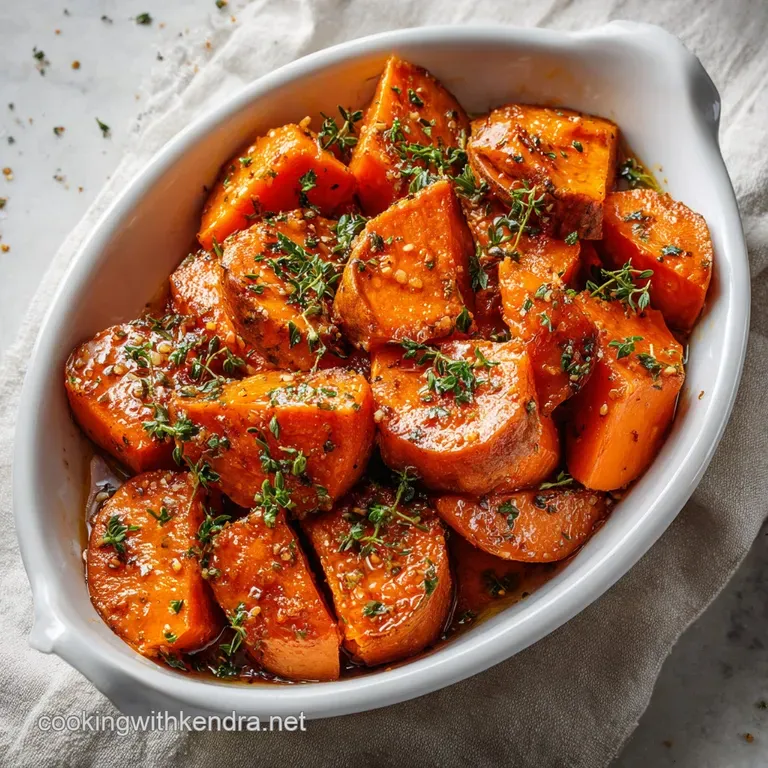
- Time: Active 15 minutes, Passive 45 minutes, Total 60 minutes
- Flavor/Texture Hook: Silky, syrup drenched rounds with warm notes of nutmeg and bright citrus.
- Perfect for: Sunday soul food dinners, holiday side dishes, or cozy weeknight comfort.
- Crafting the Soulful Candied Sweet Potatoes
- The Chemistry of a Perfect Glaze
- Deep Dive Into Our Components
- Essential Shopping List and Substitutions
- Required Kitchen Tools
- Detailed Cooking Instructions
- Troubleshooting Common Glaze Problems
- Adjusting for Different Crowd Sizes
- Debunking Sugar and Potato Myths
- Storage and Sustainable Kitchen Tips
- How to Serve and Enjoy
- Recipe FAQs
- 📝 Recipe Card
Crafting the Soulful Candied Sweet Potatoes
There is a specific sound that happens in a Southern kitchen on a Sunday afternoon, and it is the gentle, rhythmic bubble of sugar and butter meeting a heavy pot. I remember walking into my aunt's house and being hit by a wall of scent so thick you could almost chew it.
It was the smell of cinnamon, toasted sugar, and earthy potatoes all swirling together. That aroma is the ultimate welcome home. When the lid finally comes off that Dutch oven, you aren't just looking at a side dish, you are looking at liquid gold.
This isn't that pale, watery canned stuff you might find at a sad cafeteria. We are talking about deep, dark, old-fashioned Candied Sweet Potatoes that have been pampered on the stovetop until the edges are almost translucent.
The first time I tried to make these myself, I rushed the heat and ended up with a burnt mess that stuck to the bottom of my pan like glue. I learned the hard way that the magic happens in the slow reduction, where the water from the potatoes escapes and is replaced by a luxurious, spiced syrup.
The beauty of this dish lies in the contrast. You get the heavy, rich sweetness of the brown sugar, but then a sharp hit of fresh lemon juice cuts right through it. It's a balance that keeps you coming back for a second and third scoop.
We are going for a texture that is velvety on the tongue but still holds its shape on the plate. If you follow along, I'll show you exactly how to get that glossy finish without ever touching a bag of marshmallows, though we can certainly add those later if your heart desires it.
The Chemistry of a Perfect Glaze
Understanding how these flavors fuse together makes you a better cook, not just a recipe follower. Here is why this specific method produces such a superior result compared to baking them in a dish.
- Hygroscopic Action: The high concentration of sugar in the pot actually draws moisture out of the potato cells, which then mixes with the butter to create the base of your syrup.
- Starch Retrogradation: By simmering the potatoes slowly, the starches soften into a creamy consistency while the sugar helps reinforce the exterior structure so they don't fall apart.
- Acid Stabilization: Adding lemon juice doesn't just add flavor, it helps prevent the sugar from recrystallizing, ensuring your glaze stays silky instead of grainy.
- Emulsion Control: Melting the butter with the sugar first creates a stable base that coats the potatoes evenly as they release their natural juices.
Before we get into the nitty gritty of the ingredients, let's look at how this stovetop method compares to other ways you might be tempted to cook your sweet potatoes. Picking the right path depends on how much time you have and the texture you're craving.
| Method | Time | Texture | Best For |
|---|---|---|---|
| Stovetop Simmer | 45 minutes | Velvety and syrupy | Authentic soul food flavor |
| oven-roasted | 55 minutes | Caramelized and chewy | Large holiday crowds |
| Air Fryer | 20 minutes | Crispy edges | Quick weeknight cravings |
Choosing the stovetop method allows you to watch the syrup transform in real time. You can see the bubbles change from thin and frothy to thick and "lazy," which is the visual cue that your Candied Sweet Potatoes are reaching peak perfection.
Deep Dive Into Our Components
Every ingredient in this pot has a specific job to do. We aren't just throwing things in for the sake of it, each element helps build that complex flavor profile we are after.
| Ingredient | Science Role | Pro Secret |
|---|---|---|
| Light Brown Sugar | Adds moisture and molasses notes | Pack it tight to ensure the correct sugar to fat ratio. |
| Unsalted Butter | Creates a silky mouthfeel and carries fat soluble spices | Use high-quality European butter for a richer, more velvety glaze. |
| Fresh Lemon Juice | Breaks up the "sugar heavy" profile | Always use fresh; bottled juice lacks the bright enzymes needed. |
| Sweet Potatoes | Provides the structural starch base | Choose Garnet or Jewel varieties for the best color and texture. |
The interaction between the ginger and the nutmeg is what gives this dish its "secret" depth. While cinnamon does the heavy lifting, that tiny bit of ginger adds a hint of heat that prevents the dish from feeling one dimensional.
Essential Shopping List and Substitutions
To make these Candied Sweet Potatoes, you will need a few pantry staples and three pounds of the best looking potatoes you can find. Look for tubers that are firm to the touch with smooth, copper colored skin.
- 3 lbs sweet potatoes: Peeled and sliced into 1/2 inch rounds. Why this? Rounds cook more evenly than chunks and look beautiful on a serving platter.
- 1 tsp kosher salt: Essential for balancing the sweetness. Why this? Salt heightens the perception of sugar and spice.
- 1/2 cup unsalted butter: Sliced into pats. Why this? Slicing it helps it melt quickly and evenly into the sugar.
- 1 cup light brown sugar: Packed. Why this? Provides the deep caramel flavor and moisture needed for syrup.
- 0.5 cup granulated sugar: For structure. Why this? Helps the syrup thicken and gives a cleaner sweetness.
- 1 tbsp vanilla extract: For aroma. Why this? Vanilla rounds out the spices and adds a "baked goods" scent.
- 1 tsp ground cinnamon: The primary warm spice.
- 0.5 tsp ground nutmeg: Adds a nutty, earthy undertone.
- 0.25 tsp ground ginger: Provides a subtle, bright zing.
- 1 tbsp fresh lemon juice: To brighten the glaze.
If you find yourself missing an ingredient, don't panic. You can swap the light brown sugar for dark brown sugar if you want an even deeper molasses flavor, though it will make the syrup much darker.
If you are out of fresh lemons, a teaspoon of apple cider vinegar can work in a pinch to provide that necessary acidity, but the flavor will be slightly more aggressive. For the butter, you can use salted butter, but make sure to cut the added kosher salt in half so the dish doesn't end up tasting like a salt lick.
Required Kitchen Tools
You don't need a lot of fancy gear for this recipe, but the right pot makes a massive difference. I highly recommend using a heavy bottomed Dutch oven, like a Lodge cast iron piece. The thick walls hold heat steadily, which prevents the sugar from scorching while the potatoes simmer.
A sharp vegetable peeler is also your best friend here. If you have a dull one, you'll end up fighting the potatoes and losing half the flesh in the process. You will also need a sturdy wooden spoon or a silicone spatula to toss the potatoes.
Avoid using a thin metal spoon as it can slice through the tender potatoes once they start to soften. Finally, a good chef's knife is non negotiable for getting those 1/2 inch rounds uniform. If they are different thicknesses, some will turn to mush while others stay crunchy.
Detailed Cooking Instructions
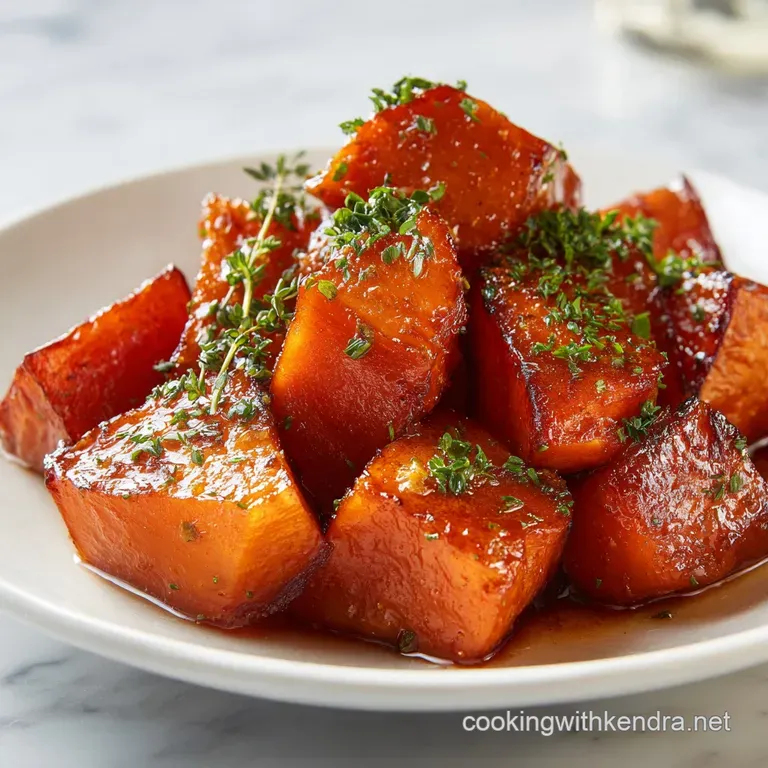
Follow these steps closely to ensure your glaze is thick and your potatoes are perfectly tender. This process takes about 60 minutes from start to finish.
- Peel the sweet potatoes thoroughly, making sure to remove any woody ends or small "eyes." Slice them into uniform 1/2 inch thick rounds. If the potato is very thick in the middle, you can cut those rounds into half moons so they fit better in the pot.
- Place your heavy bottomed Dutch oven over medium heat and add the 1/2 cup of unsalted butter pats.
- Once the butter is melted and starts to foam slightly, whisk in the 1 cup of light brown sugar, 0.5 cup granulated sugar, 1 tsp cinnamon, 0.5 tsp nutmeg, 0.25 tsp ginger, and 1 tsp kosher salt.
- Continue whisking until the mixture resembles wet, shimmering sand and the spices are fragrant.
- Stir in the 1 tbsp vanilla extract and 1 tbsp fresh lemon juice. The mixture might sizzle slightly, but this is normal as the liquid hits the hot fat.
- Carefully add the sweet potato slices to the pot. Use a slotted spoon or spatula to gently toss them until every slice is coated in the sugar butter emulsion.
- Lower the heat slightly to maintain a steady simmer. Cook the potatoes, eventually leaving the pot uncovered, for approximately 45 minutes.
- Gently turn the potatoes every 15 minutes. You will see the liquid transform until it becomes a mahogany colored heavy syrup that bubbles lazily.
- Check for doneness by piercing a potato with a fork. It should slide in with zero resistance, but the round should still hold its shape.
- Remove from heat and let the dish sit for 5 minutes before serving. The syrup will thicken even more as it cools slightly, creating that iconic candied finish.
While these potatoes are simmering, the aroma will fill your house. If you are looking for a main dish to go with this, these pair beautifully with a classic shepherds pie for a full comfort food feast. The savory meat and potatoes in the pie offer a wonderful counterpoint to the sweetness of the candied yams.
Troubleshooting Common Glaze Problems
Even the most experienced home cooks can run into trouble when working with sugar and starch. The most common issue people face is either "mushy" potatoes or a syrup that just won't thicken up.
Why Your Potatoes Turned to Mush
If your potatoes are falling apart, it usually means the heat was too high or you stirred them too aggressively. Sweet potatoes become very fragile as their cell walls break down during the simmering process. You want a "gentle" bubble, not a rolling boil.
Also, ensure you aren't cutting the slices too thin; anything less than 1/2 inch will likely disintegrate before the syrup is ready.
Fixing a Grainy or Broken Syrup
A grainy syrup happens when sugar crystals "seed" the mixture and cause it to solidify. This is why we add the lemon juice; the acid helps keep the sugar molecules from bonding back together. If your syrup looks broken or greasy, it's likely the fat from the butter has separated.
You can usually fix this by adding a tablespoon of hot water and whisking very gently to bring the emulsion back together.
| Problem | Root Cause | Solution |
|---|---|---|
| Watery Syrup | Potatoes released too much water | Simmer uncovered for an extra 10 minutes to evaporate moisture. |
| Burnt Sugar Smell | Heat was too high or not enough stirring | Move to a clean pot immediately; do not scrape the bottom. |
| Crunchy Potatoes | Slices were too thick | Add 1/4 cup water, cover with a lid, and simmer 10 more minutes. |
To avoid these headaches altogether, keep a close eye on the pot during the last 15 minutes of cooking. That is when the most evaporation happens and the syrup can go from "perfect" to "burnt" very quickly.
Common Mistakes Checklist
- ✓ Always peel the potatoes fully; the skins become tough and bitter when candied.
- ✓ Use a heavy pot to ensure even heat distribution and prevent localized burning.
- ✓ Don't skip the lemon juice; the acidity is the secret to a balanced, professional flavor.
- ✓ Resist the urge to stir constantly; a gentle toss every 15 minutes is plenty.
- ✓ Let the potatoes rest for a few minutes after cooking so the syrup can set.
Adjusting for Different Crowd Sizes
This recipe serves 8 people, which is usually perfect for a family dinner. However, you might find yourself needing to scale it up for a big holiday bash or down for a quiet night in.
Scaling Down (Half Recipe) If you only need 4 servings, use 1.5 lbs of potatoes. You can use a smaller saucepan, but make sure it still has a heavy bottom. Since there is less volume in the pot, the syrup will reduce faster.
I recommend checking the potatoes after 30 minutes instead of 45. For the spices, just cut everything in half, including the butter and sugars.
Scaling Up (Double Recipe) Doubling this to serve 16 people requires a very large Dutch oven or even two separate pots. If you try to crowd 6 lbs of potatoes into one standard pot, the ones on the bottom will be smashed while the ones on top stay raw.
If you do use one massive pot, keep the spices and salt to about 1.5x the original amount first, then taste and adjust. Too much salt in a large batch can be overwhelming.
Baking a Large Batch If you are doubling the recipe for a party and don't have enough stovetop space, you can start the glaze on the stove and then pour everything into a large 9x13 baking dish.
Cover with foil and bake at 350°F (180°C) for 40 minutes, then uncover and bake for another 20 minutes to thicken the syrup. This is a great way to handle the volume without needing to hover over the stove.
| Servings | Potato Weight | Butter Amount | Cook Time |
|---|---|---|---|
| 4 People | 1.5 lbs | 1/4 cup | 30-35 mins |
| 8 People | 3 lbs | 1/2 cup | 45 mins |
| 12 People | 4.5 lbs | 3/4 cup | 50-55 mins |
Debunking Sugar and Potato Myths
There is a lot of misinformation out there about how to get the "best" candied sweet potatoes. Let's clear up a few things so you can cook with confidence.
One big myth is that you need to par boil the potatoes in water before candying them. This is actually a mistake! If you boil them in water first, the potatoes soak up that flavorless liquid and won't have "room" to soak up the butter and sugar syrup.
Cooking them directly in the glaze ensures the flavor goes all the way to the center of every slice.
Another common misconception is that "yams" and "sweet potatoes" are the same thing. In the US, almost everything labeled as a yam is actually a variety of sweet potato. True yams are starchy, bark like tubers from Africa and Asia that aren't sweet at all.
For this recipe, stick to the orange fleshed sweet potatoes you find in the produce aisle. They have the natural sugar content required to stand up to the "candying" process.
Finally,, some people think you have to use marshmallows to make them "authentic." While marshmallows are a popular addition, the original old-fashioned recipes relied entirely on the stovetop reduction of butter and sugar. The marshmallows were a later addition that became popular in the mid-20th century.
You don't need them for the dish to be delicious, but they can be a fun texture contrast if you like that extra gooey layer.
Storage and Sustainable Kitchen Tips
Candied Sweet Potatoes are actually one of those rare dishes that might taste even better the next day. As they sit, the potatoes continue to absorb the spices, and the syrup becomes incredibly dense.
Proper Storage Keep any leftovers in an airtight container in the fridge for up to 4 days. When you want to reheat them, I suggest doing it in a small saucepan over low heat with a splash of water to loosen the syrup.
You can use a microwave, but do it in 30 second bursts and stir gently so you don't end up with "hot spots" where the sugar burns.
Freezing Instructions You can freeze these for up to 3 months. Let them cool completely before transferring to a freezer safe bag. To eat, thaw them in the fridge overnight before reheating. The texture might be slightly softer after freezing, but the flavor will still be incredible.
Zero Waste Ideas Don't toss those sweet potato peels! If you have a compost bin, they are nitrogen rich gold. If not, you can toss the clean peels with a little oil and salt and bake them at 400°F (200°C) for 10 minutes to make crispy "potato skin" snacks.
Also, if you have leftover syrup but no potatoes, save that "liquid gold." It is amazing drizzled over vanilla ice cream or used as a glaze for a holiday ham.
For another cozy way to use up extra potatoes, you might want to try making silky mashed potatoes which utilize a similar boiling technique but result in a savory, fluffy side dish that is a great contrast to this sweet version.
How to Serve and Enjoy
Presentation is everything with a dish this beautiful. I love serving these in a shallow white bowl so the dark mahogany syrup really pops. A little sprinkle of flaky sea salt on top right before serving can help cut the sweetness even further and add a nice crunch.
If you want to go the extra mile, you can top the dish with a handful of toasted pecans during the last 5 minutes of cooking. The crunch of the nuts against the velvety potatoes is a match made in heaven.
If you are serving these as part of a large holiday meal, they act as both a side dish and a semi dessert, pairing perfectly with salty meats like roasted turkey or smoked brisket.
Honestly, sometimes I just eat a bowl of these on their own for a late night snack. They are warm, comforting, and remind me of every good meal I've ever had. Whether you're making them for a crowd or just for yourself, take your time with that syrup reduction.
It's the difference between a good side dish and a memory that people will talk about for years. Trust me, once you see that glaze start to thicken and turn that deep, rich brown, you'll know exactly what I'm talking about. Let's get cooking!
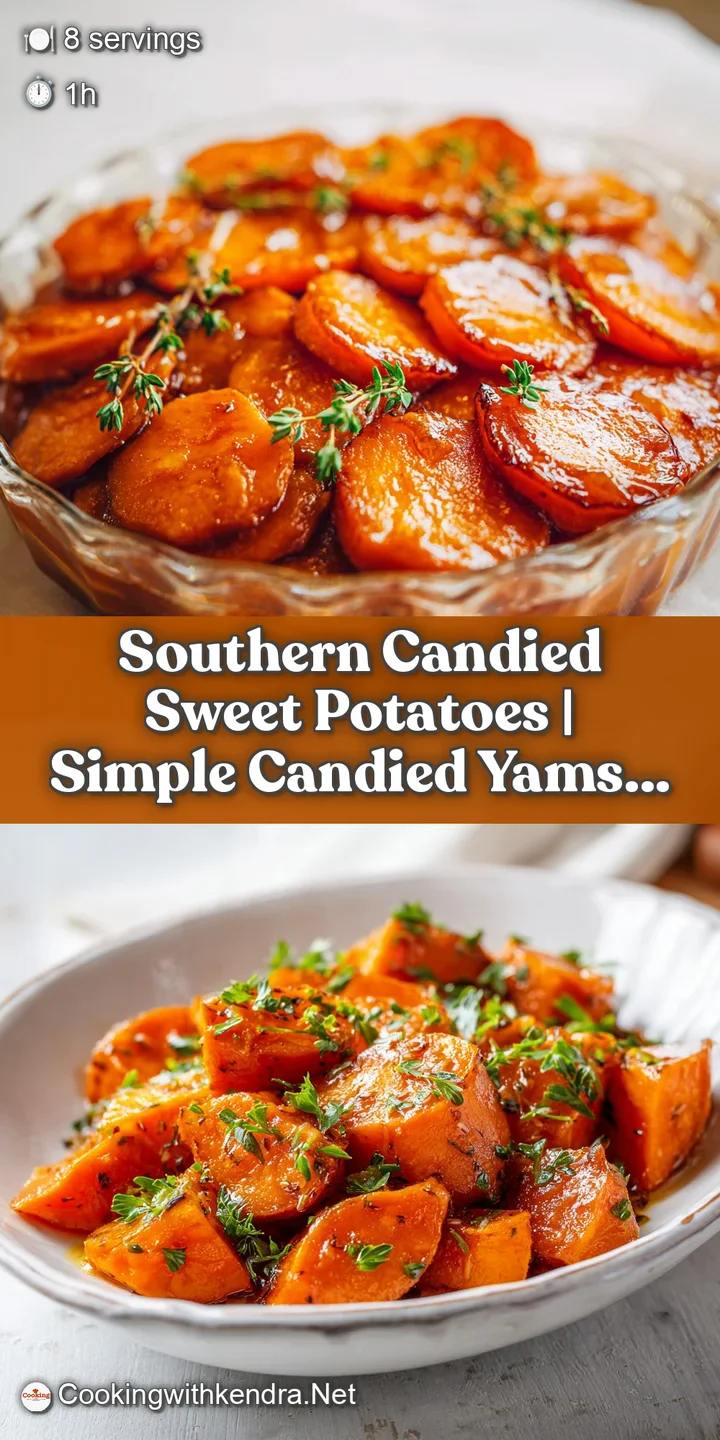
Recipe FAQs
Is sweet potato ok for diabetics?
No, this dish is generally not recommended for diabetics. Between the high sugar content of the glaze and the natural carbohydrates in the potatoes, it causes a significant impact on blood glucose levels.
Is a candied yam and a sweet potato the same thing?
No, this is a common misconception.
Most grocery stores label sweet potatoes as yams, but true yams are a completely different, starchy tuber. You are almost certainly buying and cooking sweet potatoes.
How to make caramelized sweet potatoes?
Melt butter in a heavy bottomed Dutch oven over medium heat before whisking in brown sugar, granulated sugar, cinnamon, nutmeg, ginger, and salt until it resembles wet sand.
Once you add vanilla and lemon juice, stir in your 1/2 inch potato slices and simmer uncovered for 45 minutes until the liquid reduces into a mahogany syrup.
Can heart patients eat sweet potatoes?
Consult your healthcare provider regarding the sugar content. While the vegetable itself is nutritious, the heavy syrup created by the butter and sugars in this recipe may not align with specific dietary restrictions for heart health.
How to prevent the potatoes from becoming mushy?
Slice your potatoes into uniform 1/2 inch thick rounds to ensure even cooking. Keep a close eye on the simmer time; because the sugar reduction is a precise process, monitoring the heat ensures the potatoes stay tender without breaking down into a puree.
How to store leftovers properly?
Transfer the cooled potatoes into an airtight container and keep them in the refrigerator for up to four days. If you enjoyed mastering the texture of these sliced potatoes, you will find similar starch handling principles useful when preparing other potato based side dishes.
How to reheat without burning the glaze?
Warm them in a small saucepan over low heat while adding a tiny splash of water to loosen the thickened syrup. If using a microwave, heat in 30-second bursts and stir gently to avoid creating hot spots that could scorch the sugar.
Southern Candied Sweet Potatoes
Ingredients:
Instructions:
Nutrition Facts:
| Calories | 407 kcal |
|---|---|
| Protein | 2.7 g |
| Fat | 11.5 g |
| Carbs | 76.8 g |
| Fiber | 5.1 g |
| Sugar | 48.2 g |
| Sodium | 304 mg |
