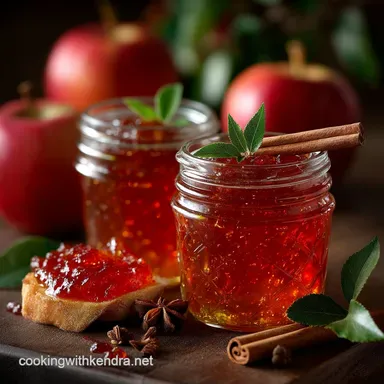
The Ultimate Autumn Comfort Spiced Apple Pie Jelly
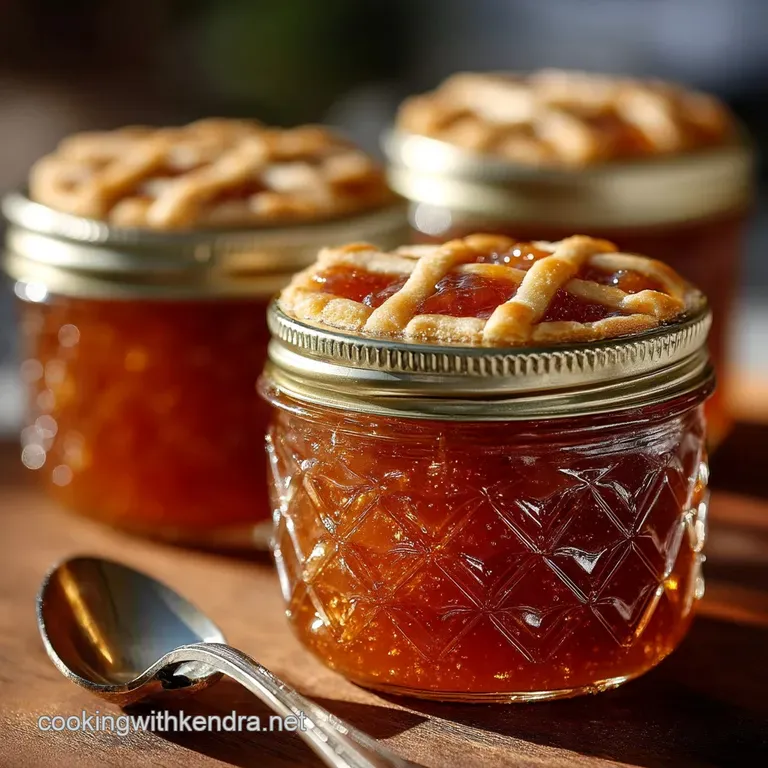
- The Soul of Autumn: Why This Apple Pie Jelly Recipe Matters
- Essential Components: Gathering Your Autumnal Provisions
- Required Kit: Tools for Successful Jelly Setting
- Stage One: Extracting the Pure Apple Essence
- Stage Two: The Transformation to Apple Pie Jelly
- Stage Three: Preserving Your Culinary Treasure
- Troubleshooting and Advanced Tips
- Mastering Storage and Shelf Life
- Nutrition Snapshot and Dietary Considerations
- Recipe FAQs
- 📝 Recipe Card
The Soul of Autumn: Why This Apple Pie Jelly Recipe Matters
There is a profound comfort found in the traditional flavors of autumn, and few desserts evoke such powerful nostalgia as a warm slice of apple pie. This specific Apple Pie Jelly Recipe aims to capture that essence the spiced complexity, the buttery richness, and the underlying tart sweetness and bottle it for enjoyment year round.
Unlike plain fruit preserves, this preserve is a deeply flavored gourmet spread. It is an exercise in culinary precision, transforming raw fruit into a shimmering jewel toned preserve that serves as a constant reminder of cozy holiday baking.
While the process involves a specific technique crucial for preserving, the final result is far easier than baking a pie, delivering all the flavor with none of the crust making hassle.
Bottling Up Comfort: Defining the 'Apple Pie' Flavor Profile
The challenge in creating a true Apple Pie Jelly lies in moving beyond simple apple flavor and recreating the distinct profile of a cooked dessert. We achieve this complexity through deliberate ingredient choices.
The use of high pectin apples, like Granny Smiths, ensures both a superb set and provides the necessary tartness, while the inclusion of dark brown sugar alongside standard granulated sugar is critical.
This blend of sweeteners introduces deep, molasses like caramel notes that perfectly mimic the slightly burnt, caramelized edges of an authentic pie filling and the richness of a buttery pastry crust.
Finally, the slow infusion of whole mulling spices cinnamon, clove, allspice, and a hint of fresh ginger establishes the warming, aromatic backbone that defines the perfect slice of pie.
Jam vs. Jelly: Understanding the Textural Difference We Seek
While many home cooks are familiar with creating Apple Pie Jam , which contains suspended pieces of fruit pulp, our focus here is exclusively on jelly. A proper jelly must be pristine, clear, and possess a firm yet quivering set.
This smooth, translucent texture is what allows the delicate spice notes to truly shine without any cloudy distraction from fruit fibers. Achieving this crystal clear result hinges entirely on patience during the crucial straining phase.
We must extract pure Apple Cinnamon Jelly From Juice , ensuring every drop is free of sediment to create a visually stunning preserve that is perfect for elegant serving.
Beyond Toast: Creative Ways to Use Your Spiced Spread
This unique preserve is far too complex and savory just to be relegated to breakfast duty. Its robust, spiced flavor makes it an incredibly versatile component in both sweet and savory dishes.
For dinner, it makes an outstanding glaze for roasted meats; try spreading a thin layer over a slow roasted pork loin or holiday ham during the final 20 minutes of cooking.
On top of that,, it shines as a sophisticated addition to an autumnal cheese board, pairing exceptionally well with sharp, aged Cheddars or creamy, tangy goat cheese. And of course, nothing elevates a slice of toasted brioche or a warm homemade scone quite like a generous dollop of homemade Apple Pie Jelly Recipe Easy preserve.
Essential Components: Gathering Your Autumnal Provisions
Successfully creating this shimmering preserve relies on precise measurements and high-quality, high pectin fruit. For our base, we require 2 kilograms (about 4.4 lbs) of mixed apples, cored and roughly chopped, along with 1.5 litres (6 cups) of filtered water to extract the essence.
We utilize a blend of sweeteners 900g of white sugar for clean sweetness and 100g of dark brown sugar for depth plus a crucial pouch of liquid fruit pectin to guarantee a reliable set.
Fresh lemon juice provides the necessary acid balance, which is vital for pectin activation, and our whole mulling spices infuse the entire batch with the familiar, comforting aroma of baked apples.
Required Kit: Tools for Successful Jelly Setting
While this is not a technically difficult recipe, success in canning is measured by precision. Having the right tools on hand ensures safety and guarantees the desired texture. A large stock pot or preserving pan (6-8 litre capacity) is necessary to manage the rapid boil without spillage.
The most critical specialized tools include a reliable Candy Thermometer to accurately monitor temperature up to the setting point of 105°C (221°F) and the appropriate canning setup for safe processing.
The Perfect Apple Blend: Achieving Depth Without Pectin
To ensure maximum flavor depth and a good foundation of natural setting agents, we must select apples strategically. Using high pectin varieties, particularly tart, slightly under ripe Granny Smiths mixed with a sweeter apple like Braeburn, provides the perfect balance.
Leaving the skins on during the initial cook down maximizes the pectin yield. While we do rely on commercial liquid pectin for an infallible set, starting with a juice highly concentrated with natural pectin results in a much richer, more viscous final product.
The pure Apple Jelly With Apple Juice extract we create forms the flavorful, clear foundation.
Spice Ratio Secrets: Building That Buttery Crust Flavor
The magic of the pie flavor profile comes from infusing whole spices slowly. Our recipe calls for a sachet containing three large cinnamon sticks, one teaspoon of whole cloves, six allspice berries, and a slice of fresh ginger.
Using whole spices allows the flavors to permeate the liquid gently during the simmering phase without introducing the cloudiness associated with ground spices. A final touch of vanilla extract, added later, mimics the subtle dairy and vanilla notes often found in a high-quality buttery pie crust.
Sweeteners and Acids: Balancing the Pie Base
The combination of 900g granulated sugar and 100g dark brown sugar is intentional. Granulated sugar allows the final jelly to maintain its clear, translucent sheen, while the brown sugar is the heavy lifter, adding that deep, caramelized depth essential for the "pie" designation.
Two tablespoons of fresh lemon juice one added during the initial cook and one during the final boil provide the necessary acidity. This acid not only brightens the fruit flavor but, more importantly, facilitates the proper chemical reaction that liquid pectin requires to create a firm, long lasting set.
Must Have Canning Equipment Checklist
For safe and secure long term preservation, you must be properly equipped for the final canning stage. Essential items include a Water Bath Canner (or a very deep pot with a rack to keep jars off the bottom), a reliable Jar Lifter for safe handling of hot jars, and five to six standard half pint (250 ml) jars.
Ensure you have new, unused lids, as these guarantee a proper seal, vital for a successful Apple Pie Jelly Canning Recipe .
Preparing Jars and Lids for Sterilization
Before you even begin cooking the fruit, your jars must be clean and hot. Sterilizing the jars is crucial for preventing spoilage and ensuring the integrity of your preserved food.
Jars should be washed thoroughly and kept warm either in the water bath canner itself (submerged in simmering water) or in a 180°F oven. Keeping the jars hot prevents thermal shock when the boiling jelly is ladled in, which could cause glass breakage.
The lids (flats) should be gently simmered in hot (not boiling) water just prior to use, which softens the sealing compound.
Stage One: Extracting the Pure Apple Essence
The first phase is dedicated entirely to creating the clear, flavorful liquid base. The 2 kg of roughly chopped, cored apples (skins on) are combined with 1.5 litres of water, the first tablespoon of lemon juice, and the whole spice sachet.
The mixture is brought to a boil, then immediately reduced to a very gentle simmer. This covered cooking period, lasting 25– 30 minutes, is designed to break down the fruit cells and release maximum flavor and natural pectin into the water.
The result should be mushy, completely softened apples suspended in a fragrant, slightly cloudy liquid.
Related Recipes Worth Trying
- The Best Country Chicken Pot Pie Buttermilk Crust No Soggy Bottom — Master this rich Country Chicken Pot Pie The tender buttermilk crust guarantees no soggy bottom perfectly cradling the creamy thymeinfused filling Proper...
- Rustic Farmhouse Strawberry Pie Flaky Crust Bright Fresh Filling — This Homemade Strawberry Pie uses a classic farmhouse technique for a perfectly flaky allbutter crust and a sweet fresh strawberry filling that sets...
- The Ultimate Southern Pecan Pie Flaky Crust Fudgy Filling — Master this Traditional Southern Pecan Pie recipe and guarantee a flaky buttery crust every time Our Deep South version features a rich fudgy filling never...
Stage Two: The Transformation to Apple Pie Jelly
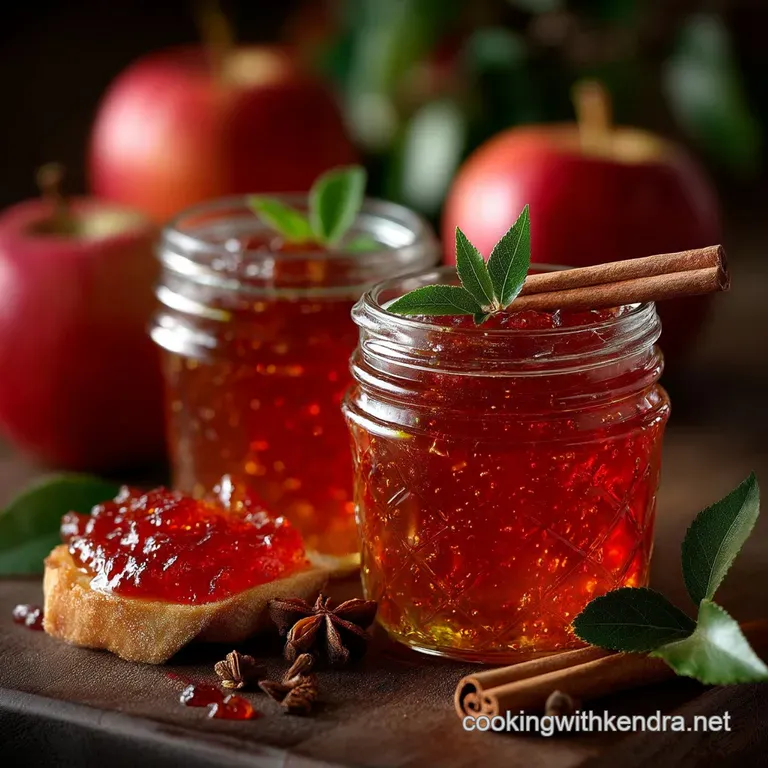
Once the pure juice has been strained (a process requiring patience, detailed below), the real transformation begins. We pour the resulting 1.2 litres (approximately 5 cups) of clear liquid into the preserving pan.
This is when the sugars (white and brown), the second tablespoon of lemon juice, and the vanilla extract are added. The liquid is brought slowly to a simmer while stirring to ensure all sugars are completely dissolved before the mixture reaches a full, rolling boil.
Only then, at the height of the boil, is the liquid pectin introduced to initiate the critical setting chemistry.
Stage Three: Preserving Your Culinary Treasure
The final stage involves rapidly achieving the setting point, skimming for clarity, and safely processing the jars in a water bath to ensure long term stability and preservation. This sequence moves quickly, requiring focus and preparation of the canning tools beforehand.
Gentle Cooking: Softening the Fruit for Maximum Juice Release
As mentioned, the initial gentle simmer, lasting about 30 minutes, must ensure the apples are completely broken down. If the apples retain too much structure, the pectin and flavor molecules will remain locked within the fruit fibers, resulting in a diminished yield of clear juice.
The goal is a pulp so soft it barely holds its shape, maximizing the output of the flavorful liquid needed for the final preserve.
The Critical Strain: Achieving Absolute Clarity (No Pulp Allowed)
This step distinguishes true jelly from other preserves. The cooked apple and spice mixture must be transferred to a jelly bag or a colander lined with several layers of fine cheesecloth, suspended over a deep pot.
It is absolutely crucial to allow the liquid to drip, undisturbed, for a minimum of 8 hours, or ideally overnight. To ensure the exquisite clarity of this Apple Pie Jelly , you must resist the urge to press, squeeze, or stir the pulp, as this will force sediment through, resulting in a cloudy or dull finish.
Combining the Liquid Base and Spice Infusion
Once the clear juice has been extracted and measured (aiming for 1.2 L), transfer it to a clean pot. Add the measured granulated sugar and dark brown sugar, the final lemon juice, and the optional half teaspoon of unsalted butter.
The butter is a professional trick that helps minimize surface foam during the rapid boil. Stir continuously over medium heat until the sugar is fully dissolved; gritty sugar residue on the pan bottom indicates insufficient dissolving, which can interfere with the set.
Finding the Setting Point: Three Ways to Test for Success
Achieving the correct set requires heating the mixture quickly once the liquid pectin is added. After establishing a full, rolling boil that cannot be stirred down, add the liquid pectin quickly. Immediately restart the timer and boil hard for exactly 60 seconds.
An accurate candy thermometer should register 105°C (221°F) at this point. If you doubt your thermometer, the classic Cold Plate Test is reliable: chill a small saucer, drop a teaspoon of boiling jelly onto it, return it to the freezer for 30 seconds, and push it with your finger.
If the surface wrinkles, the set is achieved.
Skimming the Surface: Removing Foam for a Pristine Finish
Even with the butter trick, a small amount of foamy scum often rises to the surface during the final rapid boil. For a professional, clear finish, the moment the pot is removed from the heat, quickly and carefully skim this foam off using a wide, flat metal spoon.
Discard the foam; the small loss in volume is worth the resulting pristine, gem-like appearance of your Apple Jelly Recipe With Pectin .
Careful Filling: Avoiding Air Pockets and Spillage
Working quickly while the jelly is still boiling hot, use a funnel and ladle to fill the pre-sterilised, hot jars. Fill the jars up to the shoulder, leaving exactly ¼ inch (6 mm) of headspace between the surface of the jelly and the rim of the jar.
Wipe the rims meticulously clean with a damp cloth; even a speck of sugar can prevent a proper seal. Center the lids and tighten the screw bands "fingertip tight" just snug enough that they offer resistance.
Troubleshooting and Advanced Tips
The world of preserving, whether you are tackling Apple Pie Jam or this delicate jelly, relies on careful observation. When issues arise, they almost always relate to temperature, pectin activation, or incorrect headspace.
Knowing how to quickly correct a soft set or manage cloudiness is key to preserving success.
Mastering Storage and Shelf Life
A properly processed jar of preserves is shelf stable, offering incredible convenience. Long term success in preserving depends on three main factors: adequate headspace, proper water bath processing time ( 10 minutes, adjusted for altitude), and maintaining optimal storage conditions.
This careful preparation guarantees that your preserve remains a flavor highlight for months or years to come.
Nutrition Snapshot and Dietary Considerations
While homemade preserves are free from artificial preservatives and coloring, it is important to note that jelly, by nature, is high in sugar required for both flavor and preservation.
A typical serving (one tablespoon) of this preserve, based on the high sugar content (900g granulated and 100g brown), provides an estimated 80 95 calories and approximately 20 grams of carbohydrates, almost entirely from sugar. This recipe is naturally fat-free and contains negligible protein or fiber.
What to Do If Your Apple Pie Jelly Won't Set Properly
If, after 24– 48 hours of cooling, your preserve is still runny, do not despair. This happens when the set point (105°C) was not properly achieved or the pectin wasn't fully activated. The best solution is to unseal the jars, return the jelly to the pan, and reboil.
You may need to add half a pouch of fresh liquid pectin, dissolving it first in a quarter cup of the warmed jelly before returning it to the full batch and bringing it back to a full, rolling boil for a full 60 seconds before refilling and reprocessing the jars.
Adjusting the Consistency for a Runnier Glaze
If you purposefully desire a thinner, runnier consistency, perhaps to use the jelly purely as a syrup for pancakes or a glaze for chicken wings, you have two options. First, you can slightly reduce the amount of liquid pectin used. Alternatively, during the final 60-second boil, stop the heat about 15 seconds early.
This slight under cooking will prevent the full chain reaction needed for a firm set, yielding a glossy, delicious, thick syrup consistency instead.
Cooling Down: Hearing the Satisfying Lid Pop
The most rewarding sound in Canning Jam or jelly is the distinct "pop" of the lid as the jar cools. This sound confirms that a strong vacuum seal has formed.
After removing the jars from the water bath, place them on a rack or folded towel away from drafts to cool completely for 12 to 24 hours. After cooling, check the seals the center of the lid should be concave and depressed.
If the center springs up when pressed, the jar is not sealed and must be refrigerated and used immediately.
Optimal Conditions for Long Term Preservation
For sealed jars, the optimal storage environment is a cool, dry, and dark pantry or cellar. Keeping the jars away from direct light and temperature fluctuations ensures the quality and color remain pristine. Stored correctly, this homemade Apple Pie Jelly will retain its quality for one to two years.
Once opened, however, the jar must be refrigerated and consumed within one to three weeks.
Variations on the Theme: Adapting the Spices
While our recipe focuses on a traditional profile, the beauty of homemade preserves lies in customization. If you enjoy a stronger gingerbread note, increase the amount of fresh ginger used. For a more sophisticated flavor profile, consider adding a twist of orange peel to the spice sachet during the initial simmer.
Alternatively, for a truly gourmet twist, include half a teaspoon of high-quality sea salt (like Maldon) alongside the brown sugar and pectin to create a fantastic salted caramel version of the Apple Pie Jelly Recipe .
Recipe FAQs
I followed the recipe exactly, but my jelly is runny. What went wrong, and can I fix it?
Oh dear, a runny jelly can be a real headache! The usual culprits are not quite reaching a full, rolling boil that cannot be stirred down, or failing to hit that crucial 105°C (221°F) setting temperature. Don't throw the towel in yet; you can generally re-process it.
Simply re-boil the runny mixture with another measured tablespoon of liquid pectin, boil hard for exactly 60 seconds, and re-jar immediately.
How do I make sure this Apple Pie Jelly has that deep, comforting spice taste and not just plain apple?
Getting that authentic 'pie' flavour relies heavily on using the dark brown sugar and the robust whole spices that hint of caramel is spot on for mimicking a buttery crust. The dark brown sugar provides the critical caramelised butter note missing from plain preserves, so don't skimp on it.
For maximum spice extraction, ensure you simmer the apples with the spices for the full 30 minutes, allowing the flavour to properly infuse the juice.
My jelly turned out a bit murky it's not clear and shimmering like yours. Why is that?
The secret to crystal clear jelly, mate, is saint like patience during the straining phase we can't have any muddy bits! If you pressed, squeezed, or stirred the jelly bag while the juice was dripping, fine apple solids were pushed through, resulting in cloudiness.
Next time, just let it drip passively overnight; if it’s already murky, you can try straining the cold juice again through a fresh cheesecloth before the final boil.
If I process this properly, how long can I store this beautiful jelly in the cupboard?
If you've followed the water bath canning steps correctly and your lids have properly sealed (you should hear a satisfying ‘pop’!), your jelly is wonderfully shelf stable. Stored in a cool, dark cupboard, it will keep perfectly well for up to 18 months Bob’s your uncle!
Once you open a jar, treat it like any standard jam and ensure it lives in the fridge.
What are some brilliant ways to use this Apple Pie Jelly besides putting it on a crumpet?
This spiced delight is far too good just for breakfast toast, although it’s smashing on a scone! Try warming it slightly to use as a luxurious glaze for a holiday ham or roast pork loin, as the tart spice cuts through the richness beautifully.
It's also a fantastic pairing for a sophisticated cheese board, especially alongside sharp Cheddar or a creamy Brie.
Spiced Apple Pie Jelly Canning Recipe