Prime Rib Roast: Ultimate Slow-Roast Perfection
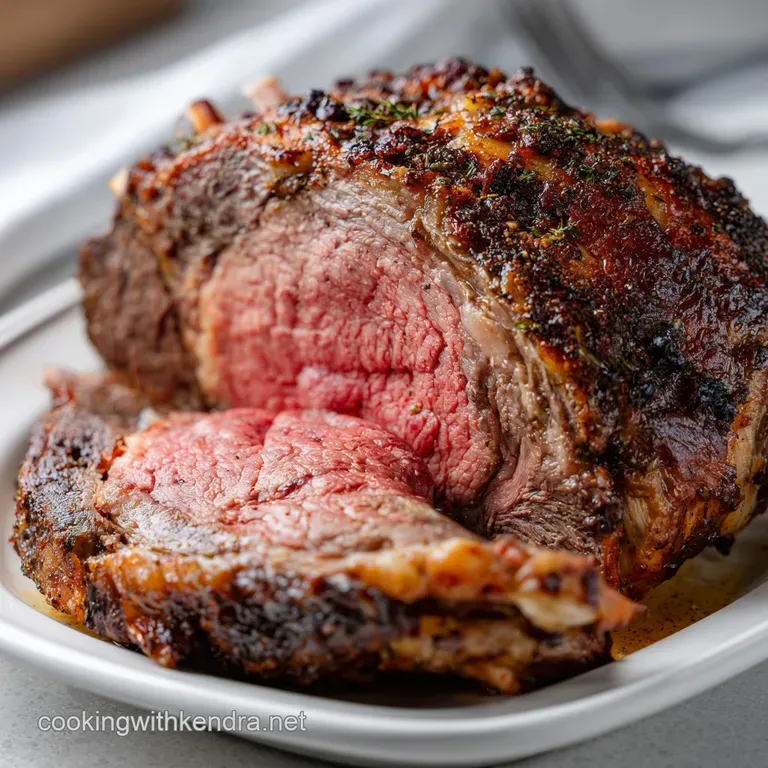
- The Magnificent Prime Rib Roast: Mastering the Reverse Sear
- The Science of Succulence: Why Reverse Sear is Superior
- Securing the Perfect Roast: Ingredients and Preparation Notes
- Low and Slow to Perfection: The Reverse Sear Cooking Method
- Troubleshooting Your Roast: Expert Tips for a Flawless Finish
- Maintaining the Majesty: Storage and Reheating Guidelines
- Elevating the Feast: Classic Pairings and Side Dishes
- Recipe FAQs
- 📝 Recipe Card
The Magnificent Prime Rib Roast: Mastering the Reverse Sear
You want to make a statement? Forget your fancy holiday candles and your complicated cocktails. The aroma of a perfectly roasted Prime Rib Roast —crisp, herby crust, juices bubbling slightly, hinting at the deep, blushing red interior that is the true declaration of celebration.
I used to panic about this cut, honestly. It’s expensive, it’s dramatic, and you only get one shot. But trust me, we’re going to achieve a result so spectacular that your family will assume you secretly attended culinary school.
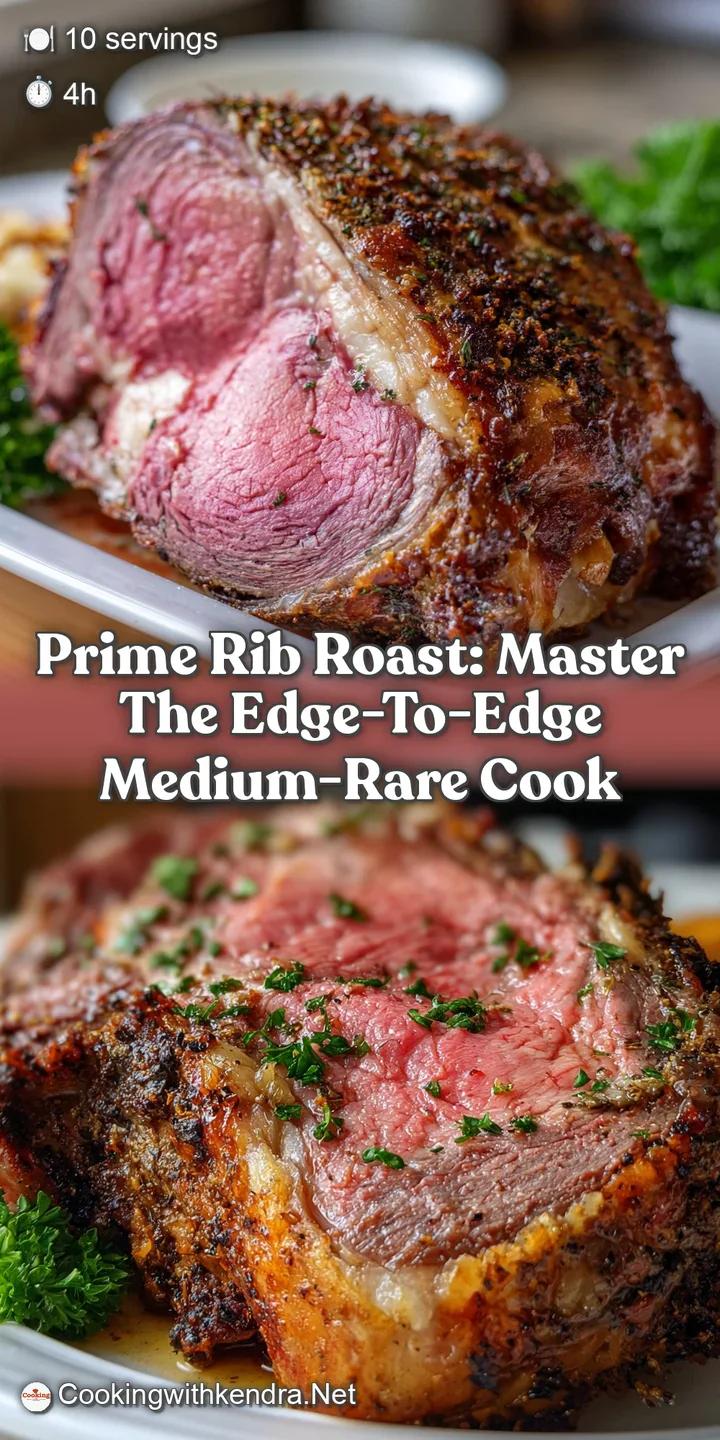
The secret weapon here is the reverse sear method. It sounds complex, but it’s actually foolproof, delivering an edge-to-edge medium rare consistency that makes a traditional over high heat roast look amateur.
Plus, because the cooking is done low and slow, it frees you up for hours to organize sides or just relax. This is the easy prime rib recipe you’ve been waiting for, and it will save you so much stress on the big day.
We are going to focus ruthlessly on temperature control, using the low and slow approach to guarantee the best possible texture. The resulting herb crust is savory and punchy, providing the perfect counterpoint to the deeply rich, tender interior of the Standing Rib Roast .
Let’s crack on and guarantee perfection.
The Science of Succulence: Why Reverse Sear is Superior
If you’ve ever had a prime rib that was perfectly pink in the center but surrounded by a thick, unappetizing ring of gray, you experienced a failure of temperature management. The reverse sear flips the script, prioritizing internal uniformity first.
It truly is the best way how to cook prime rib .
Defining the Cut: What is a Standing Rib Roast?
A Prime Rib Roast is cut from the rib section, usually consisting of two to seven ribs. When you leave the bones attached and the roast stands upright on them, it’s officially a standing rib roast. Opting for a bone in prime rib roast adds insulation, which helps the meat cook more evenly, and those bones make for incredible flavor, plus you get the bonus of Roasted Bone Marrow with Zesty Parsley Salad Recipe later if you’re ambitious. Just make sure the butcher cuts the bones away and ties them back on; that makes carving infinitely easier.
Why We Use a Low-Temperature Oven Start
We start cooking this glorious Prime Rib Roast at just 250°F (120°C). Why so low? High heat immediately causes the outer proteins to seize up and contract rapidly. This forces moisture out and creates that dreaded gray band just under the crust.
Cooking it slowly ensures the heat penetrates gently, giving us that beautiful, rosy pink color right up to the very edge.
Essential Equipment Check: Thermometers and Roasting Pans
Let’s be honest: you cannot make this recipe without a reliable digital probe thermometer. It is the single most crucial tool for successfully making a prime rib roast recipe oven .
If you try to rely on timing alone, you are simply guessing with an expensive piece of meat, and that makes my stomach hurt just thinking about it. Also, make sure you use a V-rack or wire rack set inside your roasting pan; air needs to circulate underneath the roast to ensure the bottom crusts up as well.
Achieving Edge-to-Edge Medium Rare Uniformity
The beauty of the slow cook is its precision. By holding the oven temperature low, the interior of the roast heats up gradually, allowing the center and the edges to stay very close in temperature until the target of 120°F (49°C) is hit.
This is how professional chefs get that perfect, uniform medium rare look across every slice. This low-temp method virtually eliminates the risk of overshooting your desired internal doneness.
The Magic of the Maillard Reaction and the Final Crust
Once the roast is cooked slowly and rested, we blast it in a 500°F (260°C) oven. This sudden, violent heat accomplishes one thing: the Maillard Reaction. This is the scientific process that turns the surface sugars and proteins into hundreds of new flavor compounds, creating that deep brown, intensely savory, crunchy Prime Rib Roast crust, or "bark." The internal temperature hardly rises during this short sear because the meat has rested and cooled slightly.
Dry Brining vs. Wet Rubs for Maximum Flavor Penetration
I am a dry brining extremist, especially for a Prime Rib Roast . Do not use a wet marinade! Salt is the key. By applying coarse Kosher salt generously the day before and letting the roast sit uncovered in the fridge, we draw moisture out, dissolve the salt, and then the salted moisture is reabsorbed.
This seasons the meat deep into the center and, crucially, dries the surface, which is essential for that ultimate crust.
Kendra’s Critical Tip: That dried, slightly tacky surface is your insurance policy. If the meat is wet going into the oven, the energy will be spent evaporating the water instead of creating the crust. Pat it dry ruthlessly before the herb rub goes on.
Securing the Perfect Roast: Ingredients and Preparation Notes
Choosing Your Ribs: Bone-In vs. Boneless Weight Calculations
When shopping for your roast, aim for about 1 pound (450g) per adult serving, maybe slightly more if you want leftovers. If you choose bone-in, the weight calculation already accounts for the bone. If you buy a boneless rib roast, you can reduce the overall weight by about 10 15%.
Always go for USDA Prime or Choice this is a splurge, so don't skimp on quality.
Crafting the Robust Herb and Garlic Crust
This rub is simple, but powerful. The fresh herbs rosemary and thyme infuse the fat cap beautifully as the roast cooks.
| Ingredient | Role | Substitution Tip |
|---|---|---|
| Coarse Kosher Salt | Dry brine/Seasoning | Use half the amount if substituting fine sea salt. Never use iodized table salt for brining. |
| Olive Oil | Binder/Fat | Substitute: Melted clarified butter (ghee) or over high heat avocado oil works perfectly and adds a rich flavor. |
| Dijon Mustard | Adhesion/Tang | Substitute: This is purely for flavor and stickiness. You can skip it, or swap for an equal amount of Worcestershire sauce. |
| Fresh Herbs | Aromatics | Substitute: If you absolutely must use dried herbs (which I don't recommend for the best crust!), use one-third the amount listed. |
| Garlic | Punch | Substitute: 1 tablespoon of quality garlic powder mixed with the oil will work if you don't have fresh, but mince the fresh stuff if you can! |
Tying and Trussing for Even Cooking
If your butcher hasn't already done so, use kitchen twine to tie the roast firmly at 1.5 inch intervals. If you opted for a bone-in Prime Rib Roast , tie the ribs back onto the meat. This ensures the roast maintains a cylindrical shape, allowing for even heat distribution.
It’s like wrapping a beautiful present that contains the best dinner ever.
Ingredient Sourcing and Quality Checks
Since we are making a glorious Prime Rib Roast , the quality of your ingredients matters. Ensure your herbs are truly fresh and vibrant; they should smell aggressively good. Your olive oil should be standard quality for cooking, nothing too expensive as it’s mainly a carrier.
And of course, the rib roast itself should have plenty of gorgeous marbling. Marbling equals flavor and succulence.
Low and Slow to Perfection: The Reverse Sear Cooking Method
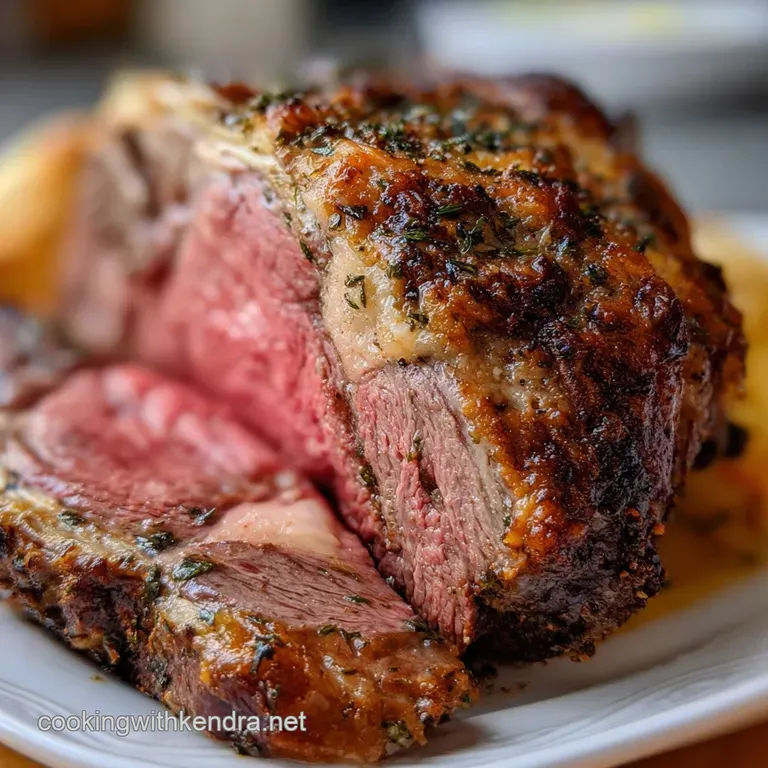
This process for the standing rib roast recipe requires patience, but your effort on day one (the salting) pays dividends now.
Preparing the Roast: Salting and Tempering Guidance
Remember that overnight dry brine? Two hours before you plan to put the roast in the oven, take it out of the fridge. Scrape off any large granules of salt sitting on the surface (the job is already done!) and pat it dry again.
This tempering step, letting it sit at room temperature, is critical for achieving even cooking. While it rests, mix your herb rub and preheat that oven to 250°F (120°C). Once rubbed, insert your probe deep into the center of the roast.
First Stage Cook: Low Temperature Internal Targets
Place the seasoned Prime Rib Roast on the rack, fat side up. Don’t peek! Every time you open that oven door, you lose 50 degrees of heat, which slows the cooking and can mess up your prime rib cooking times . We are aiming for 120°F (49°C).
I made the mistake once of constantly opening the door, worried about how fast it was going. It took an extra hour! Just trust the thermometer. When the probe hits 120°F, it is done with the slow part.
Crucial Resting Period: Why You Must Wait Before the Sear
This 30 to 45 minute rest period is non-negotiable. I mean it. If you skip this, all your work is wasted.
THE MANDATORY REST: During the rest, the muscle fibers relax and redistribute the juices that have been squeezed toward the center during cooking. This also allows for the crucial 'carryover cooking,' where the internal temperature rises 5 10 degrees, taking us right into the perfect 130°F medium rare zone.
Tent it loosely with foil we don't want to steam the future crust.
Final Sear: Cranking the Heat for that Blistering Crust
After the long rest, slide the roast back onto the rack and crank that oven to 500°F (260°C) or even 550°F (290°C). The temperature shift will be dramatic. The searing stage should take 10 to 15 minutes. Watch the crust closely; you want a deep mahogany brown, not black.
You will hear the fat begin to sizzle and spit aggressively. That sound is music! Once the crust is golden and gorgeous, pull the roast out immediately. It’s ready to carve and become the centerpiece of your feast.
Troubleshooting Your Roast: Expert Tips for a Flawless Finish
Deciphering the Internal Temperature Doneness Chart
Don’t confuse the pull temperature with the final temperature.
| Desired Doneness | Pull Temperature (Before Rest) | Final Temperature (After Rest & Sear) |
|---|---|---|
| Rare | 115°F (46°C) | 125°F (52°C) |
| Medium Rare | 120°F (49°C) | 130°F (54°C) |
| Medium | 125°F (52°C) | 135°F (57°C) |
For a perfect medium rare Prime Rib Roast, pull at 120° F every single time.
Handling Uneven Roasts and Hot Spots
If your roast is strangely shaped or you know your oven runs hot on one side, rotate the pan halfway through the low-temp cook. Also, if you notice one end getting done faster, you can shield it with a small piece of foil during the searing stage. The goal is always even exposure.
Preventing a Gray Band Under the Crust
The gray band happens because the outer meat overheated (over 140°F/60°C). The slow, 250°F cook addresses this directly. The other way to prevent it is by ensuring your rest period is long enough before the over high heat sear.
If the outside of the roast is cooler before it goes into the 500°F oven, it takes longer for the heat to penetrate the cooked outer layer, protecting the interior.
Slicing the Rib Roast: Expert Carving Techniques
When slicing your rib roast recipe , always cut across the grain . First, if you used a bone-in roast, slice the twine and detach the bones cleanly. Then, locate the direction of the muscle fibers and slice perpendicular to them.
This shortens the fibers, making the meat incredibly tender and easy to chew. Slice your pieces about 1/2 to 3/4 inch thick thick enough to hold that luscious pink center.
Maintaining the Majesty: Storage and Reheating Guidelines
Safely Storing Leftover Prime Rib
If you have leftovers (lucky you!), the key is airtight storage. The sliced or unsliced leftover Prime Rib Roast will last safely in the refrigerator for 3 to 4 days.
If you plan to freeze it, I recommend slicing the leftovers first, then storing them in a freezer safe bag with as little air as possible. It will keep well for up to 3 months.
The Best Way to Reheat Sliced or Whole Roast
Never, ever reheat this high value meat in the microwave, unless you enjoy chewing shoe leather. The best way to reheat is low and slow.
- For Slices: Place slices on a wire rack over a baking sheet. Splash a teaspoon of au jus or high-quality Prime Rib Roast au jus onto the slice, cover loosely with foil, and warm in a 250°F (120°C) oven for about 10– 15 minutes, until warm but not hot.
- For a Chunk: Wrap the whole chunk tightly in foil and warm it in a 300°F (150°C) oven until it just reaches 110°F (43°C) internally.
Elevating the Feast: Classic Pairings and Side Dishes
A magnificent Prime Rib Roast deserves equally impressive supporting actors. Don’t let that rich gravy go to waste!
A traditional pairing involves a classic, creamy sauce. We always make a quick horseradish cream the tang cuts through the richness beautifully. If you're looking for an indulgent side that handles the drippings beautifully, I highly recommend our Side Dishes for Prime Rib Dinner: Creamy Horseradish Gratin . It’s basically heaven in a dish. Roast potatoes are mandatory, of course.
Making this celebratory Prime Rib Roast recipe is genuinely easier than you think, provided you stick to the thermometer. Follow these steps, give it the proper dry brine, and prepare for the quiet awe of your guests. Enjoy this incredible meal!
Recipe FAQs
Why is resting the prime rib roast absolutely necessary?
Resting allows the internal juices, which have been pushed toward the center by the heat, to redistribute evenly throughout the meat fibers. Skipping this crucial step results in the juices spilling out immediately when you slice, leaving the meat dry and tough.
Aim for a 20 to 45-minute rest period, loosely tented with foil.
What internal temperature should I aim for when removing the roast for medium rare?
For a final perfect medium rare (130-135°F), remove the roast from the oven when its internal temperature reaches 120°F (49°C) after the low-heat phase. The temperature will continue to rise (carry over cooking) by about 5-10 degrees during the final searing phase and while resting.
My crust isn't crispy after the reverse sear; what went wrong?
A non-crispy crust usually means the roast’s exterior was too moist before the final, high heat sear. Ensure the roast is patted completely dry before seasoning, and verify that your oven reached a true temperature of 500°F or higher before placing the roast back in. Moisture is the enemy of crispness.
Can I use a boneless roast instead of a bone-in standing rib roast?
Yes, a boneless roast works perfectly well, though your overall cooking time may be slightly shorter due to lack of bone insulation. Ensure you securely tie the roast every 1.5 inches to maintain a uniform shape, which is critical for even cooking and a consistent final appearance.
How far in advance should I salt the prime rib for the best flavour?
Salting the roast 24 to 48 hours in advance is highly recommended; this allows the salt time to penetrate deep into the meat and tenderize it through a dry-brining process. If you cannot salt that early, salt it immediately before cooking; avoid salting 2-6 hours prior, as this only draws moisture out without enough time for it to be reabsorbed.
Can I freeze leftover prime rib, and how should I reheat it?
You can freeze leftover prime rib by slicing it first and sealing the slices tightly in vacuum sealed or freezer safe bags, removing all excess air. To reheat, thaw overnight and warm gently in a low-temp oven (around 250°F) or sous vide, perhaps adding a splash of beef broth to prevent the meat from drying out.
Why use the reverse sear method over the traditional high then-low method?
The reverse sear method provides a much more evenly cooked roast from edge to edge, significantly reducing the undesirable grey band of overcooked meat common in traditional methods. Cooking low first gently raises the internal temperature, allowing precise control, before the final searing creates a spectacular crust.
Ultimate Slow Roast Prime Rib Roast
Ingredients:
Instructions:
Nutrition Facts:
| Calories | 823 kcal |
|---|---|
| Protein | 36.0 g |
| Fat | 74.0 g |
| Carbs | 1.0 g |
