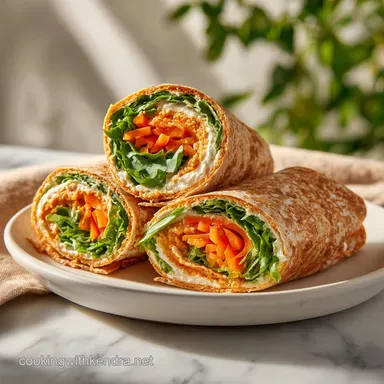
The Ultimate Veggie Wrap: Crisp and Fresh
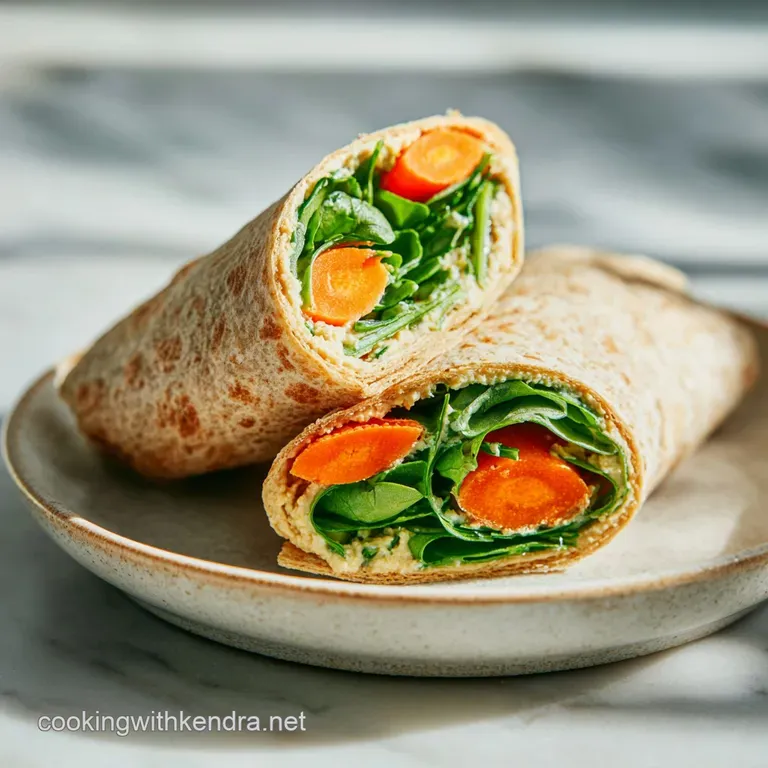
- Time:15 minutes active = Total 15 minutes
- Flavor/Texture Hook: Zesty, crunchy, and velvety
- Perfect for: Quick vegetarian lunches for work
- The Ultimate Veggie Wrap
- Component Analysis
- The Essential Ingredient List
- The Basic Tool Kit
- Assembling the Layers
- Preventing Common Wrap Fails
- Troubleshooting Common Issues
- Swaps for Every Diet
- Scaling the Batch
- Debunking Wrap Myths
- Storage and Freshness Tips
- What to Serve Beside
- Recipe FAQs
- 📝 Recipe Card
Ever wonder why some store-bought wraps taste like wet paper while others stay crisp and vibrant? I used to think it was just luck or some secret industrial additive, but it actually comes down to how you layer the moisture.
I remember making a batch for a hiking trip once, and by noon, the bottom of the tortilla had completely dissolved into the hummus, leaving me with a handful of loose carrots and a very sad lunch.
That failure taught me that a Veggie Wrap isn't just a pile of salad in a flour blanket, it's an engineering project. You have to manage the water content of the vegetables and create a fat based shield between the wet stuff and the bread.
Once I figured out the "barrier method," my lunches went from depressing to the highlight of my day.
We're going to build this using a mix of global inspirations, combining the creaminess of Mediterranean hummus with the bright, zesty notes of a Latin style avocado smash. You can expect a meal that feels light but keeps you full, with a texture that actually holds up in a lunchbox.
The Ultimate Veggie Wrap
To make a Veggie Wrap that actually works, you need to understand the role of each layer. Most people just throw everything in and roll it up, but that's how you get the dreaded "soggy bottom." By massaging the greens and using the hummus as a seal, we keep the structural integrity of the tortilla intact.
Moisture Barrier: Spreading hummus across the tortilla creates a fat based seal that prevents water from the vegetables from soaking into the grain.
Fiber Breakdown: Massaging the spinach with lime and salt breaks down the tough cellular walls, making the greens more tender and easier to roll.
Texture Layering: Placing the heaviest, densest items (like avocado) in the center prevents them from squishing the lighter greens against the tortilla.
Acid Balance: The lime juice doesn't just add zing, it prevents the avocado from oxidizing and turning brown.
| Fresh Approach | Shortcut Method | Impact | Best For |
|---|---|---|---|
| Massaged Greens | Pre washed Mix | More flavor, less bulk | Meal Prep |
| Shredded Carrots | Pre cut Slaw | Better crunch control | Quick Lunch |
| Fresh Lime | Bottled Juice | Brighter, more aromatic | Gourmet feel |
I've found that when you take the extra two minutes to prep the greens, the overall experience of the Veggie Wrap changes completely. It stops feeling like a raw salad and starts feeling like a cohesive meal. If you're into other tortilla based meals, you might also love my Creamy Chicken Enchiladas for a warmer, cheesier vibe.
Component Analysis
Understanding why we use these specific items helps you make better swaps later on.
| Ingredient | Science Role | Pro Secret |
|---|---|---|
| Hummus | Emulsified Barrier | Use a thick brand to avoid "runniness" |
| Lime Juice | pH Balancer | Rub it directly into the spinach first |
| Whole Wheat | Structural Base | Warm slightly for better flexibility |
| Avocado | Healthy Lipid | Slice into thin wedges, don't mash |
The Essential Ingredient List
Gather these items before you start. For this plant based veggie wrap, quality matters, especially with the produce.
- 4 large whole wheat tortillas (8 inch) Why this? More fiber and better structure than white
- 2/3 cup hummus Why this? Acts as the glue and the moisture shield
- 1 ripe avocado, sliced Why this? Adds velvety richness
- 2 cups baby spinach Why this? Mild flavor, high nutrient density
- 1/2 cup carrots, shredded Why this? Essential for that shatter crisp texture
- 1/2 cup cucumber, julienned Why this? Provides a cooling, watery crunch
- 1/2 cup red bell pepper, thinly sliced Why this? Adds sweetness and vibrant color
- 1/4 cup red onion, thinly shaved Why this? Sharp contrast to the creamy hummus
- 1 tbsp fresh lime juice Why this? Cuts through the fat of the avocado
- 1 tsp sea salt Why this? Enhances the natural veggie flavors
- 1/2 tsp cracked black pepper Why this? Adds a subtle earthy heat
Substitution Table
| Original Ingredient | Substitute | Why It Works |
|---|---|---|
| Whole Wheat Tortilla | Collard Green Leaf | Low carb option. Note: More fragile, harder to roll |
| Hummus | Mashed Avocado | Similar fat content. Note: Less "glue" power than hummus |
| Baby Spinach | Shredded Kale | More robust. Note: Requires more massaging time |
| Red Bell Pepper | Yellow or Orange Pepper | Similar sweetness. Note: Changes color profile only |
When choosing your substitutions, keep in mind that the hummus is the most critical part of the Veggie Wrap architecture. If you swap it for something too watery, like a thin yogurt sauce, you'll likely deal with leaks. Trust me, I've tried it, and it's not a party.
The Basic Tool Kit
You don't need fancy gear for this, but a few specific tools make the process smoother.
- Chef's Knife: Essential for those thin, shaved onions and julienned cucumbers.
- Small Mixing Bowl: Where the "massage" happens.
- Cutting Board: A large one gives you room to lay out the tortillas.
- Parchment Paper: This is the secret for the "set" phase.
Assembling the Layers
Right then, let's get into the actual build. Follow these steps exactly to ensure your Veggie Wrap doesn't fall apart.
- Toss the baby spinach, shredded carrots, and sliced peppers in a small bowl with the lime juice, salt, and pepper. Note: This is where the flavor infuses.
- Use your fingers to lightly massage the greens for about 30 seconds. Check: Greens should look slightly wilted and dark green before moving on.
- Lay the tortilla flat on a clean surface.
- Spread 2-3 tablespoons of hummus across the center. Check: Extend the hummus about 1 inch from the edges to create your moisture barrier.
- Place a handful of the seasoned greens on top of the hummus.
- Layer the sliced avocado, cucumber, and red onion in a tight row down the center.
- Fold the sides of the tortilla inward, then tuck the bottom edge over the fillings.
- Roll tightly toward the top, applying firm but gentle pressure.
- Wrap the completed roll in parchment paper. Check: Leave it wrapped for 2 minutes to let the hummus "set" the shape.
Chef's Note: For a grilled veggie wrap recipe, toss the finished roll on a dry skillet over medium heat for 1-2 mins per side. It adds a toasted aroma and seals the seam perfectly.
Preventing Common Wrap Fails
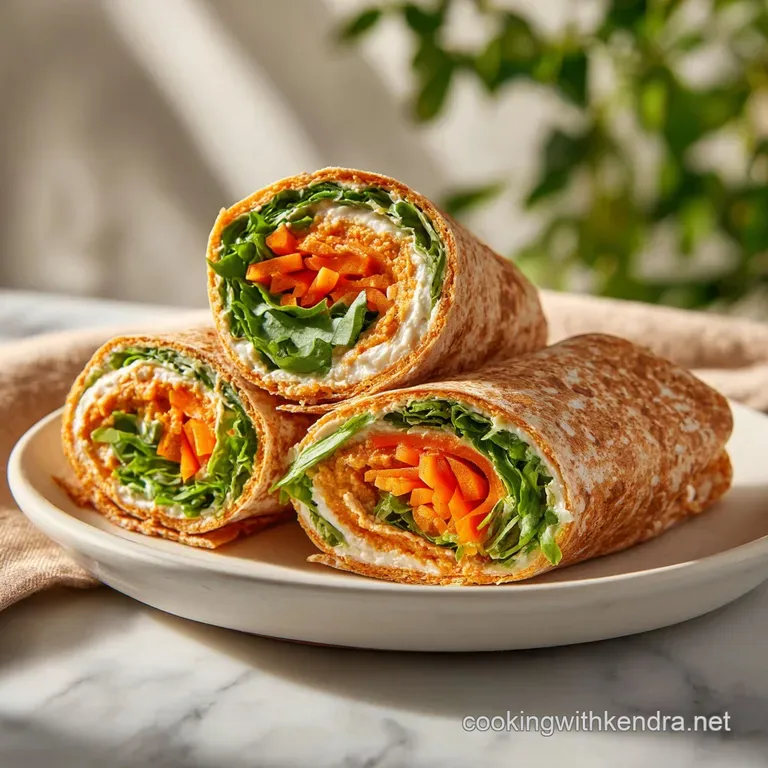
Even the simplest recipes can go sideways. The most common issue with a Veggie Wrap is structural failure, usually caused by overfilling or incorrect layering.
Troubleshooting Common Issues
| Issue | Solution |
|---|---|
| Why Your Wrap Is Soggy | This usually happens because the "wet" vegetables (like cucumber) are touching the tortilla directly. The water migrates into the flour, softening the structure. Always ensure the hummus covers the ar |
| Why the Tortilla Rips | If your tortilla is cold, it lacks flexibility and will crack during the fold. You can fix this by heating the tortilla for 5-10 seconds in the microwave or on a pan before assembling. |
| Why the Fillings Fall Out | This is a rolling tension issue. If you don't tuck the bottom edge tightly, the fillings will push the tortilla open as you eat. Think of it like rolling a sleeping bag, not a burrito. |
Common Mistakes Checklist
- ✓ Avoid using "watery" store-bought salads; prep your own.
- ✓ Don't skip the parchment paper wrap; it's the "glue" phase.
- ✓ Ensure onions are shaved paper thin so they don't create bumps.
- ✓ Don't overfill; leave a 2 inch margin around the edges.
- ✓ Avoid using low-fat hummus, as it has more water and less stability.
Swaps for Every Diet
The beauty of the Veggie Wrap is its flexibility. Depending on your goals, you can tweak the ingredients without losing the essence of the dish.
Decision Shortcut:
- If you want more protein → Add 1/4 cup chickpeas or hemp seeds.
- If you want lower calories → Swap the tortilla for a large collard green leaf.
- If you want a bolder flavor → Mix sriracha or smoked paprika into the hummus.
For those looking for veggie wrap recipes for weight loss, I recommend swapping the whole wheat tortilla for a high fiber, low carb version. According to guidelines from Serious Eats, focusing on the ratio of greens to grains is the best way to keep a wrap light while maintaining satiety.
If you're aiming for an Indian vegetarian wrap recipes style, replace the hummus with a spicy mint chutney and the spinach with sautéed cabbage and peas. The structural logic remains the same, but the flavor profile shifts toward something more aromatic and bold.
Scaling the Batch
Adjusting the size of your prep is easy, but you have to be careful with the seasonings.
Scaling Down (1-2 wraps): Use a smaller bowl for massaging the greens. If you only need one egg for a binder (in other recipes), you'd beat it and use half, but here, just halve the hummus and vegetable portions. Reduce the lime juice slightly so the greens don't become swimming in liquid.
Scaling Up (8-12 wraps): When making a large batch of easy veggie wraps, don't just multiply the salt and pepper by four. Start at 1.5x the seasoning, taste the greens, and adjust. Work in batches of four to prevent the tortillas from drying out while you assemble the rest.
If you're planning a party, you can prep the massaged greens and sliced veggies in separate containers. Assemble the Veggie Wrap no more than 4 hours before serving to maintain that shatter crisp texture.
Debunking Wrap Myths
There are a few things people get wrong about plant based wraps that often lead to bad results.
Myth: Whole wheat tortillas always taste like cardboard. The truth is that it's usually the brand, not the grain. high-quality whole wheat tortillas have a nutty, rich flavor. If they feel too stiff, a quick 10 second warm up makes them velvety and pliable.
Myth: You can't meal prep wraps for the whole week. You actually can, provided you use the hummus barrier. The secret is wrapping them tightly in foil or parchment. While they won't be as crisp on day five as day one, they stay completely edible.
Storage and Freshness Tips
To keep your Veggie Wrap from degrading, you need to control the environment.
Fridge Storage: Store wrapped in parchment paper and then placed in an airtight container. They will stay fresh for 2-3 days. If you notice condensation inside the container, place a paper towel at the bottom to absorb excess moisture.
Freezing: Honestly, don't freeze this specific recipe. The cucumber and lettuce will lose their cellular structure and become mushy upon thawing. If you must freeze a wrap, avoid the raw watery veggies.
Zero Waste: Don't toss your veggie scraps! The ends of the carrots, the red onion skins, and the red pepper seeds can be tossed into a freezer bag. Once the bag is full, simmer them with water to create a basic vegetable stock for soups.
Also, use the avocado pit to weigh down the greens in a container to keep them compressed.
What to Serve Beside
Since the Veggie Wrap is a complete meal with fats, proteins, and carbs, you just need something to balance the richness of the hummus and avocado.
A side of chilled quinoa salad with parsley and lemon works great for a plant based veggie wrap lunch. If you're serving this for dinner, a bowl of warm, roasted root vegetables adds a nice temperature contrast.
For those who want something heartier, you could pair it with a small side of my Dinner Rolls for a truly filling feast, though that might be overkill for a light lunch! The goal is to keep the sides acidic or light to complement the velvety texture of the wrap.
Whether you're packing these for a long workday or just want a quick, nutritious meal at home, the key is the layering. Once you master the hummus barrier, you can put almost anything in your Veggie Wrap and know it'll hold together. Trust the process, massage those greens, and enjoy the crunch!
Recipe FAQs
What to put in a vegetable wrap?
Use a mix of crunchy and creamy ingredients. Combine baby spinach, shredded carrots, sliced peppers, avocado, cucumber, and red onion with hummus for a balanced texture.
Is a veggie wrap healthy?
Yes, it is a nutrient dense option. It provides significant fiber from whole wheat tortillas and a variety of essential vitamins from the fresh vegetables.
What filling do you put in wraps?
Layer fresh vegetables over a spread. For this recipe, use hummus as a base topped with seasoned spinach, carrots, peppers, avocado, cucumber, and red onion.
What's the healthiest wrap to have?
Choose whole wheat tortillas filled with raw vegetables. If you want to experiment with traditional corn based wraps, see how we use masa harina for a different texture.
Why is my veggie wrap soggy?
Watery vegetables are touching the tortilla directly. Ensure the hummus covers the area to create a moisture barrier between the tortilla and the cucumber.
How to prevent the tortilla from ripping?
Heat the tortilla for 5-10 seconds in the microwave or on a pan. This increases flexibility and prevents the flour from cracking during the fold.
Is it true that veggie wraps can be frozen for later?
No, this is a common misconception. Freezing causes the cucumber and baby spinach to lose their cellular structure and become mushy upon thawing.
Veggie Wrap in 15 Minutes