Creamy Vegan Butternut Squash Soup
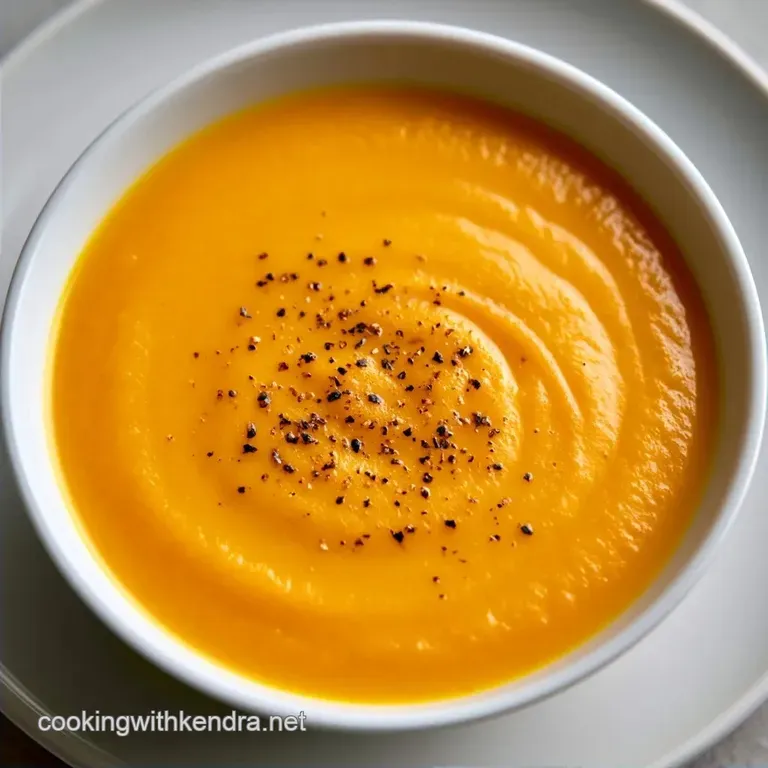
- Time: 15 min active + 45 min cooking
- Flavor/Texture Hook: Creamy, mahogany hued and tangy
- Perfect for: Cozy weeknight dinners or meal prep
Ever wonder why cafe squash soup often tastes like sweetened water? You pay a premium for a bowl of "autumn bisque" and it lacks any real punch. I used to think it was just the lack of cream, but the problem is actually how the vegetables are handled.
Most places just boil the squash in broth. It's fast, but it steams the vegetable and mutes the flavor. For this Vegan Butternut Squash Soup, we change the order of operations to get a taste that actually feels like fall.
You can expect a thick, glossy consistency that clings to a spoon. It’s a nutrient dense meal that feels indulgent without any dairy.
Vegan Butternut Squash Soup That Works
Most home cooks skip the roasting phase, but that's where the magic happens. When you hit the squash with high heat, the natural sugars brown. This gives the soup a toasted, nutty base that you simply can't get from a pot of simmering water.
High Heat Roasting: Roasting at 200°C evaporates water and concentrates the flavor of the squash. The Acid Balance: Adding vinegar at the end cuts through the coconut fat. It wakes up the other flavors so the soup doesn't taste "flat".
If you like these kinds of rich, savory notes, you might also enjoy my brown butter sage sauce for pasta, which uses similar aromatic principles.
The Gear You Need
Essential Equipment
Use a large baking sheet for the squash. A Dutch oven or heavy bottomed pot is recommended for the simmer to ensure the heat is distributed evenly and the aromatics don't burn.
Blending Methods
An immersion blender allows you to achieve a smooth texture without the hassle of transferring hot liquid. If opting for a stand blender, process the soup in small batches. To prevent a "soup explosion," keep the lid slightly open and hold a towel over the top.
What Goes In
| Ingredient | Role | If You Don't Have It |
|---|---|---|
| Butternut Squash (1.36 kg / 3 lbs) | Main body and sweetness | Pumpkin or Kabocha squash |
| Full fat Coconut Milk (380 ml / 13.5 oz) | Richness and creaminess | Cashew cream or soy cream |
| Vegetable Broth (950 ml / 4 cups) | Liquid base and salt | Water with extra salt/bouillon |
| Apple Cider Vinegar (1 tbsp) | Brightness and balance | Lemon juice |
Full List
- 1.36 kg (3 lbs) butternut squash, peeled and cubed Why this? Balanced sweetness and smooth texture
- 45 ml (3 tbsp) olive oil
- 5 g (1 tsp) kosher salt
- 2 g (1/2 tsp) cracked black pepper
- 150 g (1 cup) yellow onion, diced
- 3 cloves garlic, minced
- 150 g (1 cup) carrots, sliced
- 2 g (1 tsp) ground ginger
- 1 g (1/2 tsp) ground nutmeg
- 950 ml (4 cups) low sodium vegetable broth
- 1 can (380 ml / 13.5 oz) full fat coconut milk
- 15 ml (1 tbsp) apple cider vinegar
Quick Recipe Specs
| Specification | Details |
|---|---|
| Preparation | 15 minutes |
| Cooking | 45 minutes |
| Total Duration | 60 minutes |
| Yield | 6 servings |
| Oven Temp | 200°C (400°F) |
Steps To Follow
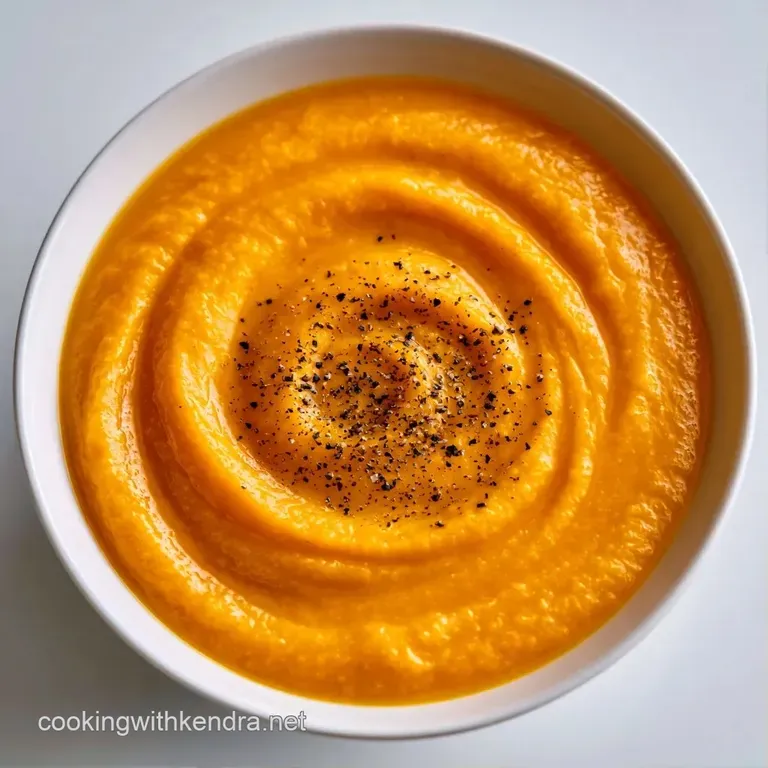
Phase 1: The High Heat Roast
- Warm your oven to 200°C (400°F).
- On a baking sheet, combine the cubed squash with 30 ml (2 tbsp) of olive oil, salt, and pepper.
- Arrange the pieces in a single layer. Roast for 25-30 minutes until the centers soften and the edges turn a deep mahogany. Flip them once midway through.
Phase 2: The Aromatic Simmer
- In a large pot over medium heat, warm 15 ml (1 tbsp) of olive oil.
- Cook the diced onion and sliced carrots for 5-7 minutes until the onion becomes soft and translucent.
- Stir in the minced garlic, ground ginger, and ground nutmeg. Cook for 60 seconds until the aroma is released.
- Pour in the vegetable broth and let it simmer gently for 10 minutes.
Phase 3: The Final Blend
- Mix the roasted butternut squash and full fat coconut milk into the pot.
- Use an immersion blender to process the soup until it is completely smooth and velvety.
- Stir in the apple cider vinegar. Add extra salt and pepper to taste.
Chef's Tip: Avoid letting the soup come to a rolling boil after adding the coconut milk. Excessive heat can cause the coconut fats to separate, spoiling the smooth texture.
Fixing Common Issues
If your soup tastes too sweet, it's likely because the squash was very ripe or the carrots were particularly sugary. A splash more vinegar or a pinch of salt usually fixes this.
For a grainy texture, you might have some stubborn vegetable fibers. If you want a restaurant style finish, pass the blended soup through a fine mesh sieve.
When the soup separates, it usually means the emulsion broke. Whisking in a tablespoon of warm broth or blending it again for 30 seconds on high usually brings it back together.
| Problem | Root Cause | Solution |
|---|---|---|
| Grainy Texture | Under blended fibers | Pass through a fine mesh sieve |
| Overly Sweet | Natural squash sugars | Add 1 tsp extra ACV or lemon juice |
| Thin Consistency | Too much broth | Simmer uncovered for 10 mins |
| Separated Fat | Overheating coconut milk | Blend again on medium speed |
Keeping It Fresh
Keep the soup refrigerated in glass containers for 4 days. Due to the coconut milk, the consistency may thicken significantly while chilled.
For long term storage, it freezes well for 3 months. Leave some room at the top of your freezer jar to allow for expansion. When reheating, stir in a bit of liquid or stock to thin the texture.
Save the squash seeds rather than discarding them. Rinse, pat dry, and roast them with a pinch of salt at 180°C for 10 minutes for a crunchy garnish.
Twists And Swaps
For a faster alternative, you can skip the oven. This quick squash bisque offers an efficient method that's ideal for a busy weeknight.
- For a brighter flavor? → stir in 1 tsp lemon zest.
- Want more spice? → add 1/2 tsp red pepper flakes during the sauté.
- Reducing fat? → use light coconut milk, though the consistency will be thinner.
- Need more protein? → stir in a can of drained white cannellini beans before blending.
Fast vs. Classic Method
| Feature | Fast (Boiled) | Classic (Roasted) |
|---|---|---|
| Flavor | Mild, sweet | Deep, caramelized |
| Texture | Watery | Rich and thick |
| Effort | Low | Medium |
How To Serve
To turn this into a hearty meal, garnish the soup with toasted pumpkin seeds and a swirl of coconut cream. A sprinkle of smoked paprika or a few fresh parsley leaves provide a lovely color contrast.
For a complete dinner, pair it with crusty sourdough bread, as the bread's acidity perfectly balances the richness of the coconut milk.
Topper Ideas
- Crunchy: Roasted chickpeas or toasted pepitas.
- Zesty: A dash of Sriracha or chili oil.
- Fresh: A scoop of vegan Greek yogurt.
Common Truths
You don't actually need a knife to peel the squash; a sturdy vegetable peeler is much faster and safer. Similarly, a professional grade blender isn't necessary, as a standard immersion blender works great if you have a little patience.
Lastly, don't worry that the coconut milk will make the soup taste like a dessert. The garlic and ginger create a savory, nutty flavor that balances the creaminess.
High in Sodium
840 mg 840 mg of sodium per serving (37% 37% of daily value)
The American Heart Association recommends a daily limit of no more than 2,300 mg of sodium to maintain heart health and lower blood pressure.
Tips to Reduce Sodium
-
Swap the Broth-30%
Replace the low-sodium vegetable broth with unsalted vegetable broth or water to drastically lower the base sodium content.
-
Omit Added Salt-25%
Reduce or completely remove the kosher salt; the natural sweetness of the butternut squash and carrots provides plenty of flavor.
-
Enhance with Acid-10%
Increase the apple cider vinegar or add a squeeze of fresh lemon juice to brighten the flavor profile without needing extra salt.
-
Add Fresh Aromatics
Stir in freshly chopped parsley or cilantro at the end to add a layer of fresh, savory flavor.
Recipe FAQs
What adds flavor to butternut squash soup?
Ground ginger, nutmeg, and apple cider vinegar provide the primary aromatic depth and balance.
Tip: Roast the squash at 400°F until mahogany colored to maximize natural sweetness.
Which core ingredients create the base?
Butternut squash, vegetable broth, and coconut milk build the creamy foundation.
Tip: Use full fat coconut milk to ensure a rich, velvety mouthfeel.
Can skipping the roast affect the taste?
Yes, roasting the squash develops the caramelization necessary for a deep, complex flavor.
Tip: Flip the cubes halfway through the 25 30 minute roasting time for even browning.
Should you peel a butternut squash for soup?
Peel the squash to ensure the final blended texture is completely smooth.
Tip: Use a sharp vegetable peeler before cubing the squash for safety.
How do I ensure a great vegan soup?
Layer your flavors by sautéing aromatics and roasting the vegetables before blending.
Tip: If you enjoyed mastering the roasting technique here, see how we use similar high heat precision for crispy yucca fries.
Is it true that vegan soups are always thin and watery?
No, this is a common misconception. Full fat coconut milk creates a dense consistency that rivals traditional cream soups.
Tip: Use a high speed blender to achieve a professional, airy finish.
Vegan Butternut Squash Soup for 6 Servings