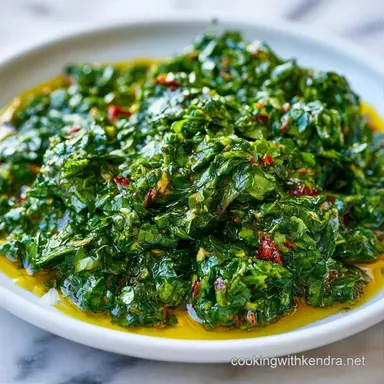
Basil Chimichurri: Zesty and Fresh
- Time: 10 min active
- Flavor/Texture Hook: Tangy, bright, and coarsely chopped
- Ideal for: Weeknight dinners or meal prep
- Fresh Basil Chimichurri Basics
- Ingredients for This Green Sauce
- Tools You Will Need
- Making the Basil Chimichurri
- Fixing Common Sauce Issues
- Troubleshooting Common Issues
- Variations for Different Tastes
- Storage and Waste Tips
- Serving Your Green Sauce
- Why These Flavors Balance
- Recipe FAQs
- 📝 Recipe Card
Fresh Basil Chimichurri Basics
Imagine the smell of fresh cut basil hitting a hot grill. That sharp, peppery aroma mixed with a hit of red wine vinegar is exactly what happens when you stir this sauce together. It's a vibrant, punchy condiment that wakes up everything it touches, from a simple piece of grilled tofu to a heavy ribeye.
I used to think chimichurri had to be just parsley and oregano, but switching to basil gives it a sweeter, more aromatic edge. It's like a cross between a traditional Argentinian sauce and a rustic pesto, but without the heavy cheese and pine nuts.
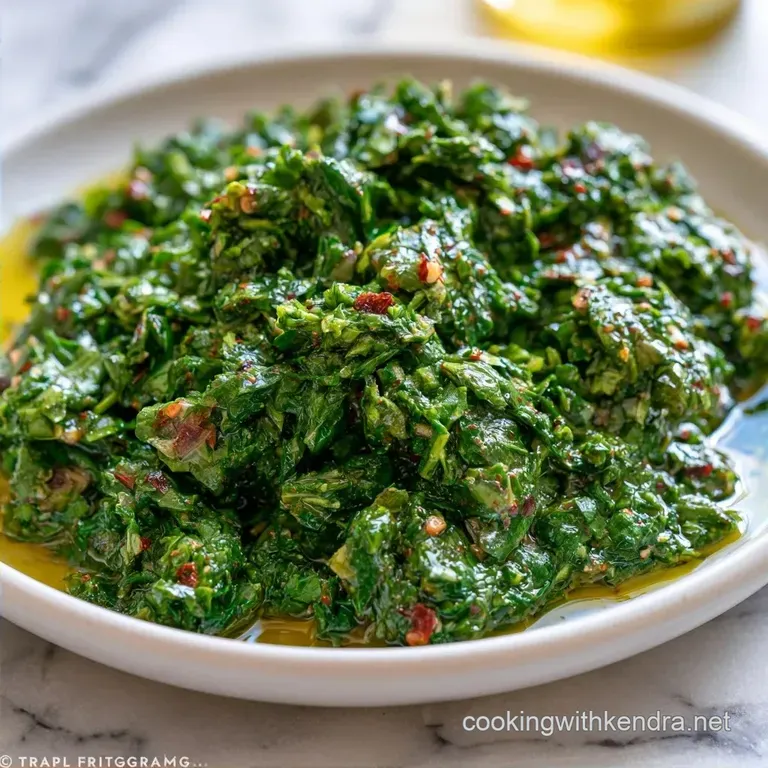
You can expect a sauce that's glossy and bright green with visible bits of herb and garlic. This Basil Chimichurri isn't about being smooth, it's about that rustic, handmade feel that makes a meal feel special without much effort.
Ingredients for This Green Sauce
Right then, let's look at what you'll need. I prefer using a high-quality extra virgin olive oil here because the oil doesn't get cooked, so you really taste the fruitiness of the olives.
| Original Ingredient | Substitute | Why It Works |
|---|---|---|
| Red Wine Vinegar (2 tbsp) | Apple Cider Vinegar (2 tbsp) | Similar acidity. Note: Slightly fruitier, less sharp than red wine vinegar |
| Fresh Basil (1 cup) | Fresh Spinach (1 cup) | Similar color and mild flavor. Note: Lacks the peppery punch of basil |
| Extra Virgin Olive Oil (1/2 cup) | Avocado Oil (1/2 cup) | Neutral flavor and high fat. Note: Less aromatic than olive oil |
For the Herb Base
- 1 cup packed fresh basil leaves Why this? Provides the aromatic, sweet core of the sauce
- 1/2 cup packed Italian flat leaf parsley Why this? Adds a clean, grassy balance to the basil
For the Zest and Punch
- 2 cloves garlic Why this? Raw garlic gives that necessary sharp bite
- 2 tbsp red wine vinegar Why this? The acid cuts through the oil and brightens the herbs
- 1 tbsp fresh lemon juice Why this? Adds a citrusy high note that red wine vinegar lacks
- 1/2 tsp red pepper flakes Why this? Subtle heat that lingers on the tongue
- 1/2 tsp kosher salt Why this? Pulls the flavors together and enhances the herbs
- 1/4 tsp freshly cracked black pepper Why this? Adds a woody, earthy depth
For the Emulsion
- 1/2 cup extra virgin olive oil Why this? Carries the flavors and gives the sauce a glossy finish
Tools You Will Need
You don't need a fancy kitchen setup for this, but a food processor makes the job much faster. If you don't have one, a sharp chef's knife and a cutting board will work, though it takes a bit more elbow grease.
I usually use a small 4 cup processor for this batch size. It ensures the ingredients are touching the blades without getting lost in a giant bowl. Trust me on this, if you use a massive blender, you'll likely end up with a puree, which we definitely want to avoid.
Making the Basil Chimichurri
Let's get into the actual process. The goal here is "coarsely chopped," not "blended."
- Pulse the basil, parsley, and smashed garlic in the food processor until the herbs are coarsely chopped. Note: Avoid over processing to prevent a mushy texture
- Add the red wine vinegar, lemon juice, salt, pepper, and red pepper flakes.
- Pulse 3-4 times more until the color looks bright and uniform. Note: The acid helps lock in the green color
- Turn the processor to a low setting.
- Slowly drizzle in the olive oil in a steady stream while the blades are moving.
- Stop immediately once the oil is incorporated. Note: Keeping it slightly chunky is the goal
- Taste the Basil Chimichurri and add a pinch more salt if the flavors feel muted.
- Transfer to a glass jar for storage.
Fixing Common Sauce Issues
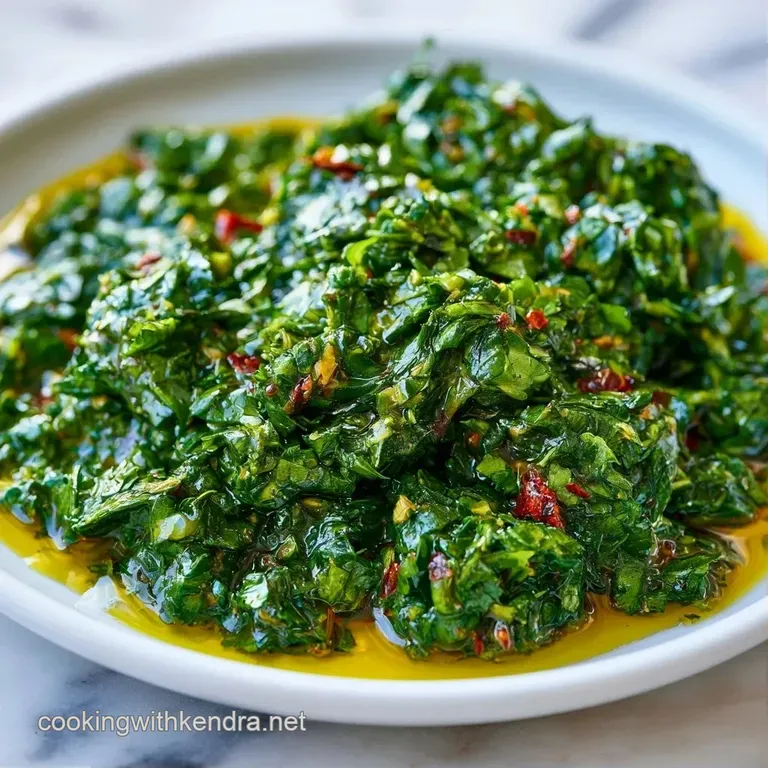
Even with a simple recipe, things can go sideways. Usually, it comes down to how long the processor ran or the quality of the herbs.
Troubleshooting Common Issues
| Issue | Solution |
|---|---|
| Why Your Sauce Turned Brown | Fresh herbs oxidize when they hit the air and the blades of a processor. If you over process, you break too many cell walls, and the sauce turns a dull olive green. |
| Why the Flavor is Too Bitter | Sometimes basil can turn bitter if it's bruised or if you process it for too long. |
| Why the Texture is Mushy | If the sauce looks like a smoothie, you've pulsed too much. You can't "un blend" it, but you can stir in some hand chopped parsley at the end to bring back that rustic feel. |
Variations for Different Tastes
This Basil Chimichurri is a great base, but you can tweak it depending on what's in your fridge. I love experimenting with the heat levels or adding a nutty element.
For a zesty lemon basil chimichurri, double the lemon juice and add a teaspoon of fresh lemon zest. This makes it feel lighter and more summery. If you want a spicy kick, swap the red pepper flakes for a finely minced fresno chili.
You can even spoon this over a homemade flatbread pizza crust after it comes out of the oven for a fresh, herbal finish. If you're looking for a nuttier depth, stir in a tablespoon of toasted pine nuts or crushed walnuts.
Adjusting the Batch Size
If you're just cooking for one, you can easily halve this. Use 1/2 cup basil and 1/4 cup parsley. Since the volume is lower, be careful with the food processor; you might need to scrape the sides more often to ensure everything is mixed.
When doubling or tripling the recipe for a party, don't just multiply the salt and red pepper flakes by three. Start with 1.5x the seasonings, taste it, and then add more. High volumes of oil and acid can change how we perceive salt.
| Original Ingredient | Substitute | Why It Works |
|---|---|---|
| Red Wine Vinegar | Lime Juice | Brighter, more tropical punch |
| Basil | Thai Basil | Adds a liquorice/anise note |
| Olive Oil | Grapeseed Oil | Completely neutral flavor |
Storage and Waste Tips
Store your Basil Chimichurri in a glass jar in the fridge for up to 5 days. To keep it from browning, pour a thin layer of olive oil over the top of the sauce before sealing the lid. This creates an air barrier that keeps the herbs vibrant.
You can freeze this in ice cube trays for up to 3 months. Once frozen, pop the cubes into a freezer bag. It's a lifesaver to have a pre portioned cube of herb sauce ready for a quick weeknight dinner.
Don't throw away the basil stems. I usually toss them into a freezer bag with other veggie scraps to make a stock later, or you can blend them into a pesto where the heavier processing breaks down the fibrous texture.
Serving Your Green Sauce
This sauce is incredibly versatile. While it's a classic basil chimichurri for steak, it's just as good on grilled shrimp or roasted cauliflower. The acidity cuts through the richness of the meat and brings out the charred flavor of the grill.
For a lighter meal, try basil chimichurri chicken. Use the sauce as a marinade for 30 minutes before grilling, then brush more on at the very end. The vinegar helps tenderize the meat while the oil prevents it from sticking to the grates.
You can also use it as a bold topping for a Flatbread Pizza for 4 recipe, drizzling it over the melted mozzarella and fresh toppings. It adds a layer of freshness that balances the heavy cheese.
Quick Pairing Guide
- Grilled Meats: Spoon it over the top after a 5 minute rest.
- Roasted Veggies: Toss warm carrots or sprouts in the sauce.
- Fish: Use as a topping for seared salmon or cod.
- Eggs: A dollop on avocado toast with a poached egg is a game.
Why These Flavors Balance
This recipe works because it hits all the major taste profiles. You have the sweetness of the basil, the sharpness of the garlic, the acidity of the vinegar, and the richness of the olive oil.
The Acid Fat Balance: The red wine vinegar and lemon juice break down the heaviness of the olive oil. This prevents the sauce from feeling greasy on the palate and keeps the flavors "bright."
The Herb Synergy: Basil provides the aroma, but parsley adds a slightly bitter, clean note that prevents the basil from becoming too cloying or sweet. Together, they create a complex, multi layered green flavor.
The Pulse Technique: By avoiding a full blend, you maintain distinct pieces of garlic and herb. This means you get bursts of flavor in every bite rather than one uniform, muted taste. Honestly, the texture is half the appeal of a real chimichurri.
Recipe FAQs
Can you make chimichurri from basil instead of just parsley?
Yes, basil adds a sweeter, more aromatic profile. This version blends both basil and parsley to create a balanced, fresh flavor.
What is the secret to keeping the chimichurri a vibrant green?
Minimize processing time. Pulse the ingredients briefly and stop immediately once combined to prevent oxidation from turning the herbs brown.
What are common mistakes that make the sauce too mushy?
Over processing the herbs. Running the food processor for too long creates a smoothie texture rather than the desired rustic chop.
How to store basil chimichurri to prevent browning?
Pour a thin layer of olive oil over the top before sealing the glass jar. This creates an air barrier that preserves the color for up to 5 days.
Can I freeze this herb sauce for later use?
Yes, use ice cube trays. Freeze the sauce in portions for up to 3 months, then transfer the frozen cubes to a freezer bag.
How to use this sauce to enhance a meal?
Spoon it over grilled meats, fish, or vegetables. If you love this flavor balance, see how we use similar fresh herbs in our Italian pasta salad.
Is it true that you must blend the sauce into a smooth puree?
No, this is a common misconception. A great chimichurri should remain slightly chunky; over blending removes the rustic texture and can make the basil taste bitter.
Basil Chimichurri in 10 Minutes