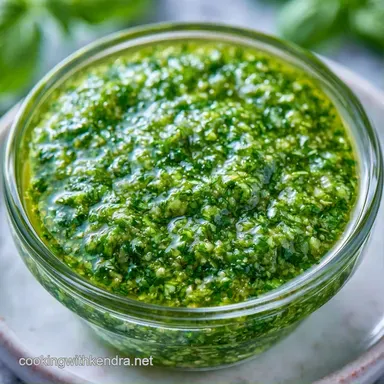
Basil Vinaigrette with Fresh Lemon
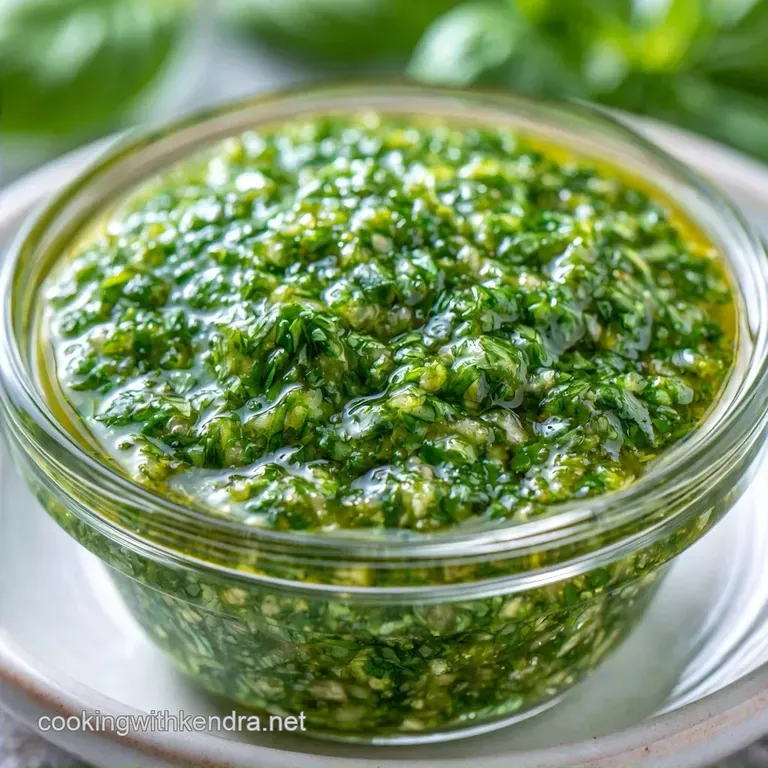
- Time: 5 min active
- Flavor/Texture Hook: Bright, zesty, and emerald green
- Perfect for: Summer garden parties or healthy meal prep
- Simple and Bright Basil Vinaigrette
- The Truth About Fresh Herbs
- The Best Ingredient Picks
- Tools For a Smooth Blend
- The Basil Vinaigrette Ingredients
- The Step-by-Step Process
- Fixing Your Basil Vinaigrette Issues
- Troubleshooting Common Issues
- Customizing the Basil Vinaigrette
- Scaling the Basil Vinaigrette
- Truths About Dressing
- Basil Vinaigrette Storage and Zero Waste
- Ways to Use This Basil Vinaigrette
- Recipe FAQs
- 📝 Recipe Card
Simple and Bright Basil Vinaigrette
Imagine a sunny Tuesday afternoon, the air smelling like cut grass and warm pavement. I'm hosting a few friends for a last minute lunch, and the only thing I really have in the fridge is a massive bunch of basil from the garden.
I didn't want a heavy mayo based dressing, just something that tasted like summer in a bottle.
That's how this recipe started. I wanted a contrast between the rich, peppery olive oil and the sharp, electric zing of fresh lemon. It's a vibrant addition to any table, especially when you need something that feels light but tastes deep.
You can expect a dressing that's glossy and vivid. Making a Basil Vinaigrette takes almost no effort, but it makes a basic bowl of arugula look and taste like something from a high end bistro.
The Truth About Fresh Herbs
Why does this Basil Vinaigrette stay so bright? It comes down to how we handle the greens.
Honey Binder: Honey acts as a natural stabilizer, which helps the oil and lemon juice stay mixed. This creates a stable emulsion that doesn't separate instantly on your greens, similar to how Serious Eats explains the role of emulsifiers in dressings.
Fast Blending: Using a blender instead of a whisk breaks the basil cells quickly. This releases the oils without bruising the leaves, which keeps that vivid green color.
| Method | Time | Texture | Best For |
|---|---|---|---|
| Blender (Fast) | 5 min | Smooth, uniform | Quick weeknight meals |
| Mortar & Pestle (Classic) | 20 min | Chunky, rustic | Traditional Italian salads |
The Best Ingredient Picks
The quality of your oil really matters here because it's the base of the whole thing.
| Ingredient | What It Does | Best Swap |
|---|---|---|
| Extra Virgin Olive Oil | Provides a rich, peppery base | Avocado Oil (more neutral) |
| Fresh Lemon Juice | Adds sharp acidity and brightness | Lime Juice (more tropical) |
| Fresh Basil | Gives the signature herbal punch | Spinach (mild, keeps the color) |
| Honey | Balances acid and binds the oil | Maple Syrup (vegan friendly) |
Tools For a Smooth Blend
You don't need a professional kitchen to get this right. A standard blender or even a small food processor works just fine. If you have a handheld immersion blender and a tall jar, that's even faster because you can blend and store in the same container.
Trust me, don't try to chop the basil by hand for this specific version. You'll spend twenty minutes mincing, and you still won't get that glossy, uniform look. The blender does the heavy lifting in seconds.
The Basil Vinaigrette Ingredients
- 1/2 cup extra virgin olive oil Why this? Adds a rich, grassy depth to the dressing
- 3 tbsp fresh lemon juice Why this? Cuts through the fat with a sharp zing
- 1 tbsp honey Why this? Balances the lemon and helps emulsify
- 1 cup fresh basil leaves, packed Why this? Provides the main aromatic flavor
- 1 clove garlic, minced Why this? Adds a pungent, savory undertone
- 1/2 tsp sea salt Why this? Enhances all the other flavors
- 1/4 tsp cracked black pepper Why this? Adds a tiny bit of heat
The step-by-step Process
- Wash the basil leaves and pat them completely dry with a paper towel. Note: Excess water will make the dressing thin and break the emulsion.
- Peel and smash the garlic clove to release its natural oils.
- Combine the olive oil, lemon juice, honey, garlic, salt, and pepper in a blender. Pulse for 5 seconds to combine the Basil Vinaigrette base.
- Add the fresh basil leaves.
- Blend on high for 30 60 seconds until the mixture reaches a smooth, velvety emerald color.
- Taste the dressing.
- If it feels too thick, whisk in one teaspoon of warm water at a time until it reaches a pourable consistency.
Chef's Note: If you want a more intense garlic hit, let the minced garlic sit in the lemon juice for 5 minutes before blending. This "mellows" the raw bite.
Fixing Your Basil Vinaigrette Issues
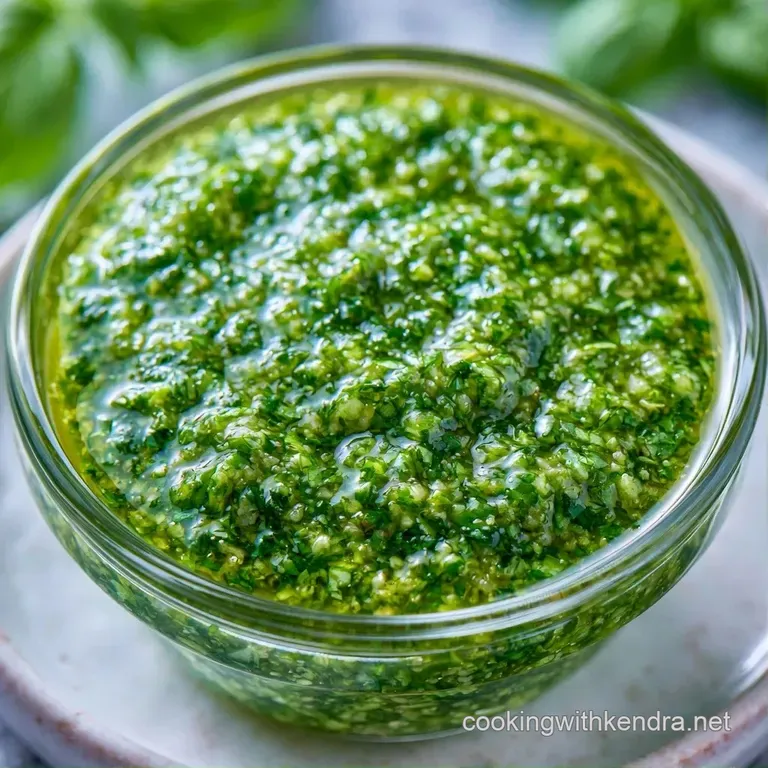
Even a simple dressing can act up. Usually, it's just a matter of balance. If your Basil Vinaigrette looks a bit pale, you might have over processed it or used older leaves. If it tastes too sharp, you just need a tiny bit more sweetness.
Troubleshooting Common Issues
| Issue | Solution |
|---|---|
| Why Your Dressing Is Too Thick | Sometimes the basil is particularly leafy, or the honey is very thick. This can make the dressing feel more like a pesto than a vinaigrette. Just add warm water a teaspoon at a time. |
| Why Your Dressing Tastes Bitter | This usually happens if the garlic was burnt or if the blender blades heated up the basil. A pinch more salt or a drop of honey usually masks this. |
| Why Your Dressing Separated | Oil and water don't naturally get along. If you see layers forming, it's just the emulsion breaking. A quick shake or a 5 second pulse in the blender fixes it. |
Customizing the Basil Vinaigrette
The beauty of this recipe is how easily it pivots. If you're in the mood for something different, try a basil balsamic vinaigrette recipe by swapping the lemon juice for a high-quality balsamic vinegar. It becomes richer and darker, which is great for strawberries and spinach.
For a lighter touch, a homemade lemon basil vinaigrette is already the default here, but you can add a teaspoon of lemon zest for an even more intense citrus punch. If you're craving something heavier, my Shrimp Alfredo uses a different kind of rich sauce, but this vinaigrette is the opposite, providing a fresh contrast to heavy proteins.
If you want to go vegan, maple syrup works brilliantly as a swap for honey. It adds a slight woody note that actually pairs well with the basil.
Scaling the Basil Vinaigrette
Scaling this is pretty straightforward, but don't just multiply everything blindly.
For a smaller batch (half), use a small jar and a handheld blender. Reduce the garlic to a small clove so it doesn't overpower the smaller amount of oil.
When doubling or tripling, be careful with the salt. I usually only increase the salt and pepper to 1.5x the original amount, then taste and add more if needed. If you make a huge batch, it's a great way to meal prep for the week. You can even use the extra as a dip for homemade flatbread.
| Batch Size | Oil Amount | Basil Amount | Garlic Amount |
|---|---|---|---|
| Single | 1/2 cup | 1 cup | 1 clove |
| Double | 1 cup | 2 cups | 2 cloves |
| Triple | 1.5 cups | 3 cups | 2-3 cloves |
Truths About Dressing
Searing herbs in oil before adding them to a vinaigrette doesn't actually "lock in" flavor. It often just changes the flavor profile to something more nutty and less fresh. For this recipe, raw is the way to go.
Another common idea is that you must use a specific "emulsified" oil. Not true. Any decent extra virgin olive oil works as long as you have a binder like honey to hold things together.
Basil Vinaigrette Storage and Zero Waste
Keep this in a glass jar in the fridge for up to 5 days. The color might fade slightly as the lemon juice reacts with the chlorophyll, but the taste stays sharp.
Don't throw away your basil stems. They have a ton of flavor. Toss them into a freezer bag and use them to flavor your next batch of homemade vegetable stock. If you have leftover dressing that's almost gone, add a splash of water and a squeeze of lemon to the jar, shake it up, and you've got a quick marinade for chicken or tofu.
Ways to Use This Basil Vinaigrette
This isn't just for lettuce. Use it as a drizzle over roasted carrots or grilled asparagus to add a pop of color and acidity. It's also a fantastic marinade for shrimp or scallops, as the lemon juice tenderizes the protein while the basil adds an aromatic layer.
Try it on a Caprese salad with thick slices of mozzarella and heirloom tomatoes. The brightness of the dressing cuts through the creamy cheese, creating a balance that's just right.
Decision Shortcut:
- If you want it thinner, add warm water.
- If you want it zingier, add extra lemon.
- If you want it sweeter, add another pinch of honey.
Right then, you've got everything you need for a brilliant Basil Vinaigrette. It's a simple way to bring some global, plant based energy to your kitchen. Once you try this Basil Vinaigrette, you'll probably stop buying the bottled stuff entirely. Trust me, the fresh taste is worth the five minutes of effort.
Recipe FAQs
What oil is best for basil vinaigrette?
Extra virgin olive oil. Its fruity notes complement the freshness of the basil and provide a stable base for the emulsion.
What kind of basil is best for vinaigrette?
Fresh basil leaves. Fresh leaves provide the vibrant emerald color and peppery aroma that dried basil cannot replicate.
Is it true I must use vinegar for a basil vinaigrette?
No, this is a common misconception. This recipe uses fresh lemon juice to provide a brighter, citrusy acidity that pairs better with fresh basil.
How to fix basil vinaigrette that is too thick?
Whisk in warm water one teaspoon at a time. Continue adding water until the dressing reaches a pourable consistency.
How to prevent the vinaigrette from tasting bitter?
Add a pinch more salt or a drop of honey. Bitterness usually occurs if the blender blades overheat the basil or if the garlic is too pungent.
What should I do if my vinaigrette separates?
Shake or whisk the mixture vigorously. Because oil and lemon juice don't naturally bond, a quick stir will temporarily reunite the emulsion.
How to serve this basil vinaigrette?
Drizzle it over fresh salads or grilled vegetables. If you enjoyed the fresh flavor profile here, it pairs excellently with a pasta primavera for a cohesive meal.
Basil Vinaigrette in 5 Minutes