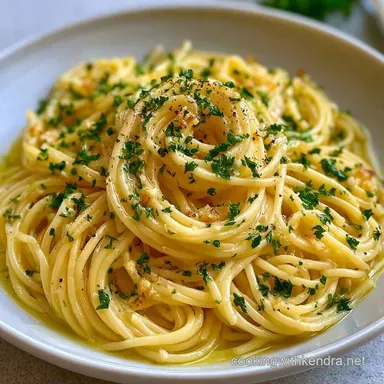
Butter Garlic Noodle Pasta: Glossy and Savory
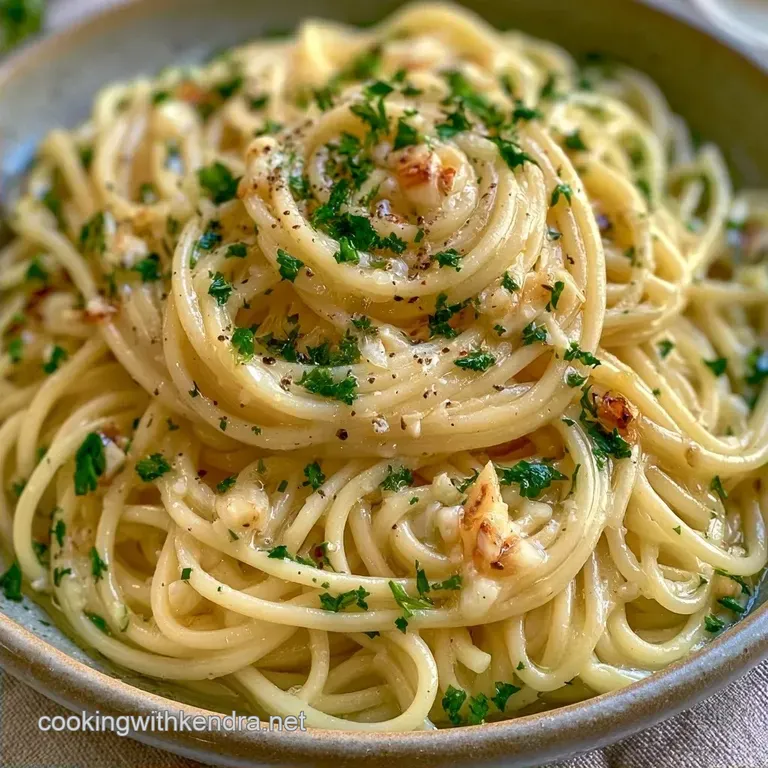
- Time: 5 min active + 10 min cook = Total 15 minutes
- Flavor/Texture Hook: Glossy, savory glaze with a punch of fresh garlic
- Perfect for: Busy weeknight dinners or a quick side dish
- Butter Garlic Noodle Pasta
- The Secret to Glossy Sauce
- Breaking Down the Components
- The Essential Tool Kit
- Step by Step Cooking Flow
- Fixing Common Pasta Problems
- Troubleshooting Common Issues
- Smart Swaps and Twists
- Saving and Reheating Leftovers
- Serving Your Final Plate
- Kitchen Myths
- Recipe FAQs
- 📝 Recipe Card
Butter Garlic Noodle Pasta
That first sizzle when the minced garlic hits the melted butter is, for me, the official sound of "dinner is almost ready." I remember one chaotic Tuesday when the kids were melting down and I had exactly fifteen minutes before we had to leave for soccer practice.
I didn't have time for a complex sauce or a trip to the store, so I leaned on the basics in my pantry.
I once made the mistake of cranking the heat too high, thinking I could speed up the process. I ended up with burnt, bitter garlic bits that ruined the whole pot. Now, I stick to a strict medium low heat for the infusion, which ensures the flavor stays sweet and fragrant.
It's a simple lesson, but it's the difference between a dish that tastes like a restaurant and one that tastes like a mistake.
This recipe is all about the balance of fat and starch. We're not just tossing butter on noodles, we're creating a cohesive glaze that feels rich without being greasy. It's the ultimate comfort food that fits into a hectic schedule, providing a savory, salty hit that satisfies the whole family without any stress.
The Secret to Glossy Sauce
The magic here isn't in an expensive ingredient, but in how we handle the liquids. Most people drain their pasta and throw the water down the sink, but that's actually the most valuable part of the process.
Starch Binding: The pasta water contains released starches that act as a bridge between the butter and the water. This creates a stable emulsion, meaning the sauce stays velvety instead of separating into a puddle of oil.
Fat Infusion: By sautéing garlic in a mix of butter and olive oil, we raise the smoke point. This allows the garlic to soften and release its aromatic oils without scorching, which is a technique often discussed on Serious Eats when talking about pan sauces.
Acid Balance: The addition of fresh lemon juice at the very end cuts through the heavy fats. This brightens the flavor profile and prevents the dish from feeling too "heavy" on the palate.
Temperature Control: Adding the second knob of butter at the end, off the heat, creates a "monté au beurre" effect. This gives the sauce a professional, glossy sheen that looks stunning on the plate.
| Feature | Fresh Garlic Method | Jarred Garlic Shortcut |
|---|---|---|
| Aroma | Sharp, pungent, sweet | Muted, acidic, metallic |
| Texture | Soft, integrated bits | Grainy, uniform paste |
| Control | You decide the roast | Fixed, pre processed |
| Result | Rich, layered flavor | One dimensional taste |
Breaking Down the Components
Before we get to the heat, we need to understand what each ingredient is actually doing in the pan. This isn't just a list; it's a system.
| Ingredient | Science Role | Pro Secret |
|---|---|---|
| Pasta Water | Emulsifier | Reserve more than you think you'll need |
| Unsalted Butter | Flavor Carrier | Use European style for higher fat content |
| Fresh Garlic | Aromatic Base | Mince finely but don't paste it |
| Lemon Juice | pH Balancer | Squeeze it in at the very last second |
For the Pasta Base
The spaghetti or linguine provides the surface area needed for the sauce to cling to. I prefer linguine because the flat shape holds more of that garlic butter glaze.
For the Garlic Butter Sauce
The combination of butter and olive oil is key. The oil prevents the butter from browning too quickly, giving us a wider window to get the garlic just right.
The Essential Tool Kit
You don't need a professional kitchen for this, but a few specific tools make the flow much smoother. Trust me, using a pot to toss the pasta is a nightmare; you need room to move.
First, a large pot for the water. You want the noodles to have plenty of space to swim so they don't clump together. A narrow pot leads to gummy pasta, which is the opposite of what we want.
Second, a wide skillet. A 12 inch skillet is ideal because it allows you to stir vigorously. That vigorous stirring is what actually incorporates the pasta water and butter into that velvety glaze.
Finally, a set of tongs. Forks are fine for eating, but tongs are essential for grabbing the noodles directly from the water and dropping them into the skillet without losing all that precious starchy liquid.
Step by step Cooking Flow
Right then, let's get into the actual cooking. To keep things moving, I suggest a "prep first" approach. Have your garlic minced and parsley chopped before you even turn on the stove.
- 1. Prep (5 mins)
- Chop garlic, parsley, and measure out butter/oil.
- 2. Boil & Sauté (10 mins)
- Cook pasta while simultaneously infusing the butter.
- 3. Finish (2 mins)
- Emulsify the sauce and add fresh garnishes.
- Bring a large pot of salted water to a rolling boil. Add the pasta and cook until al dente. Note: "Al dente" means it still has a slight bite in the center.
- Reserve 1/2 cup (120ml) of the starchy pasta water before draining the noodles. Wait until the water is cloudy to ensure you have enough starch.
- Place a skillet over medium low heat. Melt 2 tbsp (28g) of butter and the olive oil.
- Add the minced garlic and sauté for 1–2 minutes until fragrant and translucent. Do not let it turn brown.
- Add the drained noodles to the skillet.
- Pour in the reserved pasta water and the remaining 2 tbsp (28g) of butter.
- Stir vigorously over medium heat for about 2 mins until the liquid reduces into a glossy, velvety glaze.
- Remove from heat. Stir in the fresh parsley, lemon juice, and black pepper.
- Fold in the grated Parmesan cheese for a creamier finish if desired.
Chef's Note: If the sauce looks too dry after step 7, add another splash of pasta water. The goal is a coating, not a soup.
Fixing Common Pasta Problems
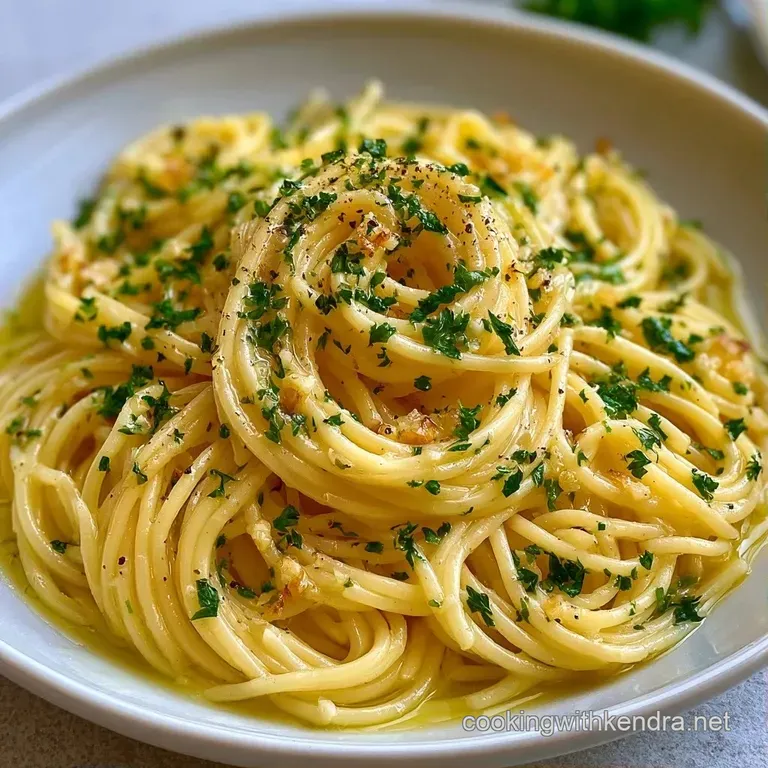
Even with a simple Butter Garlic Noodle Pasta, things can go sideways. Usually, it's a matter of heat or timing. If your sauce looks like a puddle of oil, don't panic.
Troubleshooting Common Issues
| Issue | Solution |
|---|---|
| Why Your Sauce Separated | If the butter and water aren't mixing, your emulsion has "broken." This usually happens if the heat was too high or you didn't stir enough. |
| Why Your Garlic Tastes Bitter | Bitter garlic means it hit the "burn point." Once garlic turns dark brown or black, the flavor is ruined. |
| Why The Noodles Are Mushy | Overcooking the pasta is the fastest way to ruin this recipe. |
Common Mistakes Checklist:
- ✓ Never rinse your pasta after draining (you'll lose the starch).
- ✓ Don't use pre minced garlic from a jar if you can avoid it.
- ✓ Keep the heat medium low during the garlic stage.
- ✓ Always reserve the pasta water before draining.
- ✓ Add the lemon juice only after the heat is turned off.
Smart Swaps and Twists
One of the reasons I love this recipe is how easy it is to adapt. Depending on what's in your fridge, you can take this in a few different directions.
Decision Shortcut: If you want more heat, add 1/2 tsp of red pepper flakes with the garlic. If you want a creamier vibe, double the Parmesan and add a splash of heavy cream. If you want a "green" version, stir in two handfuls of fresh baby spinach at the end.
For the ingredients, you can swap the spaghetti for fettuccine or even angel hair. Just be careful with angel hair, as it cooks in about 3 minutes and can overcook instantly. If you're looking for a different flavor profile entirely, you might prefer my Oyster Sauce Pasta, which uses a similar butter base but adds an umami punch.
| Original Ingredient | Substitute | Why It Works |
|---|---|---|
| Unsalted Butter | Salted Butter | Works fine. Note: Reduce the salt in the pasta water |
| Parmesan Cheese | Pecorino Romano | Similar saltiness. Note: Much sharper, tangier flavor |
| Fresh Parsley | Fresh Chives | Similar color. Note: Adds a mild oniony note |
| Spaghetti | Whole Wheat Pasta | Same shape. Note: Nuttier flavor and denser texture |
Saving and Reheating Leftovers
Pasta and butter don't always play nice in the fridge, but there are tricks to making it taste fresh again. The butter tends to soak into the noodle, leaving the dish looking a bit dull when cold.
Storage Guidelines: Store leftovers in an airtight container in the fridge for up to 3 days. I don't recommend freezing this specific dish, as the emulsion breaks down and the noodles become grainy upon thawing.
Zero Waste Tips: Don't toss those parsley stems! Chop them finely and throw them into a vegetable stock or a soup. Also, if you have leftover Parmesan rinds, toss them into your next pot of boiling pasta water for an extra layer of savory depth.
When reheating, avoid the microwave if you can. Instead, put the pasta back in a skillet over low heat. Add a tiny splash of water or a small knob of butter to "loosen" the sauce. Stir gently until the butter melts and the noodles are heated through.
Serving Your Final Plate
Presentation makes a difference, even for a simple weeknight meal. I like to use a carving fork to twirl the Butter Garlic Noodle Pasta into a high nest in the center of a shallow bowl.
Top it with an extra sprinkle of fresh parsley and a few cracks of black pepper. If you have a lemon, a thin slice on the side adds a nice pop of color. This dish is incredibly versatile as a base. If you're feeling fancy, it makes a great side for Shrimp Alfredo or a grilled piece of salmon.
For a full meal, I usually serve this with a crisp side salad with a sharp vinaigrette. The acidity of the salad balances the richness of the butter sauce perfectly. It's a simple, honest meal that proves you don't need a long list of ingredients to create something that feels special.
Kitchen Myths
Myth: Adding oil to the boiling water prevents sticking. Truth: Oil just floats on top and doesn't touch the pasta. The best way to prevent sticking is to use a large pot with plenty of water and to stir the noodles during the first 2 minutes of cooking.
Myth: You must use expensive, bronze cut pasta for a good sauce. Truth: While bronze cut pasta has a rougher surface that holds sauce better, any standard dried pasta works great here because the starchy emulsion we create is strong enough to cling to any noodle.
Myth: Butter is too heavy for a weeknight meal. Truth: When balanced with lemon juice and fresh garlic, butter provides a rich flavor without feeling overwhelming. It's all about the ratio of fat to acid.
Recipe FAQs
Can you suggest a pasta dish that takes only 15 minutes?
Yes, this Butter Garlic Noodle Pasta is ideal. It requires only 5 minutes of prep and 10 minutes of cooking to reach the table.
Is this the best recipe for a simple garlic and oil pasta?
Yes, it is a highly effective version. By combining olive oil with butter and fresh garlic, you get a richer, more aromatic base than oil alone.
Can I use linguine instead of spaghetti?
Yes, linguine is a great alternative. Both spaghetti and linguine are recommended for this recipe as they hold the glossy glaze well.
Why did my garlic taste bitter?
The garlic likely hit the "burn point." Once garlic turns dark brown or black, the flavor becomes bitter and the sauce is ruined.
What should I do if the butter and pasta water separate?
Stir vigorously over medium heat. This creates a stable emulsion to form a velvety glaze. If you enjoyed mastering this emulsification here, see how the same principle works in our garlic white sauce.
How to use pasta water to make the sauce glossy?
Reserve 1/2 cup of starchy water before draining the noodles. Pour it into the skillet with the butter and noodles, stirring until the liquid reduces into a glaze.
Is it true I should rinse the pasta after draining to keep it from sticking?
No, this is a common misconception. Rinsing removes the surface starch, which prevents the garlic butter sauce from clinging to the noodles.
Butter Garlic Noodle Pasta