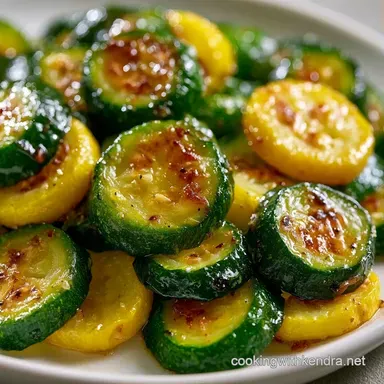
Skillet Zucchini Yellow Squash in 15 Minutes
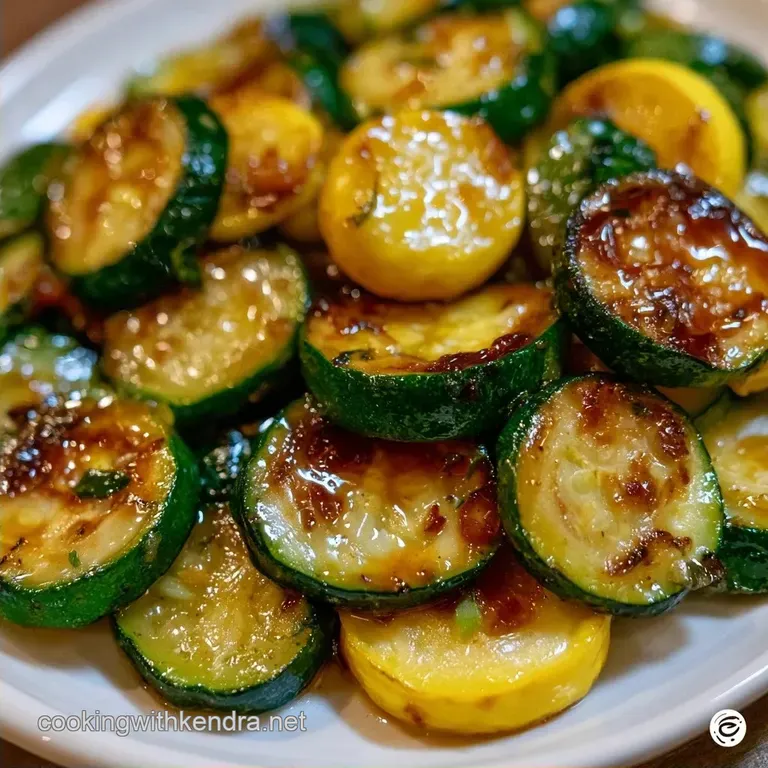
- Time: 5 min active + 10 min cook
- Flavor/Texture Hook: Buttery, savory, and slightly charred
- Perfect for: Busy weeknight dinners
- Easy Sautéed Zucchini Yellow Squash
- How This Recipe Works
- What Each Ingredient Does
- The Right Ingredients
- Necessary Kitchen Tools
- Cooking Step by Step
- Solving Common Cooking Issues
- Troubleshooting Common Issues
- Making Healthy Swaps
- Adjusting the Batch Size
- Sorting Out Squash Myths
- Saving and Reheating Leftovers
- Best Side Dish Pairings
- Recipe FAQs
- 📝 Recipe Card
Ever wonder why restaurant squash stays firm and golden while yours often turns into a watery mess in the pan? I used to think it was a special pan or a professional technique, but it actually comes down to one thing: heat management.
For a long time, I just tossed everything in and stirred constantly, which basically boiled the vegetables in their own juices.
Once I stopped fussing with the pan and let the vegetables sit, everything changed. Now, this is my go to when I need a side dish that feels fancy but takes almost no effort. It’s a reliable way to use up the garden harvest without spending an hour at the stove.
You can expect a dish where the Zucchini Yellow Squash has a nice brown crust but still has a bit of a bite. It’s simple, salty, and rich thanks to the butter and cheese.
Easy Sautéed Zucchini Yellow Squash
The trick here is getting a hard sear before you start moving the vegetables around. If you crowd the pan or stir too often, the temperature drops, and the squash releases all its water. By letting them sit for a few minutes, you get those brown bits that add so much flavor.
I've found that using a mix of oil and butter is the best way to go. The oil stops the butter from burning at higher temperatures, while the butter provides that rich, home cooked taste. It's a simple tweak that makes a big difference in the final result.
Right then, let's look at why this specific approach works so well for these summer vegetables.
How This Recipe Works
High Heat Searing: Quick cooking at medium high heat browns the exterior before the internal cell walls collapse. This keeps the vegetables from getting mushy.
Strategic Resting: Leaving the squash undisturbed for 3 minutes allows moisture to evaporate. This creates a crust instead of a stew.
| Method | Time | Texture | Best For |
|---|---|---|---|
| Fast Sear (This) | 10 mins | Firm & Browned | Weeknights |
| Classic Sauté | 20 mins | Soft & Tender | Slow Lunches |
What Each Ingredient Does
| Ingredient | What It Does | Best Swap |
|---|---|---|
| Unsalted Butter | Adds richness and browning | Ghee or Coconut Oil |
| Parmesan Cheese | Adds salty, umami punch | Pecorino Romano |
| Yellow Onion | Provides a sweet aromatic base | Shallots |
The Right Ingredients
Here is exactly what you need to get this on the table. I keep these basics in my pantry, which makes this one of my favorite budget-friendly options.
- 1 lb zucchini, sliced into 1/4 inch rounds Why this? Uniform thickness ensures even cooking.
- 1 lb yellow summer squash, sliced into 1/4 inch rounds Why this? Adds color and a slightly sweeter taste.
- 1 medium yellow onion, diced Why this? Adds depth and sweetness.
- 3 cloves garlic, minced Why this? Essential for a savory aromatic base.
- 2 tbsp olive oil Why this? Raises the smoke point of the butter.
- 1 tbsp unsalted butter Why this? Creates a rich flavor and helps browning.
- 1/2 tsp kosher salt Why this? Enhances all the natural flavors.
- 1/4 tsp cracked black pepper Why this? Adds a subtle heat.
- 1/4 cup freshly grated Parmesan cheese Why this? Adds a salty, nutty finish.
If you're looking for a different way to use these vegetables, you might enjoy a Pasta Primavera recipe for a more filling meal.
Necessary Kitchen Tools
You don't need anything fancy for this. A large 12 inch skillet is the most important piece of gear because it gives the Zucchini Yellow Squash enough room to spread out. If you use a small pan, the vegetables will pile up, they'll steam, and you'll lose that golden crust.
A sharp chef's knife is also helpful to get those 1/4 inch rounds consistent. If some slices are thin and others are thick, the thin ones will vanish into mush before the thick ones are even cooked.
Cooking step by step
Let's crack on with the cooking. Keep your heat steady and trust the process of not stirring too early.
- Slice the zucchini and yellow squash into uniform 1/4 inch rounds. Finely dice the onion and mince the garlic.
- Place a 12 inch skillet over medium high heat. Add olive oil and butter.
- Once the butter is melted and foamy, sauté diced onions for 3-4 minutes until translucent and slightly golden.
- Stir in the minced garlic and cook for 60 seconds until fragrant.
- Increase heat slightly and add the zucchini and yellow squash in an even layer.
- Sear undisturbed for 2-3 minutes until a golden crust develops.
- Stir gently and cook for another 3-5 minutes until tender but still holding their shape.
- Remove the pan from heat.
- Immediately sprinkle with salt, black pepper, and grated Parmesan cheese.
- Toss gently to combine and serve.
Chef's Note: If you see the butter starting to brown too quickly, just slide the pan off the heat for 10 seconds before adding the vegetables.
Solving Common Cooking Issues
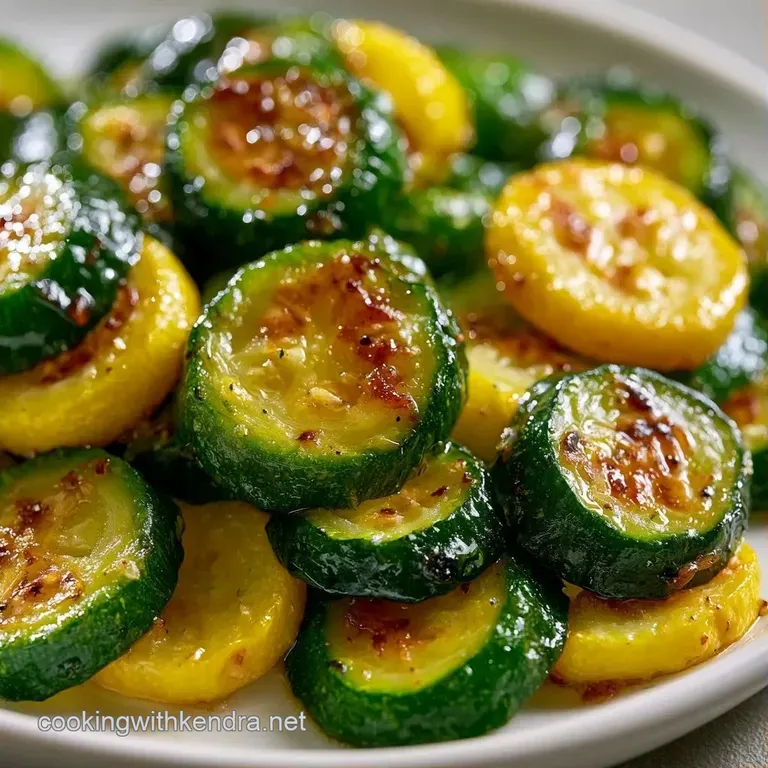
It's easy to overcook squash because it has such a high water content. Most people make the mistake of stirring too much or using a pan that is too small. If your vegetables are releasing a pool of liquid, you're likely stirring too often or your heat is too low.
Troubleshooting Common Issues
| Issue | Solution |
|---|---|
| Squash watery | This happens when the vegetables are crowded or the pan temperature drops. The cells break down and release water instead of searing. |
| Why did my garlic burn | Garlic cooks much faster than onions. If you add it too early, it turns bitter and brown. Always add garlic after the onions have softened, and only cook it for about a minute. |
| Why is the squash mushy | Overcooking is the main culprit here. Squash only needs about 8-10 minutes total in the pan. Once they are tender but still have a slight snap, pull them off the heat immediately. |
Making Healthy Swaps
This recipe is already quite light, but you can adjust it based on what's in your fridge or your dietary needs. Since we're focusing on budget-friendly options, most of these swaps won't cost you extra.
If you want to avoid dairy, you can skip the butter and use a bit more olive oil or a touch of coconut oil. For the cheese, nutritional yeast provides a similar salty, nutty flavor without the lactose.
| Original Ingredient | Substitute | Why It Works |
|---|---|---|
| Unsalted Butter | Coconut Oil | Similar fat content. Note: Adds a slight coconut scent |
| Parmesan Cheese | Nutritional Yeast | Savory, cheesy flavor. Note: Vegan friendly but less salty |
| Olive Oil | Avocado Oil | Higher smoke point. Note: More neutral flavor than olive oil |
For another vegetable heavy side, you could try something like Shrimp Alfredo and serve this squash on the side to balance the richness.
Adjusting the Batch Size
When you're cooking for a crowd, don't just double everything in the same pan. If you put 4 lbs of Zucchini Yellow Squash in one skillet, you'll end up with a soup.
Scaling Down (Half Batch): Use a smaller 8 or 10 inch skillet. You can reduce the cooking time by about 20% because the pan will heat up and cool down faster.
Scaling Up (Double Batch): The most important rule is to work in batches. Sear half the vegetables, remove them to a plate, and then do the second half. Combine them at the very end when you add the Parmesan.
Only increase the salt and pepper to 1.5x the original amount, as too much salt can draw out more water.
Sorting Out Squash Myths
There are a few things people say about squash that just aren't true.
One common idea is that you should salt the Zucchini Yellow Squash before cooking to "draw out the water." While this works for eggplant, it's unnecessary here. Salting at the end keeps the vegetables firm and ensures the seasoning stays on the surface.
Another myth is that you need a stainless steel pan for the best sear. While they're great, a well seasoned cast iron or even a good non stick pan works perfectly as long as your heat is high enough.
Saving and Reheating Leftovers
Store any leftovers in an airtight container in the fridge for 3 to 5 days. Because of the high water content, the squash will soften further as it sits.
Reheating: Avoid the microwave if you can, as it makes the squash rubbery. Instead, toss the leftovers back into a hot skillet for 2-3 minutes. This helps evaporate any moisture that gathered in the fridge and brings back some of that sear.
Zero Waste: Don't throw away the ends of the squash or the onion peels. Toss them into a freezer bag with other veggie scraps. Once the bag is full, simmer them in water for an hour to make a quick, homemade vegetable broth for your next soup.
Best Side Dish Pairings
Because this dish is savory and slightly buttery, it pairs well with lean proteins. A grilled chicken breast or a piece of baked salmon works great. The acidity of a squeeze of fresh lemon juice over the top of the squash helps cut through the richness of the Parmesan.
If you're serving it as part of a larger spread, try pairing it with a crusty piece of sourdough bread to soak up the garlic butter. It's a simple, comforting addition to any family dinner that doesn't break the bank.
Recipe FAQs
Can you cook yellow squash and zucchini together?
Yes, they cook at the same rate. Both vegetables have similar water content and textures, allowing them to be sautéed in the same pan without one overcooking before the other.
How to cook squash and zucchini in a skillet?
Sauté onions in butter and oil, then add sliced vegetables. Sear the zucchini and squash undisturbed for 2-3 minutes on medium-high heat before stirring for another 3-5 minutes until tender.
How to cook zucchini and squash so it doesn't get mushy?
Avoid crowding the pan and limit total cook time. Use high heat to sear the vegetables rather than steaming them, and remove them from the heat within 8-10 minutes.
What is the best seasoning for zucchini and squash?
Use salt, black pepper, and grated Parmesan cheese. Adding these immediately after removing the pan from the heat enhances the flavor without drawing out excess moisture during the searing process.
Is it better to cook zucchini and squash in a skillet or bake it?
A skillet is superior for texture. Searing creates a golden crust that is difficult to achieve in the oven, making this a perfect side for a vegetarian melt.
Can zucchini and onions be cooked together?
Yes, they complement each other perfectly. Sauté the diced onions first for 3-4 minutes until translucent before adding the zucchini to ensure the onions are fully softened.
What is the best way to cook zucchini or summer squash?
Sear them in a hot skillet with butter and olive oil. This method preserves the structure of the 1/4-inch rounds while developing a savory, caramelized exterior.
Zucchini Yellow Squash in 15 Minutes