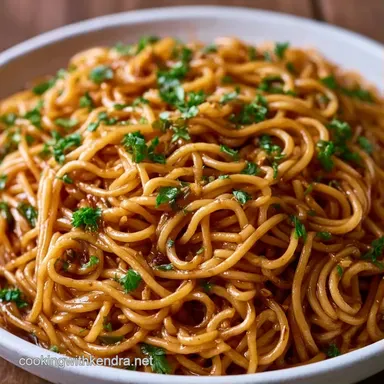
Simple Garlic Noodle Dish: Velvety and Savory
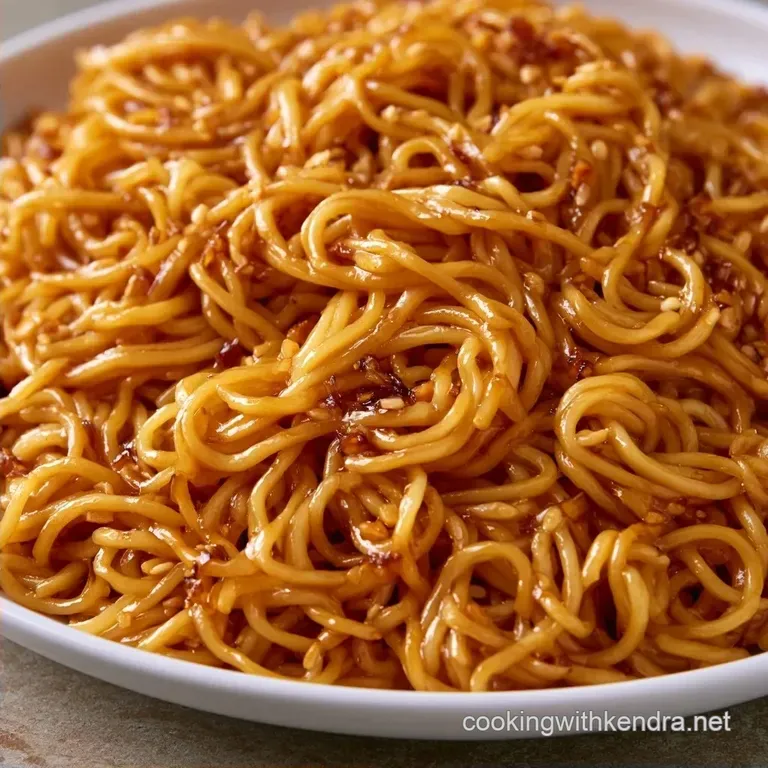
- Time: 5 min active + 10 min cook = Total 15 minutes
- Flavor/Texture Hook: Velvety, savory glaze with a pungent garlic punch
- Perfect for: Fast weeknight dinners or a stunning side for grilled proteins
That first sizzle of butter hitting a hot pan, followed by the sharp, heady aroma of minced garlic, is enough to wake up any kitchen. I used to think that to get that specific, glossy sheen you see in high end Asian fusion spots, you needed a high pressure wok or some secret thickener.
I spent way too much time trying to force a cornstarch slurry into my noodles, only to end up with a gummy, translucent mess that felt more like glue than sauce.
Forget everything you know about needing specialized equipment for this. You don't need a wok or a professional burner to make a Simple Garlic Noodle Dish that actually holds its own. The real secret is actually something most people pour down the drain: the cloudy, starchy water from the pot.
This recipe is about contrast and balance. We're pairing the deep, salty hit of soy with the floral sweetness of honey and the richness of butter. It's a fast, dynamic process that transforms basic pantry staples into something that feels intentional and curated.
If you're looking for something that hits the spot in under 20 minutes, this is it.
The Simple Garlic Noodle Dish
Right then, let's get into why this specific combination of ingredients actually works. Most people just toss garlic and butter together, but that leaves you with greasy noodles rather than a coated dish. By introducing the starchy water and the honey, we create a stable emulsion.
Starch Binding: The reserved noodle water contains released starches that act as a bridge between the fats (butter/oil) and the liquids (soy sauce). This prevents the sauce from pooling at the bottom of the bowl.
Sugar Caramelization: The honey doesn't just add sweetness, it provides viscosity. It helps the sauce cling to the noodles and gives them that reflective, mirror like finish.
Fat Layering: Using both neutral oil and butter is a move for stability. The oil raises the smoke point so the garlic doesn't burn instantly, while the cold butter added at the end creates a velvety mouthfeel.
Aromatic Infusion: Sautéing garlic on medium low heat allows the oils to release slowly, ensuring a mellow, savory taste rather than a harsh, bitter one.
| Noodle Type | Prep Time | Sauce Adhesion | Best For |
|---|---|---|---|
| Dried Egg Noodles | 10 minutes | High (Starchy) | Quick meals |
| Fresh Ramen | 3 minutes | Very High | Bold flavors |
| Rice Noodles | 8 minutes | Medium | gluten-free |
| Spaghetti | 11 minutes | High | Pantry swaps |
When you're working with over high heat fats and sugars, the timing is everything. According to the guides at Serious Eats, the starch in pasta water is the key to a cohesive sauce. In this recipe, that starch works overtime to bond the soy and butter into a single, cohesive glaze.
Component Analysis
| Ingredient | Science Role | Pro Secret |
|---|---|---|
| Unsalted Butter | Fat Carrier | Add a final knob of cold butter for a glossy finish |
| Honey | Viscosity Agent | Use a mild clover honey to avoid overpowering the garlic |
| Low Sodium Soy | Umami Base | Low sodium allows you to control the salt level manually |
| Garlic | Primary Aromatic | Mince it fine for maximum surface area contact |
Ingredients
For this recipe, I've stuck to a few high-quality staples. Don't bother with the low-fat butter here, it just doesn't have the same lubricating properties for the sauce.
- 340g dried egg noodles Why this? High protein content helps them hold the sauce better
- 15ml neutral oil (canola or vegetable) Why this? High smoke point to protect the garlic
- 42g unsalted butter (divided) Why this? Adds richness and a velvety texture
- 18g garlic (about 6 cloves), minced fine Why this? The star of the show
- 30ml low sodium soy sauce Why this? Deep salty savory base
- 15ml honey Why this? Adds gloss and balances the salt
- 5ml toasted sesame oil Why this? Adds a nutty, aromatic finish
- 1.5g cracked black pepper Why this? Subtle heat to cut through the fat
- 10g green onions, thinly sliced Why this? Freshness and color contrast
If you're out of honey, maple syrup works as a substitute, though it adds a distinct woody note. If you don't have egg noodles, standard spaghetti is a decent fallback, but you'll lose a bit of that specific chewiness.
Essential Tool Kit
You don't need a kitchen full of gadgets for this. A large pot for the noodles and a wide skillet are the only essentials. I prefer a stainless steel or cast iron skillet because they hold heat more consistently than non stick, which helps in getting that sauce to thicken quickly.
A pair of tongs is non negotiable here. You need to be able to toss the noodles vigorously to ensure every strand is coated. A whisk is also handy for blending the soy and honey before they hit the pan, preventing any clumps of honey from staying whole.
How to Make It
Let's crack on. Pay close attention to the visual cues, as those are more important than the timer.
- Bring a large pot of salted water to a boil. Cook noodles according to package instructions, pulling them out one minute before fully done until they are al dente.
- Reserve 480ml of the cloudy noodle water before draining. Note: This is your "liquid gold" for the sauce.
- Melt 28g of butter and 15ml of neutral oil in a skillet over medium low heat.
- Add the minced garlic and sauté for 2-3 minutes until the garlic is pale gold and fragrant.
- Whisk in the soy sauce, honey, sesame oil, and black pepper.
- Pour in 120ml of the reserved noodle water and stir constantly for 1 minute until the sauce looks glossy and slightly thickened.
- Add the drained noodles to the skillet.
- Increase heat to medium and toss vigorously with tongs for 2 minutes until the sauce clings to the noodles.
- Stir in the remaining 14g of cold butter until it melts and looks velvety.
- Garnish with sliced green onions.
Chef's Note: If the sauce looks too thick or "tight" during the final toss, splash in another 30ml of that reserved noodle water. It's the easiest way to adjust the consistency on the fly.
Avoiding Kitchen Disasters
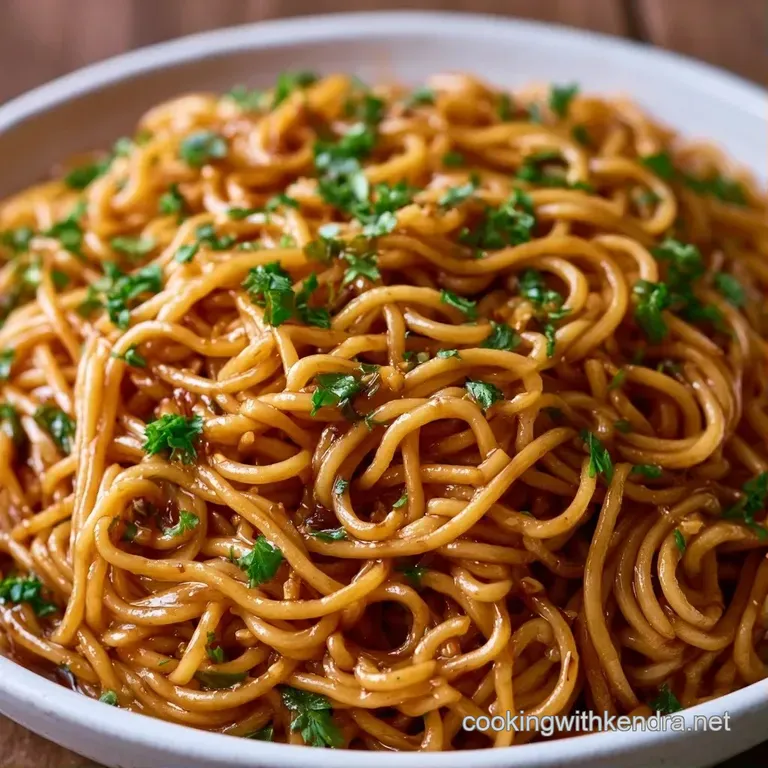
The most common issue people have with this Simple Garlic Noodle Dish is the garlic. Garlic burns incredibly fast, and once it turns dark brown, it becomes acrid and bitter, which ruins the whole batch. Keep your heat medium low and keep the garlic moving.
Another hurdle is the "clumping" effect. If you let the noodles sit in the colander for too long, they'll stick together and won't absorb the sauce evenly. Move them straight from the pot to the pan.
Troubleshooting Common Issues
| Issue | Solution |
|---|---|
| Why Your Garlic Tastes Bitter | If your garlic has a sharp, unpleasant taste, you likely overheated the butter or left the garlic stationary for too long. The goal is "pale gold," not brown. |
| Why Your Sauce is Watery | This usually happens if the noodles weren't tossed long enough on medium heat, or if you added too much noodle water without letting it reduce. |
| Why Your Noodles are Mushy | Overcooking the noodles in the pot is the culprit. Remember, they continue to cook in the skillet during the final toss. |
Quick Fix Checklist:
- ✓ Garlic is pale gold, not brown
- ✓ Noodles are al dente before hitting the pan
- ✓ Reserved noodle water is used for the glaze
- ✓ Cold butter is stirred in at the very end
- ✓ Sauce is glossy, not watery or greasy
Creative Twists and Swaps
If you want to turn this into a full meal, I suggest adding a protein. Sautéed shrimp or thinly sliced flank steak work beautifully here. If you're looking for another way to use these flavors, my soy sauce noodles offer a slightly different approach to the base.
For those who want a bit more heat, a teaspoon of Gochujang or a drizzle of Sriracha during step 5 adds a dynamic, spicy kick. If you prefer a nuttier profile, you can swap the butter for a mixture of butter and tahini.
For a Protein Boost
Toss in some seared tofu or grilled chicken. Just make sure the protein is cooked separately and added at the end so it doesn't soak up all the sauce.
For a Vegan Friendly Version
Swap the butter for a high-quality vegan butter alternative and use soy sauce as usual. The honey can be replaced with agave nectar or maple syrup without losing the gloss.
For a Low Carb Alternative
Use shirataki noodles or zucchini noodles. Note that these don't release starch, so you'll need a teaspoon of cornstarch mixed with water to get that same velvety texture.
Common Beliefs Debunked
There is a common idea that you should rinse your noodles after boiling to stop them from sticking. In this recipe, that's a huge mistake. Rinsing removes the surface starch, which is exactly what allows the sauce to bond to the noodle. Keep that starch!
Another myth is that adding more garlic automatically makes the dish better. While we love garlic, adding too much raw garlic can create a "sharp" bite that overwhelms the honey and soy. Stick to the 18g measurement for the best balance.
Storage Guidelines
This Simple Garlic Noodle Dish is best served immediately, but it keeps reasonably well. Store leftovers in an airtight container in the fridge for up to 3 days.
To reheat, don't use the microwave if you can avoid it, as it can make the noodles rubbery. Instead, toss them back into a skillet over medium heat with a splash of water or a tiny bit of butter. This restores the velvety texture of the sauce.
As for freezing, I don't recommend it. The starch in the sauce can break down during the freezing and thawing process, leaving you with a separated, greasy mess.
To reduce waste, don't throw away the white parts of the green onions. Chop them up and freeze them in a small container to use as a base for future soups or stir fries. Even the noodle water, if you have a lot left over, can be used as a thickener for other sauces.
Serving Suggestions
To make this look like it came from a professional kitchen, focus on the color balance. The dish is naturally a deep gold brown, so you need high contrast accents to make it pop visually.
First, the green onions provide that essential bright pop. Add them at the very end so they stay crisp and vivid. Second, a sprinkle of toasted white sesame seeds adds a textural contrast and a clean, bright white highlight.
Third, a pinch of red chili flakes or a few thin slices of red fresno chili adds a sharp red accent that signals heat.
If you're serving this as a side, it pairs brilliantly with a crisp cucumber salad or some steamed bok choy. For a more indulgent meal, it's a great companion to a classic oyster sauce pasta for a fusion style spread.
When plating, use tongs to twirl the noodles into a high mound in the center of the bowl. This creates height and allows the sauce to pool slightly at the bottom, ensuring every bite is saturated. Finish with a final drizzle of sesame oil for a professional, aromatic sheen.
Recipe FAQs
Can you suggest a 15-minute noodle dish?
Yes, these garlic noodles take exactly 15 minutes from prep to plate. They rely on a quick sauté and a simple pantry based sauce for a fast, flavorful meal.
How to prevent the garlic from tasting bitter?
Sauté the minced garlic for only 2 3 minutes over medium low heat. Stop as soon as the garlic is pale gold, as browning it further creates a sharp, unpleasant bitterness.
Why are my noodles mushy after tossing them in the sauce?
You likely overcooked the noodles in the boiling water. Pull them out one minute before the package instructions suggest, as they continue to cook in the skillet during the final toss.
How to fix a watery sauce?
Toss the noodles vigorously on medium heat for a full 2 minutes. This allows the sauce to reduce and cling to the noodles; otherwise, you may have added too much reserved noodle water.
Is it true that these noodles can be frozen for later?
No, this is a common misconception. Freezing breaks down the starch in the sauce, which leaves you with a separated, greasy mess after thawing.
How to reheat leftovers without them becoming rubbery?
Toss them back into a skillet over medium heat with a splash of water or a tiny bit of butter. Avoid using the microwave to preserve the velvety texture of the sauce.
What is the best way to get a glossy, velvety finish?
Stir in one tablespoon of cold butter at the very end of the process. If you enjoyed mastering this velvety emulsion, see how the same principle works in our homemade hot sauce.
Simple Garlic Noodle Dish