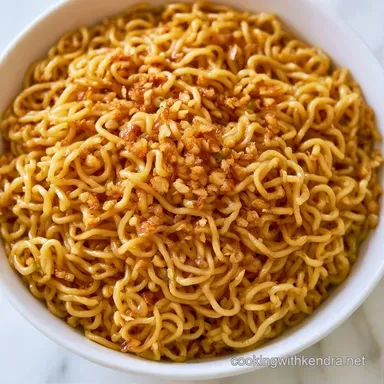
Quick Asian Garlic Noodles: Glossy and Umami
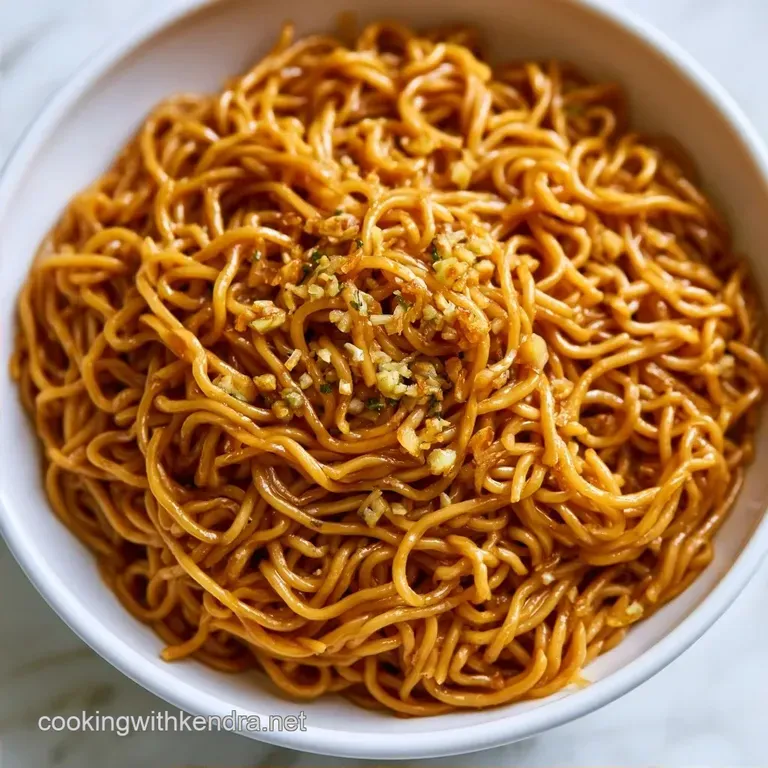
- Time: 5 min prep + 15 min cook = Total 20 mins
- Flavor/Texture Hook: Glossy, velvety strands with a pungent garlic punch
- Perfect for: Last minute dinner guests, weeknight cravings, or a side for grilled protein
That sharp, savory sizzle the second minced garlic hits melted butter is probably my favorite sound in the kitchen. It is the smell of a meal coming together fast. I remember one Tuesday when my best friend crashed at my place unannounced, starving, and my fridge was basically a wasteland of half used condiments and a pack of egg noodles.
I didn't have time for a slow braise or a complex stir fry, so I just threw together a handful of pantry staples.
The result was an absolute hit. We ended up eating the whole pan straight from the stove because we couldn't wait to plate it. That's the magic of Quick Asian Garlic Noodles, it transforms basic ingredients into something that feels dynamic and intentional.
It is the kind of dish that makes you look like a pro even when you're wearing pajamas and cooking in a panic.
You can expect a dish that is heavy on the savory notes, with a slight sweetness from the brown sugar to balance the salt of the soy and oyster sauces. The texture is the real star here, as the sauce clings to the noodles without pooling at the bottom of the bowl.
It's a fast win that doesn't sacrifice the depth of flavor you'd get from a much longer cooking process.
Quick Asian Garlic Noodles
The secret to this dish isn't a fancy technique, it's the timing. Most people overcook the garlic or under reduce the sauce, leaving you with something that tastes like raw garlic or feels like soup. By following a specific sequence, we create a glossy glaze that coats the noodles perfectly.
If you're looking for something even simpler, you might like these simple soy sauce noodles, but for this version, we're leaning into that rich, buttery profile. The goal is a balance of salty, sweet, and pungent that hits every part of your palate.
Right then, let's get into why this actually works and how to make sure yours come out with that professional, glossy finish every single time.
The Trick Behind the Texture
To get that restaurant style cling, we have to manage the liquids. It's all about how the fats and sugars interact.
- Fat Binding: The butter acts as a carrier for the garlic flavor and helps the soy based sauce stick to the starch of the noodles.
- Sugar Caramelization: The brown sugar doesn't just add sweetness, it thickens the sauce into a syrup that creates that stunning visual sheen.
- Starch Integration: Using a bit of the reserved noodle water allows the sauce to bond to the pasta, creating a velvety rather than oily finish.
- Al Dente Base: Cooking the noodles just under the package directions prevents them from breaking apart when you toss them vigorously in the skillet.
| Style | Prep Time | Sauce Texture | Best For |
|---|---|---|---|
| Fast (This) | 5 mins | Glossy/Tight | Weeknights |
| Classic | 30 mins | Complex/Layered | Sunday Dinner |
| Slow Simmer | 60 mins | Deep/Rich | Special Guests |
Component Analysis
Understanding what each ingredient does helps you adjust the flavor on the fly.
| Ingredient | Science Role | Pro Secret |
|---|---|---|
| Unsalted Butter | Flavor Carrier | Use high fat European style for a richer mouthfeel |
| Oyster Sauce | Umami Base | Adds the "dark" savory depth and thickness |
| Brown Sugar | Viscosity | Prevents the sauce from being too sharp or salty |
| Garlic | Aromatic | Mince finely for maximum surface area contact |
What You'll Need
Grab these from your pantry. I've listed a few swaps if you're missing something, but trust me, the butter is non negotiable for that specific flavor profile.
- 1 lb Chinese style egg noodles Why this? Higher protein content gives a better "chew". (Sub: Spaghetti or Linguine)
- 1 tbsp salt Why this? Seasoning the water is the only chance to flavor the noodle itself. (Sub: Kosher salt)
- 4 tbsp unsalted butter Why this? Creates the creamy, rich base. (Sub: Margarine, though flavor drops)
- 6 cloves garlic, minced Why this? Pungency and aromatic depth. (Sub: Garlic powder, 2 tsp)
- 2 tbsp oyster sauce Why this? Provides the thick, savory glaze. (Sub: Hoisin sauce)
- 1 tbsp soy sauce Why this? Adds salt and fermented depth. (Sub: Tamari for gluten-free)
- 1 tbsp brown sugar Why this? Balances the salt and adds shine. (Sub: Honey or maple syrup)
- 1 tsp toasted sesame oil Why this? Adds a nutty, toasted finish. (Sub: Peanut oil)
- 3 stalks green onions, thinly sliced Why this? Freshness and color contrast. (Sub: Chives)
- 1 tsp toasted sesame seeds Why this? Adds a slight crunch and visual appeal. (Sub: Toasted walnuts)
Equipment Needed
You don't need a professional kitchen for this, but the right pan makes a difference. I prefer a large stainless steel skillet or a carbon steel wok because they distribute heat evenly, which is crucial for not burning the garlic.
You'll also need a large pot for the noodles and a pair of tongs for that vigorous tossing phase.
From Prep to Plate
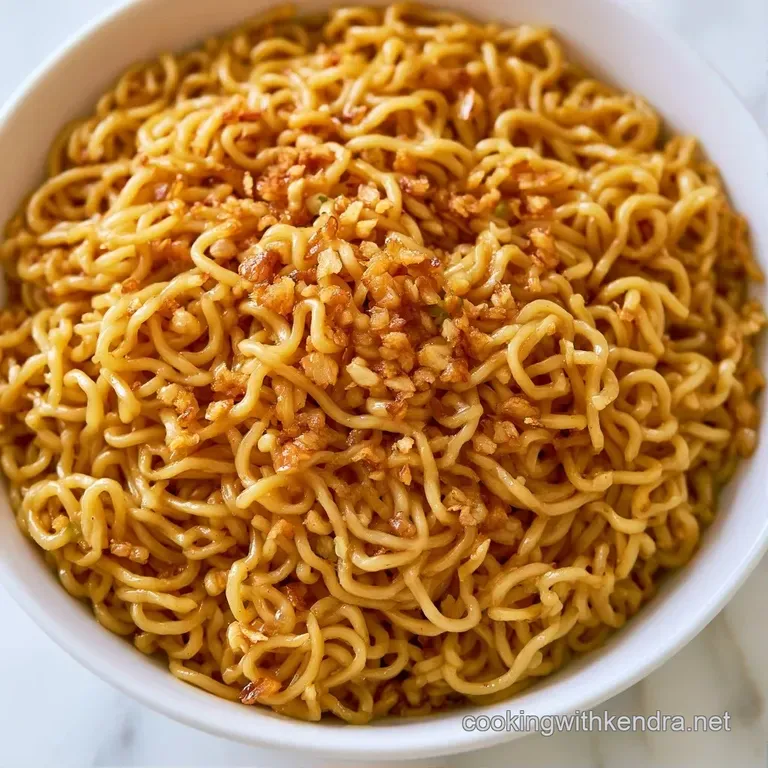
Follow these steps closely. The timing of the sauce is the most critical part of the whole process.
- Bring a large pot of salted water to a rolling boil. Cook the noodles according to package instructions until al dente. Note: Check Serious Eats for tips on identifying the perfect al dente texture for different pasta types.
- Reserve ¼ cup (60ml) of the starchy noodle water before draining the noodles.
- Melt the butter in a large skillet over medium heat. Add the minced garlic and sauté for 1–2 minutes until fragrant and softened, but not brown.
- Whisk together the oyster sauce, soy sauce, brown sugar, and sesame oil in a small bowl.
- Pour the sauce mixture into the skillet with the garlic butter. Stir constantly for 1 minute until the sauce bubbles and thickens into a glossy glaze.
- Add the drained noodles to the skillet and toss vigorously with tongs to coat every strand in the sauce.
- If the sauce is too thick, add the reserved noodle water one tablespoon at a time until a velvety consistency is reached.
- Garnish with thinly sliced green onions and toasted sesame seeds before serving.
Chef's Note: For a stunning visual presentation, twirl the noodles into a nest using a carving fork before placing them on the plate. It looks like it came from a high end Asian fusion bistro!
Common Mistakes & Troubleshooting
Even with a simple recipe, things can go sideways. Usually, it comes down to heat management.
| Issue | Solution |
|---|---|
| Why Your Garlic Tastes Bitter | If your garlic turns dark brown or black, it has burnt. Burnt garlic loses its sweetness and becomes acrid, which ruins the entire butter base. |
| Why Your Noodles Are Clumpy | This usually happens if the noodles sit too long after draining. To avoid this, have your sauce ready in the pan before the noodles are even done boiling. |
| Why Your Sauce Is Too Thin | If the sauce feels watery, you likely didn't let it bubble for that full minute before adding the noodles. The sugar needs time to concentrate. |
Quick Fix Checklist:
- ✓ Garlic is golden, not brown
- ✓ Noodles are slightly undercooked before tossing
- ✓ Sauce bubbled into a glaze before adding pasta
- ✓ Reserved water is on standby
- ✓ Tongs used for maximum coating
Flavor Variations to Try
Once you've got the base down, you can start playing with the profile. Since this is a fusion style dish, it's very forgiving. If you want a more complex flavor, you can incorporate a Sauce in 10 Minutes recipe into the mix.
Adding Shrimp for Protein
For a more filling meal, sear some shrimp in the butter before you add the garlic. Remove the shrimp, make the sauce, then toss them back in at the very end. This keeps the shrimp snappy and prevents them from overcooking.
Creating a Spicy Kick
If you like heat, stir in a teaspoon of Chili Crisp or Sriracha during step 5. The heat cuts through the richness of the butter beautifully.
Going Plant Based
Swap the butter for a high-quality vegan butter and the oyster sauce for a mushroom based vegetarian oyster sauce. The chemistry remains the same, and you still get that velvety finish.
Boosting the Nutrients
Toss in some blanched baby bok choy or shredded carrots during the final tossing phase. It adds a fresh crunch and a pop of color that makes the dish look even more dynamic.
Adjusting Your Batch Size
When you're cooking for a crowd or just yourself, you can't always just multiply everything linearly.
Cutting it in half: Use a smaller skillet so the sauce doesn't evaporate too quickly. Use 2 tbsp of butter and 3 cloves of garlic. Reduce the cooking time for the sauce by about 20% since there is less volume to heat up.
Doubling or Tripling: Don't double the salt or the soy sauce immediately - go to 1.5x and taste first. Liquids like the sesame oil can be overpowering in large amounts, so keep them at 1.5x as well.
Work in batches if your skillet isn't huge, as overcrowding the pan will steam the noodles rather than glaze them.
| Goal | Adjustment | Impact |
|---|---|---|
| More Heat | Add 1 tsp Chili Oil | Spicy/Zesty |
| Nuttier Taste | Extra Sesame Seeds | Earthy/Crunchy |
| Lighter Feel | Replace butter with oil | Less rich/cleaner |
Kitchen Myths
Let's clear up a few things. You might hear that you need to "rinse" noodles to stop them from sticking. Don't do this. Rinsing removes the surface starch that helps the sauce cling. If you rinse them, your sauce will just slide off and pool at the bottom.
Another common myth is that you must use a wok for Asian noodles. While a wok is great, a wide skillet is actually better for this specific recipe because it provides more surface area for the butter and garlic to emulsify with the sauce.
Storage & Reheating
Since this is an occasion ready dish, you might have leftovers. Store the noodles in an airtight container in the fridge for up to 3 days.
The Reheat Secret: Don't microwave them on high, or the butter will separate and the noodles will get mushy. Instead, put them back in a skillet over medium heat with a splash of water or a tiny knob of extra butter.
Toss them for 2-3 minutes until the sauce loosens back up and becomes glossy again.
Zero Waste Tips: Don't throw away the green onion roots! Put them in a glass of water on your windowsill, and they'll grow back. Also, if you have leftover noodle water, you can use it as a base for a quick vegetable soup.
What to Serve This With
Because these noodles are so rich and savory, you want sides that provide a contrast. Think acidity, freshness, or a lean protein.
A crisp cucumber salad with rice vinegar and sesame seeds is the perfect pairing. The acidity cuts through the butter and cleanses the palate between bites. If you're looking for a main protein, grilled lemon herb chicken or pan seared tofu works brilliantly.
For a more elaborate spread, serve these in a large shallow bowl topped with extra green onions and a sprinkle of toasted sesame seeds. The visual contrast of the dark, glossy noodles against the bright green onions makes for a stunning presentation that's sure to impress.
Recipe FAQs
Can I make these noodles in under 20 minutes?
Yes, the total time is exactly 20 minutes. With 5 minutes for prep and 15 minutes for cooking, it is one of the fastest Asian inspired meals you can prepare.
Why did my garlic taste bitter?
The garlic burnt during the sauté process. Once garlic turns dark brown or black, it becomes acrid and ruins the butter base. Keep the heat at medium and sauté for only 1 2 minutes.
How to fix a sauce that is too thick?
Stir in the reserved noodle water one tablespoon at a time. This uses the starchy water to loosen the glaze until you reach a velvety consistency.
How long do these garlic noodles stay fresh in the fridge?
They last up to 3 days. Store them in an airtight container to maintain moisture and prevent the noodles from drying out.
Is the microwave the best way to reheat leftover noodles?
No, this is a common misconception. Microwaving on high often separates the butter and makes the noodles mushy. Instead, toss them in a skillet over medium heat with a splash of water for 2 3 minutes.
Can I add shrimp to this recipe?
Yes, shrimp are a great addition. Sauté them in the butter before adding the garlic for the best texture. If you enjoy adding proteins to stir fry, try our chicken chow mein.
Why are my noodles clumping together?
The noodles sat too long after draining. To prevent sticking, ensure your sauce is bubbling in the skillet and ready to receive the noodles the moment they are drained.
Quick Asian Garlic Noodles